
Blog
★ Featured
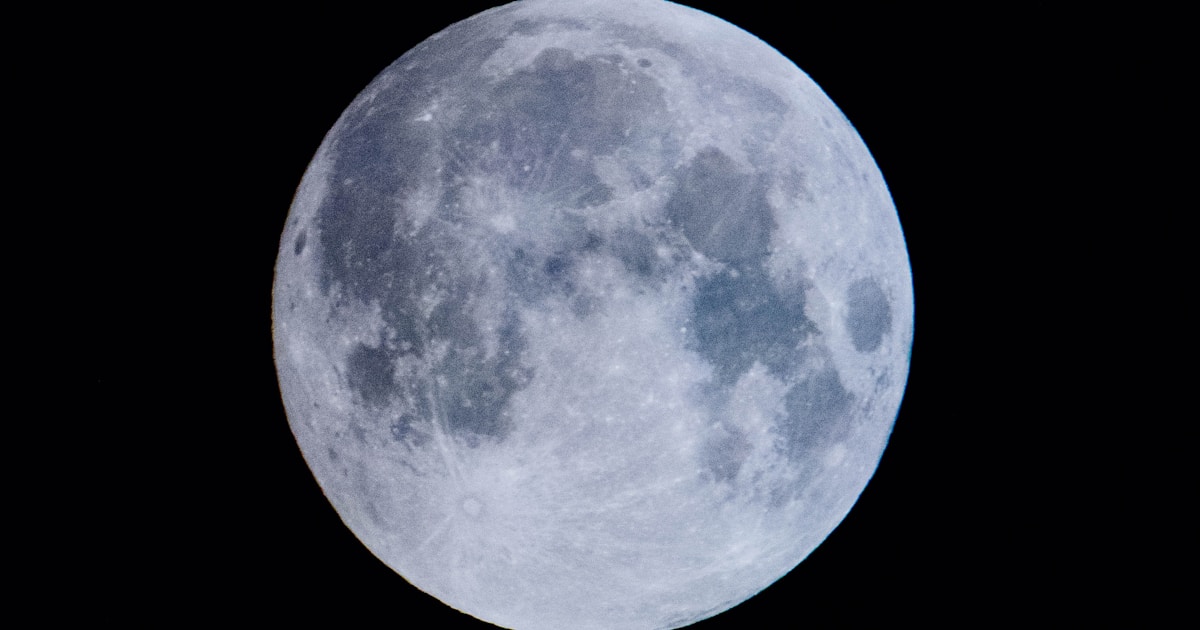
What If an Asteroid Hits the Moon? The 2024 YR4 Story
A 60-meter asteroid has a 4% chance of hitting our Moon in 2032. What would happen if it does? Scientists say we'd see a flash brighter than any star, meteors in our sky, and the largest lunar impact in human history.
New Earth-Sized Planet Found 146 Light-Years Away — But Why Is -70°C Still 'Habitable'?
Scientists just discovered HD 137010 b, an Earth-sized planet that might be habitable despite freezing temperatures. Here's the fascinating science of what makes a planet 'habitable' and how we find these distant worlds.
Scientists Just Mapped the Invisible Universe - Here Is What They Found
85% of all matter in the universe is invisible. We cannot see it, touch it, or detect it directly. Yet scientists just created the most detailed map of dark matter ever made. How do you map something you cannot see?

Why Is the Sky Blue? The Science of Light Scattering
Ever wondered why the sky appears blue during the day but turns red at sunset? Discover the fascinating physics of Rayleigh scattering.
All Posts
Deep Conversation Topics That Actually Open Up
Deep conversation topics should create curiosity, not pressure. Use this guide to move from safe prompts into real talk without making people perform.
Icebreaker Questions That Do Not Feel Forced
Icebreaker questions for work should make people curious, not trapped. Try safe, smart prompts for meetings, interviews, coffee chats, and human teams.
How to Be Interesting: The Curiosity Habit
How to be interesting without performing: build curiosity habits, collect small mysteries, ask better questions, and turn weekly facts into conversation fuel.
How to Keep a Conversation Going, Naturally
How to keep a conversation going without scripts: use real follow-up questions, small curiosity refills, better pauses, and graceful exits when energy fades.
Fun Facts About Me: How to Find Yours
Fun facts about me should not sound random. Learn how to mine real memories into specific, useful self-introductions for work, dates, and icebreakers.
Conversation Starters That Actually Work
Conversation starters from real curiosity questions: deep, funny, weird, first-date, couple, and awkward-silence prompts you can use when talk goes flat.
Small Talk: Bring One Real Thing
Small talk gets better when you bring one real thing: a specific observation, a live question, and enough curiosity to move past empty scripts.
Nothing to Talk About? Curiosity Fixes It
Nothing to talk about? Refill your conversation bank with real curiosity, better prompts, and tiny answers that turn awkward silence into connection.
How to Be Funnier: Curiosity Beats Tricks
How to be funnier in conversation: collect better material, notice precise truths, use benign surprise, and let curiosity feed real wit in everyday talk.
Am I Boring? A Kind Self-Diagnostic
Am I boring? Use a kind self-diagnostic to spot material shortage, ask better follow-up questions, and rebuild curiosity for better conversations today.
Best Quiz Apps for Adults: Curiosity Beats Cramming
Best quiz apps for adults should feed curiosity, not homework guilt. Compare MillionWhys, Brilliant, Elevate, Quizlet, Kahoot, Vaia, Brainscape, and Deepstash.
Cool Fact of the Day: Questions With Answers
A cool fact of the day collection with real questions, answers, images, and explanations about nature, space, light, bodies, everyday physics, and more.
Best Flashcard Apps: 7 Tools Compared
Best flashcard apps compared for adults: Anki, Quizlet, RemNote, Brainscape, Cram, Knowt, Mochi, and one curiosity-first alternative before decks form.
Best Trivia Apps for Adults: 9 Picks Compared
The best trivia apps for adults compared: social games, live event tools, workplace quiz platforms, and curiosity-first daily trivia apps for real closure.
Daily Quiz Questions to Spark Curiosity
A daily quiz built from real why-questions: science, nature, space, and everyday facts with instant answers and tiny explanations.
Hard Trivia Questions With Answers
Hard trivia questions with answers across space, science, geography, sports, history, and logic, each with the reason behind the answer.
Fun Quiz Questions and Answers to Play Anywhere
A fun quiz with quick multiple-choice questions, explained answers, and playful rounds for parties, meetings, or a 10-second curiosity break for adults.
Trivia Quizzes With Answers, Explained
Trivia quizzes with answers for science, space, animals, weather, and daily life, with explanations that make every reveal worth remembering and easy to host.
Random Facts for Curious Conversations
Random facts for curious conversations, with quick answers about animals, science, history, food, psychology, space, everyday objects, and odd human behavior.
Weird Facts That Sound Fake But Are True
Weird facts that sound fake but are true, explained through quick science, nature, food, space, history, and everyday mystery cards you can actually play.
Why Do Heatwaves Cause Power Outages?
Why do heatwaves cause power outages? AC demand, overheated transformers, sagging lines, plant cooling constraints, solar ramps, and thin grid margins.
Why Does Music Give You Chills? Frisson Explained
Why does music give you chills? Frisson explained through dopamine, prediction, goose bumps, musical surprise, and why some songs create real closure.
Why Don't Birds Get Electrocuted on Power Lines?
Why don't birds get electrocuted on power lines? The trick is voltage difference: one wire is usually safe, but two electrical points can be deadly fast.
Why Can't You Tickle Yourself? Brain Prediction
Why can't you tickle yourself? Your cerebellum predicts your own touch, cancels the surprise, and shows how the brain labels self-made sensation clearly.
Why Do Songs Get Stuck in Your Head?
Why do songs get stuck in your head? Earworm science explains catchy hooks, mental replay, stress, boredom, chewing gum, and practical ways to stop the loop.
Why Does Deja Vu Happen? A Brain Familiarity Glitch
Why does deja vu happen? Memory science explains familiarity glitches, temporal-lobe signals, spatial resemblance, epilepsy warnings, and real closure.
Urban Heat Island Effect: Why Cities Stay Hotter
Urban heat island effect, explained: why asphalt, buildings, lost trees, waste heat, and warm nights make city blocks hotter than parks, and how cities cool.
Why Does Time Speed Up as You Get Older?
Why does time speed up as you get older? The answer sits in proportional time, memory density, dopamine, attention, and small doses of novelty in daily life.
Best Duolingo Alternatives in 2026 — Not Just for Languages
The best Duolingo alternatives in 2026, sorted by what you want: another language, deeper courses, book ideas, or a 10-second daily general-knowledge habit.
Why Is Yawning Contagious?
Why is yawning contagious? The science points to empathy, mirror neurons and brain cooling — and yes, just reading this might make you yawn right now.
Why Does Heat Kill? The Body's Cooling Limit
Why does heat kill? Your body survives heat by moving and evaporating water; death begins when humidity, time, and physiology stop that cooling loop inside.
Heat Stroke vs Heat Exhaustion: Key Differences
Heat stroke vs heat exhaustion: spot the difference, know when confusion means emergency, and use calm first aid before a hot day turns dangerous fast.
Interesting Facts About the Human Body: A Quiz
Interesting facts about the human body — why fingers go pruney, why your brain cleans itself as you sleep and what earwax is for. Guess, then see why.
Space Quiz Questions and Answers, Explained
Space quiz questions and answers on the planets, black holes and why space is dark and silent — guess why Venus runs hotter than Mercury, then see why.
Animal Quiz Questions and Answers, Explained
Animal quiz questions and answers on ocean life, mammals and insects — guess why skunks warn first, salmon swim upstream and baby birds navigate by the stars.
Geography Quiz Questions and Answers, Explained
Geography quiz questions and answers on continents, weather and the Earth's restless crust — guess why coastlines fit and why some lakes turn salty.
Daily Science Quiz: Questions and Answers
A daily science quiz on the physics, chemistry and light in everyday life — guess why soap bubbles are spheres and metal feels colder than wood, then see why.
Nature Quiz Questions and Answers, Explained
Nature quiz questions and answers from forest seeds to deep-sea octopuses and the insect world — guess why some seeds need fire to sprout, then learn the why.
Did You Know Facts That Sound Fake but Are True
Did you know facts that sound fake but are true — from why you forget at doorways to why cheese has holes. Guess each one, then see why it's real.
Wet Bulb Temperature: Why Humid Heat Turns Deadly
Wet bulb temperature explains why humid heat can turn dangerous fast: sweat stops cooling, 35 C becomes a hard limit, and WBGT shows real risk right now.
Why No AC in Europe? Heat, Homes, and Habits
Why no AC in Europe? Mild summers, old buildings, energy prices, culture, and policy made cooling rare, but hotter heatwaves are changing the math for homes.
Fun Fact of the Day: Trivia Questions & Answers
A new fun fact of the day, the fun way: surprising trivia about animals, space, the human body, food and weather — tap each card to reveal the answer and why.
Neuroscience of Curiosity: Why Wonder Sticks
The neuroscience of curiosity explains why small daily wonders prime reward, memory, and better questions without turning learning into homework or hype.
Trivia vs Flashcards: Which Helps Memory?
Trivia vs flashcards compares two retrieval tools: spaced decks for chosen material and curiosity-led questions for broad memory without cram pressure.
Testing Effect: Why Trivia Beats Re-Reading
The testing effect explains why answering a question first can make memory stronger than re-reading. Here is the research, the limits, and the trivia link.
Trivia for Adults: A Curiosity-First Guide
Trivia for adults works best when it fits real adult learning: quick questions, clear mechanisms, no classroom pressure, and curiosity that compounds daily.
Are Trivia Games Good for Your Brain? Honest Science
Are trivia games good for your brain? This evidence-based guide explains retrieval practice, curiosity, memory benefits, and the honest limits of brain games.
Why Are Fun Facts Interesting? Memory Science
Why are fun facts interesting? Cognitive science says surprise creates a curiosity gap, primes memory, and turns answers into satisfying closure that sticks.
Random Trivia Questions With Answers
Random trivia questions with answers from science, space, animals, weather, sports, money, and technology, each with the quick why behind it.
General Knowledge Trivia Questions & Answers
General knowledge trivia questions with answers across history, food, physics, human biology, and animal behavior for quick curiosity-driven play today.
Geography Trivia Questions With Answers
Geography trivia questions with answers about continents, rivers, deserts, islands, oceans, mountains, valleys, oases, cliffs, and maps.
Why ChatGPT Makes Mistakes: Fake Citations
Why ChatGPT makes mistakes when it invents fake citations and URLs: the source-shaped pattern, the missing lookup, and how to verify AI answers.
Backrooms Psychology Viral: Why It Worked
Backrooms psychology viral explained: why one empty yellow room became internet horror through liminal spaces, uncertainty, and collaborative lore.
Facts About Nature: Hidden Systems That Keep Life Moving
Facts about nature get better when you see the hidden systems: water cycling, carbon moving, fungi trading, pollinators connecting, and decay renewing life.
Free Flashcard App: What It Can and Can't Teach
Looking for a free flashcard app? Compare Anki, Knowt, Brainscape, and MillionWhys for memory, spaced repetition, and curiosity-first learning.
Fun Facts About Beavers: Nature's Water Engineers
Fun facts about beavers explain orange teeth, dams, lodges, wetlands, and why these rodents quietly redesign streams for other species.
App to Learn New Things: Curiosity, Not Cramming
Looking for an app to learn new things? Compare Million Whys, Brilliant, Khan, Blinkist, and Duolingo by learning moment, not hype.
Interesting Facts About Platypus: Nature's Puzzle
Interesting facts about platypus biology: eggs, venom, electric bills, milk without nipples, glowing fur, and why this mammal feels assembled from questions.
Best Mobile Learning Apps 2026: Curiosity Wins
Best mobile learning apps 2026 compared by learning unit, pressure, cost signals, and curiosity fit, from Duolingo and Khan Academy to MillionWhys today.
Why Do Companies Buy Back Stock?
Why do companies buy back stock? Learn the pizza-slice mechanics, Rule 10b-18 history, EPS optics, Apple buyback example, and real shareholder tradeoffs.
Best Free Microlearning Apps 2026
Best free microlearning apps 2026: compare Duolingo, Khan Academy, Brilliant, Quizlet, Anki, Deepstash, and MillionWhys for tiny curiosity-led learning.
Interesting Facts About Owls: Silent Hunters
Interesting facts about owls: silent flight, dish-shaped faces, uneven ears, fixed tube eyes, pellets, and the mechanics behind night hunting.
Why Can't You Wear White After Labor Day?
Why can't you wear white after Labor Day? The rule came from summer practicality, Gilded Age class codes, and etiquette that no longer works.
Fun Facts About Hedgehogs: Spines, Sleep, Survival
Fun facts about hedgehogs: how spines, curling, night foraging, hibernation, and connected gardens turn a cute animal into survival engineering today.
15 Minute Learning App: When Short Still Feels Long
Looking for a 15 minute learning app? Compare Blinkist, Headway, Brilliant, Uptime, and MillionWhys by learning unit: summary, lesson, hack, or question.
Best Deepstash Alternatives 2026: Curiosity Apps
Best Deepstash alternatives 2026, compared for curious adults: Deepstash, MillionWhys, Blinkist, Imprint, Kinnu, and what each actually does well today.
Why Do We Have Daylight Savings Time?
Why do we have daylight savings time? The farmer story is wrong. Here is the real history: wartime fuel, weak energy savings, and sticky politics today.
Fun Facts About Bears: Smell, Sleep, and Cubs
Fun facts about bears: how their smell, winter denning, polar bear fur, seasonal diets, and cub timing reveal clever survival mechanisms in plain English.
Why Do People Say Bless You When You Sneeze?
Why do people say bless you when you sneeze? The real answer mixes a false heart myth, ancient sneeze customs, plague legend, etiquette, and social closure.
Christmas Trivia Questions and Answers
Christmas trivia questions and answers for curious adults: winter science, snow, pine trees, hibernation, holiday prices, and why seasons flip in December.
Best Learning Apps for Adults 2026: Curious Picks
Best learning apps for adults 2026, compared by session length, pressure, content source, and how each app turns spare moments into real closure for adults.
Best Trivia Apps of 2026: 6 Apps Ranked by What You Actually Learn
Trivia Crack, Kahoot!, Sporcle, Psych!, Quizl and MillionWhys compared on ads, friction, and whether you actually learn anything new. Ranked for 2026.
Daily Quiz Apps in 2026: Why 5 Questions a Day Beats Cramming
Wordle, Bing's homepage quiz, QuizStreak, Quizl, Duolingo and MillionWhys — what daily quiz apps get right about memory, and which habit is worth keeping.
Movie Trivia Questions With Answers
Movie trivia questions with answers, from echoes and camera lenses to green screens, CGI water, streaming quality, and why sad films make us cry.
Best Learning Apps for Commuting: 2026 Guide
Best learning apps for commuting in 2026, ranked by session length, curiosity fit, audio use, free access, and whether a ride can end with real closure.
Fun Trivia Questions With Answers
Fun trivia questions with answers about animals, space, weather, rainbows, emojis, free samples, and tiny whys that make ordinary life click fast today.
Best Educational Apps for Adults 2026
Best educational apps for adults 2026: compare Coursera, Khan Academy, Brilliant, Skillshare, Duolingo, Blinkist, and MillionWhys by real adult fit today.
Best Lifelong Learning Apps 2026: Curious Adults
Best lifelong learning apps 2026 for adults: compare Coursera, Khan, Brilliant, Blinkist, Duolingo, and MillionWhys by learning fit.
Movie Trivia Questions: Science Behind the Screen
Movie trivia with answers from the science behind films: CGI water, green screens, scary scenes, camera sensors, echoes, stunts, and streaming quality.
Best App for Language Learning? Start Here
Best app for language learning depends on the job: Duolingo for habits, Babbel for conversations, Pimsleur for audio, and MillionWhys beyond languages.
Best Apps for Learning Skills: 2026 Guide
Looking for the best apps for learning skills? Compare Brilliant, Coursera, Khan, Skillshare, Quizlet, and MillionWhys for curious adult learners today.
Understanding AI Through Better Questions
Understanding AI starts with better questions: patterns, training data, feedback, verification, and curiosity-first tools that give real closure today.
Random Animal Facts: Weird Adaptations Explained
Random animal facts explained through real adaptations: polar bear fur, anteater tongues, salmon homing, skunk spray, bee dances, and elephant trunks.
Health Trivia Questions & Answers
Health trivia questions and answers about sleep, coffee, hydration, brain cleanup, mood, metabolism, and the tiny body mysteries around us.
Apps Like Quizlet But Free: Which Fit Wins
Apps like Quizlet but free compared: Knowt, Anki, Brainscape, and MillionWhys for flashcards, spaced repetition, and curiosity-first learning.
Facts About Ice: Why Frozen Water Gets Weird
Facts about ice: why frozen water floats, expands, makes six-sided snowflakes, turns slippery, rejects sea salt, reflects sunlight, and shapes life on Earth.
Human Body Trivia Questions With Answers
Human body trivia questions with answers about heart rate, hunger, tears, digestion, shivering, wrinkles, fingerprints, and why your body works daily.
Interesting Facts About Chocolate Chemistry
Interesting facts about chocolate: why cacao ferments, roasting makes flavor, tempering creates snap, bloom appears, and craving is chemistry plus closure.
Chemistry Trivia Questions With Answers
Chemistry trivia questions with answers about onions, popcorn, soap, bubbles, metals, dry ice, boiling, tarnish, and everyday reactions explained simply.
Facts About Glaciers: Ice That Moves
Facts about glaciers: how snow becomes moving ice, why glacier ice turns blue, how glaciers shape valleys, and when melting land ice raises sea level.
Psychology Trivia Questions & Answers
Psychology trivia questions with answers about memory, emotion, perception, decision bias, dreams, scarcity, sunk costs, and everyday brain surprises.
Apps Like Duolingo Without the Streak Pressure
Apps like Duolingo can mean language practice or a curiosity habit. Compare Duolingo, Babbel, Busuu, Anki, Brilliant, Khan, and MillionWhys for adults.
Technology Trivia Questions and Answers
Technology trivia questions and answers about GPS, passwords, AI, mirrors, spam filters, sensors, and the everyday systems hiding in plain sight today.
Fun Facts About Human Body: Everyday Biology
Fun facts about human body biology: why blinking, heart rate, gut rumbles, body clocks, and sneezing work as tiny automatic survival systems inside you.
Food Trivia Questions & Answers
Food trivia questions and answers about bread, pasta, coffee, onions, steak, fermentation, and flavor science, with instant explanations for every choice.
Quizlet Free Alternatives for Curious Learners
Quizlet free alternatives for curious learners: compare Anki, Knowt, RemNote, Brainscape, and MillionWhys without turning wonder into exam cramming today.
History Trivia Questions and Answers
History trivia questions with answers for curious adults: explore flags, aqueducts, armor, greetings, Easter customs, and Marco Polo in quick cards today.
Facts About Light: Color, Shadows, Refraction
Facts about light get easier when you see the mechanism: visible wavelengths, refraction, scattering, shadows, and why color is a question your eyes answer.
Apps Like Quizlet for Curious Learners
Apps like Quizlet can help with flashcards, but curious adults may need question-first learning: compare Quizlet, Anki, Brainscape, Brilliant, and MillionWhys.
AI Learning Apps for Curious Adults
Compare AI learning apps for curious adults: ChatGPT, Khanmigo, Duolingo Max, Quizlet, Brilliant, and MillionWhys without exam-cram habits here today.
Science Trivia Questions With Answers
Science trivia questions with answers about GPS, mirrors, static, skaters, soda, apples, and the small whys that make everyday science click fast today.
Animal Trivia Questions With Answers
Animal trivia questions with answers about skunks, bees, owls, salmon, elephants, polar bears, frogs, and the little whys behind animal behavior.
Fun Facts About the Ocean: Pressure, Light, Life
Fun facts about the ocean, from crushing pressure and fading sunlight to phytoplankton oxygen, deep-sea animals, vent life, and why the blue surface fools us.
Music Trivia Questions With Answers
Music trivia questions with answers about instruments, pitch, echoes, vibration, tuning, and the hidden physics that makes sound feel alive today.
Learning Anything Starts With Tiny Questions
Learning anything works better when the unit is a tiny question: curiosity opens the gap, real answers close it, and knowledge compounds over time.
Fun Facts About Penguins: Adaptations Explained
Fun facts about penguins: how feathers, feet, flippers, salt glands, countershading, huddles, and deep dives make impossible adaptations work.
AI for Learning Works When Curiosity Leads
AI for learning works when curiosity leads: use AI to expose gaps, close them with real explanations, and turn each answer into a better why, not a shortcut.
Facts About Giraffes: The Neck Is the Trap
Facts about giraffes: why the long neck creates huge blood-pressure problems, how drinking works, and why neck evolution is still debated by scientists.
Weather Trivia Questions With Answers
Weather trivia questions with answers about rainbows, fog, frost, thunder, wind chill, humidity, blizzards, and everyday sky science.
Sports Trivia Questions With Answers
Sports trivia questions with answers about running, lifting, basketball, soccer, climbing, hydration, recovery, and the science behind performance today.
Questions About AI: Learn by Asking Better Whys
Questions about AI work best when they expose a real gap. Use this guide to learn with AI without losing curiosity, judgment, or real closure in practice.
Facts About Rainbow: Why Rainbows Form
Facts about rainbow formation: how sunlight, raindrops, refraction, double rainbows, fogbows, and moonbows create the colors you see in the sky.
Alternative to Duolingo for General Knowledge
Looking for an alternative to Duolingo for general knowledge? Compare Duolingo, Brilliant, Khan, Quizlet, Blinkist, Anki, and MillionWhys today.
Space Trivia Questions and Answers: Cosmic Questions With the Why
18 space trivia questions and answers, each with the quick why behind it — from why we can see the Milky Way to why pulsars pulse.
Beer 101: What Ale, Lager, IPA, Draft, and “Skunked” Really Mean
Ale vs lager is about yeast, not color. IPA is a kind of ale. “Skunked” is light, not age. The science behind the beer words you keep mixing up.
Why Adults Still Get Excited About Slides — and the Cultural Script That Makes Them Pretend Otherwise
Watch any adult walk past a small playground slide and notice the half-second flash in their eyes. The pleasure is real, neurologically tracked, and well-documented in research — but a near-universal cultural display rule trains us to suppress it. Here is the five-layer answer for why.
Should You Stop Taking Fish Oil? What the 2026 EPA-vs-DHA Brain Study Actually Says
A 2026 Cell Reports study found EPA — one of the two omega-3s in fish oil — may impair brain repair after repetitive head injury, while DHA does not. Here is what the study actually says, who it applies to, and how to read your bottle.
Why Nanjing’s 600-Year City Wall Has the Maker’s Name on Every Brick
The longest masonry city wall ever built (35 km) was held together by sticky-rice mortar and stamped with up to 11 levels of names per brick — a working supply-chain audit system from 1369.
The Best Learning Apps of 2026: 8 Tools Ranked by How They Actually Teach
From Anki to Duolingo to MillionWhys — how 8 learning apps compare on retention, curriculum, adaptivity, and explanation quality. Pick the one that fits what you actually want out of your next 15 minutes.
Earth Day 2026: 12 Weird Whys About the Planet You Live On
From a 19.5-hour day stuck for 1.5 billion years to a mantle-wind black hole beneath Tibet, 12 mechanism-rich, verifiably true facts about Earth — each a 'small why' that changes how you see the planet. Earth Day 2026 edition.
Lyrid Meteor Shower 2026: When, Where, and How to Watch the Peak
The 2026 Lyrid meteor shower peaks April 21-22 in nearly moonless skies. Exact US-timezone viewing times, where to look in Lyra, and the 2,700-year history of humanity's oldest recorded meteor shower.
Why Does Avatar’s Mix of Chinese and Other Cultures Feel So Natural?
Why Avatar’s world feels culturally natural: Chinese culture as the main backbone, bending as martial grammar, and how Arctic, Tibetan Buddhist, and other influences are woven into each nation.
Why Do Rocket Launches Need a Launch Window?
Why rocket launches need precise windows: orbital geometry, launch sites, target orbits, rendezvous timing, and how vehicle performance changes the practical margin.
Why Can One Storm Scramble Flights Across the Whole Country?
Flight delays do not spread nationwide just because the weather is bad in one place. They spread because modern air travel runs on tightly timed aircraft rotations, crew chains, and hub connections that turn local disruption into a system-wide cascade.
Scientists Found a Building Block of Life Floating in Space - 27,000 Light-Years Away
For the first time, scientists detected a complex sulfur molecule essential for life floating in an interstellar cloud. The discovery suggests the ingredients for life may be scattered across the cosmos - and were here long before Earth even formed.
On This Day: Why Can't Groundhogs Actually Predict the Weather?
On February 2, 1887, the first Groundhog Day was observed in Punxsutawney, Pennsylvania. But why do we trust a rodent's shadow for weather forecasts? Spoiler: we shouldn't.
This Day in Why: How Could Foam Destroy a Spacecraft?
On February 1, 2003, Space Shuttle Columbia was destroyed by a piece of foam. How could something so light cause such devastation? The physics of kinetic energy reveals the deadly truth.
This Day in Why: Ham the Chimp - Why Do We Send Animals to Space?
On January 31, 1961, a chimpanzee named Ham became the first primate in space. But why did NASA send a chimp before a human? The answer reveals fascinating science about how we test the unknown.
Curious? Try one 👇