Why Do Companies Buy Back Stock?
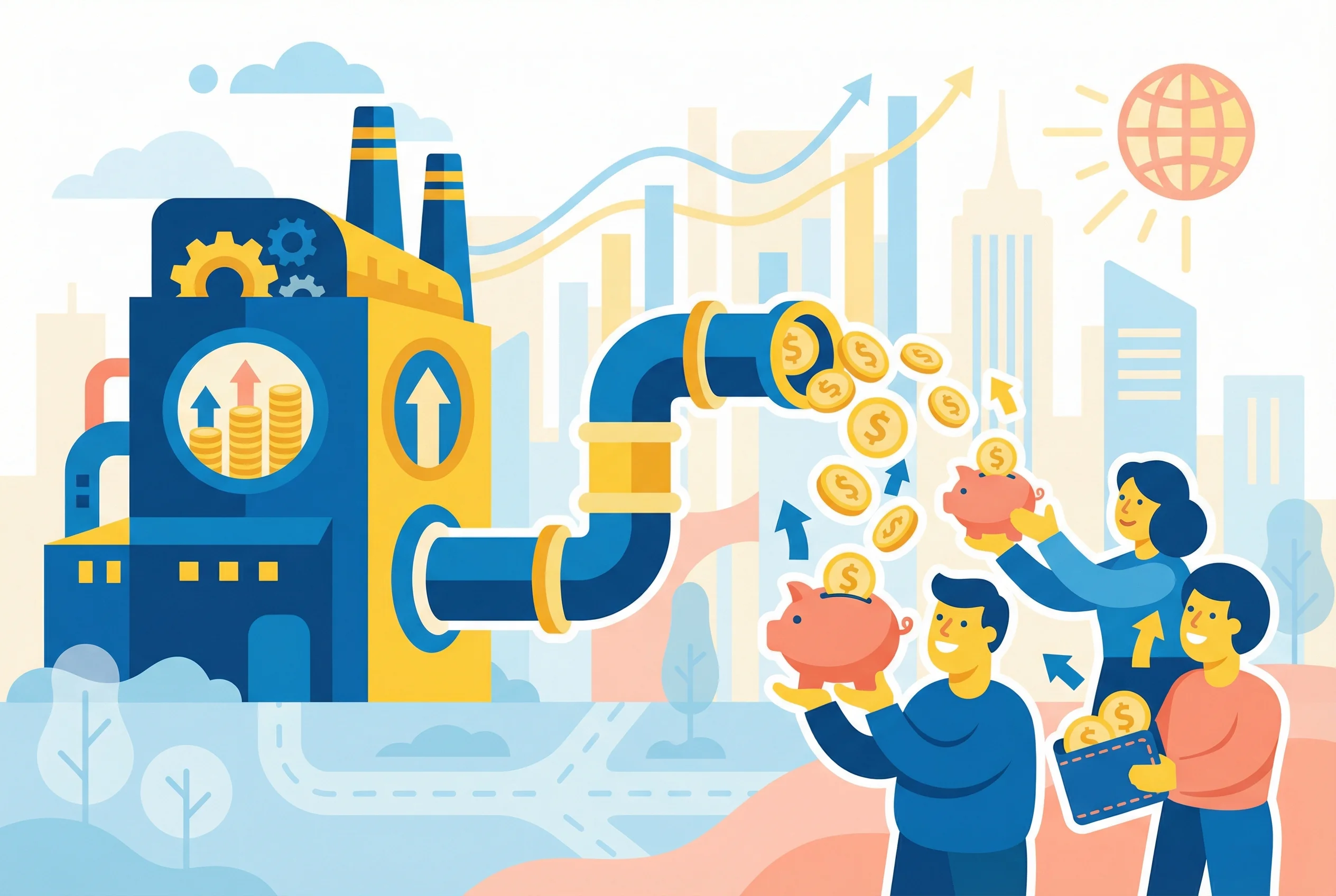
Why do companies buy back stock? Because buying "itself" is not as strange as it sounds. A public company is divided into shares, and a buyback removes some of those slices from the table. If the business is the same pizza and there are fewer slices, each remaining slice represents a bigger fraction. That does not automatically make the pizza better, but it changes who owns how much of it, how earnings per share look, and how cash gets returned to shareholders. This is a mechanics explainer, not investment advice.
TL;DR
A stock buyback is a company repurchasing its own shares, usually with cash. The basic effect is fewer shares outstanding, so each remaining share owns a larger percentage of the company and earnings per share can rise even if total profit does not. Companies use buybacks for capital return, flexibility, offsetting dilution, and sometimes EPS optics; whether a buyback is good depends heavily on price and context.
Short answer: Companies buy back stock to return cash to shareholders without committing to a recurring dividend, reduce the share count, offset stock-based compensation dilution, or signal that management thinks the stock is attractive. The catch is simple: a buyback concentrates ownership; it does not create business value by magic. Buying shares cheaply can help remaining owners. Buying them expensively can waste cash.
Curious? Try one 👇
Why is the sky blue?
Jump into the daily quiz →The pizza-slice version
Imagine a company worth $1,000 split into 100 shares. Each share is a 1% slice. If the company uses spare cash to buy back 20 shares and retires them, 80 shares remain. You did not receive cash if you kept your share, but your one share is now 1.25% of the company instead of 1%. The ownership fraction changed because the denominator changed.
The same denominator trick explains earnings per share. If a company earns $100 and has 100 shares, EPS is $1. If it still earns $100 but has 80 shares after a buyback, EPS is $1.25. That can look like growth even when the business did not earn more total dollars. This is why buybacks can be perfectly reasonable capital allocation and also a source of optics. Both can be true at once.
The SEC's own rulemaking history lists legitimate reasons companies may repurchase stock, including having shares available for dividend reinvestment or employee plans, or reducing outstanding capital stock after selling an operating division. The same release also notes that issuers may prefer repurchases to dividends as a way of returning capital (SEC Rule 10b-18 release).

Why buybacks instead of dividends?
Dividends are clear: the company sends cash to shareholders. The downside is expectation. Once a company establishes a dividend, cutting it can be read as weakness. A buyback is more flexible. A board can authorize a program, use some of it, pause it, or let it run opportunistically. Apple, for example, says its repurchase programs do not obligate it to acquire a minimum amount of shares (Apple 2025 Form 10-K).
Buybacks also let shareholders choose. If you sell into the buyback, you turn shares into cash. If you do not sell, your ownership fraction can rise. That choice is different from a dividend, where everyone receives a payment on the declared date. This is not a moral ranking. It is a machine with different levers.
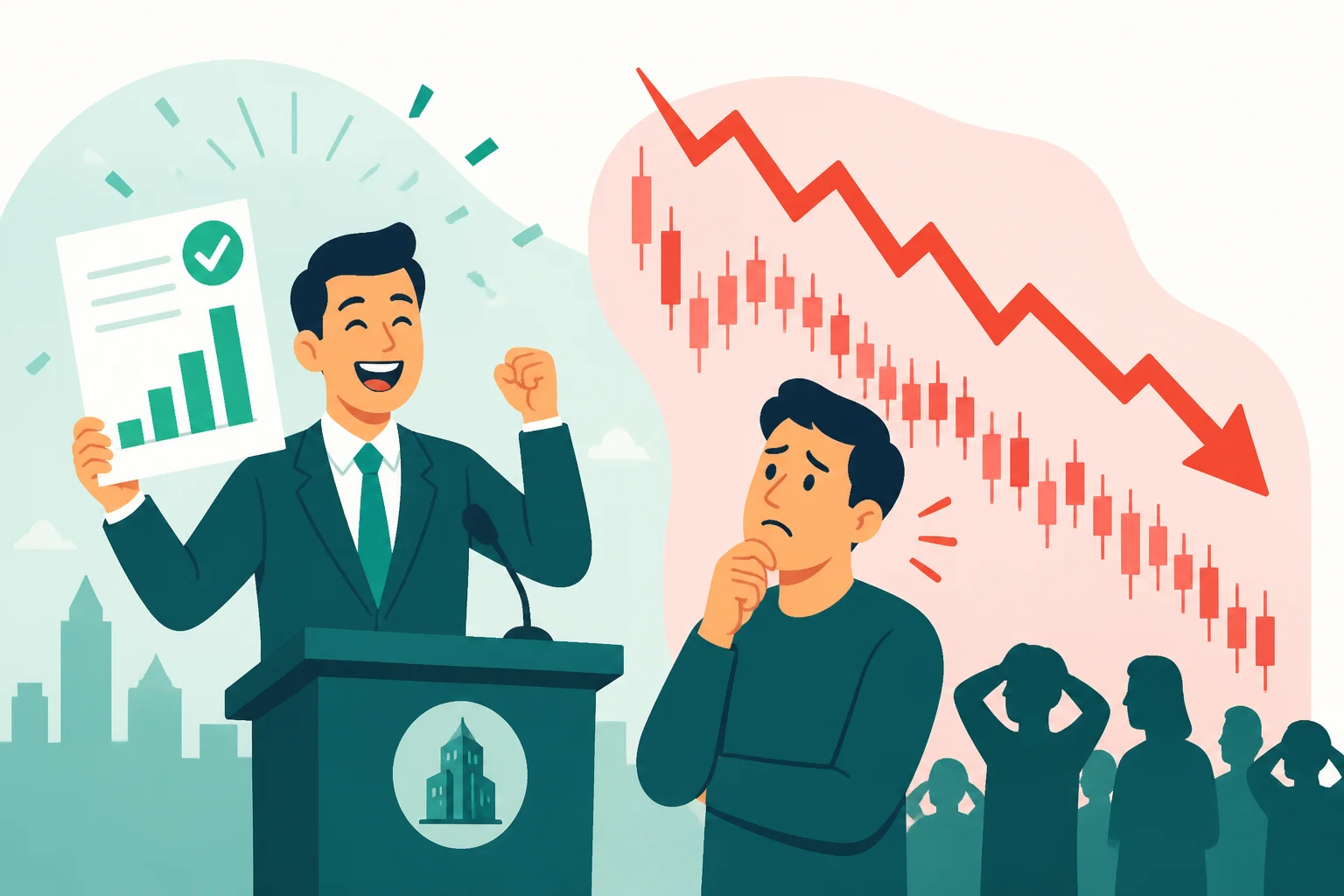
The honest criticism is that the machine can flatter per-share numbers. If management compensation or investor attention is tied to EPS, reducing the share count can make the scoreboard look better without improving the factory, software, brand, or customer demand underneath. That does not make every buyback bad. It means the first question should be "what price did the company pay, and what else could the cash have done?"
The history twist: Rule 10b-18
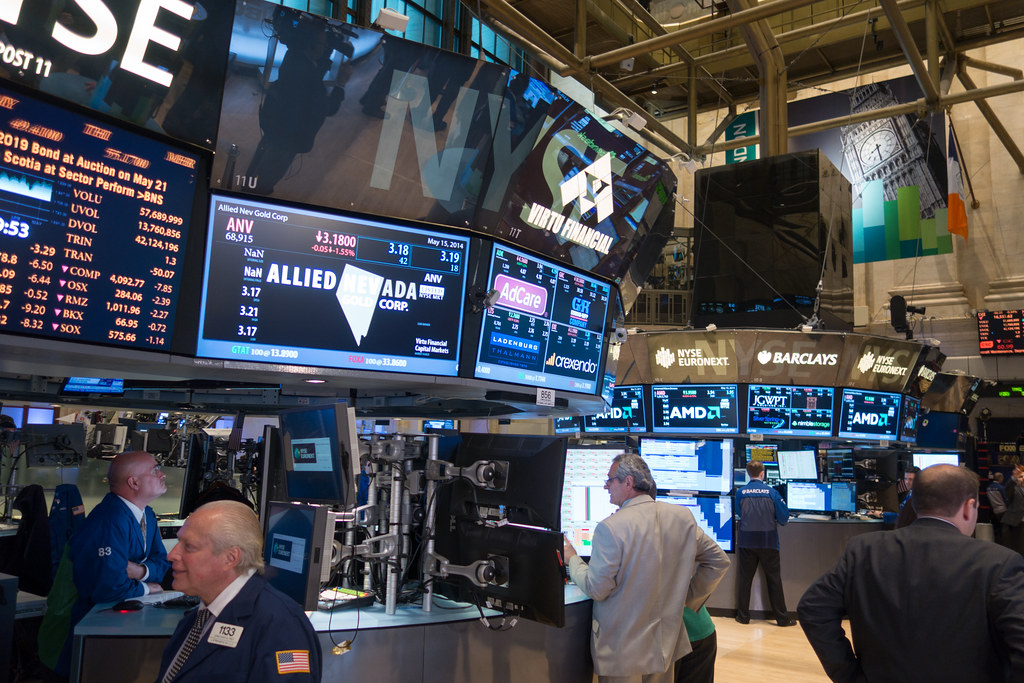
Large open-market buybacks sit near an obvious tension. If a company is in the market buying its own shares, could it push the price around? The SEC framed this concern directly: because repurchases could affect an issuer's market price, companies could face claims that repurchases were manipulative even when they were not intended to move the market. Rule 10b-18 addresses that problem (SEC).
The key date is 1982. The SEC says it adopted Rule 10b-18 in 1982 to provide a safe harbor from manipulation liability when issuers repurchase common stock in accordance with manner, timing, price, and volume conditions. That is the "wait, it used to be legally touchier?" payoff. The rule did not make buybacks magically safe in every situation. It gave companies a path: follow these conditions and reduce the risk that the act of buying your own stock is treated as market manipulation.
The four conditions are practical. The manner condition limits how purchases are routed. The timing condition keeps issuers out of sensitive opening and closing periods. The price condition keeps the issuer from leading the market with an above-market bid. The volume condition limits daily purchases, with the SEC release describing a 25% average daily trading volume limit under the then-current rule. In plain English: if you are going to buy yourself, do it in a way that looks like a normal market participant, not a giant thumb on the scale.

Apple makes the scale visible
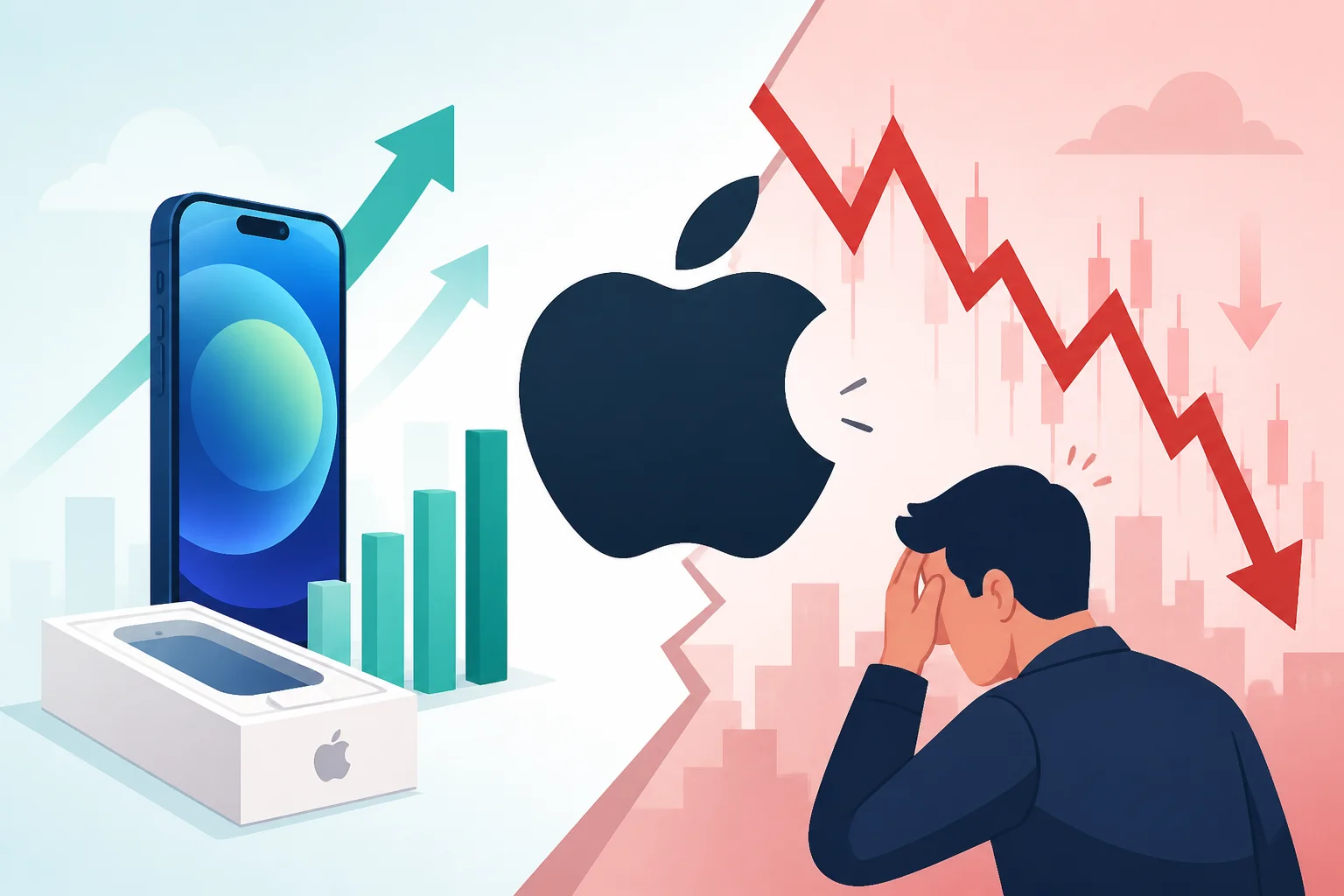
Apple is a useful example because the numbers are large enough to make the abstraction visible. In a May 2024 SEC-filed press release, Apple said its board authorized an additional program to repurchase up to $110 billion of common stock and declared a quarterly cash dividend of $0.25 per share (Apple May 2024 release filed with SEC). In its 2025 Form 10-K, Apple reported that during 2025 it repurchased 402 million shares for $89.3 billion and paid dividends and dividend equivalents of $15.4 billion.
Notice the wording: up to, not must. A buyback authorization is a ceiling, not a promise to spend the whole amount tomorrow. That is why buybacks are flexible from the company's point of view and hard to interpret from the outside. The announcement tells you the board is willing to use cash this way. The later filings tell you what actually happened.
The Apple example also shows that buybacks and dividends can coexist. They are two capital-return tools, not rival religions. The interesting part is the allocation decision: how much cash goes to operations, research, acquisitions, debt reduction, dividends, and repurchases? The buyback itself is only one branch in that decision tree.
What people usually miss
The missing sentence is this: buybacks do not create value; they concentrate value. If the company pays less than the shares are worth, remaining owners can benefit. If it pays too much, the company has converted useful cash into overpriced shares. The mechanism is neutral. The price paid is the verdict.
There is one more quiet detail: the seller and the holder experience the same program differently. The seller chooses cash now. The holder accepts more exposure to the company's future, good or bad. A buyback is not one event emotionally; it is two different decisions meeting in the market.
That is why the best mental model is not "buybacks are good" or "buybacks are bad." It is "what changed?" Did the share count fall? Did the business improve? Was the stock cheap or expensive relative to future cash flows? Was the buyback offsetting employee stock dilution, or meaningfully reducing the float? Was the company still investing enough in the actual engine? Curiosity does better with machines than slogans. Once you can see the machine, the argument gets less theatrical.

Related videos
What it means to buy a company's stock | Khan Academy
Unpacking Stock Buybacks | J.P. Morgan
FAQ
Do stock buybacks make a company more valuable?
Not by themselves. A buyback reduces the share count and can increase each remaining share's ownership percentage. Value depends on whether the company paid a sensible price and whether the underlying business keeps producing cash.
Are buybacks better than dividends?
They are different tools. Dividends distribute cash directly and create a recurring expectation. Buybacks are more flexible and affect shareholders differently depending on whether they sell or keep their shares.
Why did Rule 10b-18 matter?
Rule 10b-18 gave issuers a safe harbor from manipulation liability if they bought back common stock under manner, timing, price, and volume conditions. It mattered because a company buying its own stock can otherwise look like it is influencing its market price.
Can buybacks be used to boost EPS?
Yes. If net income stays the same and the share count falls, earnings per share rises arithmetically. That can be a fair result of returning excess cash, or it can become an optics problem if the business itself is not improving.
What does this have to do with AIgneous Million Whys?
MillionWhys is built for exactly this kind of half-known question: a phrase you see in headlines, a mechanism that feels counterintuitive, and the satisfying closure that comes from understanding the machine underneath. One answer often opens the next better question.
Keep reading
Sources
SEC: Rule 10b-18 and Purchases of Certain Equity Securities by the Issuer and Others
Apple 2025 Form 10-K filed with the SEC
Apple May 2024 press release filed with the SEC
Curious? Try one 👇