Why do your fingers turn pruney in the bath while the rest of you stays smooth? Why does your brain wait until you are asleep to take out its own trash? These interesting facts about the human body cover the quirks, reflexes and hidden systems you carry around all day — guess each answer first, then tap to find out why.
Weird Facts About the Human Body You Can’t Unlearn
AImprove grip and touch sensitivity
✓Correct! Fingerprints serve two main functions. The ridges increase friction, improving grip on objects by channeling away moisture like tire treads. More, they amplify vibrations from textures you touch. The ridges create pressure variations that stimulate mechanoreceptors in the skin, giving you enhanced tactile sensitivity. They form in the womb as dermal papillae create unique patterns.
BTo regulate temperature
✗Wrong. Fingerprints don't regulate temperature. They evolved to enhance grip by channeling moisture and improve touch sensitivity by creating dermal ridges that amplify texture vibrations.
CTo protect finger bones
✗Wrong. Fingerprints don't protect bones. These dermal ridges enhance grip through increased friction and moisture channeling, plus improve touch sensitivity by amplifying vibrations to mechanoreceptors.
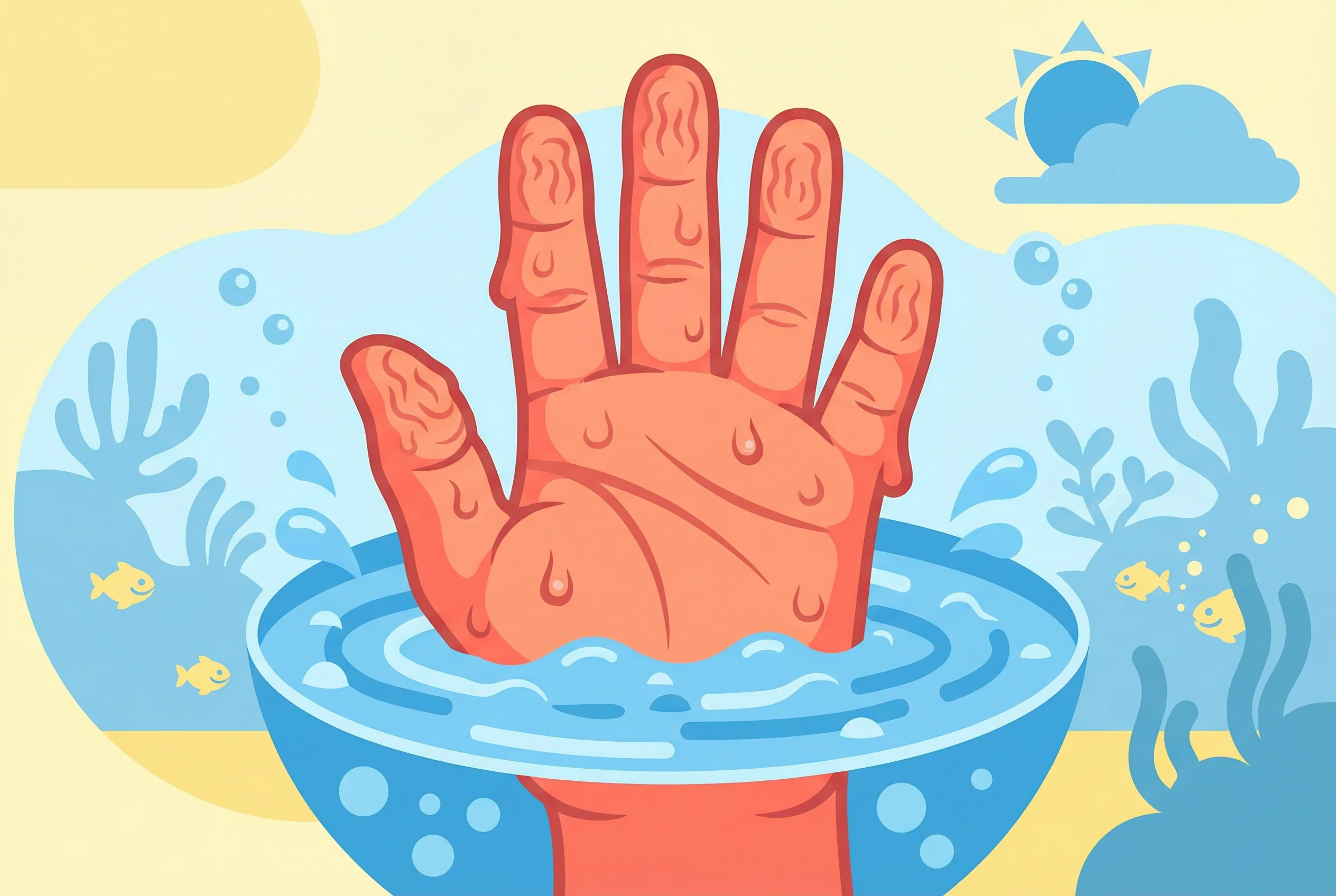
ANervous system creates grip
✓Correct! Pruney fingers aren't passive water absorption—your nervous system triggers it! The wrinkles improve grip on wet objects, like tire treads. People with nerve damage don't get wrinkly fingers. It's an evolved adaptation!
BBlood leaves fingertips
✗Wrong. Blood flow isn't reduced. The wrinkles are caused by blood vessel constriction controlled by nerves.
COils wash away
✗Wrong. Oils washing away would cause dryness, not wrinkles. The nervous system actively creates the pattern.
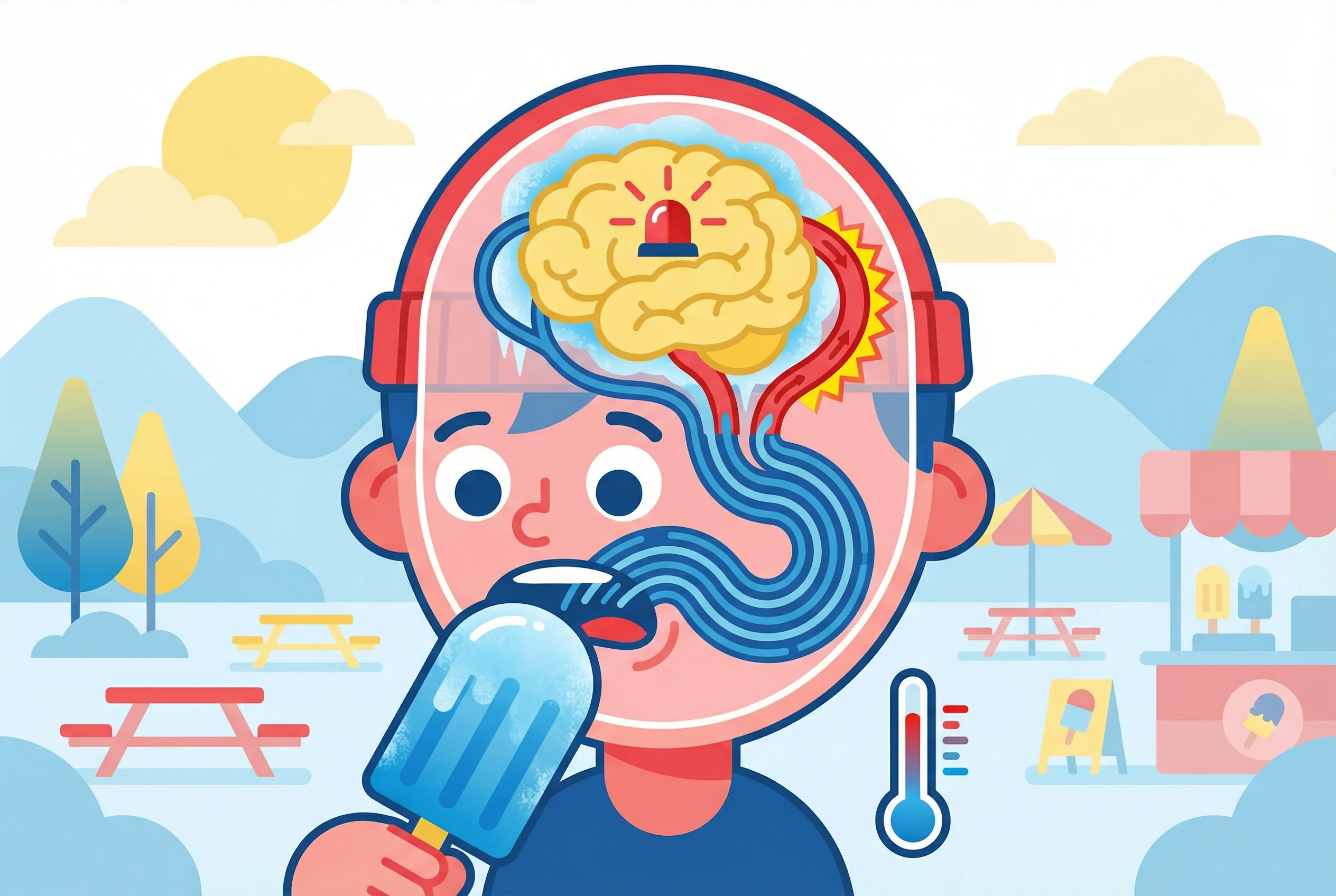
AIce cream numbs nerves
✗Wrong. Nerves aren't numbed—they're actually overstimulated by rapid temperature change.
BBlood vessels rapidly change
✓Correct! Cold food touching the roof of your mouth causes blood vessels to rapidly constrict then dilate. This triggers pain receptors. Your brain interprets this as head pain. Pressing your tongue to the roof of your mouth can help!
CCold damages brain cells
✗Wrong. No brain damage occurs. It's a temporary pain response from blood vessel changes in your mouth.
ATendons snap over bones
✗Wrong. While tendons can make sounds, the classic knuckle crack comes from gas bubbles.
BGas bubbles pop in fluid
✓Correct! Joints contain fluid with dissolved gases. Stretching the joint lowers pressure, causing gases to form a bubble that quickly collapses—pop! You must wait for gas to redissolve before cracking again. Studies show it doesn't cause arthritis!
CCartilage is breaking down
✗Wrong. Cracking isn't cartilage damage. It's harmless gas bubble popping in joint fluid.
ALoss of natural oils
✗Wrong. Water does wash away oils, but wrinkles form from nerve-controlled blood vessel constriction, not just oil loss.
BNervous system causes constriction
✓Correct! Wrinkled fingers aren't passive water absorption—they're active nervous system response! Blood vessels in fingertip/toe skin constrict under autonomic control, pulling skin inward and creating wrinkles. Evidence: nerve damage prevents wrinkling. Purpose: improved grip on wet objects (like tire treads). Evolutionary advantage for handling wet items!
COsmosis draws water out
✗Wrong. Osmosis would work opposite direction. Wrinkles are active nerve-controlled vasoconstriction creating grip-enhancing treads, not passive water movement.
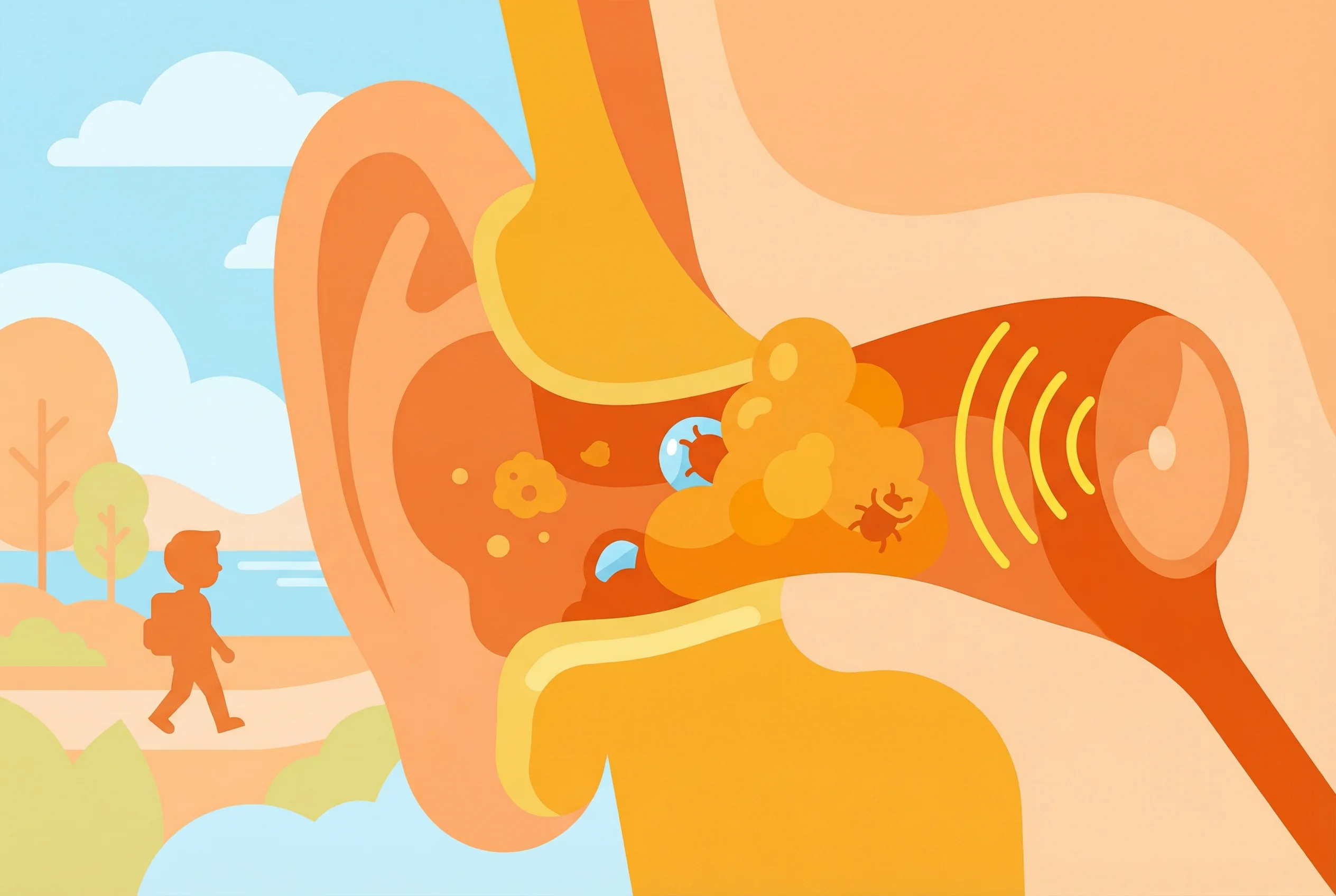
AProtects ear from dust and germs
✓Correct! Earwax (cerumen) is produced by glands in the ear canal. It traps dust, dirt, and germs, preventing them from reaching the eardrum. It also keeps the ear canal moisturized and has antibacterial properties.
BLeftover from ear development
✗Wrong. Earwax is actively produced throughout life, not a leftover from development. It serves an important protective function.
CResult of ear infections
✗Wrong. Earwax is normal and healthy, not a result of infection. It actually helps prevent infections by trapping harmful particles.
Cool Facts About the Human Body: Why It Does What It Does
AReleasing germs via exhaled carbon dioxide
✗Not quite. Carbon dioxide is a gas and does not carry germs. Germs are carried in moisture droplets expelled during coughs. In fact, regular breathing spreads far fewer germs than a single cough, which propels droplets at high speed.
BMixing germs with saliva for better spread
✗Almost! Saliva does contain germs, but the key mechanism is the high-speed airflow from the lungs. A cough involves a deep breath and violent contraction of abdominal muscles, propelling droplets at over 100 km/h, far beyond simple mixing.
CExpelling infectious droplets into the air
✓That's right! Coughing uses your diaphragm and chest muscles to forcefully expel air, carrying tiny germ-filled droplets. These droplets can travel up to 2 meters and linger in the air, making inhalation by others likely.
AExpulsion of airway irritants
✓Yes! When an irritant touches sensitive nerve endings in the airways, they send signals to the brainstem which coordinates a cough. This explosive expulsion clears the threat. Fun fact: even dust in your ear can trigger a cough via the Arnold's nerve.
BLow blood oxygen levels
✗Almost. Low oxygen does not directly cause coughing. Instead, low oxygen triggers gasping or hyperventilation, not the coordinated cough reflex. Coughing is specifically designed to remove physical irritants from the airways.
CVoluntary throat clearing
✗Not exactly. Coughing is typically an involuntary reflex, though you can partially suppress or mimic it. The reflex is controlled by the brainstem without conscious thought. In fact, voluntary coughing uses different brain pathways than reflex coughing.
ATo spread tears and keep eyes moist and clean
✓Correct! Each blink spreads a thin layer of tears across the cornea, keeping it lubricated and washing away dust and microorganisms. Without blinking, our eyes would dry out in seconds and become vulnerable to infection and damage.
BTo exercise the eye muscles and prevent weakness
✗Wrong. While blinking does involve eye muscles, this is not its primary purpose. The muscles around our eyes are already constantly active for eye movements and focusing. Blinking serves the critical function of maintaining eye moisture and cleanliness.
CTo reset our vision like refreshing a camera lens
✗Wrong. Our vision does not need 'resetting' like a device. Between blinks, our brain maintains continuous visual perception. Blinking is actually so fast (100-150 milliseconds) that our brain fills in the gap, so we do not notice the darkness during each blink.
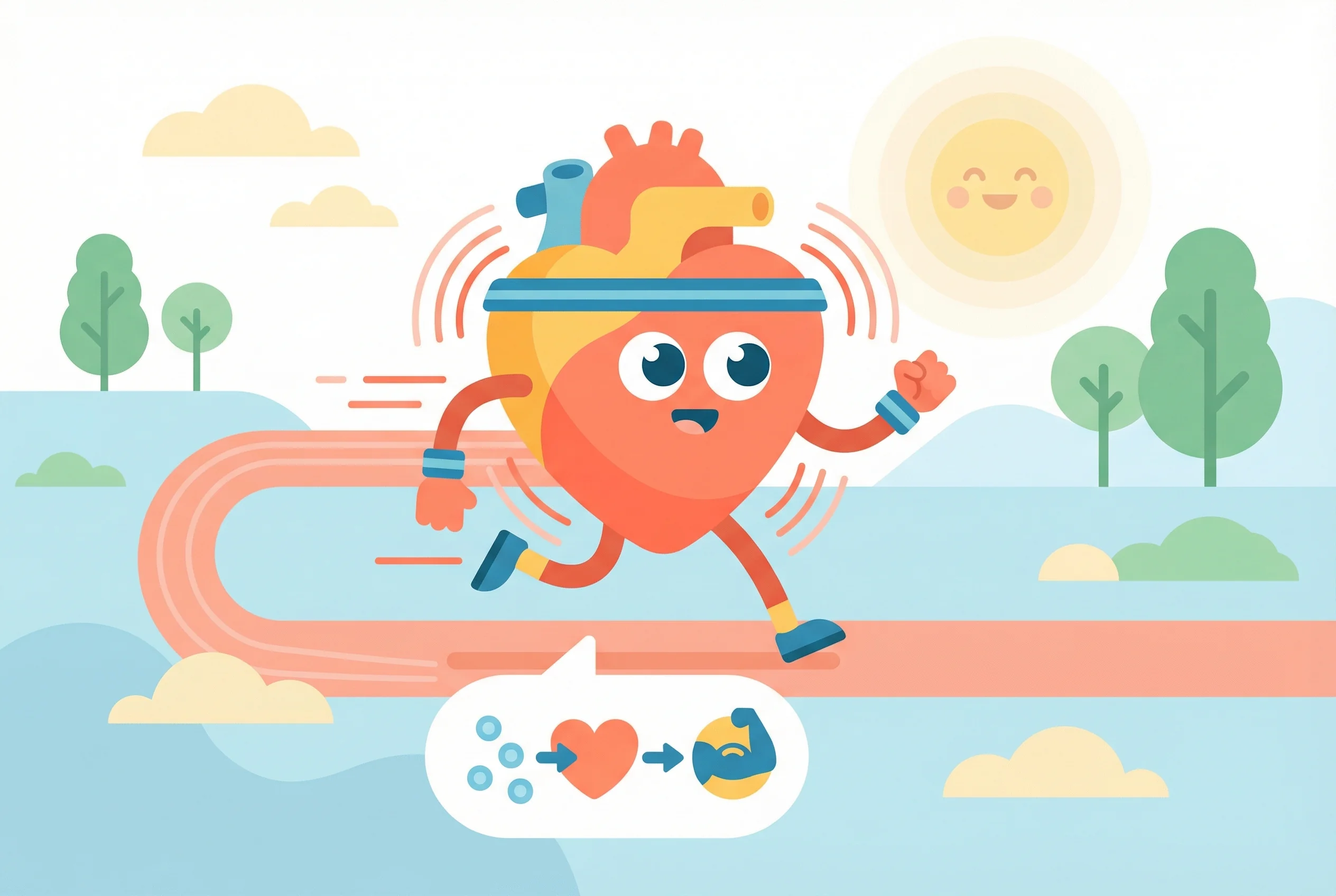
ATo deliver more oxygen to muscles
✓Correct! During exercise, your muscles need more oxygen to produce energy. Your heart beats faster to pump oxygen-rich blood to muscles more quickly. The sympathetic nervous system releases adrenaline, which increases heart rate. Working muscles also produce carbon dioxide that must be removed. Your heart rate can double or triple to meet these demands!
BHeart muscles need warming up
✗Wrong. The heart doesn't beat faster to warm itself up—it's already continuously working. The increased rate is driven by your muscles' oxygen demands, not by the heart's own needs.
CTo remove sweat faster
✗Wrong. Sweat is produced by sweat glands, not the heart. Heart rate increases to pump oxygen-rich blood to muscles and remove metabolic waste like carbon dioxide.
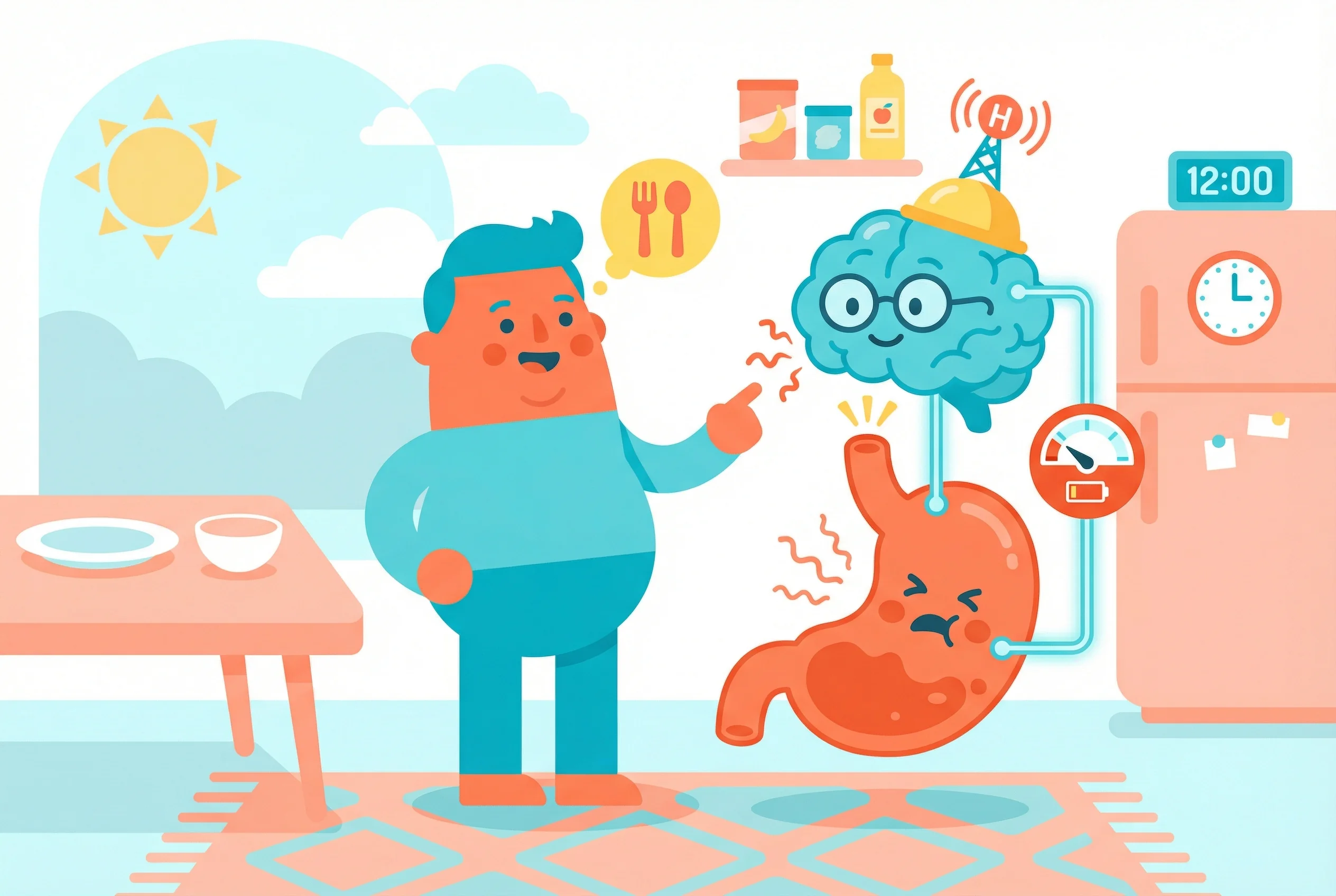
ABlood sugar drops trigger brain
✓Correct! Hunger is controlled by your brain, not your stomach. When blood sugar levels drop, your brain detects this change. It releases hormones like ghrelin that signal hunger. Your stomach may growl, but that's just movement, not emptiness. This system ensures your body gets energy before reserves run too low.
BDigestive system needs work
✗Wrong. The digestive system doesn't need to work constantly. Hunger signals come from the brain detecting low blood sugar, not from the digestive system needing activity.
CBody temperature decreases
✗Wrong. While body temperature affects metabolism, hunger is primarily triggered by the brain detecting drops in blood sugar levels, not temperature changes.
ABrain signals stimulate tear glands
✓Correct! Emotional crying follows a neural pathway: the limbic system (which processes emotions) sends signals to the lacrimal nucleus in the brainstem. Parasympathetic nerve impulses then travel to the lacrimal glands, stimulating tear production. This is how strong emotions—sadness, joy, frustration—can trigger tears automatically.
BEyes need cleaning when upset
✗Wrong. Cleaning is what reflex tears do (blinking spreads them). Emotional tears come from neural signals—your limbic system tells your tear glands to produce tears through the parasympathetic nervous system.
CBody temperature rises too high
✗Wrong. Body temperature doesn't trigger crying. Emotional tears result from brain signals traveling from the limbic system through the brainstem to stimulate the lacrimal glands.
Fun Facts About Sleep and Why Your Brain Needs It
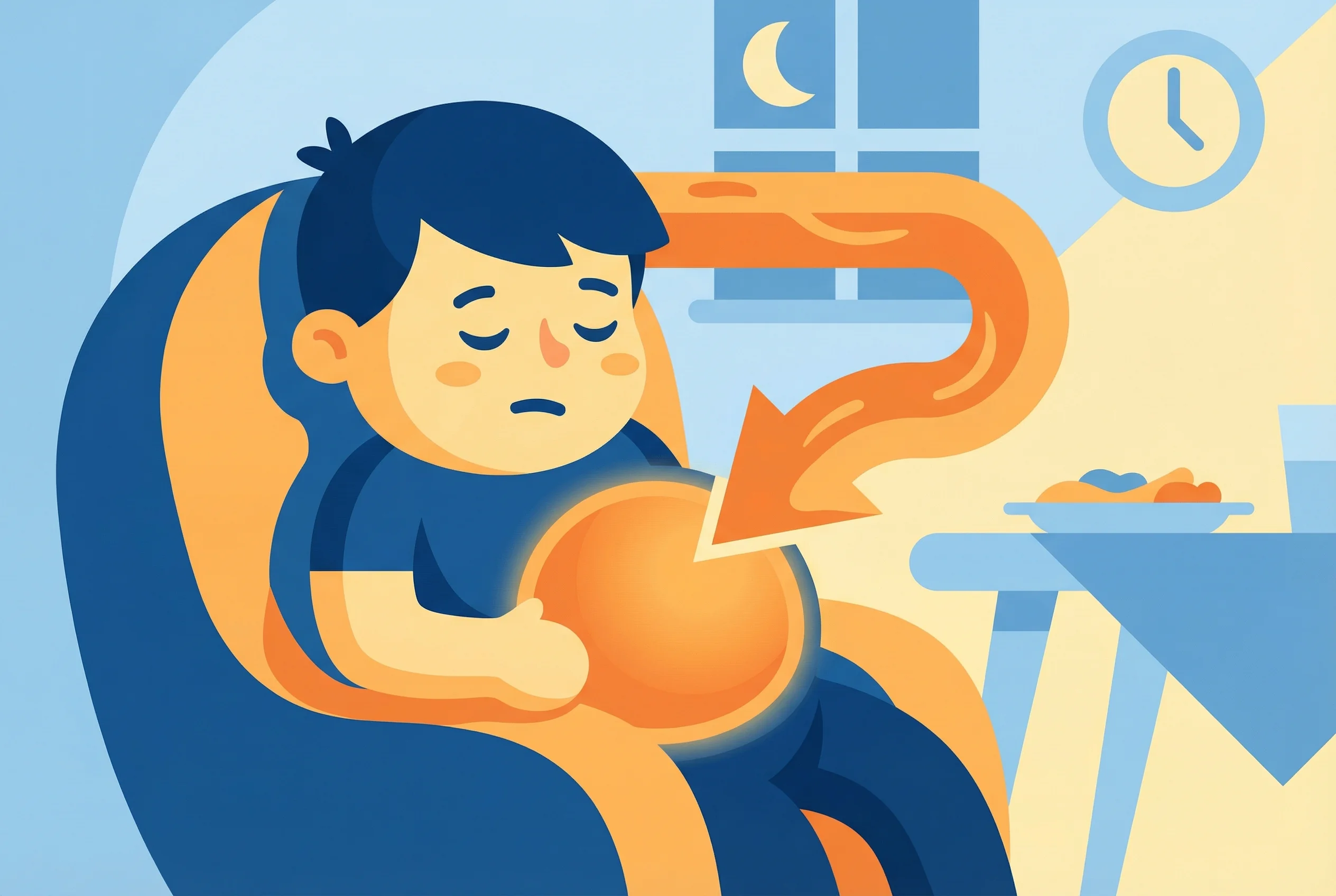
AHormones and brain chemicals shift
✓Correct! After eating, your body releases insulin to process glucose. This triggers tryptophan to enter the brain, where it converts to serotonin and melatonin - chemicals that promote sleep. Orexin levels also drop. Large meals, especially with carbs, amplify this effect. This is why you feel drowsy after lunch, often called a 'food coma'.
BBody temperature rises
✗Wrong. Body temperature does rise slightly during digestion, but post-meal drowsiness is caused by hormonal changes - particularly increased serotonin and melatonin production after insulin release.
CToo much oxygen used
✗Wrong. Oxygen use doesn't cause post-meal fatigue. Sleepiness comes from hormonal shifts - insulin triggers tryptophan conversion to serotonin and melatonin in the brain.
ASleep consolidates memories and clears brain waste products
✓Correct! During sleep, especially slow-wave and REM sleep, the brain replays and strengthens neural connections formed during learning, transferring information from temporary to long-term storage. Sleep also activates the glymphatic system, which flushes out metabolic waste like beta-amyloid that can impair cognitive function. Studies show that people who sleep after learning retain 20-40% more information than those who stay awake.
BSleep increases blood sugar levels for brain energy
✗Wrong. While sleep does help regulate metabolism, blood sugar levels actually decrease during sleep, not increase. The brain's improved performance after sleep is not due to higher glucose availability, but rather to memory consolidation processes and waste removal that occur specifically during sleep stages. In fact, the brain uses less energy during sleep than when awake.
CSleep grows new brain cells that store information
✗Wrong. Adult human brains produce very few new neurons (neurogenesis), and this limited process occurs mainly in specific regions like the hippocampus, not throughout the brain. Sleep does not significantly increase new brain cell growth. Instead, sleep strengthens existing neural connections through a process called synaptic consolidation, where important connections are reinforced and less important ones are pruned away.
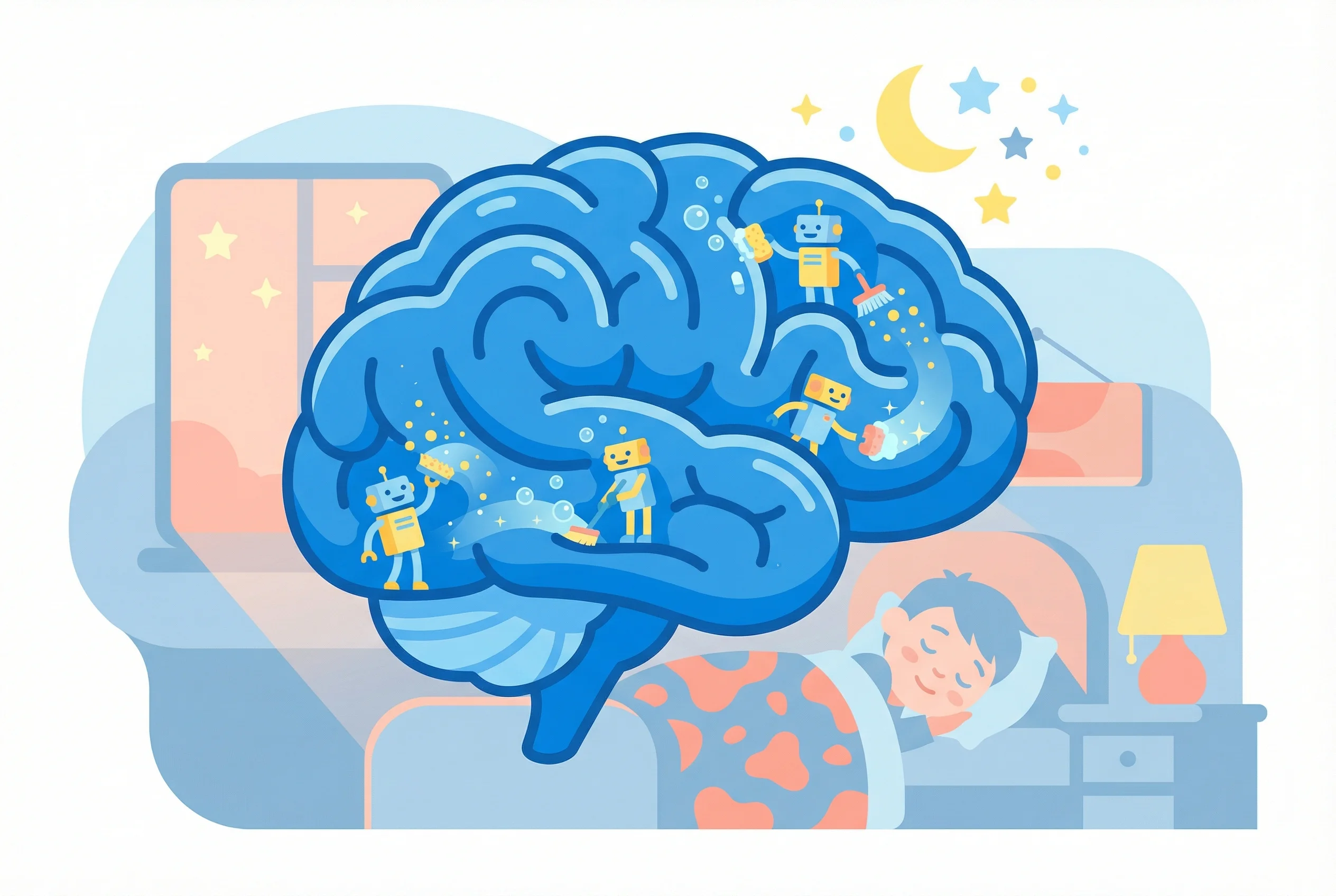
ABrain cells are too tightly packed, blocking fluid flow
✓Correct! During sleep, brain cells shrink by about 60%, creating channels for cerebrospinal fluid to rush through and wash away toxic proteins like beta-amyloid. When awake, cells are swollen and tightly packed, leaving almost no space for this cleaning process. It's like trying to mop a crowded room versus an empty one.
BThe cleaning fluid only gets produced during sleep
✗Wrong. Cerebrospinal fluid is produced continuously throughout the day and night by structures called choroid plexuses in the brain. The fluid itself is always present, but during wakefulness, there simply isn't enough space between brain cells for it to flow efficiently and perform its cleaning function.
CBlood pressure is too high to allow gentle cleaning
✗Wrong. While blood flow patterns do change between sleep and wakefulness, blood pressure is not the limiting factor for brain cleaning. The glymphatic system uses cerebrospinal fluid, not blood, for waste removal. The key issue is physical space, as awake brain cells occupy too much volume for fluid to circulate properly through brain tissue.
AThe brain cannot clean out toxic waste proteins without sleep
✓Correct! During sleep, the glymphatic system activates and brain cells shrink by 60%, creating space for cerebrospinal fluid to wash away toxic proteins like beta-amyloid that build up during waking. Without this 'brain wash', these toxins accumulate, causing foggy thinking and over time may contribute to diseases like Alzheimer's. This is why even one night of poor sleep affects memory and focus.
BThe brain runs out of glucose energy from food
✗Wrong. While the brain does use glucose for energy, it continues receiving glucose from the bloodstream whether you sleep or not. The 'foggy' feeling is not from energy shortage but from toxic protein buildup. Your brain has enough fuel but cannot operate efficiently when cluttered with metabolic waste that should have been cleared during sleep.
CBrain cells shrink from dehydration during waking hours
✗Wrong. Brain cells do not shrink from dehydration during normal waking hours. In fact, the opposite happens: during sleep, brain cells intentionally shrink to allow fluid circulation for waste removal. The foggy feeling comes from accumulated toxic proteins, not cell dehydration. Your body maintains brain hydration throughout the day through normal fluid intake.
AWaking up from deep sleep disrupts brain chemistry
✓Correct! When you nap over 90 minutes, you enter deep sleep. Waking during this stage disrupts neurotransmitters like serotonin and causes sleep inertia, leading to headaches and grogginess.
BYour pillow becomes too warm during long naps
✗While temperature can affect sleep comfort, pillow warmth is not a primary cause of post-nap headaches. The real culprit is waking from deep sleep stages.
CAfternoon sunlight triggers migraines through windows
✗Sunlight can trigger migraines in some people, but this isn't the main reason long naps cause headaches. The primary issue is sleep cycle disruption and brain chemistry changes.
ASleep activates the brain's waste-removal system that flushes toxic proteins
✓Correct! During sleep, the glymphatic system expands the spaces between brain cells and flushes out beta-amyloid proteins and other metabolic waste. These toxic proteins accumulate during waking hours and, if not cleared regularly, form the plaques characteristic of Alzheimer's disease. This is why consistent, quality sleep is crucial for long-term brain health.
BSleep deprivation causes permanent shrinkage of memory neurons
✗Wrong. While chronic sleep deprivation does affect brain structure and can reduce the volume of certain regions, it does not cause 'permanent shrinkage' of specific memory neurons. The primary Alzheimer's risk comes from the accumulation of toxic proteins that aren't cleared away, not from neuron shrinkage itself.
CLack of sleep triggers genetic mutations that damage brain cells
✗Wrong. Sleep deprivation does not trigger genetic mutations. Alzheimer's can have genetic components, but lack of sleep affects the brain through biochemical processes, specifically the failure to clear toxic protein buildups. The risk increase is due to accumulated waste products, not DNA damage or mutations.
Human Body Trivia About Your Senses
ATwo eyes use less brain power
✗Wrong. Two eyes actually require MORE brain processing, not less! Your brain must combine two slightly different images into one coherent view. This extra work is worth it for depth perception.
BTo see depth and distance
✓Correct! Each eye sees from a slightly different angle. Your brain combines these views to create depth perception—judging how far away objects are. This stereoscopic vision was important for our ancestors hunting and avoiding predators!
CTwo eyes see more colors
✗Wrong. Color vision works the same with one or two eyes. Depth perception requires two viewpoints.
AClearing static from eyelashes
✗Wrong. Blinking has nothing to do with static electricity. Its purpose is to spread tears across the eye surface, keeping it lubricated and removing debris.
BSpreading tears keeps eyes moist
✓Correct! Blinking spreads tears across the eye's surface, keeping it moist and removing dust, debris, and dead cells. Without blinking, eyes would dry out and become damaged. We blink about 15-20 times per minute automatically.
CProtecting from bright lights
✗Wrong. While closing eyes protects from bright light, that's not why we blink regularly. Blinking's main function is eye lubrication.
AThe auditory nerve generates spontaneous electrical signals
✓Correct! Even without external sound, the hair cells in your cochlea and auditory nerve maintain baseline electrical activity. In silence, your brain amplifies these weak signals, making them perceptible as a faint ringing or buzzing. This phenomenon, called tinnitus, affects about 10-15% of people and is the brain's way of 'turning up the volume' when there's nothing to hear.
BAir pressure changes inside the ear create vibrations
✗Wrong. While air pressure changes can affect hearing (like when flying), they don't cause the persistent ringing heard in silence. The Eustachian tube equalizes pressure, and pressure changes would cause a feeling of fullness or popping, not a continuous tone. The ringing comes from neural activity, not mechanical vibrations.
CTiny insects are moving inside the ear canal
✗Wrong. This is a common fear but not the cause of tinnitus. Any insect in the ear canal would create irregular scratching sounds and physical discomfort, not a steady tone. The smooth, consistent ringing characteristic of tinnitus originates from the auditory nerve and brain, not from any physical object in the ear.
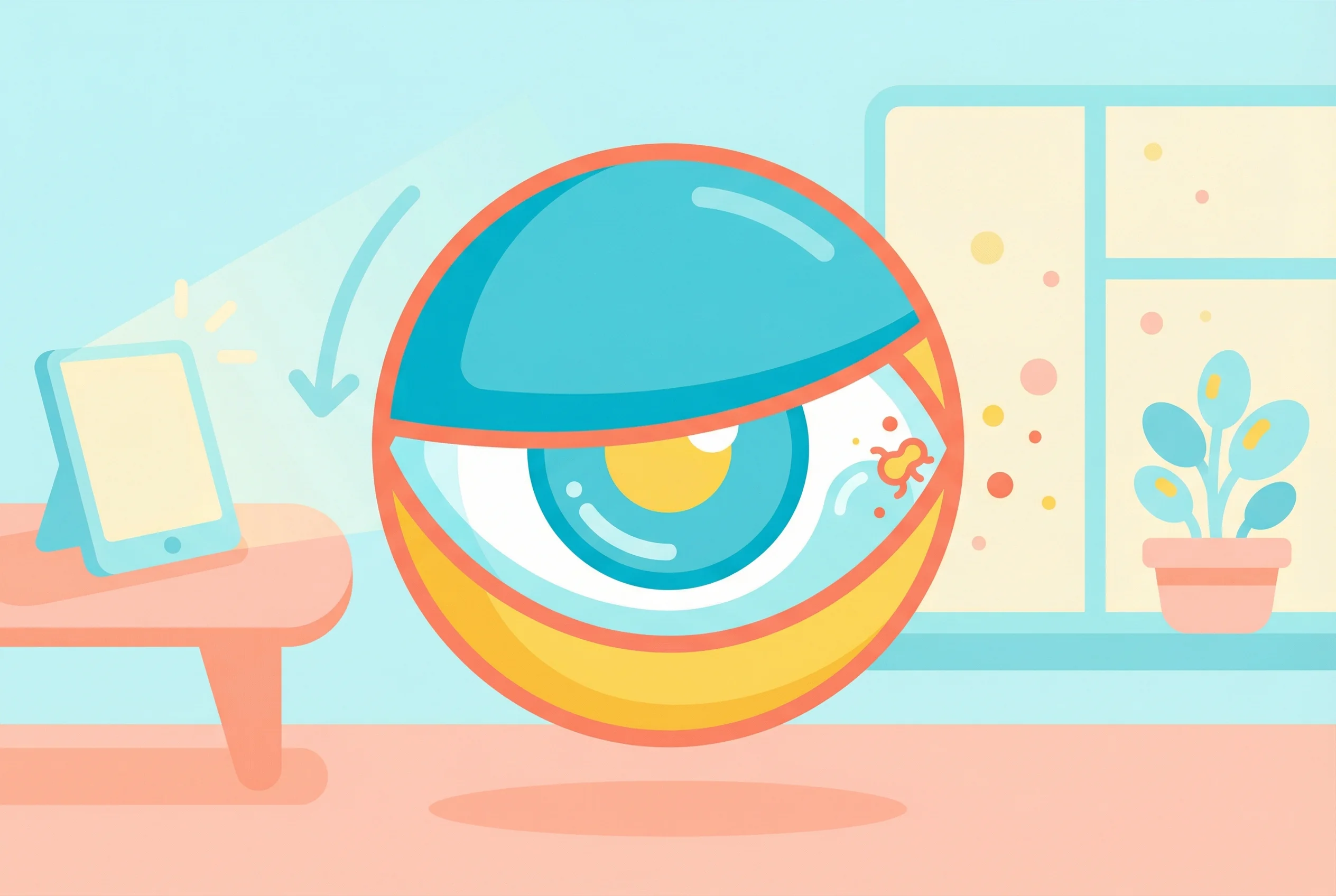
ATheir visual cortex neurons fire too actively, creating false signals
✓Correct! Visual snow syndrome results from hyperexcitable neurons in the visual cortex that fire spontaneously, creating constant visual 'noise'. This neurological condition means the brain's visual processing centers generate false signals even when no actual visual stimulus is present, similar to how tinnitus creates phantom sounds.
BDust particles floating on the surface of their eyeballs scatter light
✗Wrong. While floaters (debris in the eye's vitreous fluid) can create moving spots in vision, they do not cause the persistent, static-like overlay of visual snow. Visual snow appears uniformly across the entire visual field and does not move with eye position, indicating a brain processing issue rather than an eye structure problem.
CTheir eye lenses have microscopic cracks that diffract incoming light
✗Wrong. Lens imperfections like cataracts can blur vision or create halos around lights, but cannot produce the dynamic, pixelated static effect of visual snow. The constantly flickering nature of visual snow points to neurological activity rather than optical defects, as physical lens damage would create stable, not changing, visual distortions.
AMucus blocks the Eustachian tube connecting ear to throat
✓Correct! The Eustachian tube normally allows air to flow between your middle ear and throat, keeping pressure balanced. When you have a cold, inflammation and mucus buildup can block this tube, trapping air at a different pressure inside your ear. This pressure difference makes your ear feel full or muffled, and can even cause temporary hearing changes until the tube opens again.
BCold viruses directly infect the eardrum making it swell
✗Wrong. While viral infections cause inflammation in nearby tissues, cold viruses rarely directly infect the eardrum itself. The 'full' feeling comes from pressure imbalance in the middle ear space behind the eardrum, not from the eardrum swelling. The eardrum remains relatively unaffected in most common colds.
CNasal congestion reduces oxygen flow to the inner ear
✗Wrong. The inner ear receives oxygen through blood vessels, not through air passages from the nose. Nasal congestion does not reduce oxygen delivery to the ear. The blocked feeling is caused by pressure differences in the middle ear cavity, which is an air-filled space that needs the Eustachian tube to equalize pressure with the outside environment.
AYour blocked nose prevents smell, which provides most of flavor perception
✓Correct! What we call 'taste' is actually a combination of taste (detected by tongue) and smell (detected by nose). Your tongue can only detect five basic tastes: sweet, salty, sour, bitter, and umami. The complex flavors we enjoy - like the difference between a strawberry and a raspberry - come mostly from smell. When nasal congestion blocks odor molecules from reaching smell receptors, food loses most of its flavor, tasting only of basic tastes. This is why pinching your nose makes food taste different too!
BThe cold virus temporarily damages your taste buds on the tongue
✗Wrong. While this sounds plausible, cold viruses typically do not damage taste buds. Your taste buds on the tongue continue to function normally during a cold and can still detect the five basic tastes (sweet, salty, sour, bitter, umami). The bland sensation comes from blocked smell receptors in the nose, not damaged taste receptors on the tongue. In fact, if you hold your nose while eating, you will experience the same bland sensation even when healthy.
CFever raises your body temperature and dulls taste receptor sensitivity
✗Wrong. Fever does not significantly affect taste receptor sensitivity. Even with an elevated body temperature during illness, your taste buds continue functioning normally. The real reason food tastes bland is nasal congestion blocking smell receptors. Additionally, not all colds cause fever, yet people still experience reduced flavor perception whenever their nose is blocked. You can test this yourself: even without fever, pinching your nose while eating will make food taste much blander.
Frequently Asked Questions
What is the most interesting fact about the human body?
A strong candidate is that your brain only does its deep cleaning while you sleep — flushing out waste it cannot clear when you are awake. Several questions above unpack exactly how that works.
What are some weird facts about the human body?
Earwax is a self-cleaning lubricant, not just grime; your fingers wrinkle in water on purpose to grip better; and everyone’s fingerprints are unique even in identical twins. All three are in the weird-facts section.
Why does your brain feel foggy after a bad night’s sleep?
While you sleep, your brain clears out metabolic waste that builds up during the day. Skip the sleep and that waste lingers, which is the ‘fog’ you feel — the quiz above has the full version.