A science quiz for adults should not feel like a worksheet with the cartoons removed. It should feel like a set of small doors: why your heart speeds up on the stairs, why toast browns, why a microwave dislikes foil, why money earns interest, and why recycling is harder than the symbol makes it look. If you want one fresh prompt each day, start with Trivia Question of the Day; for the broader cluster, see Daily Science Quiz and Science Quiz Questions and Answers.
Science Quiz for Adults: Your Body
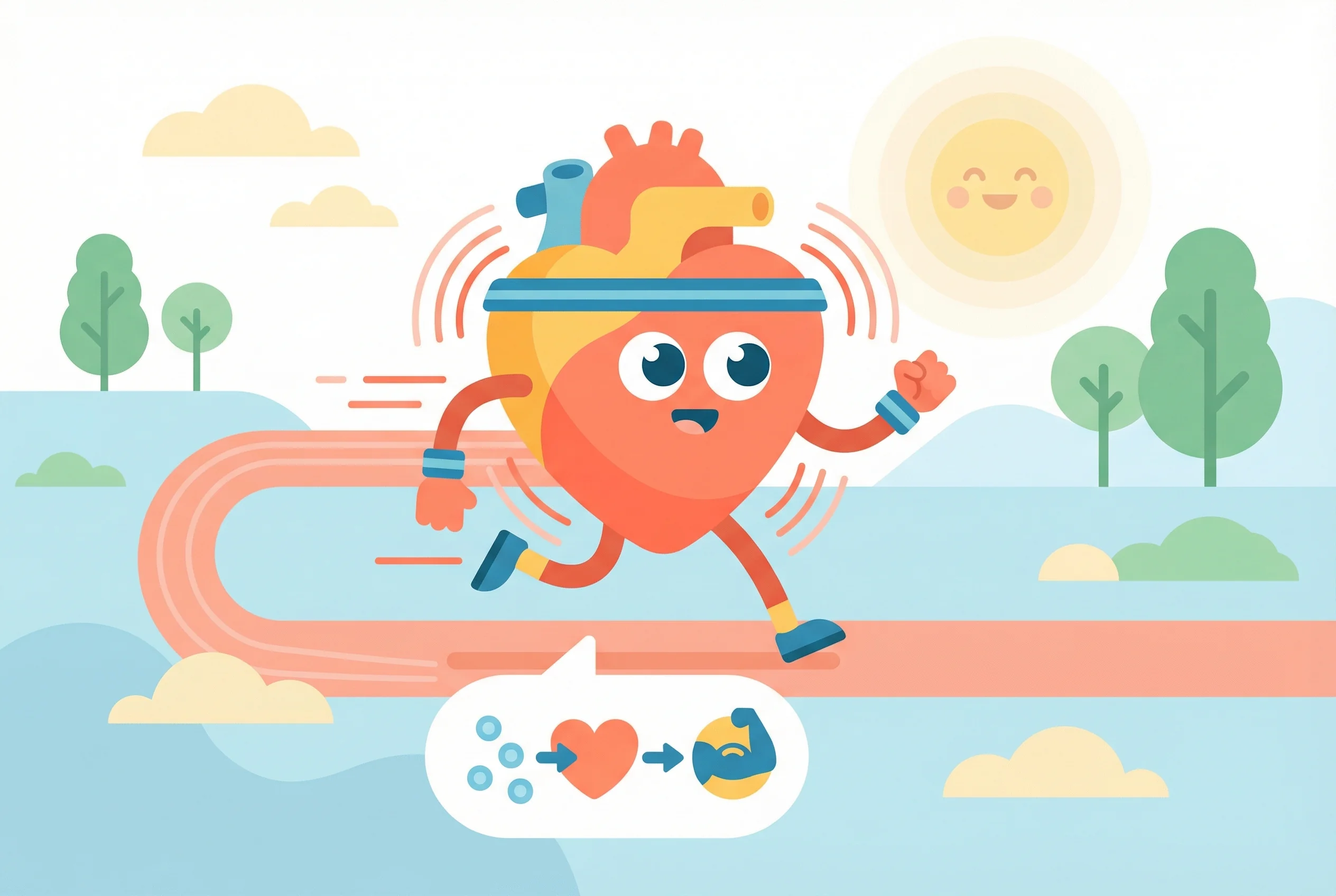
ATo deliver more oxygen to muscles
✓Correct! During exercise, your muscles need more oxygen to produce energy. Your heart beats faster to pump oxygen-rich blood to muscles more quickly. The sympathetic nervous system releases adrenaline, which increases heart rate. Working muscles also produce carbon dioxide that must be removed. Your heart rate can double or triple to meet these demands!
BHeart muscles need warming up
✗Wrong. The heart doesn't beat faster to warm itself up—it's already continuously working. The increased rate is driven by your muscles' oxygen demands, not by the heart's own needs.
CTo remove sweat faster
✗Wrong. Sweat is produced by sweat glands, not the heart. Heart rate increases to pump oxygen-rich blood to muscles and remove metabolic waste like carbon dioxide.
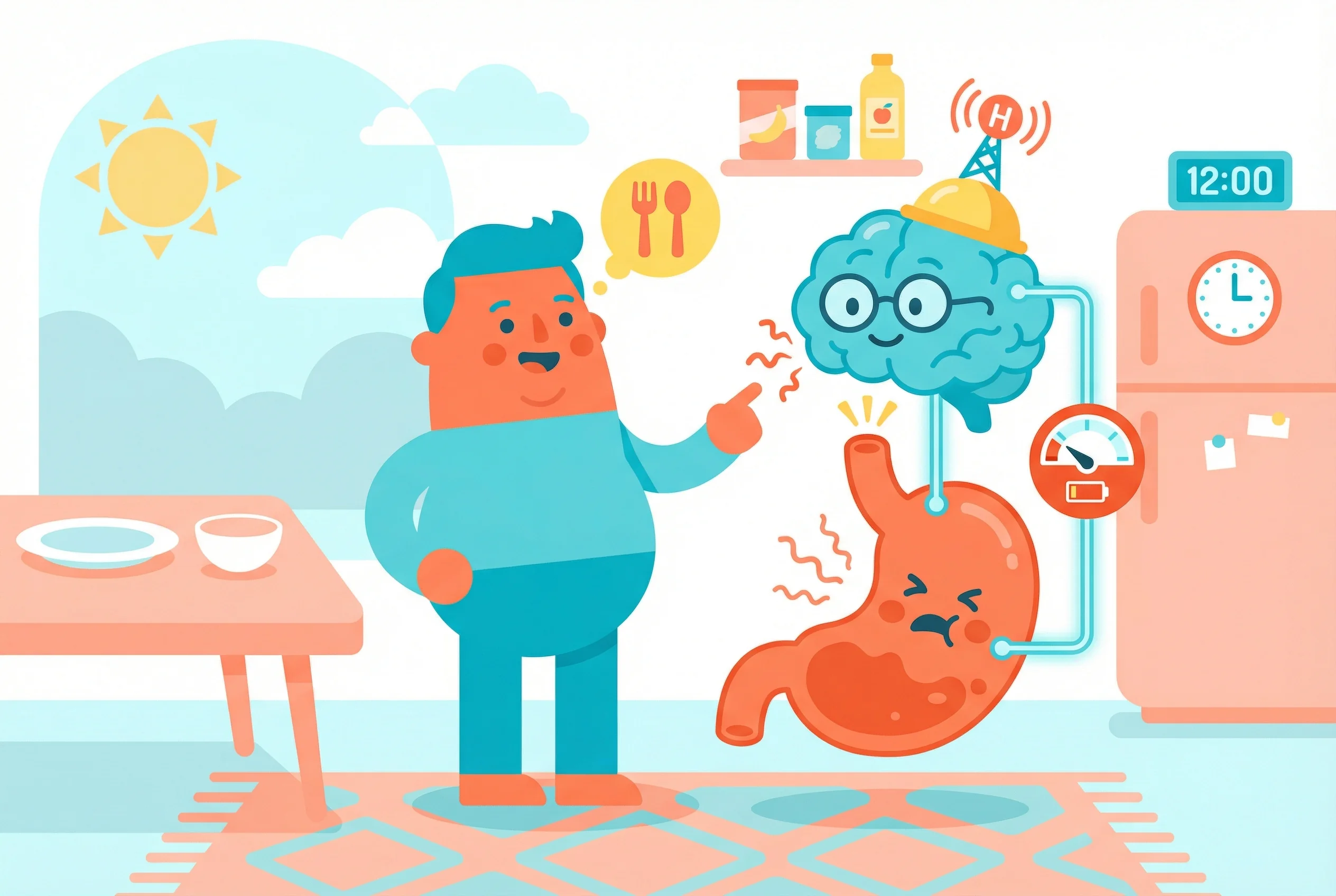
ABlood sugar drops trigger brain
✓Correct! Hunger is controlled by your brain, not your stomach. When blood sugar levels drop, your brain detects this change. It releases hormones like ghrelin that signal hunger. Your stomach may growl, but that's just movement, not emptiness. This system ensures your body gets energy before reserves run too low.
BDigestive system needs work
✗Wrong. The digestive system doesn't need to work constantly. Hunger signals come from the brain detecting low blood sugar, not from the digestive system needing activity.
CBody temperature decreases
✗Wrong. While body temperature affects metabolism, hunger is primarily triggered by the brain detecting drops in blood sugar levels, not temperature changes.
AIce cream numbs nerves
✗Wrong. Nerves aren't numbed—they're actually overstimulated by rapid temperature change.
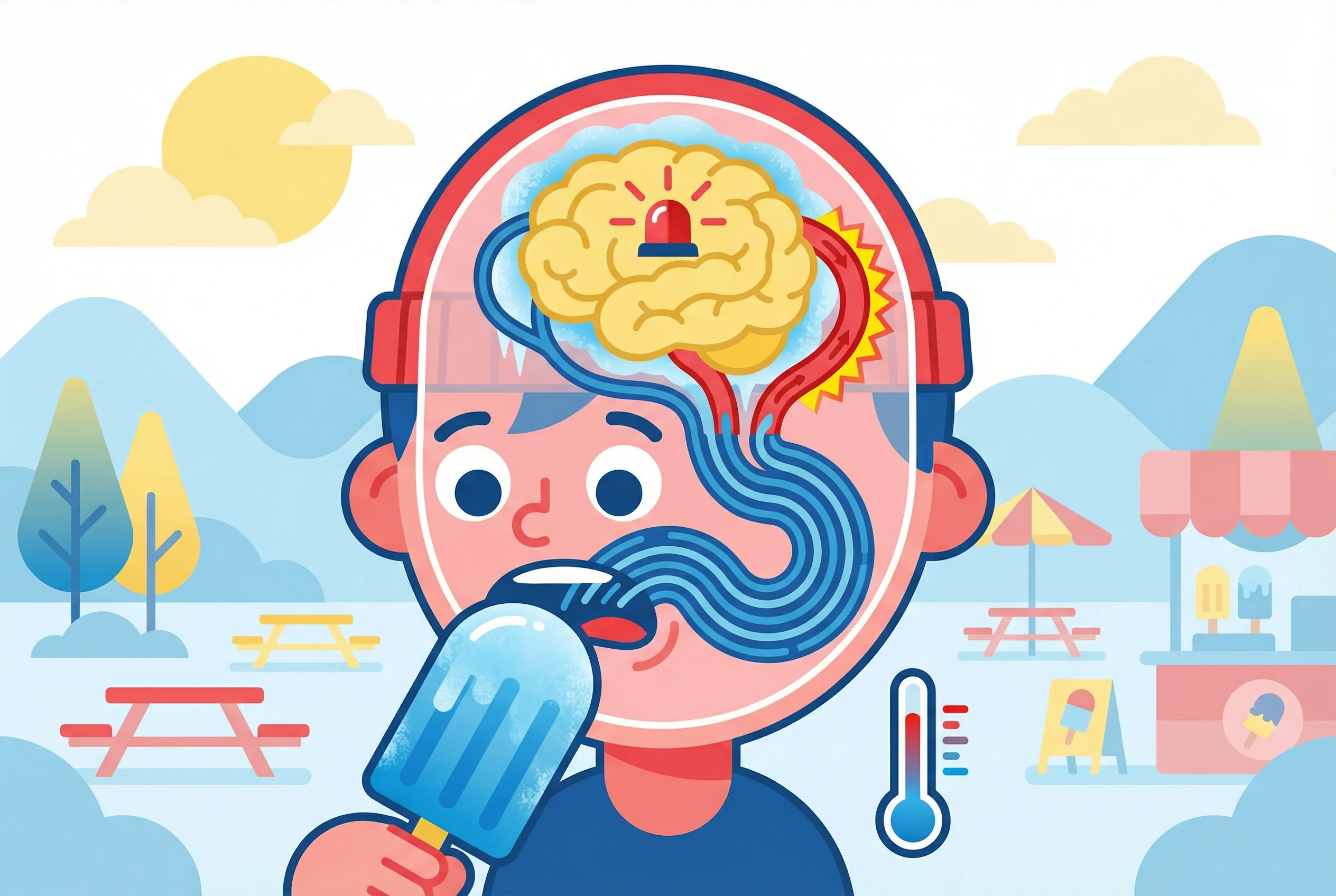
BBlood vessels rapidly change
✓Correct! Cold food touching the roof of your mouth causes blood vessels to rapidly constrict then dilate. This triggers pain receptors. Your brain interprets this as head pain. Pressing your tongue to the roof of your mouth can help!
CCold damages brain cells
✗Wrong. No brain damage occurs. It's a temporary pain response from blood vessel changes in your mouth.
Science Quiz for Adults: Your Kitchen
ARaw onions are less ripe
✗Wrong. Raw and cooked onions are the same ripeness. Heat chemically transforms the compounds responsible for onion flavor.
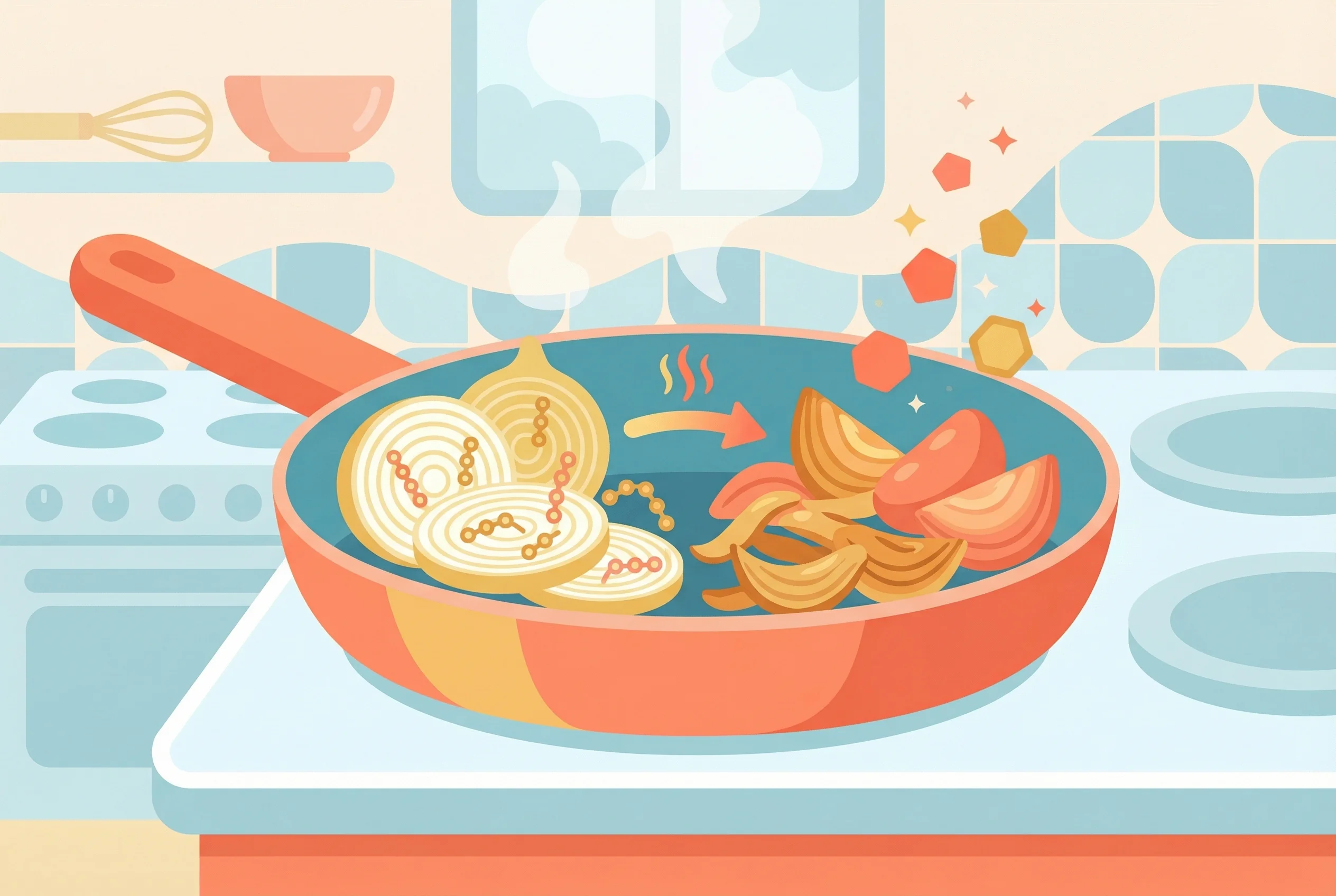
BHeat converts sulfur compounds
✓Correct! Raw onions contain sulfur compounds that taste sharp and make you cry. When cooked, heat breaks down these harsh sulfurs (like propanethial S-oxide) and converts them into sweeter, milder compounds. Caramelization of onion sugars also adds sweetness. Same onion, completely different chemistry!
CCooking adds salt and seasoning
✗Wrong. Even plain cooked onions without seasoning taste different from raw. The change is chemical transformation from heat, not added ingredients.
ANot enough water in pot
✗Wrong. More water helps prevent sticking by diluting released starch, but the root cause is starch on pasta surfaces binding together.
BStarch gelatinizes on surface
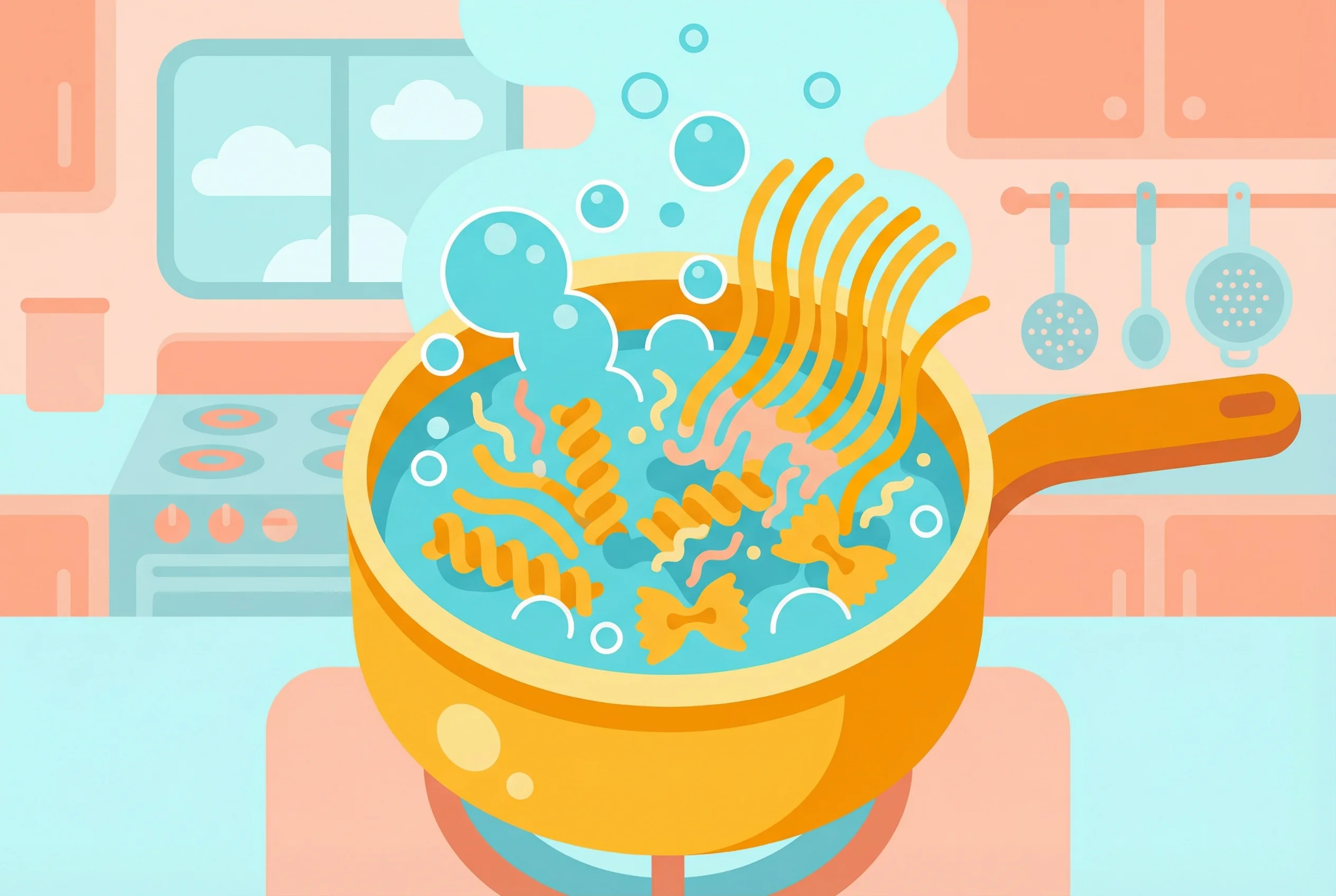
✓Correct! Pasta surfaces release starch granules during cooking. These granules absorb water, swell, and become sticky gel (gelatinization). When pasta touches, the gelatinized starch acts like glue! Stirring prevents contact, and rinsing removes surface starch (but also removes sauce-gripping ability). Adding oil coats pasta, preventing starch adhesion.
CBoiling too rapidly
✗Wrong. Boiling intensity doesn't cause sticking—it's surface starch gelatinizing. Vigorous boiling actually helps by keeping pasta moving.
ABread burns from oven heat
✗Wrong. Toast isn't burning (that would be black and bitter). The browning is a chemical reaction called the Maillard reaction, not combustion.
BMoisture evaporates out
✗Wrong. Moisture does evaporate making toast crispy, but the brown color comes from chemical reactions between sugars and proteins.
CSugars caramelize and react
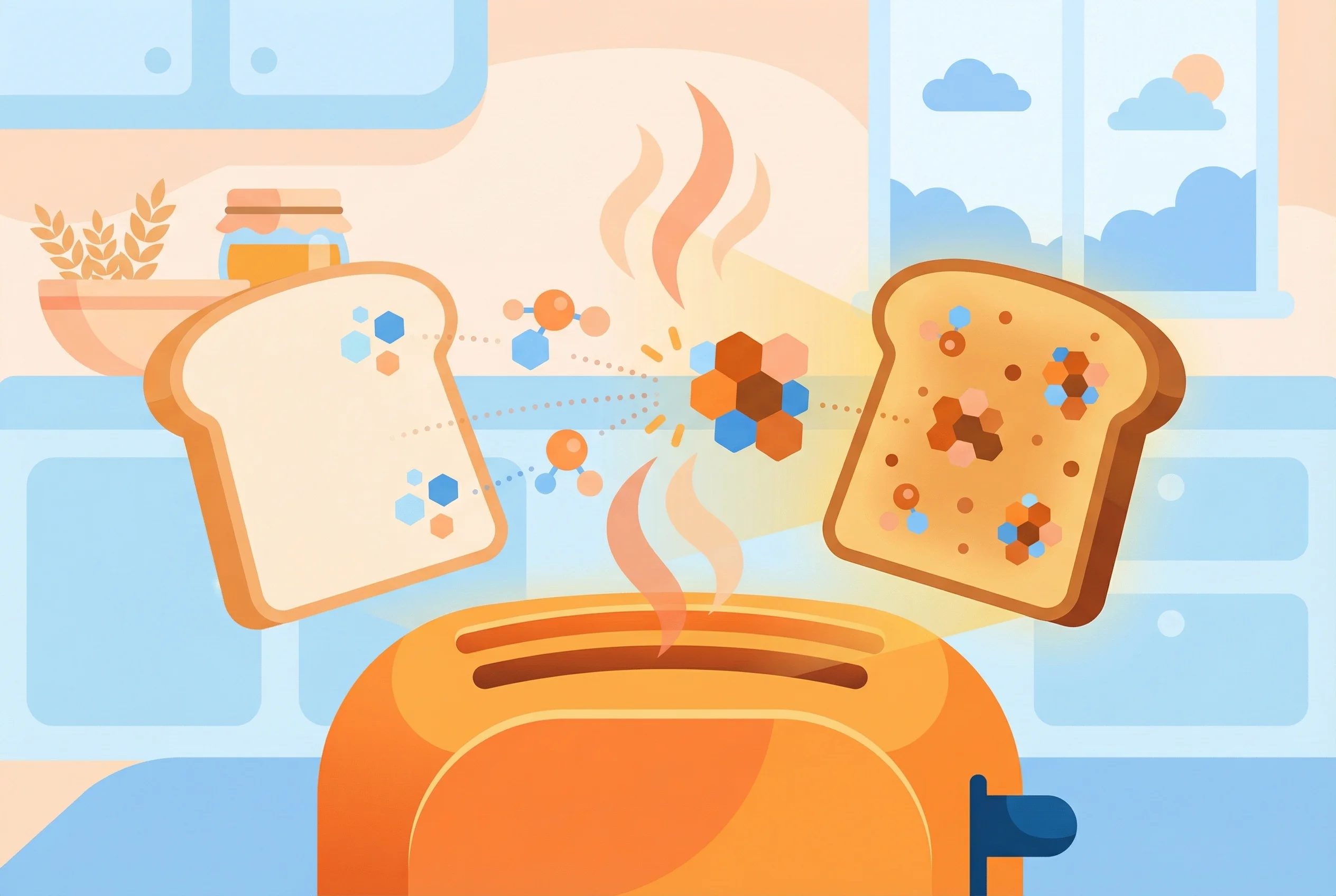
✓Correct! Heat triggers the Maillard reaction—amino acids and sugars combine to create hundreds of new flavor and color compounds. This happens above 140°C (285°F). That's why toast tastes nutty and sweet—it's chemistry, not just drying!
Science Quiz for Adults: Your Weather
AWind removes warm air near skin
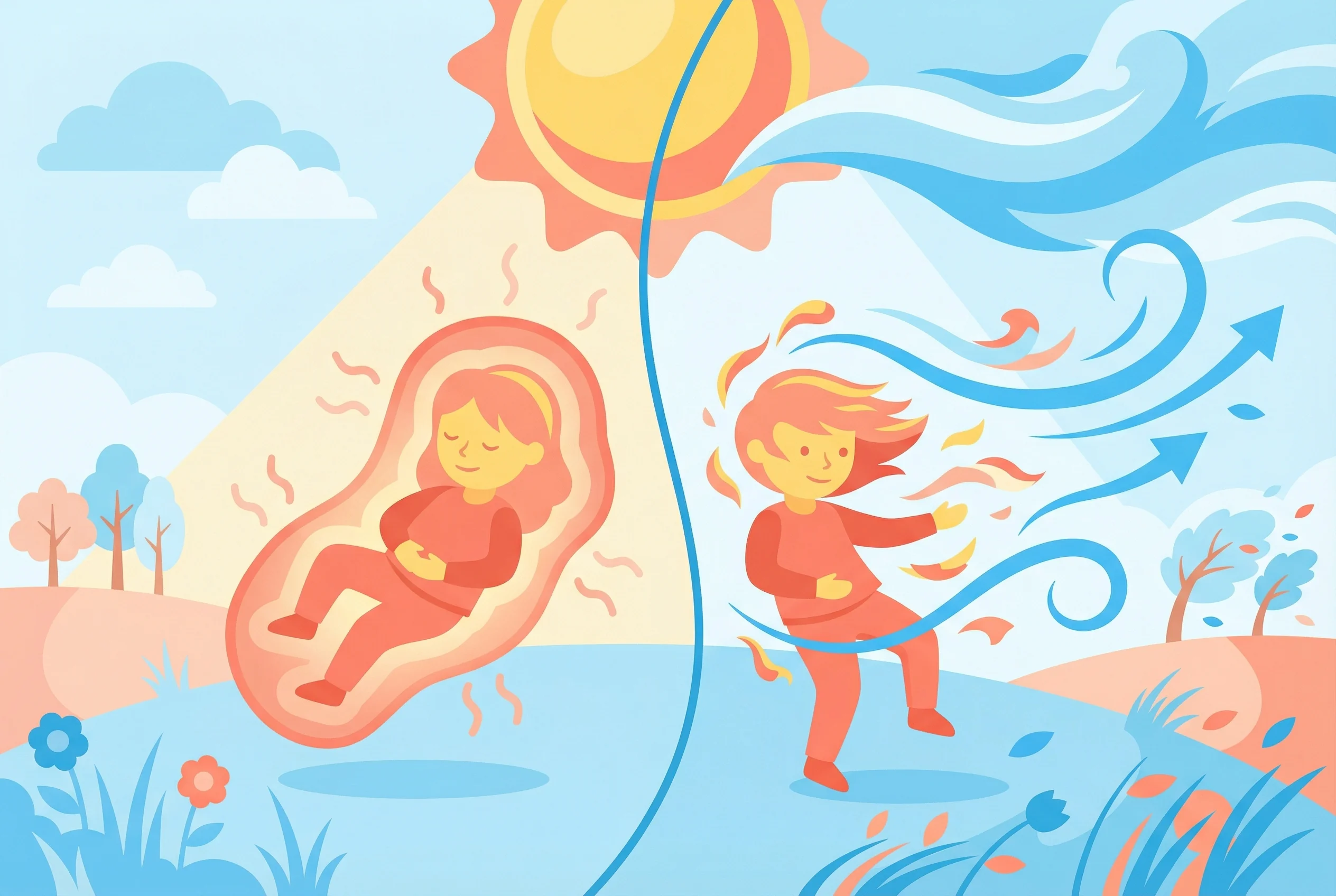
✓Correct! Your body warms a thin layer of air next to your skin. In still air, this warm layer insulates you. But wind constantly blows this warm air away and replaces it with cooler air, forcing your body to work harder to stay warm. This 'wind chill' effect makes 10°C with wind feel much colder than 10°C without wind!
BMoving air has less heat
✗Wrong. Moving air doesn't have less heat than still air at the same temperature. Wind feels colder because it removes the warm insulating layer of air around your body faster than still air.
CWind increases air pressure
✗Wrong. Wind doesn't increase air pressure in a way that affects temperature sensation. Wind feels colder because it removes the warm air layer your body creates, increasing heat loss.
AThunder causes lightning flash
✗Wrong. Lightning causes thunder, not vice versa. Electrical discharge heats air explosively—rapid expansion creates thunder shockwave.
BLight faster than sound waves
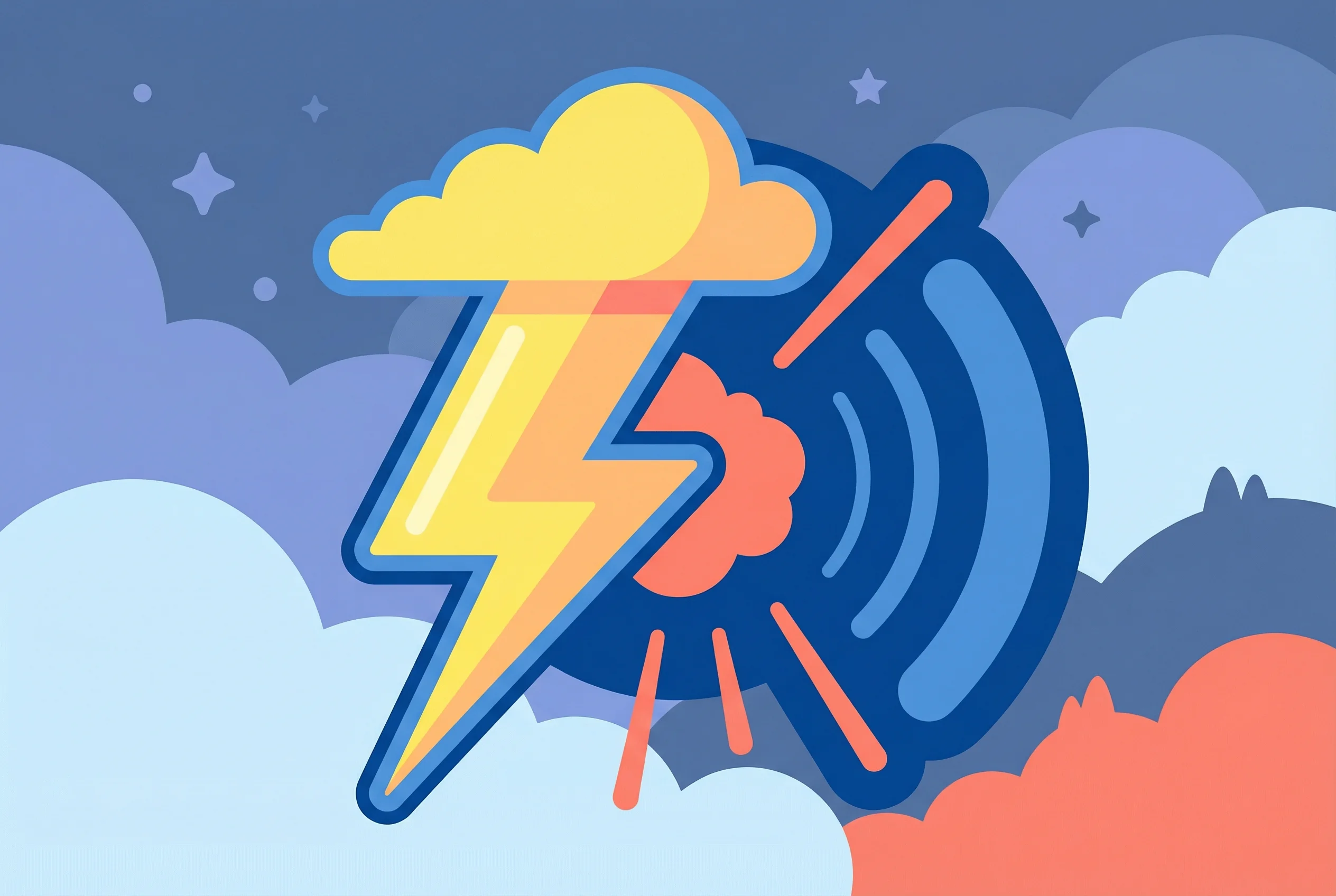
✓Correct! Speed difference! Lightning and thunder occur simultaneously, but perceived separately: (1) Lightning—see instantly (light: 300,000 km/s). (2) Thunder—hear delayed (sound: 343 m/s in air). (3) Count seconds between flash and boom—divide by 3 ≈ distance in km (or by 5 for miles). Thunder: rapid air heating from lightning bolt (30,000°C)—explosive expansion creates shockwave. Close lightning: immediate crack. Distant: low rumble (sound waves refract). Can't hear thunder beyond ~25km!
CLightning and thunder are unrelated
✗Wrong. Thunder is direct result of lightning—electrical discharge superheats air channel, creating explosive expansion we hear as thunder.
AHumid air is actually hotter
✗Wrong. Humidity doesn't change air temperature—thermometer reads same. Feels hotter because sweat evaporation (body's cooling) is inhibited.
BWater vapor conducts heat better
✗Wrong. Water vapor isn't better heat conductor. High humidity feels worse because it prevents efficient sweat evaporation cooling.
CSweat can't evaporate efficiently
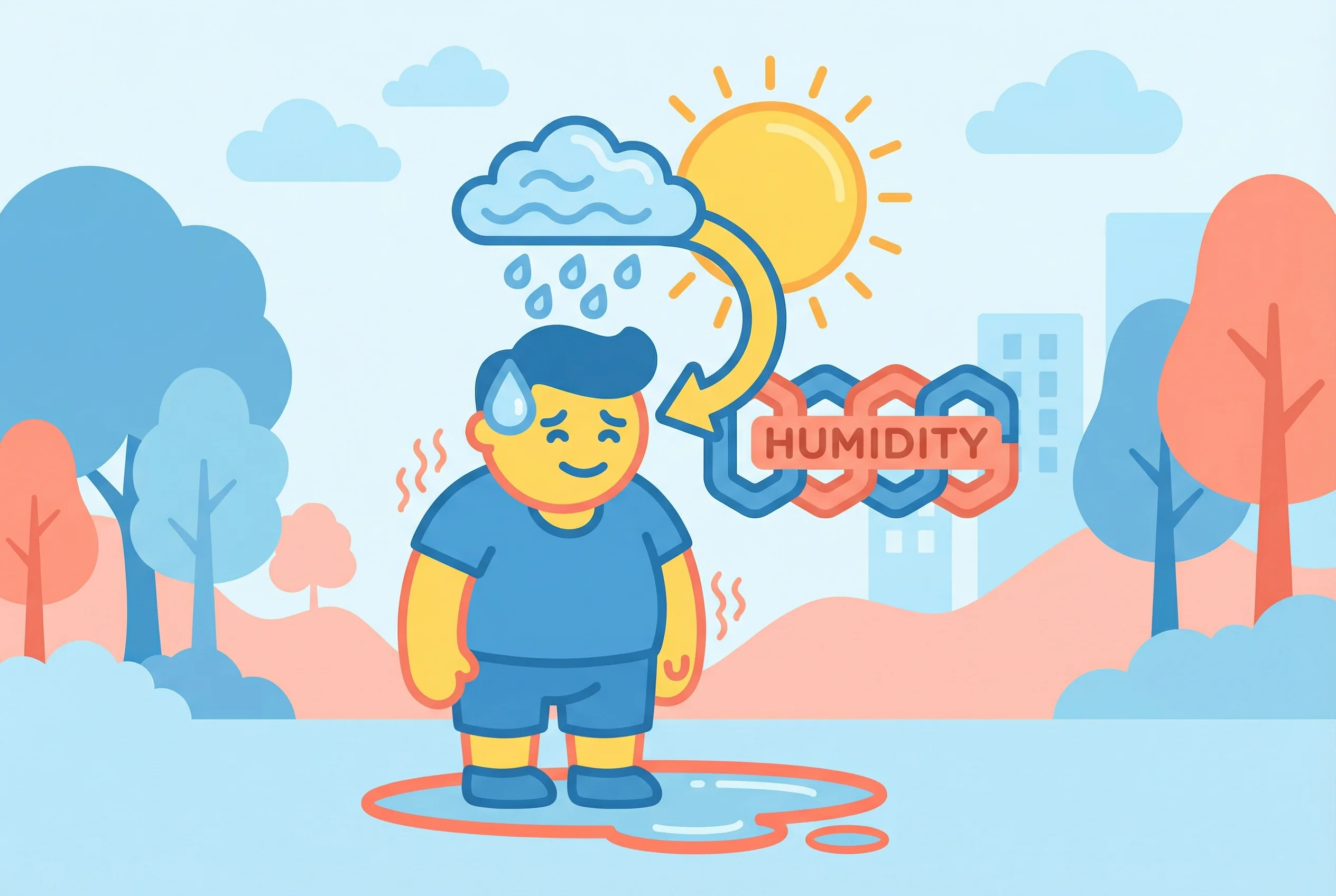
✓Correct! Evaporative cooling blocked! Humidity makes heat feel worse: (1) Body cools through sweat evaporation. (2) Evaporation requires dry air—water molecules escape into air. (3) High humidity—air already saturated with moisture. (4) Sweat can't evaporate—stays on skin. (5) No evaporation = no cooling. Heat index: combines temperature + humidity (how hot it feels). 35°C with 80% humidity feels like 50°C+! Dangerous: heat stroke risk. Dry heat (deserts): sweat evaporates instantly—better cooling despite high temperature!
Science Quiz for Adults: Your Money and Materials

AThey use your money to make loans
✓Correct! Banks are intermediaries in the money market. They pay you perhaps 1% interest on savings, then loan your money to others at 5-7% interest (for mortgages, car loans, business loans). The difference (spread) is the bank's profit. Everyone benefits: you earn passive income, borrowers get needed funds, and banks profit from the spread between borrowing and lending rates.
BYour money grows like plants
✗Wrong. Money doesn't grow on its own—it only grows when it's put to productive use. The interest you earn represents a share of the value created when your money is loaned to buy homes, start businesses, or finance other economic activity. Money sitting in a vault creates no value and earns no return.
CBanks feel grateful for deposits
✗Wrong. Banks are profit-seeking businesses. They pay interest because it's necessary to attract deposits, which they can then profitably lend out at higher rates. If they could attract deposits without paying interest, they would. The rate they pay is determined by competition and central bank policy, not gratitude or generosity.
AThey predict who gets unlucky
✗Wrong. Insurance companies can't predict individual outcomes. They work by pooling risk—collecting small premiums from many people to pay large costs for the unlucky few. Statistics tell them how many claims to expect from a group, not who specifically will file claims.
BPool risk across many people
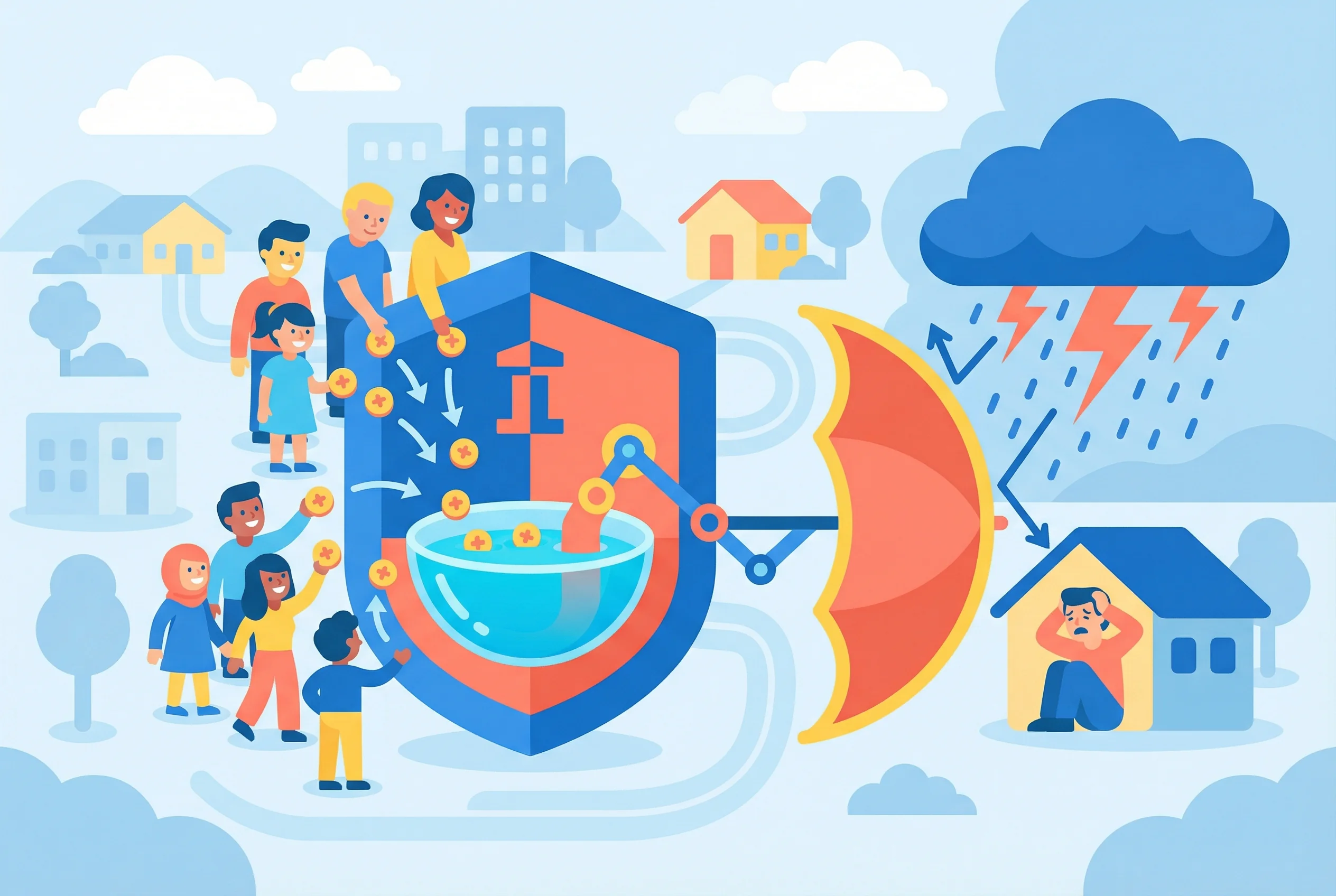
✓Correct! Insurance pools risk. If 1 in 100 homes burn down yearly, each homeowner faces 1% risk of $200,000 loss. Instead of risking $200,000, 100 homeowners each pay $2,500 premiums. The insurer collects $250,000, pays out $200,000 for the one fire, and keeps $50,000 for expenses/profit. Risk is spread!
CThey invest premiums in stocks
✗Wrong. While insurers do invest premiums to earn returns, this isn't why insurance 'works.' The basic mechanism is risk pooling—spreading unpredictable individual losses across many people through premium payments.
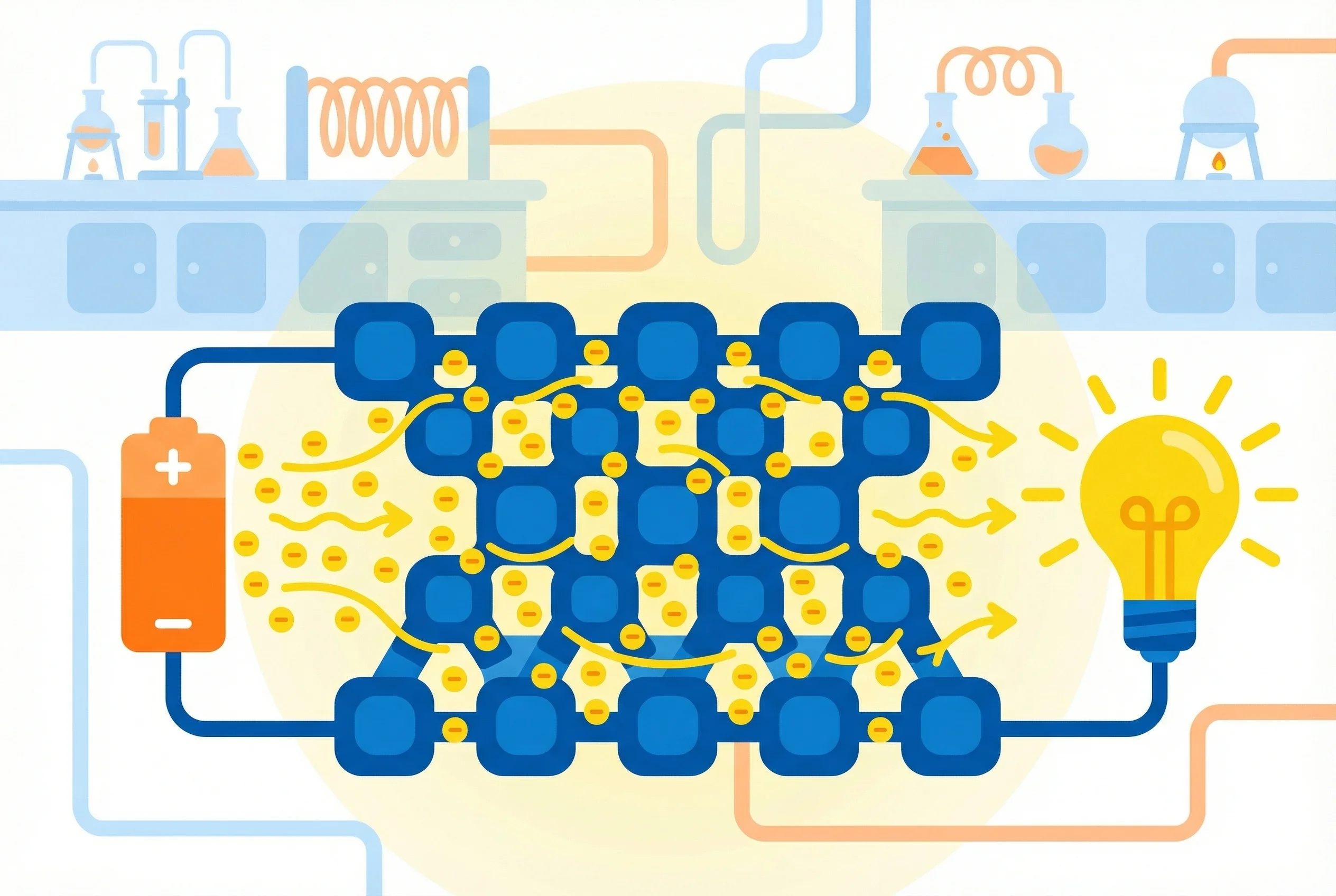
AMetals are very dense materials
✗Wrong. Density doesn't determine conductivity. Metals conduct because they have free electrons—in metallic bonds, outer electrons aren't bound to specific atoms but move freely. These mobile electrons carry electric current efficiently. Some dense materials (like lead) conduct poorly; some light metals (like aluminum) conduct well.
BFree electrons carry electricity
✓Correct! Metallic bonds create a 'sea' of free electrons—outer electrons aren't bound to specific atoms but move freely throughout the metal. When voltage is applied, these mobile electrons drift, carrying electric current. This electron mobility makes metals excellent conductors of electricity (and heat). Copper and silver have particularly mobile electrons, making them the best conductors.
CMetal atoms touch each other
✗Wrong. Atoms touching doesn't create conductivity—many solids have atoms in contact. Metals conduct because metallic bonds create free electrons that can move throughout the material, carrying current. It's electron mobility, not atom proximity, that creates conductivity.
Science Quiz for Adults: Your Devices
AConvert electricity to light efficiently
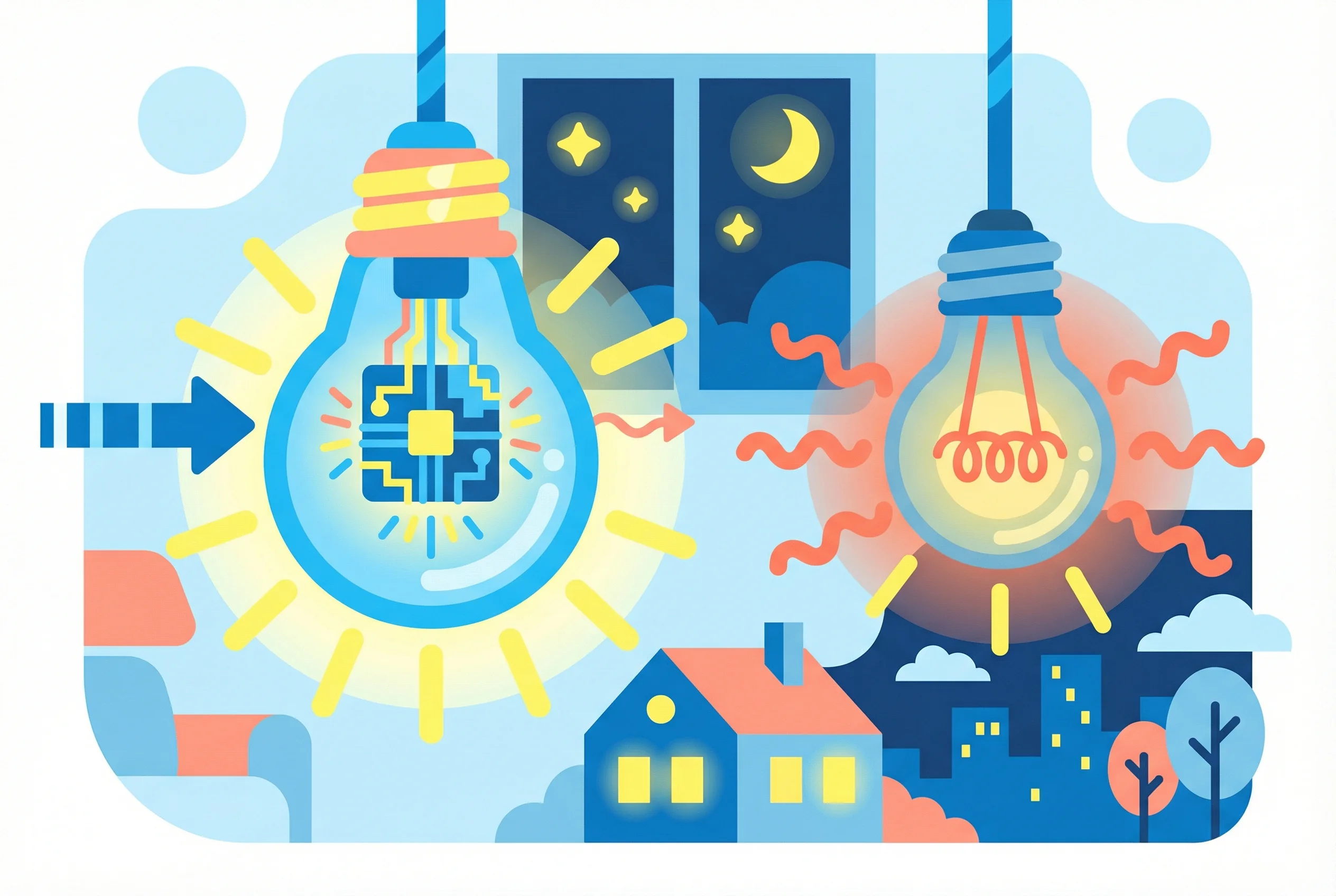
✓Correct! LEDs convert about 95% of electricity into light, wasting only 5% as heat. Incandescent bulbs do the opposite—95% becomes heat. LEDs use semiconductors that emit photons directly, rather than heating a filament.
BUse lower voltage than other bulbs
✗Wrong. LEDs save energy through efficiency (light per watt), not voltage. They convert electricity to light with minimal heat waste.
CContain special energy-saving gas
✗Wrong. LEDs are solid-state semiconductor devices, not gas-filled tubes. They save energy by directly converting electricity to light through electron movement in semiconductors.
ABatteries store limited energy
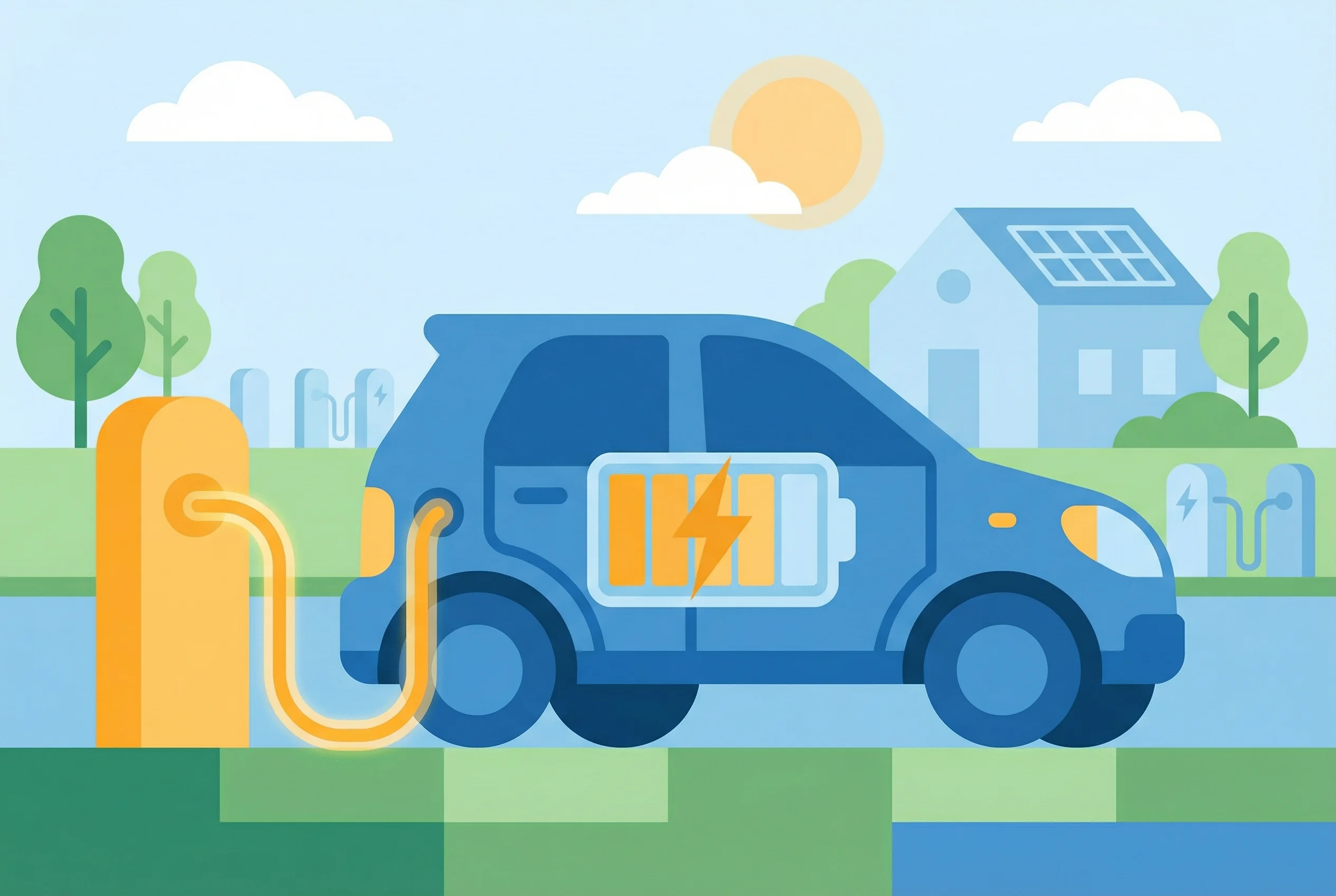
✓Correct! EV batteries store chemical energy converted to electricity. Driving uses this energy (motor, heating/cooling), depleting the battery. The stored energy must be replenished through charging.
BBatteries leak electricity slowly
✗Wrong. Batteries don't leak significantly. EVs need charging because driving uses the battery's stored energy, which then needs replenishing.
CCharging extends battery life
✗Wrong. Charging replenishes used energy, not extends battery life. Frequent fast charging can actually slightly reduce lifespan.
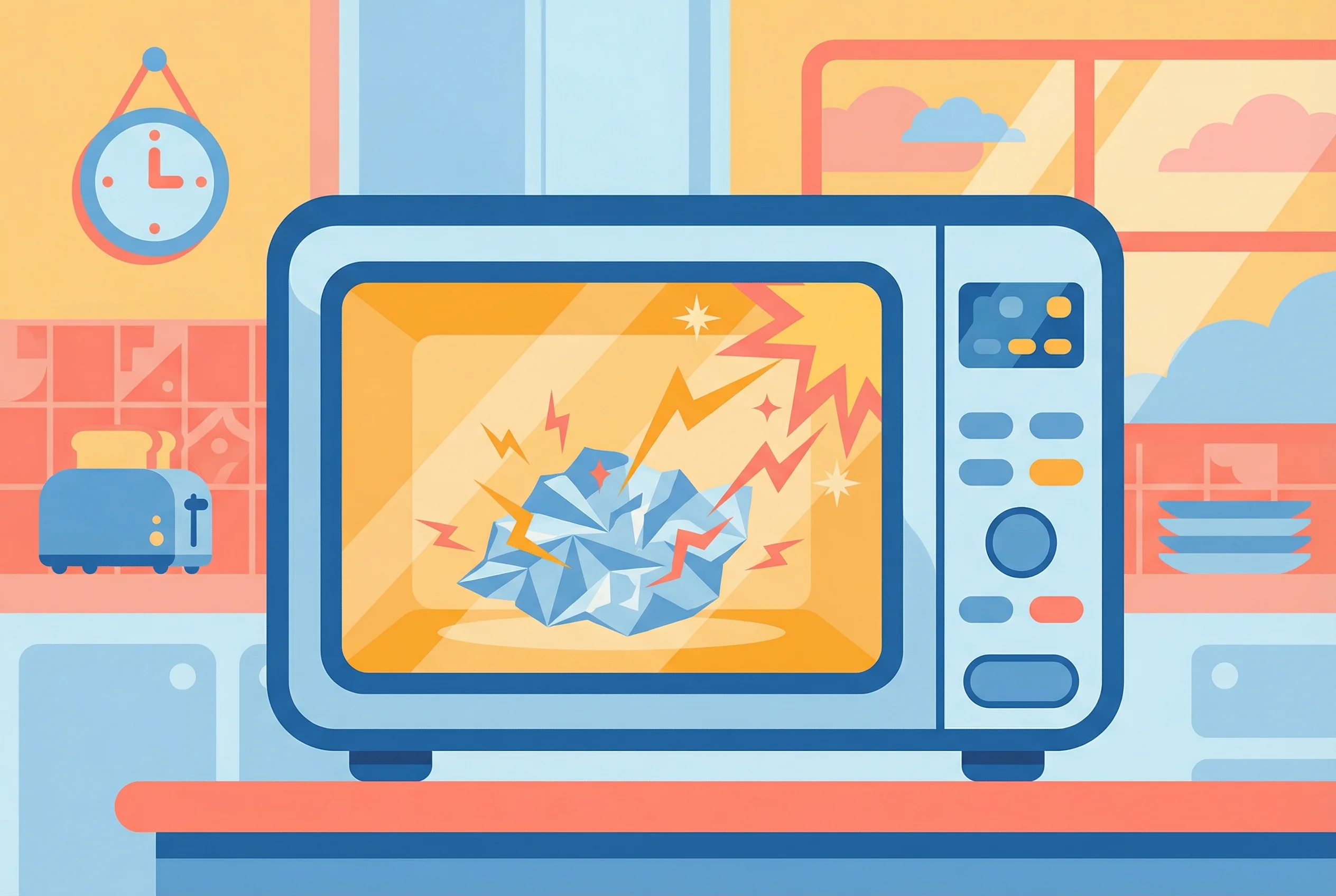
AFoil absorbs too much energy
✗Wrong. Foil doesn't absorb microwaves well—it reflects them. The problem is this reflection causes electrical buildup and arcing.
BMetal reflects microwaves violently
✓Correct! Microwaves are electromagnetic waves. Metal reflects them instead of absorbing them like food does. This creates electrical currents in the foil. Sharp edges concentrate these currents, causing sparks (electrical discharge through air). It can damage your microwave!
CFoil contains reactive chemicals
✗Wrong. Aluminum foil is chemically stable. The sparks are purely a physics phenomenon—electromagnetic induction and electrical discharge, not chemistry.
Science Quiz for Adults: The Ones That Split a Room
AExcess carbon dioxide buildup
✗Wrong. CO₂ levels don't trigger yawning. Research shows no strong connection between yawning and respiratory gas exchange.
BBrain temperature needs cooling
✗Wrong. Brain cooling is one leading hypothesis—yawning increases blood flow and may help thermoregulate, but it's not definitively proven.
CStill unclear, possibly cooling
✓Correct! Yawning's function is surprisingly unclear! Leading theories: (1) Brain cooling—jaw stretching increases blood flow, cooling the brain. (2) Arousal/state change—transitions between sleep/wake states. (3) Social communication—contagious yawning suggests social bonding function. Not caused by low O₂ despite popular belief. Likely multifunctional evolutionary behavior!
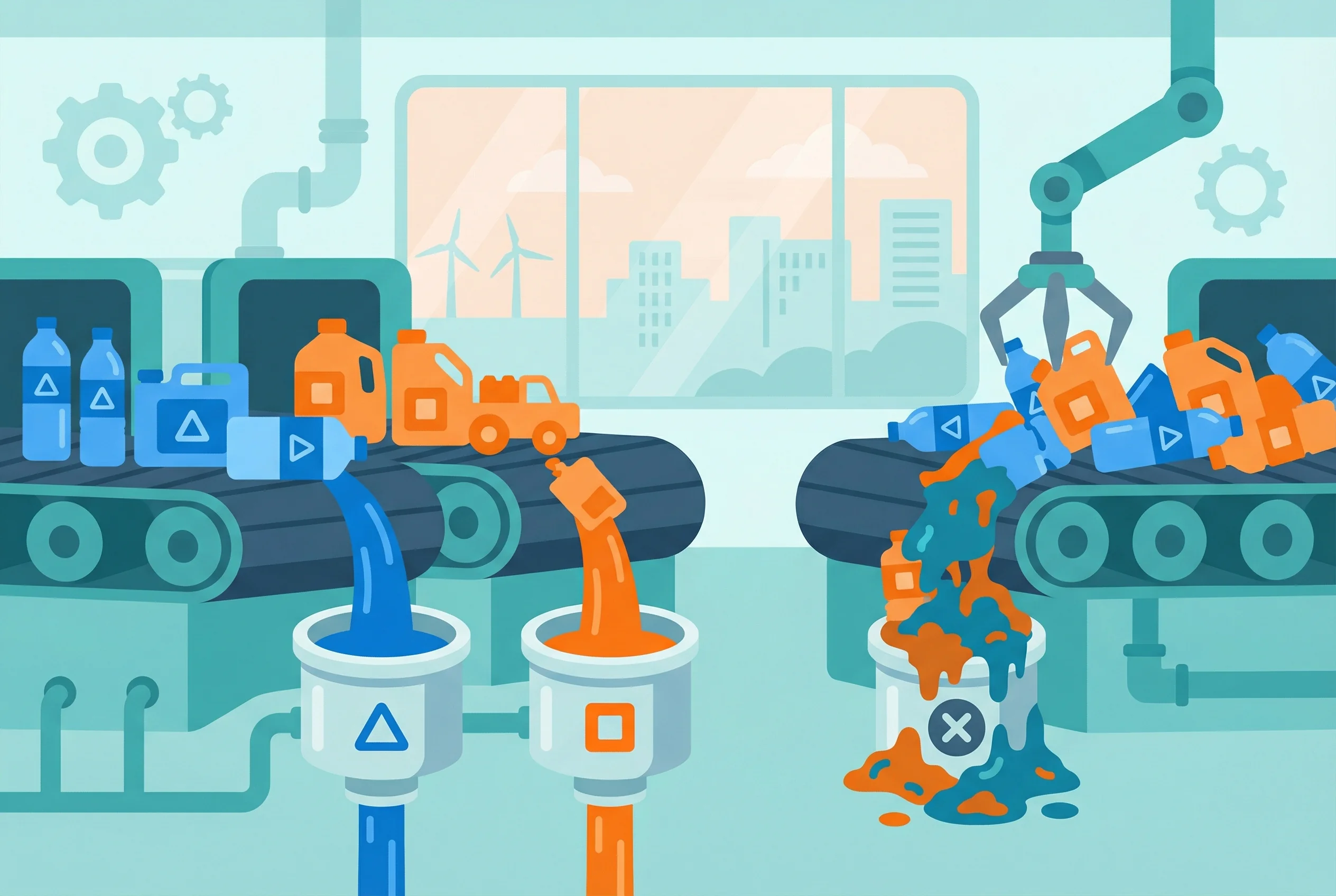
ADifferent plastics can't be melted together
✓Correct! Plastics have different chemical structures and melting points. Mixing types produces weak, unusable material. Recycling requires sorting by type, but many products use multiple plastics that can't be separated.
BRecycling plants lack equipment
✗Wrong. The limitation is technical, not equipment. Different plastic types have different melting points and chemical structures—mixing them produces weak, unusable material.
CAll plastics are actually recyclable
✗Wrong. Only certain plastics (#1 PET, #2 HDPE) are widely recyclable. Many plastics can't be economically recycled due to mixed compositions or contamination.
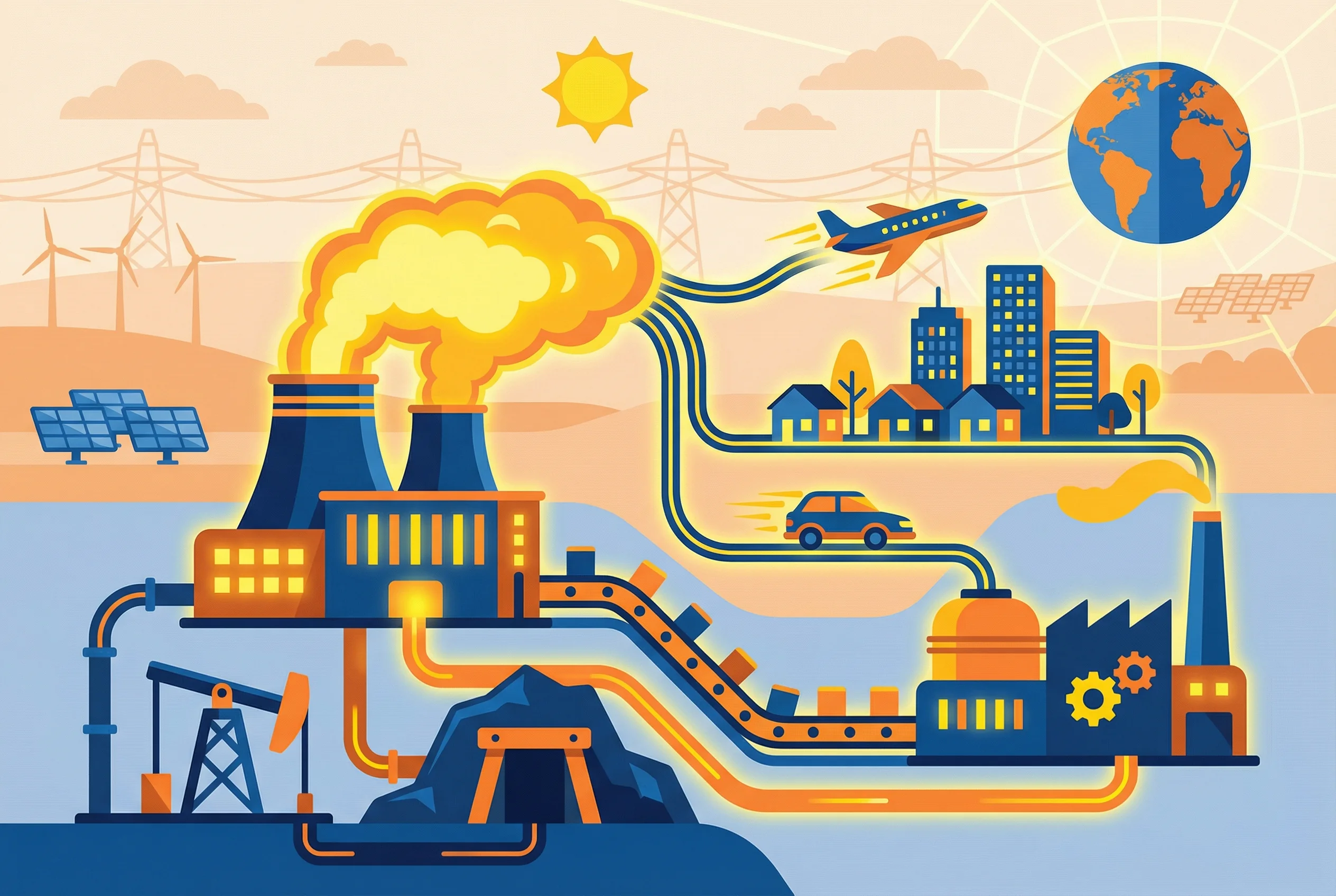
AHuge existing infrastructure
✓Correct! Trillions invested in power plants, refineries, pipelines, gas stations, and vehicles. This creates economic inertia—infrastructure lasts decades, investors want returns. Transition requires massive investment despite renewables becoming cheaper.
BRenewable energy doesn't work well
✗Wrong. Renewables (solar, wind) work well and are rapidly growing. Fossil fuels dominate because of existing infrastructure, energy density, and economic momentum.
CFossil fuels are cleaner now
✗Wrong. Fossil fuels remain major carbon emitters. They're still used because of massive existing infrastructure and the difficulty of rapidly transitioning global energy systems.
Want one question instead of a whole round?
MillionWhys turns little moments into 10-second curiosity closures: answer, check the why, and leave with one more hook in the world.
Play live on AIgneous Million WhysFrequently Asked Questions
What makes a science quiz for adults different?
It can assume the reader has lived a little. The best questions are not harder because they use jargon; they are richer because they connect science to bodies, kitchens, weather, money, devices, and public debates.
Are these science quiz questions suitable for a pub quiz?
Yes. Each card has three choices and an answer reveal, so you can use them as quick rounds. The explanation line is the extra payoff after the score is settled.
Can I use this as a daily science quiz?
Use the full page when you want a longer round. For a single daily habit, use Trivia Question of the Day or MillionWhys Daily.
Are these exam-prep questions?
No. They may help a concept stick, but they are written for curiosity rather than revision. The point is the small click of understanding, not memorising a syllabus.
Why do the answers explain the mechanism?
A bare answer closes the game; a mechanism closes the curiosity gap. That is what makes the fact useful later, when you see the same pattern in a different place.
What does this have to do with AIgneous Million Whys?
MillionWhys is built around tiny, source-aware questions that turn idle moments into knowledge that compounds. This page is the long-form version of that loop.