A strong set of science quiz questions and answers should leave you with more than a score. The best ones create that half-knowing itch: you can almost explain why a skater spins faster or why soda tastes dull when flat, but the real answer clicks only after the reveal. That click is the point.
If you want the tighter daily-habit version, start with Daily Science Quiz: Questions With Answers, or take just one question a day at Trivia Question of the Day. For a more grown-up life-domain set, try Science Quiz for Adults.
Easy Science Quiz Questions That Still Have a Why
AThe balloon becomes electrically charged and attracts the wall
✓Correct - When you rub the balloon on your hair, electrons transfer from your hair to the balloon, making it negatively charged. This charged balloon then attracts positive charges in the wall through a process called 'electrostatic induction', causing it to stick. This is the same force that makes your hair stand up or causes a spark when you touch a doorknob in winter.
BThe rubbing makes the balloon surface sticky and adhesive
✗Wrong. The rubbing does not make the balloon sticky or adhesive. If you touch the balloon after rubbing, you will notice it feels the same as before - smooth and rubbery, not sticky. The sticking to the wall is caused by electrical forces, not adhesive properties. You can test this by trying to stick an unrubbed balloon to the wall - it will not stick.
CThe balloon heats up and melts slightly to grip the wall
✗Wrong. The balloon does not heat up enough to melt or change its surface. Rubber balloons require very high temperatures (over 180 degrees Celsius) to melt, and rubbing generates only a tiny amount of heat. If melting were the reason, the balloon would feel hot to touch and would leave marks on the wall, which does not happen.
Answer this question
AAir is less dense than water
✓Correct - Buoyancy principle: objects less dense than surrounding fluid float upward. Bubble contains air/gas (~0.0012 g/cm³) surrounded by water (1.0 g/cm³)—air is ~800 times less dense! Water's weight pushes air upward (buoyant force). Same reason hot air balloons rise, oil floats on water, helium balloons ascend. Bubble size affects rise speed (larger = faster). Pop at surface—air rejoins atmosphere!
BWater pressure forces them
✗Wrong. Pressure exists but doesn't force bubbles up. Buoyancy drives upward motion—displaced water weighs more than air inside bubble.
CHeat makes air rise
✗Wrong. Heated air rises (convection), but bubbles rise in cold water too—buoyancy from density difference, not temperature.
Answer this question
AHot air is less dense
✓Correct - Heating air makes molecules move faster, spreading apart—same mass occupies more volume = less dense. Hot air inside balloon (~100°C) is less dense than cool outside air (~20°C). Buoyancy: denser fluid pushes less dense object upward. Volume of displaced cool air weighs more than hot air inside—net upward force (buoyancy). Same principle as boats floating. Cool balloon—descends. Heat air—rises! Vents control altitude.
BHeat creates upward force
✗Wrong. Heat does create effect, but mechanism is density difference—hot air is less dense, so buoyancy pushes balloon up.
CAir pressure pushes them up
✗Wrong. Pressure gradients exist, but specific mechanism is buoyancy from density difference between hot and cool air.
Answer this question
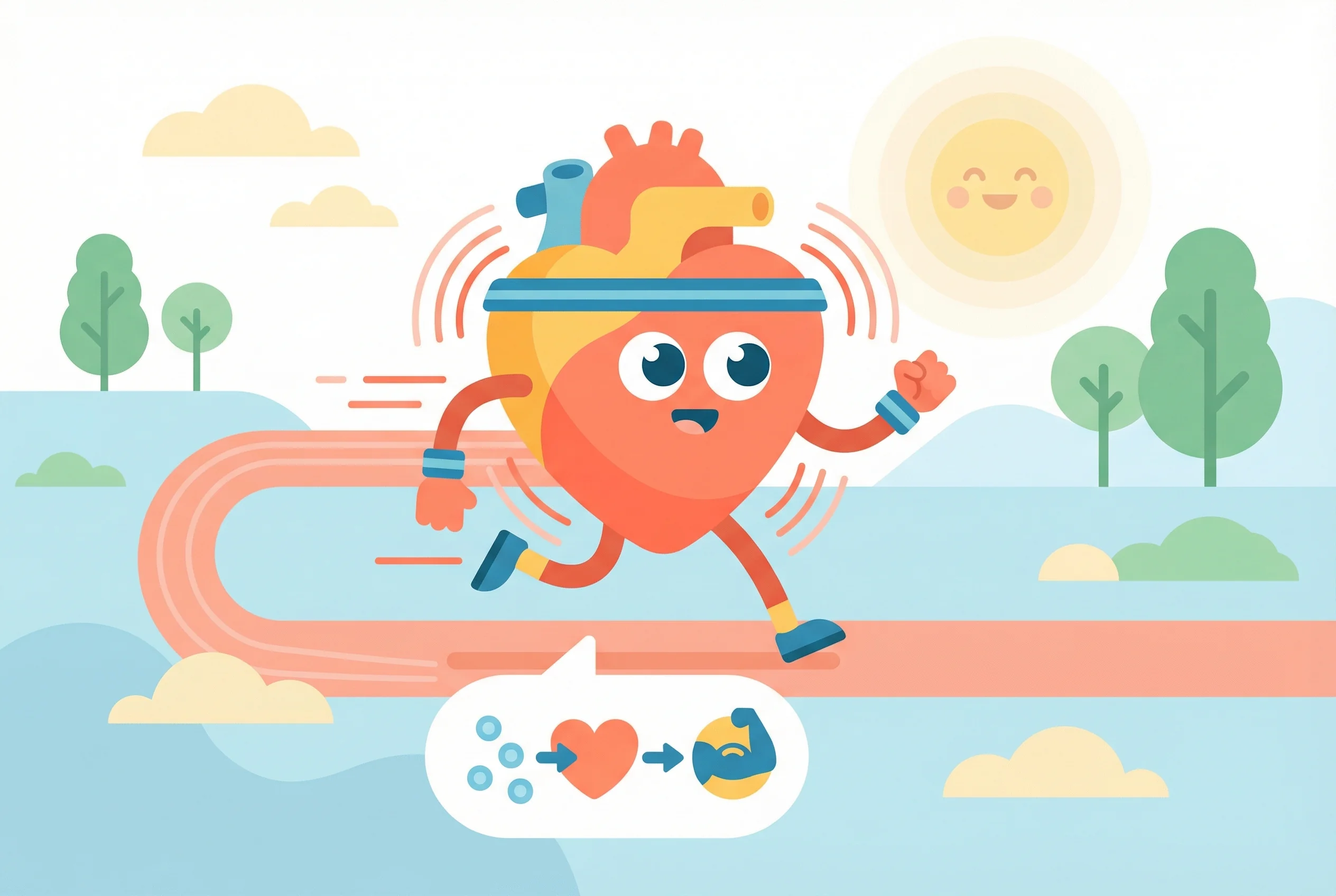
ATo deliver more oxygen to muscles
✓Correct - During exercise, your muscles need more oxygen to produce energy. Your heart beats faster to pump oxygen-rich blood to muscles more quickly. The sympathetic nervous system releases adrenaline, which increases heart rate. Working muscles also produce carbon dioxide that must be removed. Your heart rate can double or triple to meet these demands!
BHeart muscles need warming up
✗Wrong. The heart doesn't beat faster to warm itself up—it's already continuously working. The increased rate is driven by your muscles' oxygen demands, not by the heart's own needs.
CTo remove sweat faster
✗Wrong. Sweat is produced by sweat glands, not the heart. Heart rate increases to pump oxygen-rich blood to muscles and remove metabolic waste like carbon dioxide.
Answer this question
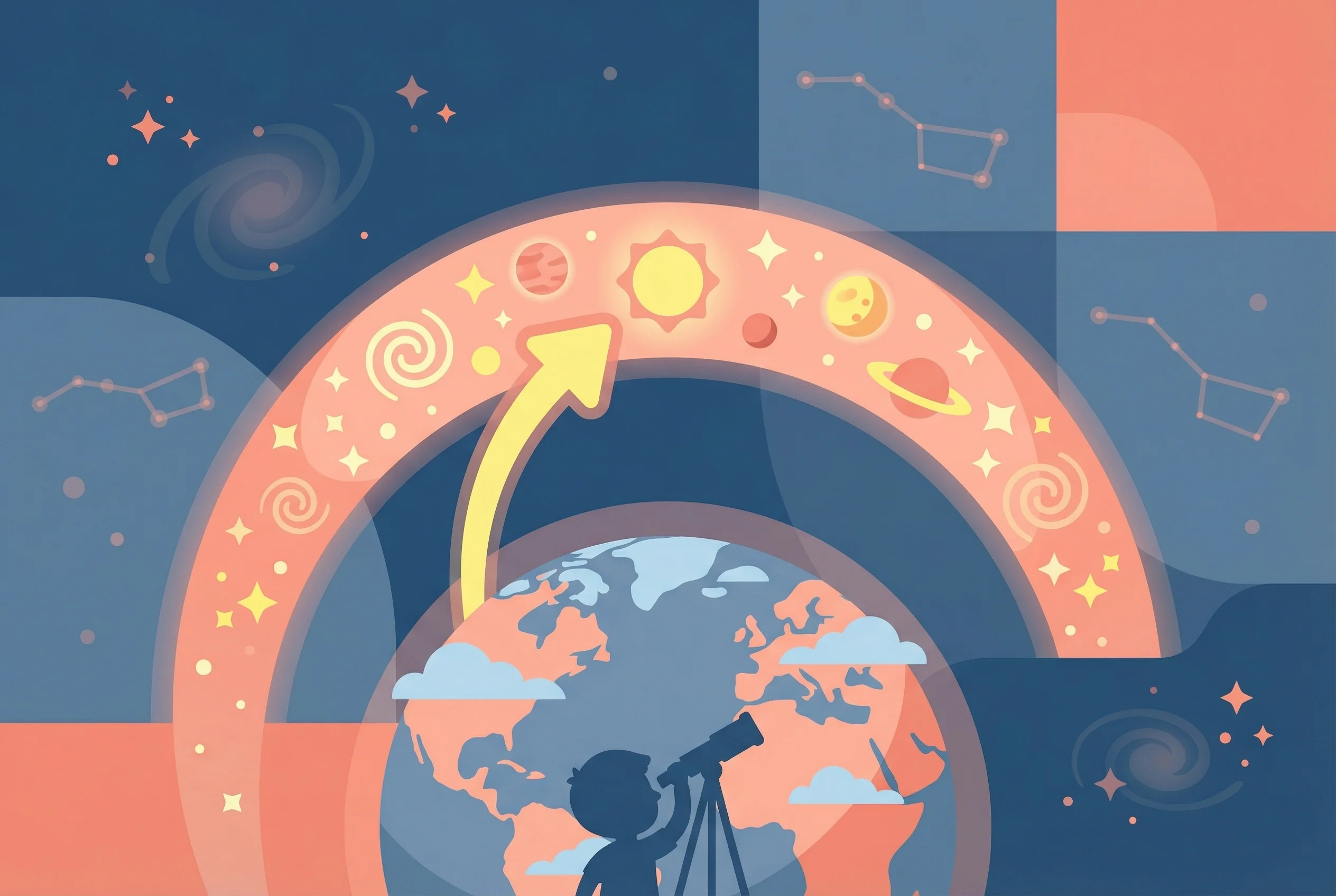
AWe are inside it
✓Correct - The Milky Way is our galaxy—we're inside it! The band of light we see is looking edge-on through the galactic disk (100,000 light-years across). We're in a spiral arm ~26,000 light-years from the center. Dense star concentrations appear as milky band across the night sky. Best viewed from dark locations away from light pollution. Ancient cultures saw it as celestial river!
BIt's brightest galaxy
✗Wrong. We see the Milky Way brightly because we're inside it—viewing our own galaxy from within. Other galaxies appear dimmer due to distance.
CReflects sunlight to Earth
✗Wrong. Galaxies don't reflect sunlight—they emit light from billions of stars. We see the Milky Way because we're part of it.
Answer this question
Science Quiz Questions That Split a Room
AHoney's large sugar molecules and strong bonds create high viscosity
✓Correct - Honey contains large sugar molecules (like fructose and glucose) that form strong hydrogen bonds with each other. These intermolecular forces make the molecules resist sliding past one another, creating high viscosity. Water molecules are much smaller and have weaker bonds, allowing them to flow freely. This is why honey flows about 10,000 times slower than water at room temperature.
BHoney is heavier, so gravity pulls it down more slowly
✗Wrong. While honey is denser than water (about 1.4 times heavier), density does not determine flow speed. Gravity pulls on all liquids equally based on their mass. Mercury is much heavier than honey but flows quickly because it has low viscosity. The flow resistance comes from internal friction between molecules (viscosity), not weight.
CHoney has tiny air bubbles that block the flow
✗Wrong. Pure honey contains virtually no air bubbles - it is nearly 80% sugars dissolved in 20% water. Air bubbles would actually make a liquid flow slightly faster by reducing friction, not slower. Honey's slow flow is entirely due to viscosity from intermolecular forces, not trapped air. You can verify this by observing that clear, bubble-free honey still flows very slowly.
Answer this question
AMarching in step creates resonance that can amplify vibrations dangerously
✓Correct - When many people march in perfect rhythm, their footsteps create periodic forces at a specific frequency. If this frequency matches the bridge's natural resonant frequency, the oscillations amplify exponentially through resonance - like pushing a swing at just the right moment. The 1850 Angers Bridge collapse in France killed 226 soldiers due to this phenomenon, leading militaries worldwide to adopt the 'break step' rule when crossing bridges.
BThe combined weight is too heavy if they step together
✗Wrong. The total weight of soldiers is the same whether they march in step or not - weight does not change based on timing of footsteps. Modern bridges are designed to hold far more weight than a group of soldiers. The real danger comes from the rhythmic timing of forces, not the total force magnitude.
CSynchronized movement creates excessive wind resistance
✗Wrong. Wind resistance is negligible for human walking speeds and has nothing to do with bridge safety. The danger comes from mechanical resonance - when periodic forces match a structure's natural frequency. This is a vibration phenomenon, not an aerodynamic one. Even in still air with no wind, marching in step remains dangerous on certain bridges.
Answer this question
AThe escaping CO2 removes carbonic acid that balanced the sweetness
✓Correct - When CO2 dissolves in water, it forms carbonic acid (H2CO3), which gives soda a tangy, slightly sour taste. This acidity balances the high sugar content. When soda goes flat, CO2 escapes, removing this acid and making the drink taste cloyingly sweet. The fizzy sensation also stimulates nerve endings that make the drink feel more refreshing.
BSugar molecules break down and become sweeter over time
✗Wrong. Sugar molecules (sucrose) are actually quite stable in soda and do not break down or become sweeter over time. The amount of sugar remains constant whether the soda is fizzy or flat. What changes is our perception: without the tangy carbonic acid to balance it, the existing sugar tastes more prominent and overly sweet.
CThe bubbles physically block sugar from reaching taste buds
✗Wrong. Bubbles do not block taste buds from detecting sugar. In fact, the bubbles burst on your tongue and release CO2 gas. The popping sensation and carbonic acid they create actually enhance flavor perception by stimulating both taste receptors and touch receptors (the trigeminal nerve), making the drink taste more complex and less one-dimensionally sweet.
Answer this question
AOnly underwater earthquakes that move the seafloor vertically can displace enough water
✓Correct - Tsunami generation requires three key factors: the earthquake must occur underwater or very close to the ocean, it must be relatively shallow (usually less than 70km deep), and most importantly, it must cause vertical movement of the seafloor. When tectonic plates thrust upward or drop downward during an earthquake, they displace enormous volumes of water above them. This displaced water then travels outward as tsunami waves. Horizontal sliding earthquakes, even if powerful, typically do not generate tsunamis because they do not lift or drop water masses. The 2004 Indian Ocean tsunami was caused by a magnitude 9.1 earthquake where one plate thrust under another, lifting the seafloor by several meters.
BOnly earthquakes above magnitude 8.0 have enough power to create tsunamis
✗Wrong. While larger earthquakes are more likely to cause tsunamis, magnitude 8.0 is not a strict threshold. Tsunamis have been generated by earthquakes as small as magnitude 6.5 when conditions are right. What matters more than raw magnitude is the location (underwater), depth (shallow), and type of fault movement (vertical displacement). A magnitude 7.5 underwater earthquake with strong vertical movement can create a devastating tsunami, while a magnitude 8.5 earthquake on land or with only horizontal movement will not. The key is how much water gets displaced, not just the earthquake's total energy.
CEarthquakes during high tide push more water and create tsunamis
✗Wrong. Tides have no significant effect on tsunami generation. Tsunamis are caused by the sudden vertical displacement of the ocean floor during underwater earthquakes, not by the amount of water present. A tsunami can be generated equally during low tide or high tide. The ocean is so deep (average 3,800 meters) that tidal variations of 1-2 meters make no practical difference to tsunami formation. What matters is whether the earthquake moves the seafloor up or down, displacing the entire water column above it from the bottom to the surface. Tides may slightly affect tsunami wave height when it reaches shore, but they do not determine whether a tsunami forms.
Answer this question
AExcess carbon dioxide buildup
✗Wrong. CO₂ levels don't trigger yawning. Research shows no strong connection between yawning and respiratory gas exchange.
BBrain temperature needs cooling
✗Wrong. Brain cooling is one leading hypothesis—yawning increases blood flow and may help thermoregulate, but it's not definitively proven.
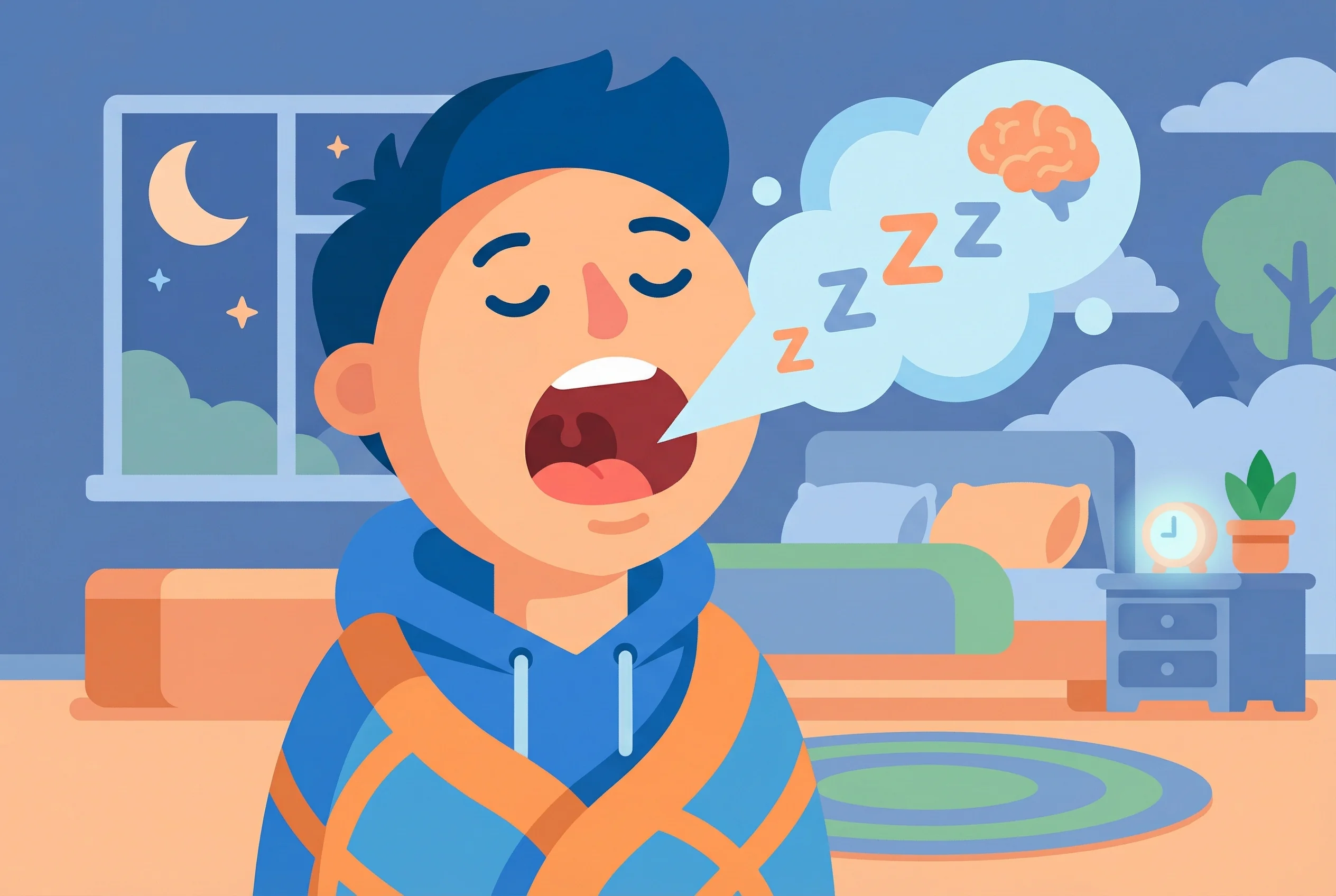
CStill unclear, possibly cooling
✓Correct - Yawning's function is surprisingly unclear! Leading theories: (1) Brain cooling—jaw stretching increases blood flow, cooling the brain. (2) Arousal/state change—transitions between sleep/wake states. (3) Social communication—contagious yawning suggests social bonding function. Not caused by low O₂ despite popular belief. Likely multifunctional evolutionary behavior!
Answer this question
Physics Questions You Can Feel
ATheir moment of inertia decreases, so spin speed increases to conserve angular momentum
✓Correct - Angular momentum (L = Iω) stays constant. When moment of inertia (I) decreases by pulling mass closer to the rotation axis, angular velocity (ω) must increase proportionally. This is why skaters can control their spin speed by changing arm position.
BPulling arms in creates more air resistance that pushes them around faster
✗Wrong. Air resistance actually opposes rotation and slows the skater down. Pulling arms in reduces the surface area exposed to air, slightly decreasing drag rather than increasing it. The speed increase comes from physics principles, not air flow.
CThe muscle force from pulling generates extra rotational energy
✗Wrong. While pulling arms in requires muscle force, this does not add rotational energy to the system. The total angular momentum was established by the initial push-off. The skater is simply redistributing existing rotational energy by changing body configuration.
Answer this question
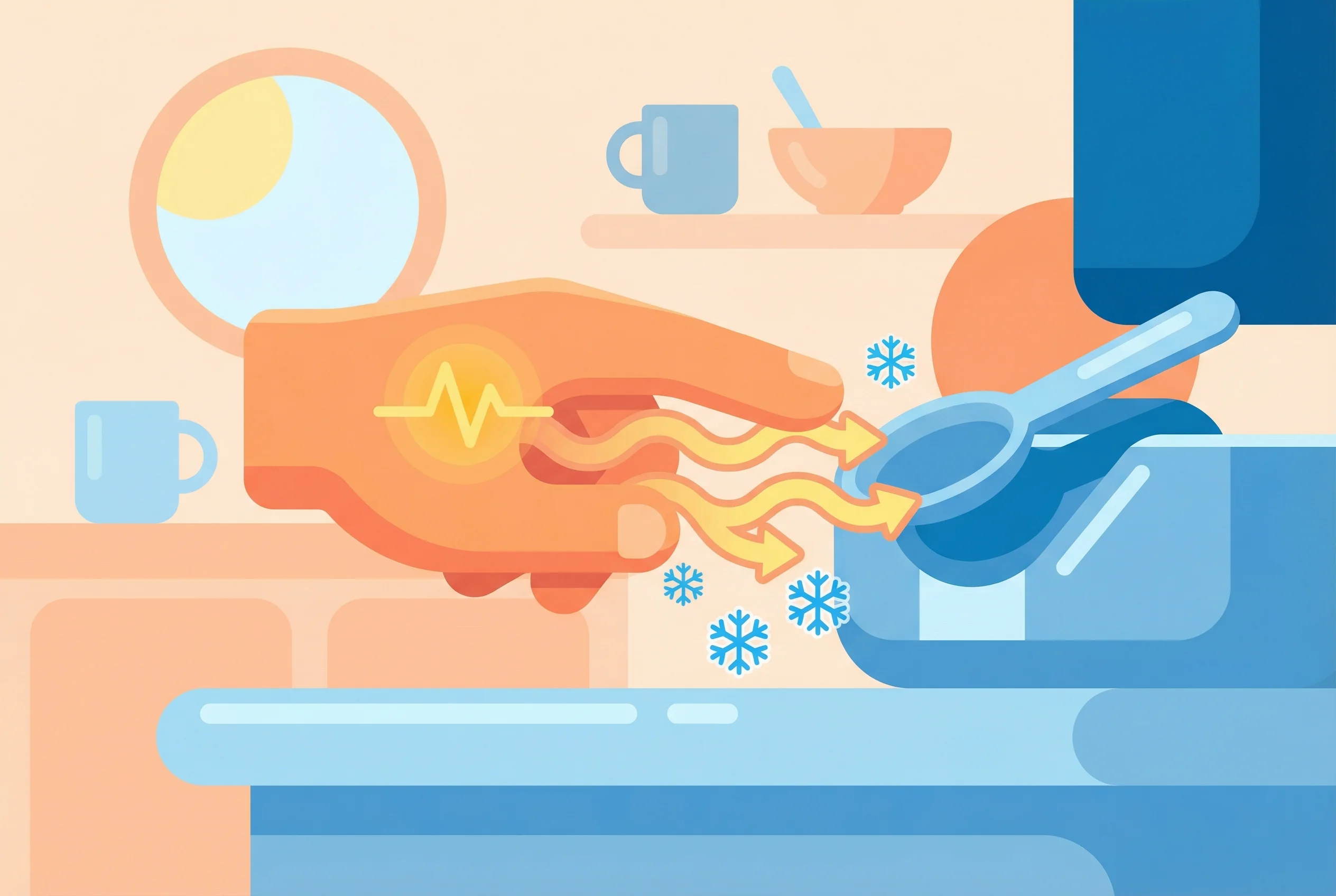
AMetals conduct heat faster
✓Correct - Thermal conductivity! Metal and wood at same room temperature, but metal FEELS colder because it conducts heat much better. Metal rapidly draws heat from your skin (hundreds of times faster than wood)—triggering cold sensation. Your skin loses heat quickly = feels cold. Wood draws heat slowly = feels neutral. Same reason: tile floors feel colder than carpet, stainless steel benches feel cold. Not temperature—heat transfer rate!
BMetals are actually colder
✗Wrong. At room temperature, both same temp. Metal feels colder because high thermal conductivity rapidly draws heat from your skin.
CSkin sensors react differently
✗Wrong. Sensors respond to heat loss rate, but physical reason is metal's high thermal conductivity removing heat from skin rapidly.
Answer this question
AThe coin keeps moving forward at the car's speed due to inertia
✓Correct - Before you release it, the coin is moving forward at the same speed as the car. When dropped, it maintains this forward velocity due to inertia (Newton's first law) while simultaneously falling downward due to gravity. From your perspective inside the car, it appears to fall straight down because you, the coin, and the car all share the same forward motion.
BAir inside the car pushes the coin forward as it falls
✗Wrong. While air does exist inside the car, it moves with the car and doesn't provide enough force to significantly affect the coin's motion. The coin's forward movement is due to inertia, not air pressure. In a vacuum chamber inside a moving vehicle, the coin would still land in the same spot.
CThe car's magnetic field pulls the coin along with it
✗Wrong. Cars do not produce magnetic fields strong enough to influence the motion of non-magnetic objects like coins. Even if the coin were magnetic, car magnetism is far too weak to affect its trajectory. The coin's behavior is explained purely by inertia and gravity, not magnetism.
Answer this question
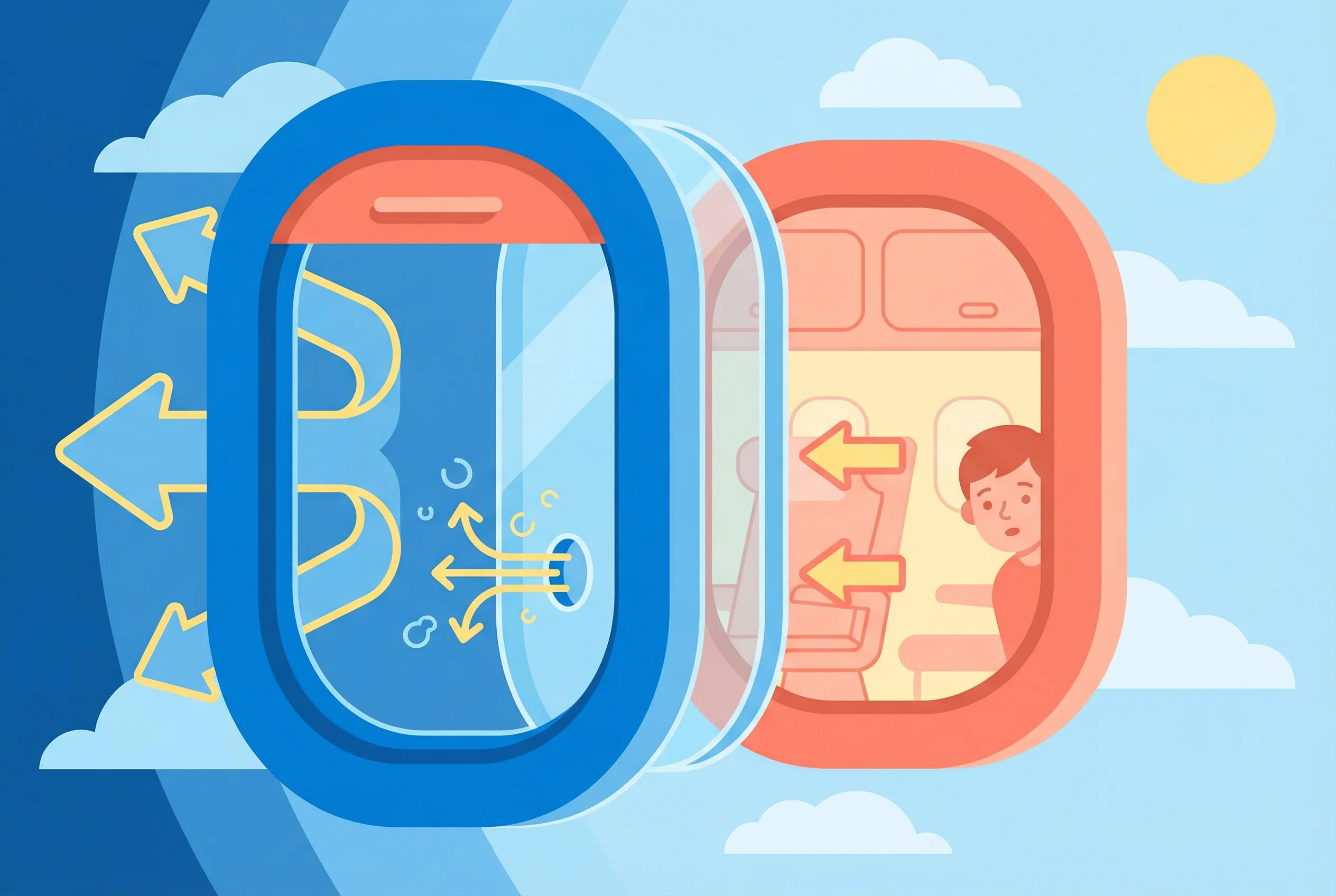
AEqualize pressure between panes
✓Correct - Airplane windows have 3 panes: outer (structural), middle (with tiny hole—breather hole), inner (scratch shield). Cabin pressurized to ~8,000 ft equivalent; outside ~35,000 ft = huge pressure difference. Breather hole equalizes pressure between middle and inner panes—outer pane bears full pressure load. Also prevents moisture condensation between panes (would fog view). Hole ~0.5mm diameter. Redundancy: if outer pane fails, middle pane holds pressure!
BPrevent condensation buildup
✗Wrong. Hole does prevent condensation, but primary purpose is pressure equalization—outer pane bears full cabin pressure load safely.
CEmergency pressure release
✗Wrong. Hole does allow pressure relief, but designed function is equalizing pressure between panes, not emergency release.
Answer this question
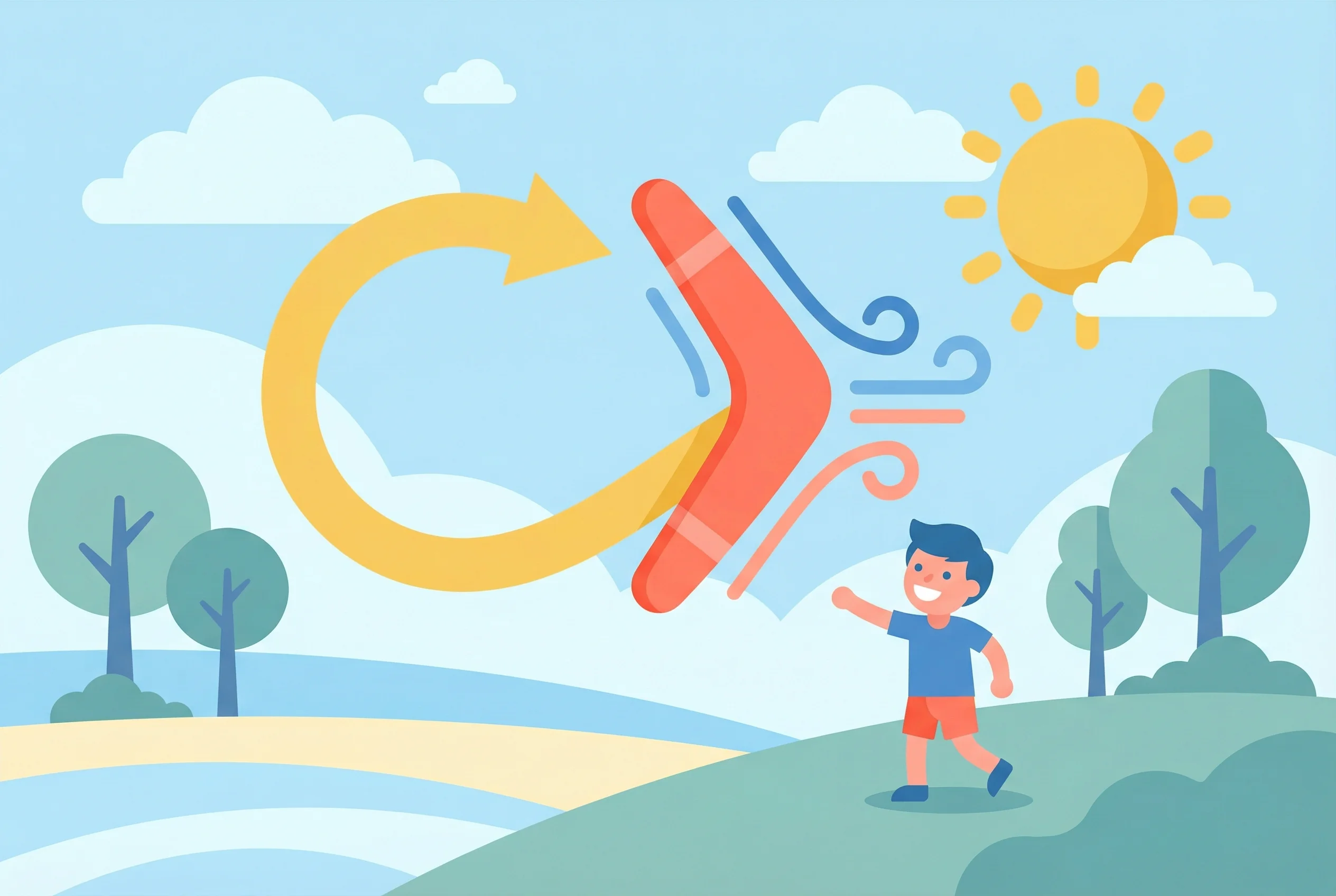
ASpinning creates unequal lift
✓Correct - Boomerang has two airfoil-shaped arms—like airplane wings. Spin creates gyroscopic precession. As boomerang spins, one arm moves forward through air faster (spin + throw velocity), other slower. Faster arm generates more lift than slower arm—unequal lift creates torque perpendicular to spin axis. Gyroscopic precession: torque causes rotation axis to precess (tilt), curving flight path in circle! Returns to thrower. Right-handed throw: spins counterclockwise, curves left. Complex aerodynamics!
BShape makes them bounce
✗Wrong. Boomerang doesn't bounce. It flies in curved path due to gyroscopic precession from unequal lift on spinning arms.
CMagnetic force attracts them
✗Wrong. No magnetism. Boomerang returns through aerodynamic forces—spinning airfoil arms generate unequal lift creating torque and curved path.
Answer this question
Chemistry Quiz Questions From the Kitchen
AThey contain spicy chemicals
✗Wrong. While onions do have strong compounds, it's not just 'spiciness' causing tears. The specific mechanism involves a chemical reaction that produces sulfuric acid in your eyes.
BThey release gas forming acid
✓Correct - When you cut onions, enzymes are released that react with sulfur compounds to create a gas. This gas reaches your eyes and reacts with your tears to form sulfuric acid. Your eyes produce more tears to wash away the irritation. Chilling onions helps reduce this reaction!
CThe smell triggers tears
✗Wrong. It's not the smell that triggers tears. The gas from onions chemically reacts with the moisture in your eyes to form acid, which causes the irritation and tearing.
Answer this question
AHeat breaks the kernel
✗Wrong. Heat doesn't directly break the kernel. The shell is tough and can withstand high temperatures. What breaks it is the pressure buildup from water turning into steam inside the kernel.
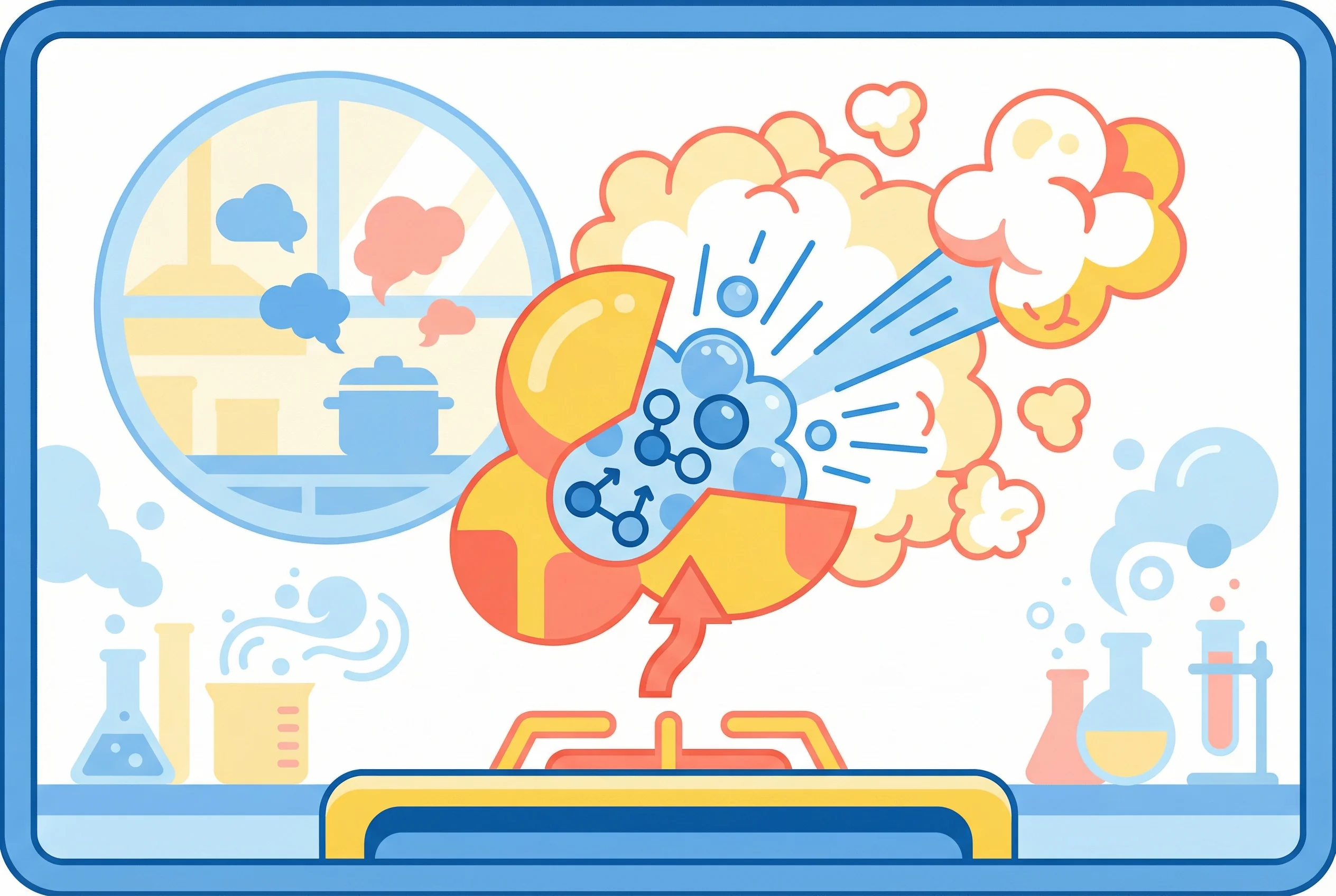
BWater vapor builds pressure
✓Correct - Each popcorn kernel contains about 14% water inside a hard shell. When heated, this water turns to steam and builds up pressure. At about 180°C, the pressure reaches 9 times normal atmospheric pressure and the shell ruptures. The starch inside instantly expands into the fluffy white foam we love!
CAir expands inside
✗Wrong. There's no air pocket inside popcorn kernels. The pressure comes from water molecules turning into steam vapor. This phase change from liquid to gas creates much more pressure than air expansion would.
Answer this question
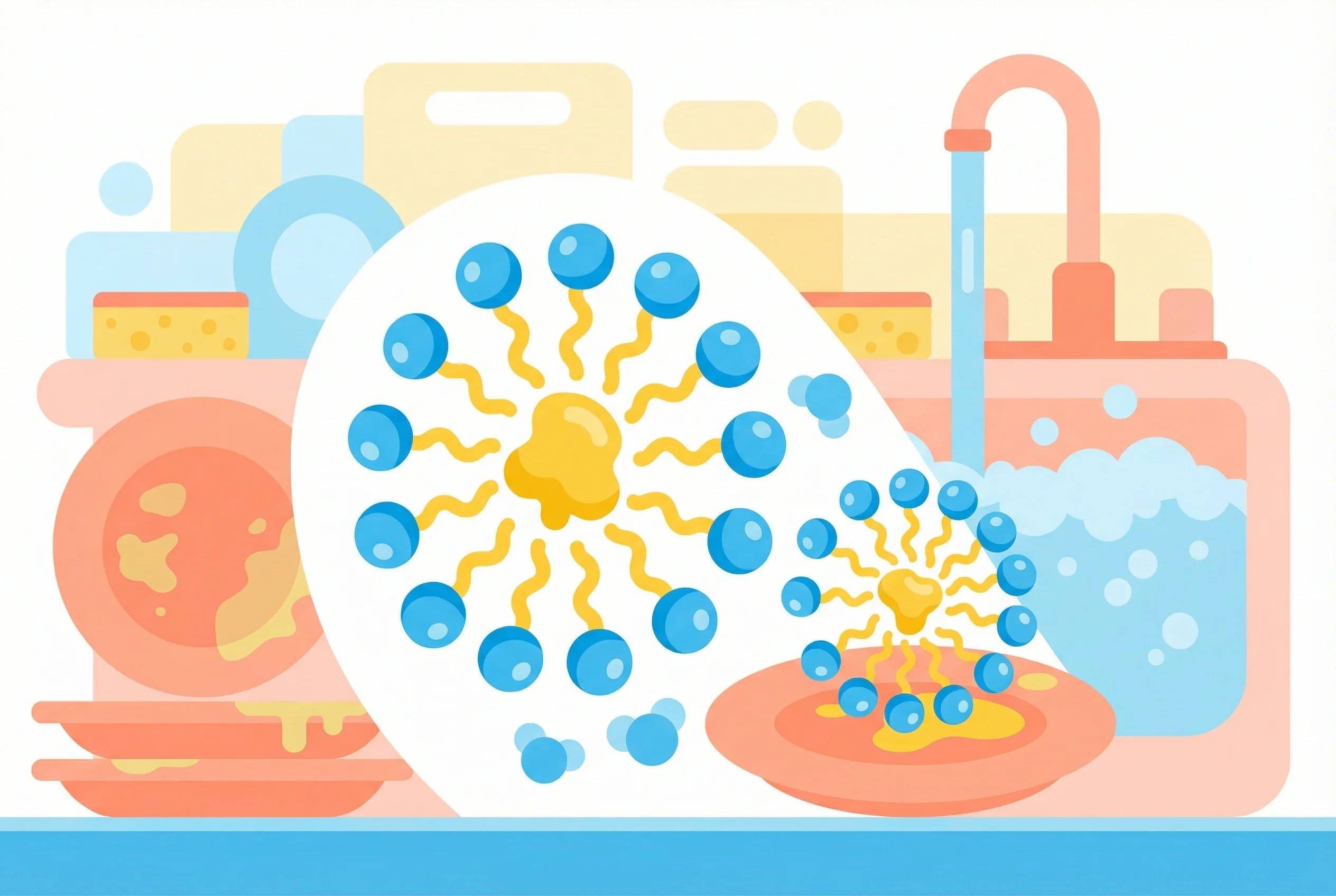
AMolecules grab water and oil
✓Correct - Soap molecules are special: one end likes water, the other likes oil and grease. When you wash dishes, soap surrounds grease with its oil-loving ends, while water-loving ends face outward. This lets water rinse away the grease. It's like a molecular bridge between oil and water!
BIt kills all bacteria
✗Wrong. While some soaps have antibacterial properties, that's not how they clean dishes. The primary cleaning action comes from the molecular structure that allows soap to bind both water and oils, lifting away grease.
CIt dissolves grease directly
✗Wrong. Soap doesn't dissolve grease chemically. Instead, soap molecules physically surround grease droplets and suspend them in water. The grease is lifted and washed away, not dissolved or broken down.
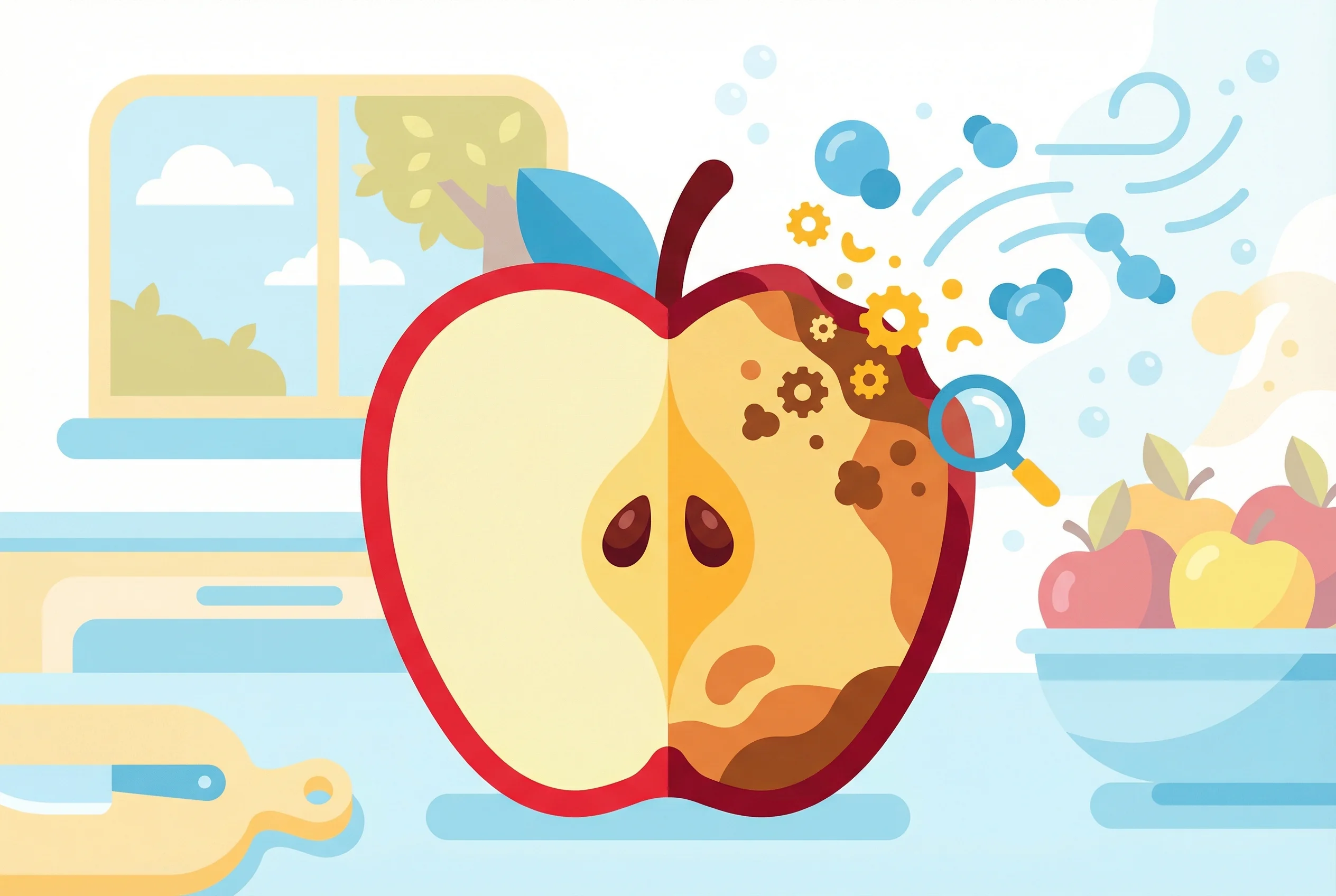
Answer this question
AMoisture evaporates changing color
✗Wrong. Evaporation doesn't cause browning—oxygen exposure does. Enzyme PPO catalyzes reaction between phenols and O₂.
BEnzymatic oxidation reaction
✓Correct - Enzymatic browning! Apples brown because: (1) Cutting damages cells—releases enzyme polyphenol oxidase (PPO). (2) PPO exposed to oxygen in air. (3) Catalyzes oxidation—phenolic compounds → quinones. (4) Quinones polymerize → melanins (brown pigments). (5) Natural protection—forms barrier (wounds). Prevent: lemon juice (citric acid denatures PPO), salt water, refrigeration (slows enzyme). Also: bananas, potatoes, avocados. Not harmful—just appearance!
CLight breaks down apple cells
✗Wrong. Light isn't the cause—oxygen exposure is. PPO enzyme catalyzes reaction between oxygen and phenolic compounds in cut apple.
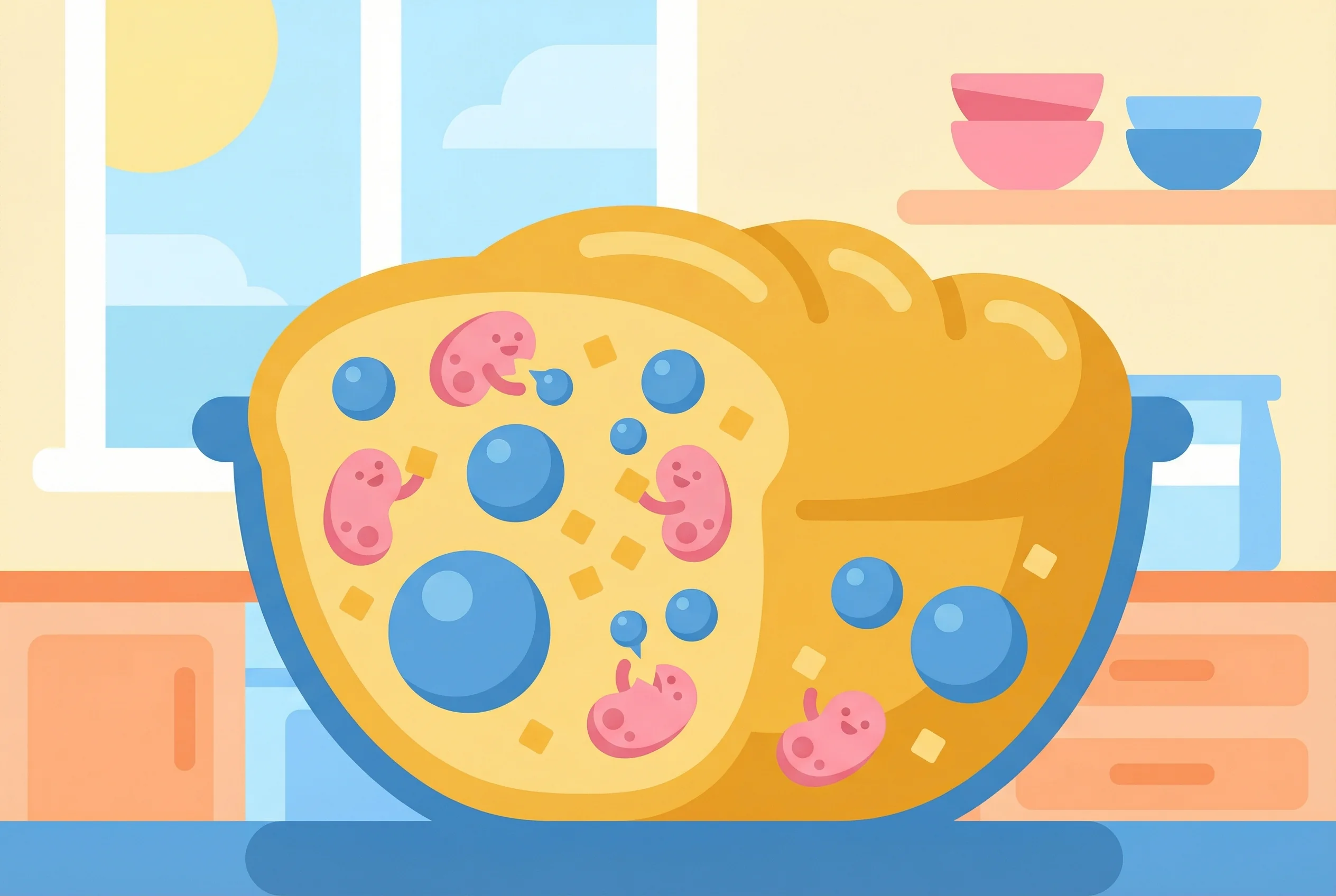
Answer this question
AAir bubbles expand when baking
✗Wrong. Air expands when baking, but yeast creates CO₂ bubbles through fermentation before baking—that's what leavens dough.
BFermentation produces CO₂ gas
✓Correct - Fermentation! Yeast makes bread rise through: (1) Yeast (Saccharomyces cerevisiae)—single-celled fungus. (2) Consumes sugars in dough: C₆H₁₂O₆ → 2C₂H₅OH + 2CO₂↑. (3) Fermentation—produces ethanol + carbon dioxide gas. (4) CO₂ trapped in gluten network—dough expands. (5) Baking: alcohol evaporates, bubbles set. Living organism! Needs warmth, moisture, food. Also produces flavor compounds. Proofing time: 1-2 hours (doubling). Ancient leavening method—Egyptians!
CChemical leavening agent
✗Wrong. Yeast is biological leavening (fermentation). Chemical leavening: baking powder/soda (acid-base reaction), different process.
Answer this question
Biology Questions Your Body Is Answering Right Now
ATo spread tears and keep eyes moist and clean
✓Correct - Each blink spreads a thin layer of tears across the cornea, keeping it lubricated and washing away dust and microorganisms. Without blinking, our eyes would dry out in seconds and become vulnerable to infection and damage.
BTo exercise the eye muscles and prevent weakness
✗Wrong. While blinking does involve eye muscles, this is not its primary purpose. The muscles around our eyes are already constantly active for eye movements and focusing. Blinking serves the critical function of maintaining eye moisture and cleanliness.
CTo reset our vision like refreshing a camera lens
✗Wrong. Our vision does not need 'resetting' like a device. Between blinks, our brain maintains continuous visual perception. Blinking is actually so fast (100-150 milliseconds) that our brain fills in the gap, so we do not notice the darkness during each blink.
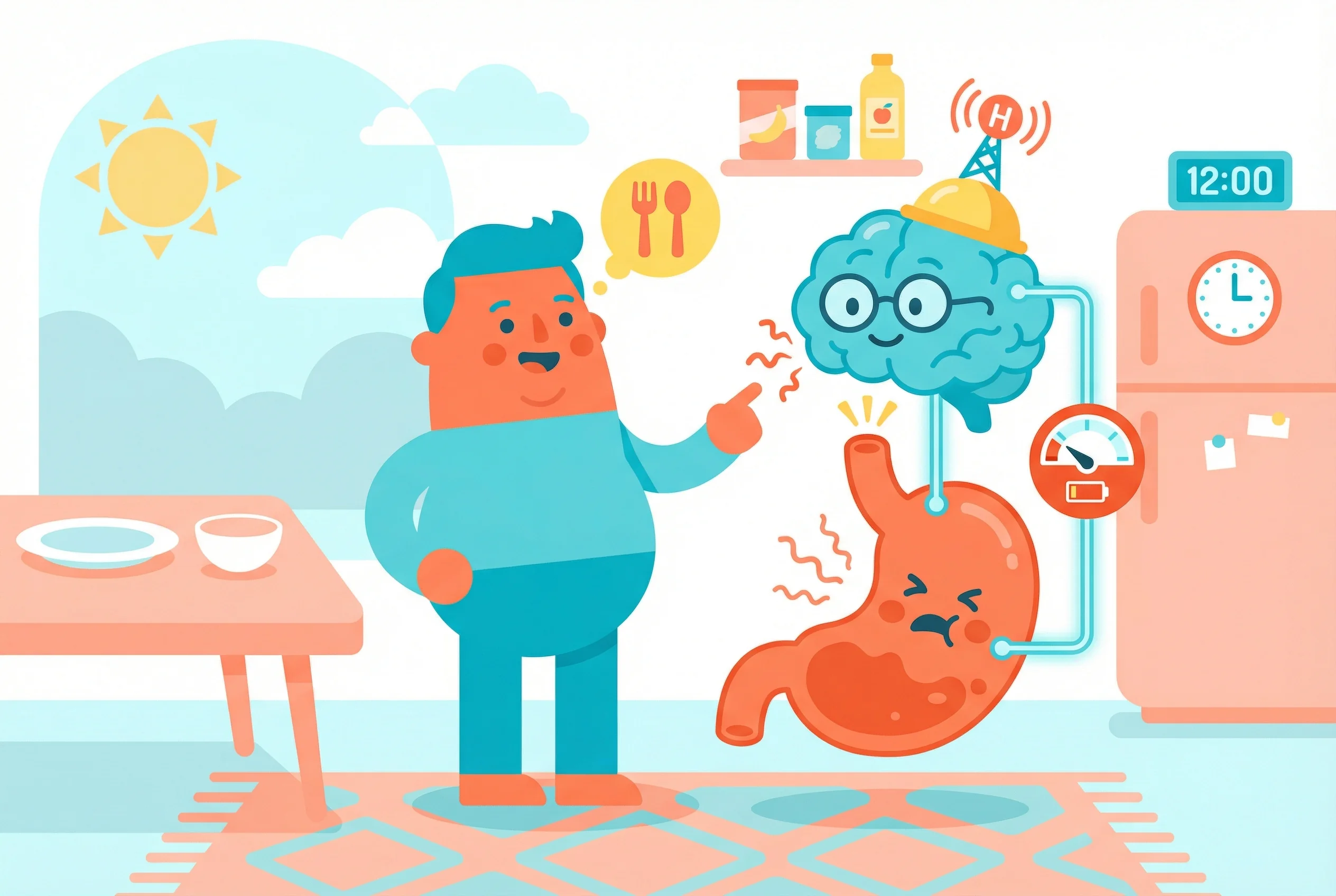
Answer this question
ABlood sugar drops trigger brain
✓Correct - Hunger is controlled by your brain, not your stomach. When blood sugar levels drop, your brain detects this change. It releases hormones like ghrelin that signal hunger. Your stomach may growl, but that's just movement, not emptiness. This system ensures your body gets energy before reserves run too low.
BDigestive system needs work
✗Wrong. The digestive system doesn't need to work constantly. Hunger signals come from the brain detecting low blood sugar, not from the digestive system needing activity.
CBody temperature decreases
✗Wrong. While body temperature affects metabolism, hunger is primarily triggered by the brain detecting drops in blood sugar levels, not temperature changes.
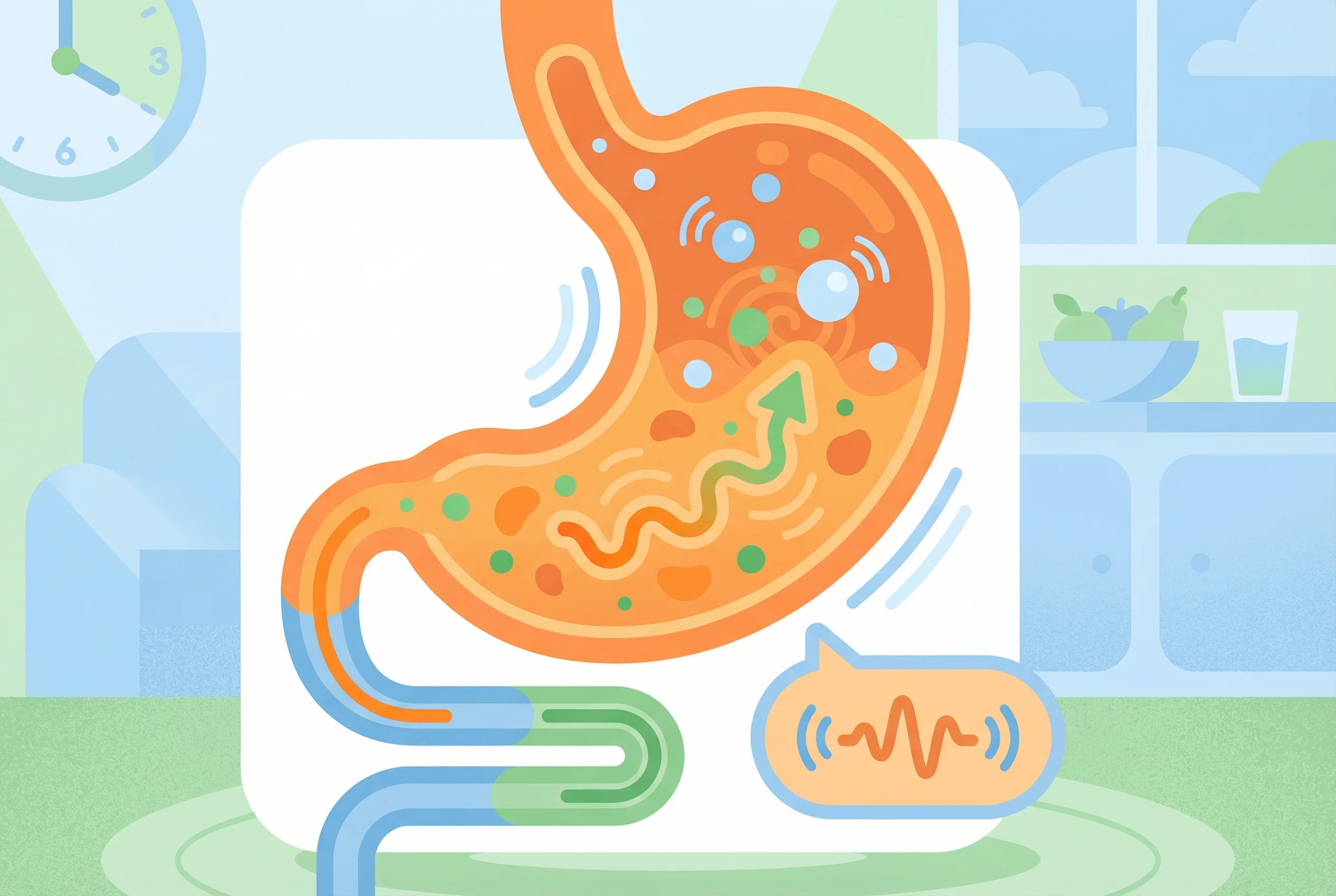
Answer this question
ADigestive muscles contracting
✓Correct - Stomach growling, called borborygmi, happens when digestive muscles contract in waves called peristalsis. These contractions move food, fluids, and air through your intestines. When your stomach is empty, the contractions squeeze mostly air, creating louder rumbling sounds. Hormones like motilin trigger these contractions, especially when you're hungry.
BFood is fermenting inside
✗Wrong. Food fermentation by gut bacteria does produce gas, but stomach growling is caused by peristaltic muscle contractions moving contents through the digestive tract.
CStomach acid bubbling
✗Wrong. Stomach acid doesn't bubble to create growling sounds. The noise comes from peristaltic contractions of smooth muscles squeezing air and fluids through the digestive system.
Answer this question
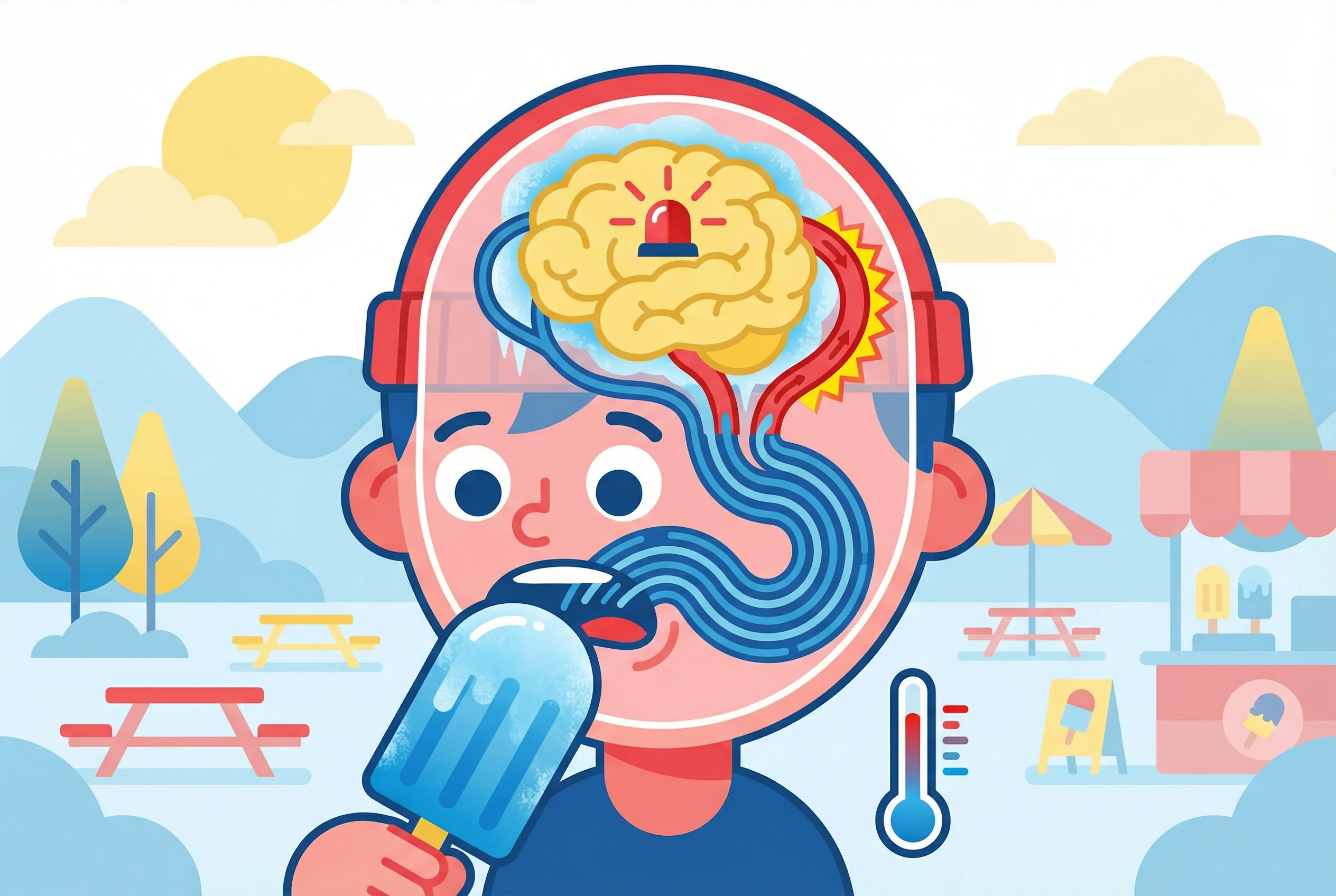
AIce cream numbs nerves
✗Wrong. Nerves aren't numbed—they're actually overstimulated by rapid temperature change.
BBlood vessels rapidly change
✓Correct - Cold food touching the roof of your mouth causes blood vessels to rapidly constrict then dilate. This triggers pain receptors. Your brain interprets this as head pain. Pressing your tongue to the roof of your mouth can help!
CCold damages brain cells
✗Wrong. No brain damage occurs. It's a temporary pain response from blood vessel changes in your mouth.
Answer this question
AImprove grip and touch sensitivity
✓Correct - Fingerprints serve two main functions. The ridges increase friction, improving grip on objects by channeling away moisture like tire treads. More, they amplify vibrations from textures you touch. The ridges create pressure variations that stimulate mechanoreceptors in the skin, giving you enhanced tactile sensitivity. They form in the womb as dermal papillae create unique patterns.
BTo regulate temperature
✗Wrong. Fingerprints don't regulate temperature. They evolved to enhance grip by channeling moisture and improve touch sensitivity by creating dermal ridges that amplify texture vibrations.
CTo protect finger bones
✗Wrong. Fingerprints don't protect bones. These dermal ridges enhance grip through increased friction and moisture channeling, plus improve touch sensitivity by amplifying vibrations to mechanoreceptors.
Answer this question
Space and Scale Science Quiz Questions
AStars are too far apart
✓Correct - Although there are billions of stars, they're incredibly far apart. Space is about 99.9999999999999% empty vacuum. Light from stars spreads out in all directions, getting dimmer with distance. Most light from distant stars is too faint to see. Also, the universe has a finite age (13.8 billion years), so light from the most distant stars hasn't reached us yet. The vast emptiness between stars makes space appear dark.
BThere aren't enough stars
✗Wrong. There are hundreds of billions of stars just in our galaxy alone, and billions of galaxies in the observable universe. The number of stars is enormous. The darkness comes from their vast separation and the finite age of the universe, not insufficient quantity.
CDark matter blocks light
✗Wrong. Dark matter doesn't block or absorb light - it doesn't interact with light at all, which is why it's called 'dark.' Dark matter only interacts through gravity. The darkness of space is due to the vast distances between stars and limited observable universe.
Answer this question
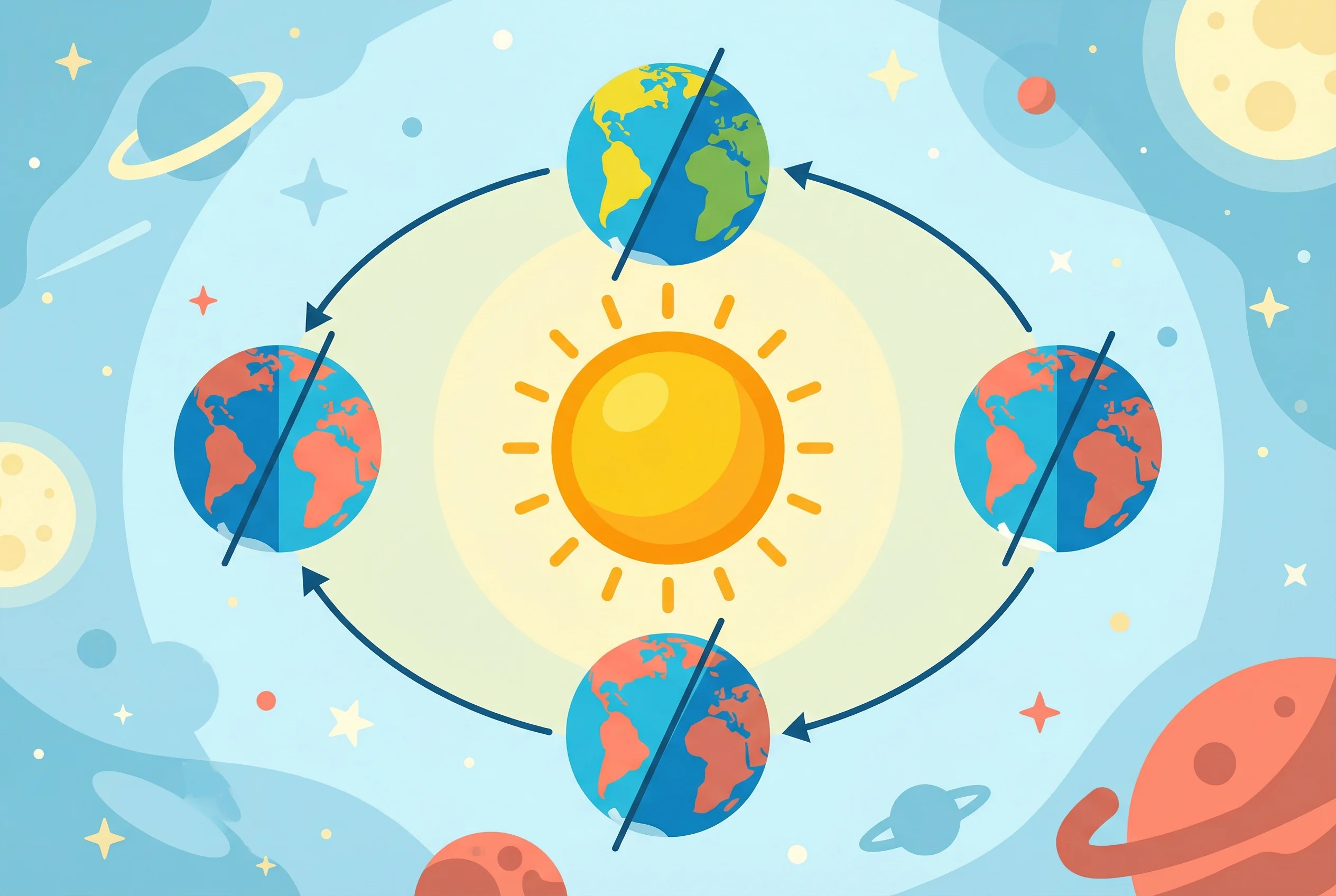
AEarth's axis is tilted
✓Correct - Earth's axis is tilted 23.5° from vertical. As Earth orbits the Sun, this tilt means the Northern Hemisphere points toward the Sun in June (summer there) and away in December (winter). When tilted toward the Sun, that hemisphere gets more direct sunlight and longer days, creating summer. The opposite hemisphere experiences winter. This tilt causes seasons.
BThe Sun's heat output changes
✗Wrong. The Sun's energy output is remarkably constant over short timescales like years. Small variations (about 0.1%) follow an 11-year solar cycle, but this doesn't cause our annual seasons.
CEarth's speed varies in orbit
✗Wrong. Earth's orbital speed doesn't cause seasons—Earth moves at nearly constant speed throughout its orbit. The 23.5° axial tilt is responsible for the dramatic seasonal temperature and daylight changes we experience.
Answer this question

ASun's gravity pulls them
✓Correct - The Sun contains 99.8% of our solar system's mass, creating enormous gravitational pull. Planets would fly off in straight lines, but the Sun's gravity constantly pulls them inward. The result is a balance: the planet's forward motion combined with inward gravitational pull creates a curved orbit. The stronger the Sun's gravity and the closer the planet, the faster it must move to maintain orbit. This is why Mercury orbits in 88 days while Neptune takes 165 years.
BMagnetic forces attract them
✗Wrong. While the Sun and planets have magnetic fields, these forces are extremely weak compared to gravity. Magnetic forces affect charged particles and some spacecraft, but they don't control planetary orbits. Gravity is the dominant force keeping planets in orbit.
CSpace vacuum pulls them inward
✗Wrong. Vacuum doesn't pull or push anything—it's simply empty space. Planets orbit because the Sun's gravity attracts them, not because space itself exerts any force.
Answer this question
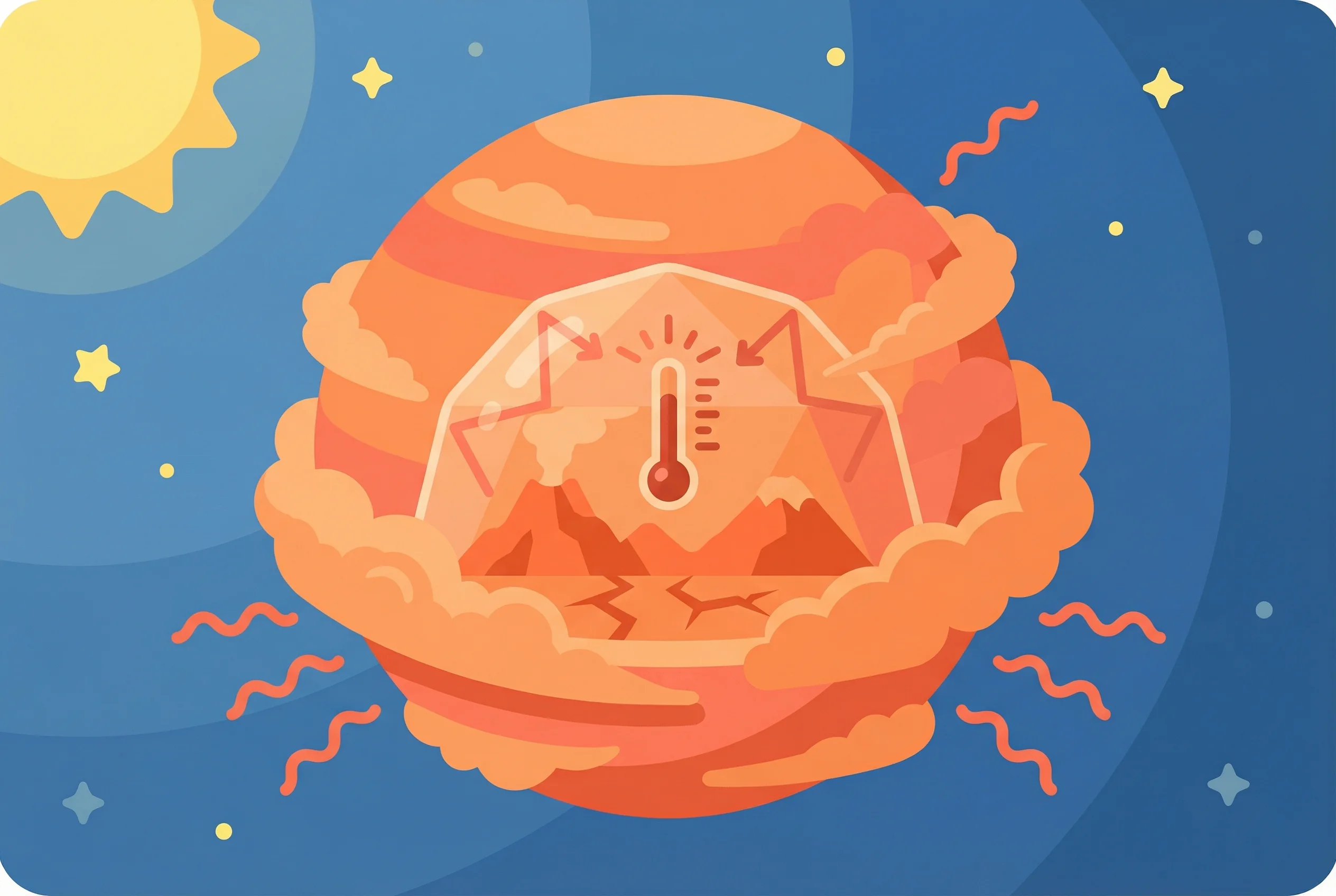
AThick CO₂ atmosphere traps heat
✓Correct - Venus has a runaway greenhouse effect. Its atmosphere is 96% carbon dioxide and 90 times thicker than Earth's - like being 900 meters underwater! Sunlight passes through but heat can't escape. This trapped heat raises surface temperature to 464°C (867°F) - hot enough to melt lead. The thick clouds of sulfuric acid reflect sunlight but also trap heat. Even though Mercury is closer to the Sun, Venus is hotter because of this extreme atmospheric insulation.
BVolcanoes heat the surface
✗Wrong. While Venus may have some volcanic activity, active volcanoes don't significantly contribute to its extreme surface temperature. The heat comes from solar energy trapped by the thick CO₂ atmosphere (greenhouse effect), not from internal volcanic heat.
CIts core is extremely hot
✗Wrong. All planets have hot cores, but core heat doesn't significantly warm the surface. Venus's extreme 464°C surface temperature is caused by its thick CO₂ atmosphere trapping solar heat (greenhouse effect), not by heat from its interior rising to the surface.
Answer this question
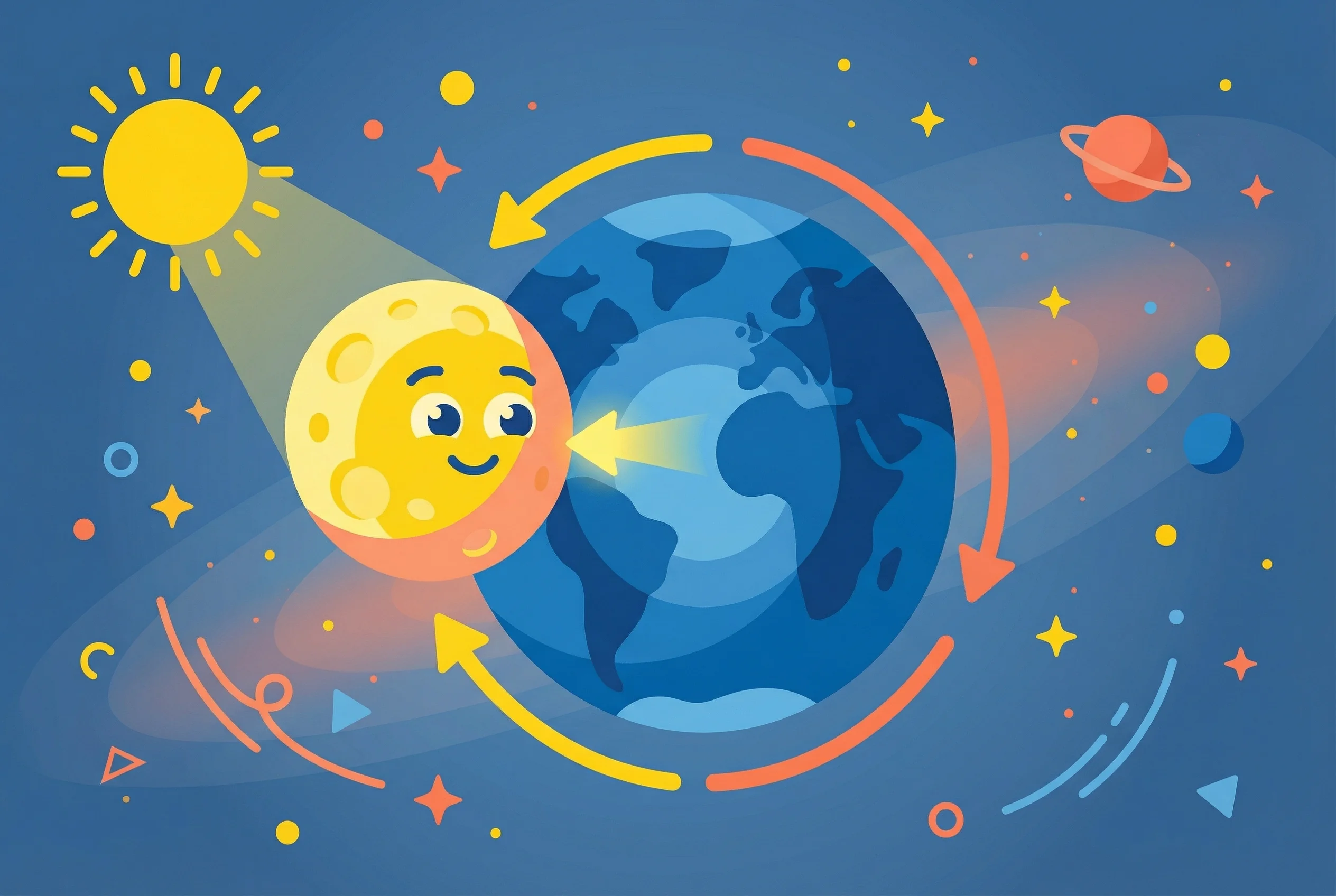
AEarth's shadow covers parts
✗Wrong. Earth's shadow creates lunar eclipses, not phases. Phases occur because we see different portions of the sun-lit half as the moon orbits Earth.
BSun lights different moon sides
✓Correct - The moon doesn't produce light—it reflects sunlight. As the moon orbits Earth (~29.5 days), the angle between sun, moon, and Earth changes. We see varying amounts of the lit half: new moon (dark), crescent, first quarter (half), gibbous, full moon (fully lit), and back. Phases result from changing viewing angles!
CAtmosphere distorts moonlight
✗Wrong. Atmosphere doesn't create phases. Phases occur because the moon orbits Earth, changing how much of its sun-lit surface we see.
Answer this question
Hard Science Questions With Answers
AStored sunlight releasing
✗Wrong. Rocks don't store sunlight like batteries. Fluorescence happens instantly when UV light hits certain minerals, exciting electrons that emit visible light.
BFluorescent minerals absorb UV
✓Correct - Minerals like fluorite, calcite, and willemite contain atoms that absorb high-energy UV light, exciting electrons to higher energy states. When electrons drop back down, they release lower-energy visible light—creating glowing colors! It's called fluorescence (named after fluorite!). No glow without UV light.
CHeat from Earth's core
✗Wrong. Fluorescence is from UV light interaction with minerals, not geothermal heat. Heat doesn't make rocks glow visibly.
Answer this question
AChaotic flows in molten iron core reorganize and flip polarity
✓Correct - Earth's magnetic field is generated by a 'geodynamo' - the movement of electrically conducting molten iron in the outer core. These flows are turbulent and chaotic, like weather patterns. Occasionally, the flow patterns reorganize into the opposite configuration, causing the magnetic poles to flip. This process typically takes 1,000 to 10,000 years and has happened hundreds of times throughout Earth's history.
BThe Sun's gravity pulls and twists Earth's magnetic field
✗Wrong. While the Sun does produce a magnetic field and solar wind, it does not control Earth's internal magnetic field. Earth's magnetism is generated deep inside our planet by movements in the molten iron core, independent of external influences. The Sun's magnetic field actually interacts with Earth's field to create phenomena like auroras, but cannot cause pole reversals.
CContinental drift pushes magnetic rocks to opposite hemispheres
✗Wrong. Continental drift moves tectonic plates at the surface, but Earth's magnetic field originates from the liquid outer core about 3,000 kilometers below the surface. While rocks can record the direction of past magnetic fields (providing evidence of reversals), the movement of magnetic rocks at the surface cannot influence or cause the deep core processes that generate the magnetic field.
Answer this question
AMoon doesn't rotate at all
✗Wrong. The moon does rotate—once per orbit (~27.3 days). We see the same face because its rotation period equals its orbital period (tidal locking).
BTidal locking synchronizes rotation
✓Correct - Tidal locking (synchronous rotation) means the moon's rotation period equals its orbital period around Earth. Earth's gravity created tidal bulges on the moon long ago. These bulges experienced torque, gradually slowing the moon's rotation until it matched the orbit. Now the same face always points Earthward. Many moons are tidally locked to their planets!
CMoon is perfectly spherical
✗Wrong. Shape doesn't determine this. Tidal locking occurs when gravitational interactions synchronize rotation and orbital periods over time.
Answer this question
AIron oxide like Mars
✗Wrong. Jupiter is gaseous (hydrogen, helium). The red color likely comes from complex organic compounds created by solar radiation, not iron oxide.
BGiant storm system persisting
✓Correct - The Great Red Spot is a massive anticyclonic storm—been observed for ~350+ years! It's ~2x Earth's diameter but shrinking. Storms on gas giants can persist far longer than on Earth because there's no land to disrupt them. The red color may be from phosphorus or sulfur compounds brought up from deeper atmospheric layers!
CShadow from Jupiter's moons
✗Wrong. Moon shadows are temporary. The Great Red Spot is a persistent storm feature in Jupiter's atmosphere visible for centuries.
Answer this question
AThey contain iron bands that only form in oxygen-poor conditions
✓Correct - Banded iron formations contain layers of iron that could only accumulate in ocean water when oxygen was scarce. Iron dissolves easily in oxygen-free water but immediately rusts and sinks when oxygen is present. These distinctive red and black bands formed before cyanobacteria filled the atmosphere with oxygen about 2.4 billion years ago, creating a chemical 'snapshot' of ancient air.
BThey are darker in color, showing lack of sunlight back then
✗Wrong. Rock color can change due to many factors like mineral content and heat, not atmospheric conditions. Dark rocks exist in both oxygen-rich and oxygen-poor environments. Scientists determine ancient oxygen levels by studying specific chemical reactions in minerals, not by looking at color alone.
CThey contain fossils of animals that did not need oxygen
✗Wrong. The oldest rocks with these oxygen clues are 3.8 billion years old, but complex animals did not appear until about 600 million years ago. Early Earth had only simple single-celled organisms. Scientists read atmospheric history from rock chemistry, not from fossils of oxygen-breathing creatures that came much later.
Answer this question
Frequently Asked Questions
What are good science quiz questions for adults with answers?
Good adult science questions ask about ordinary things with hidden mechanisms: bubbles, bridges, hunger, tides, fingerprints, or planets. The answer should close a real information gap, not just name a fact.
How hard should a general science quiz be?
A useful mix starts with questions most people can enter, then adds a few that make confident adults pause. Curiosity peaks when the gap is visible but not hopelessly far away.
Can these science quiz questions work for trivia night?
Yes. Use the three choices for the round, then read the explanation as the reveal. The feedback is written to make the wrong answers useful instead of embarrassing.
What is the difference between science trivia and a science quiz?
Trivia often rewards recognition. A science quiz can do more: it can ask for a cause, mechanism, or prediction, then give the answer in a way that compounds into the next question.
Where can I get a new daily science quiz?
AIgneous Million Whys turns this format into a 10-second curiosity habit: one question, one guess, one explanation, and one small piece of closure you can carry into the day.