Good nature quiz questions and answers should feel like a walk where every few steps turns into a “wait, why?” A tree ring, a salty lake, a crab walking sideways, a rainbow after rain: the facts are small, but the closure compounds because each answer gives you a better handle on the living world around you.
If you would rather have one of these a day than thirty at once, that is what Trivia Question of the Day is for — one nature or science question, answered and explained, no signup.
Things in Your Own Garden
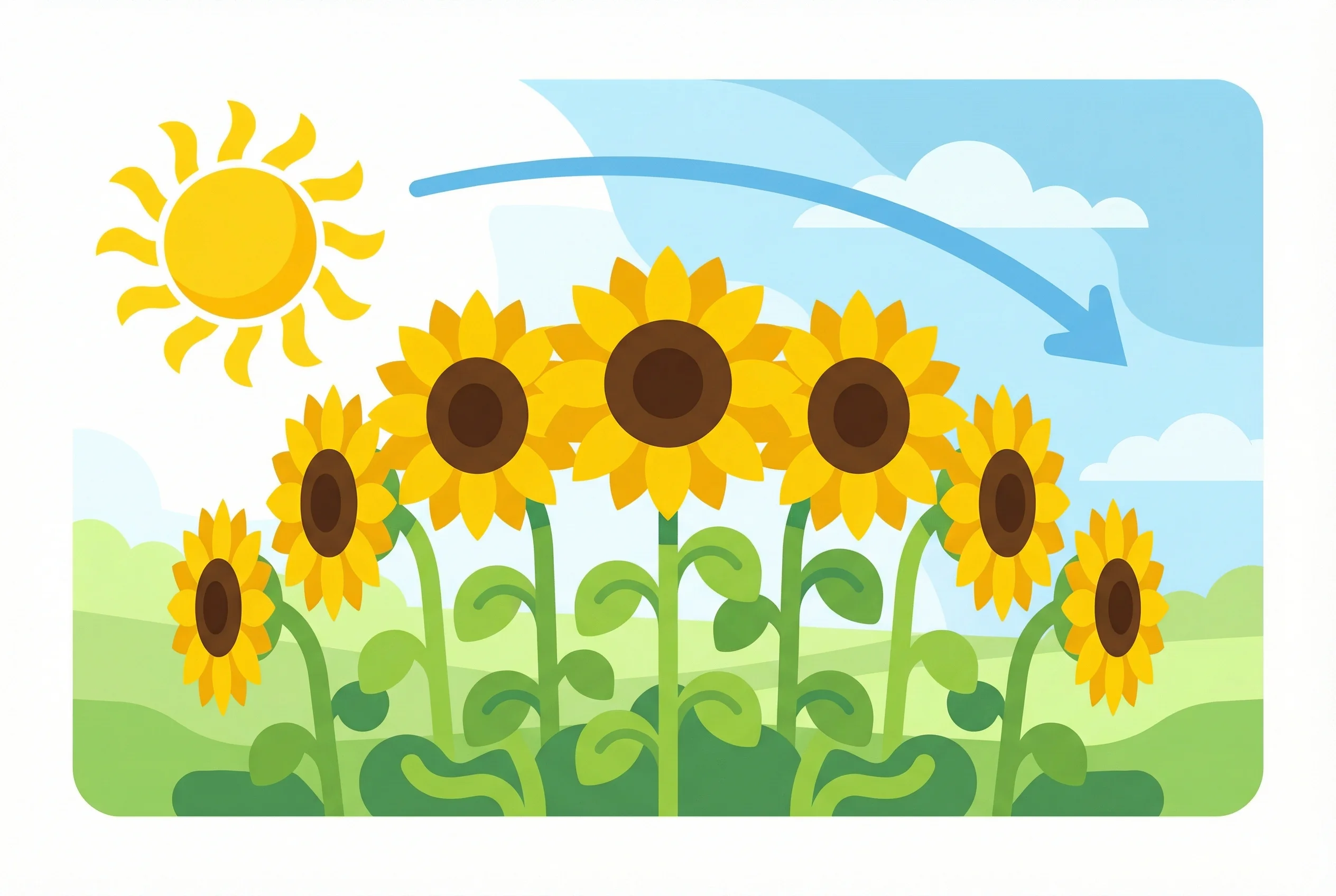
AIt maximizes photosynthesis
✓Correct — Young sunflowers track the sun from east to west during the day (heliotropism). This maximizes photosynthesis by keeping leaves perpendicular to sunlight. At night, they turn back east to greet the sunrise. The mechanism involves growth hormones: auxin accumulates on the shaded side, causing faster growth there, turning the plant toward light. Mature sunflowers stop and face east!
BAttract more bees
✗Not quite — While east-facing mature sunflowers do attract more bees in warm morning sun, young sunflowers track the sun specifically to maximize photosynthesis for growth.
CPrevent water loss
✗Not quite — Sun tracking isn't about water conservation. Sunflowers follow the sun to capture maximum light for photosynthesis. They use auxin hormones to grow faster on shaded sides, turning toward light.
Answer this question
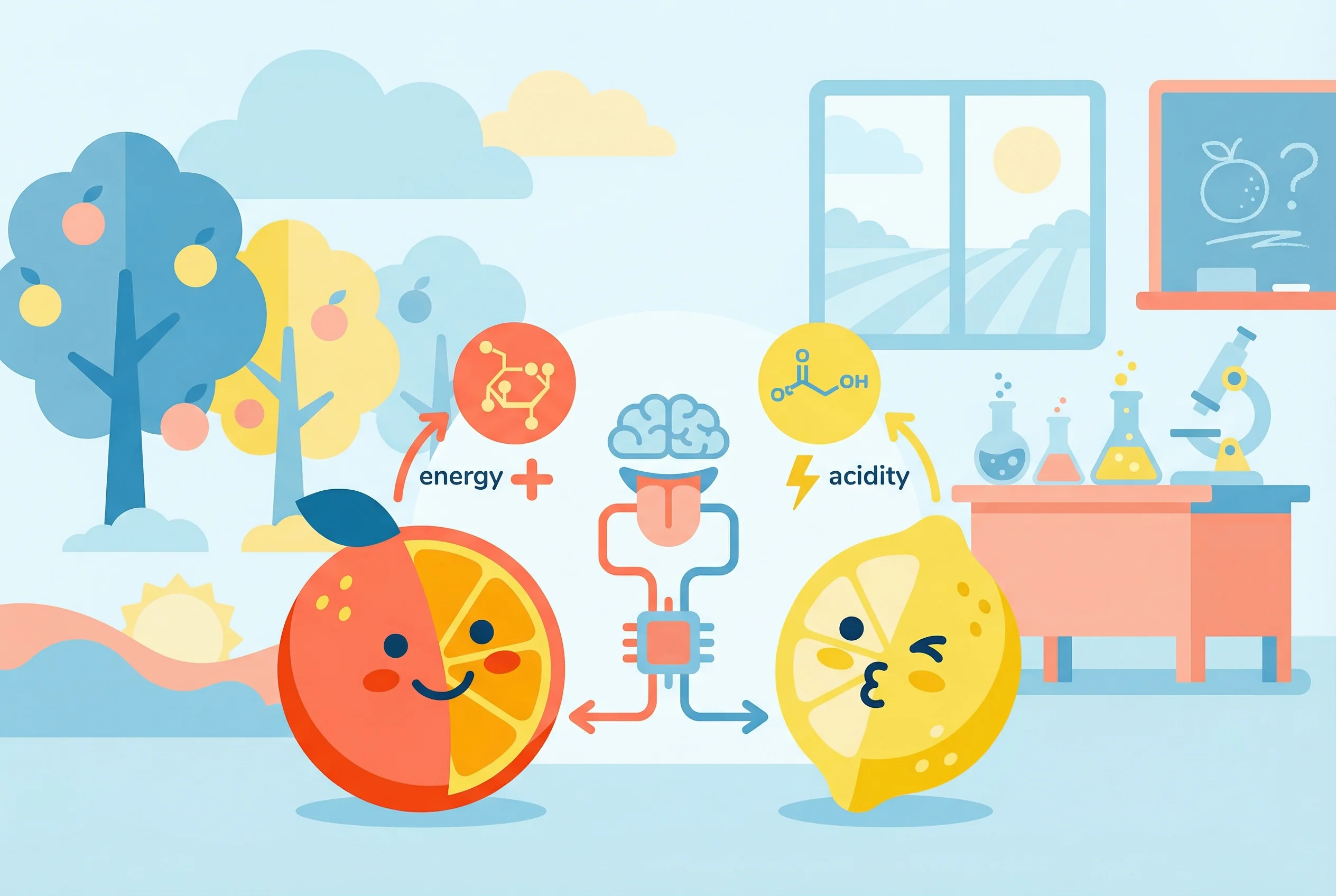
ARipeness signals for animals
✓Correct — Fruits are sweet or sour as communication with animals. Unripe fruits are sour (high acid, low sugar) to discourage eating before seeds mature. Ripe fruits convert acids to sugars, becoming sweet to attract animals. Animals eat sweet fruit, walk away, and deposit seeds in droppings. Evolution's perfect partnership for seed dispersal!
BTemperature affects flavor
✗Not quite — While temperature can affect sugar production in some fruits, the sour-to-sweet transition is primarily about ripeness signaling, not temperature. It's an evolutionary strategy for seed dispersal.
CSoil pH determines taste
✗Not quite — Soil pH doesn't directly determine fruit taste. The sour-to-sweet change happens during ripening as plants convert acids to sugars, signaling animals that seeds are ready for dispersal.
Answer this question
AThey help produce chlorophyll
✗Not quite — Veins don't produce chlorophyll—chloroplasts in leaf cells do. Veins transport water and nutrients to support photosynthesis.
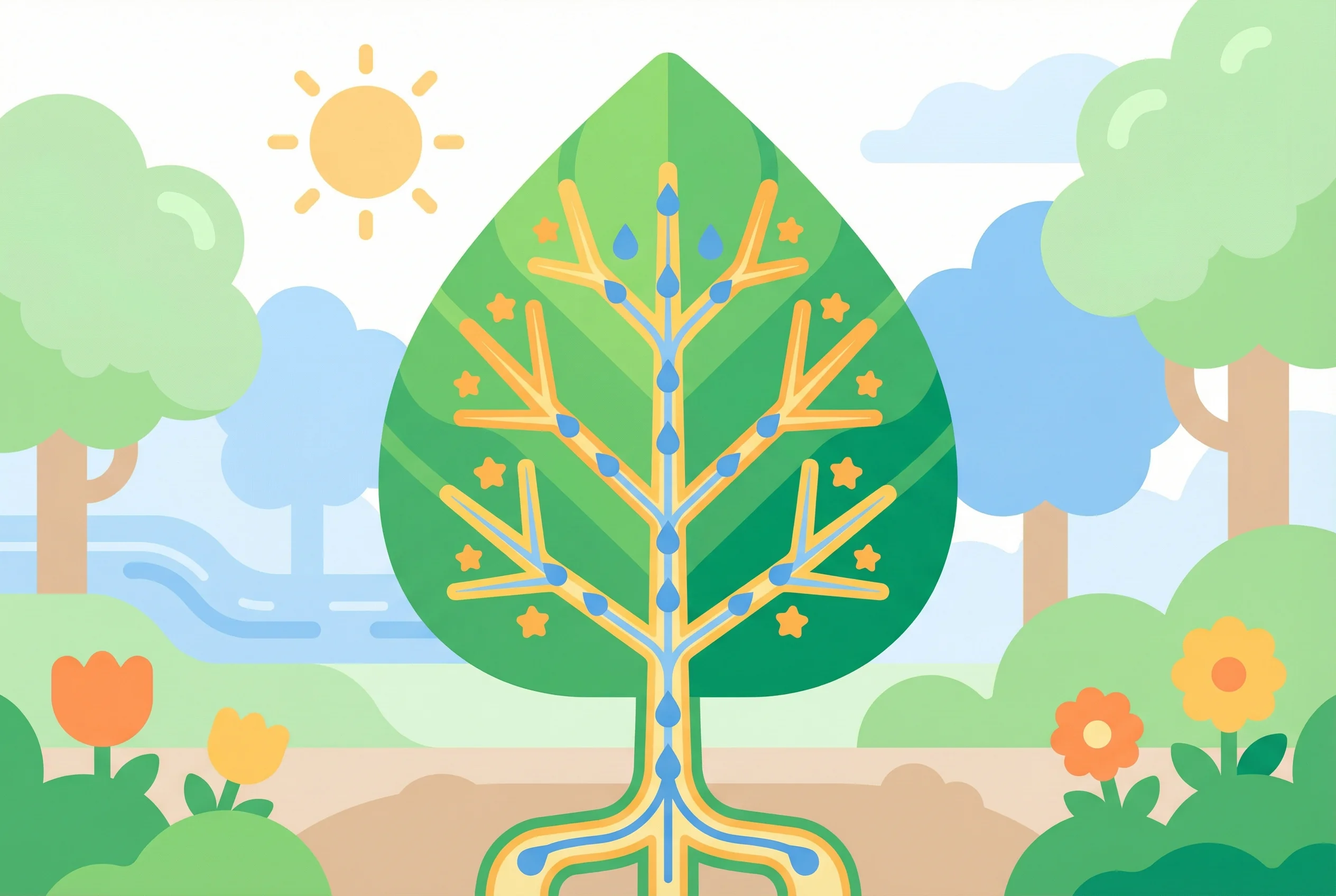
BTransport water and nutrients
✓Correct — Leaf veins are vascular bundles containing xylem (brings water and minerals from roots) and phloem (distributes sugars made by photosynthesis). The branching network ensures every leaf cell gets water for photosynthesis and exports products. Vein patterns (parallel in monocots, netted in dicots) maximize efficiency!
CStore excess sugar
✗Not quite — Veins don't store sugar—they transport it through phloem to other plant parts. Storage happens in specialized cells, not vascular tissue.
Answer this question
ADogs confuse grass with meat
✗Not quite — Dogs distinguish grass from meat. Grass-eating is deliberate behavior—often to relieve stomach discomfort or induce vomiting.
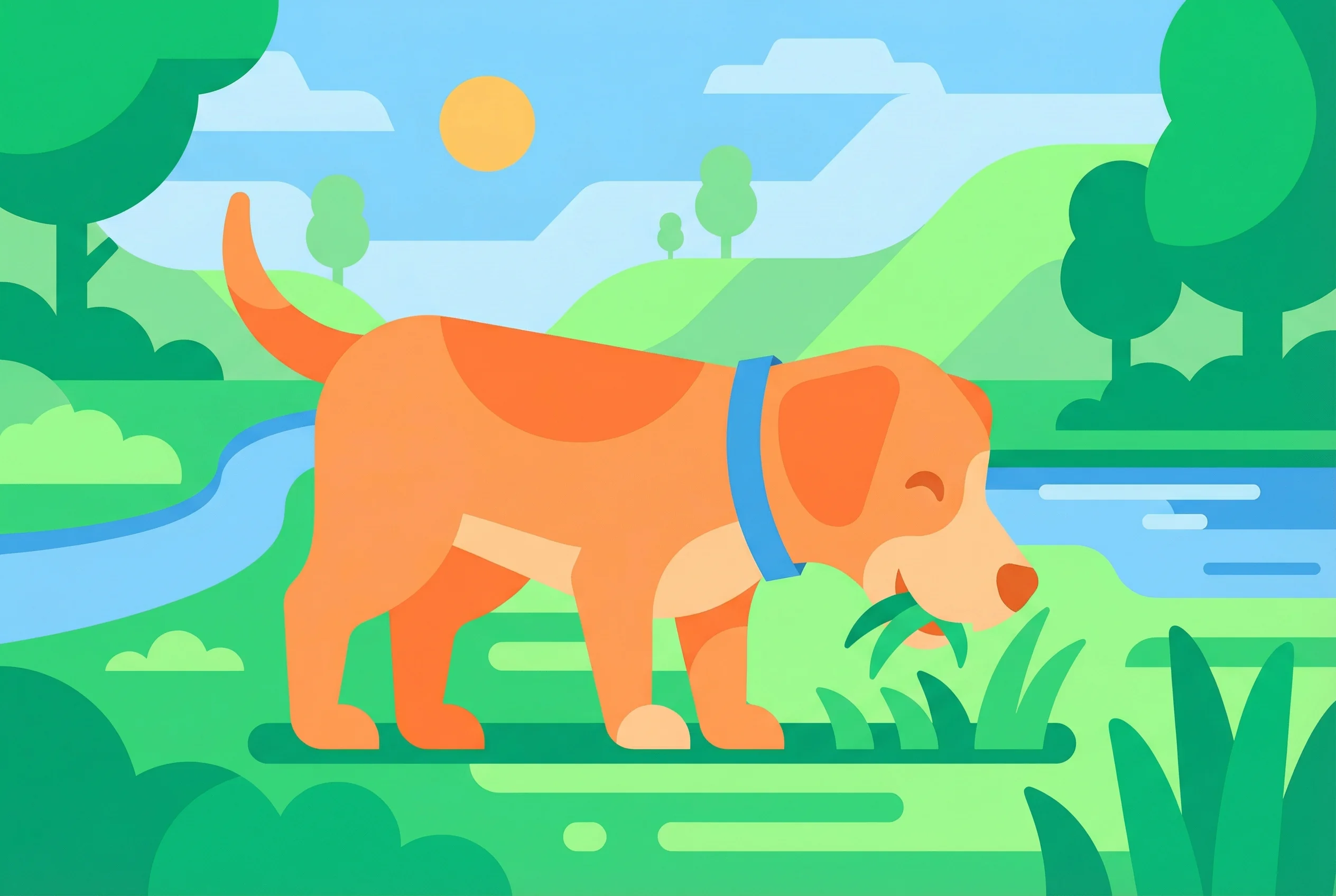
BInstinct to induce vomiting
✓Correct — Self-medication behavior! Dogs eat grass for multiple reasons: (1) Digestive upset—induces vomiting to expel irritants. (2) Dietary fiber—helps move intestinal contents. (3) Instinctive behavior—inherited from wild ancestors. (4) Boredom/anxiety—behavioral comfort. Not harmful unless grass treated with pesticides. Wolves/wild canids also eat grass and plants. If frequent, may indicate diet deficiency or GI issues—vet checkup recommended. Normal occasional behavior!
CSharpens teeth on grass blades
✗Not quite — Grass doesn't sharpen teeth—chewing bones does. Dogs eat grass for digestive relief, inducing vomiting, or adding fiber to diet.
Answer this question
ACourtship ritual for mating
✗Not quite — Bee dances aren't mating behavior—they're communication system. Waggle dance conveys food source location/quality to hive mates.
BCommunicating food locations
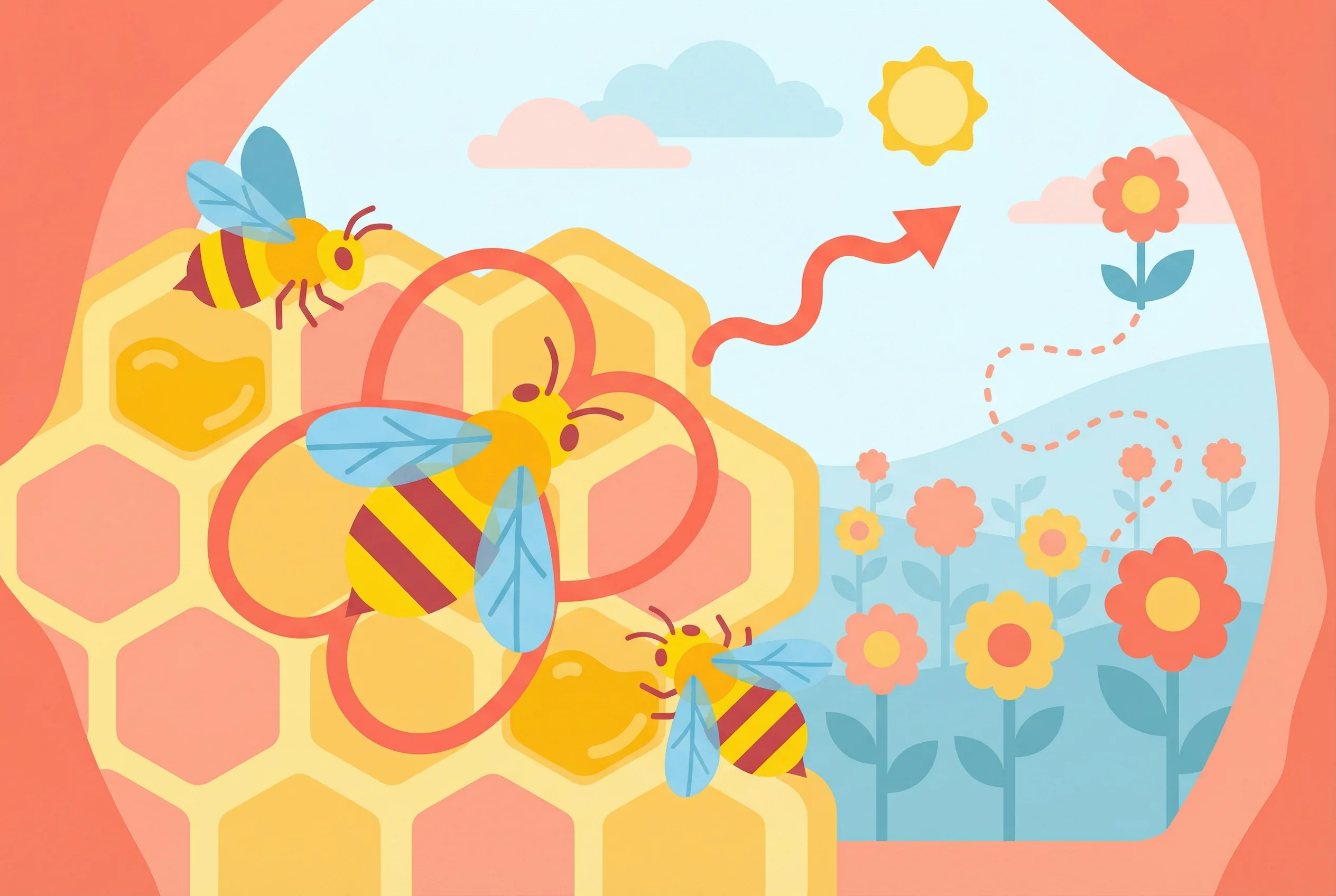
✓Correct — Spatial communication! Waggle dance: figure-8 pattern communicating flower location. Information encoded: (1) Angle—sun direction vs food direction. (2) Duration—distance to source (1 sec ≈ 1km). (3) Vigor—food quality. Round dance: food nearby (<50m). Von Frisch discovered this (Nobel Prize). Bees dance on vertical comb in dark hive—gravity substitutes for sun reference. Remarkable navigation and abstract communication in insects!
CWarming up flight muscles
✗Not quite — Bees do warm muscles through shivering, but waggle dance specifically communicates food source location/distance to colony.
Answer this question
Forests and What Trees Actually Do
ALeaves die from cold
✗Not quite — Trees don't passively lose leaves to cold damage. Leaf drop is an active, controlled process where trees form special cells to cut off leaves and conserve resources for winter.
BTo conserve water and energy
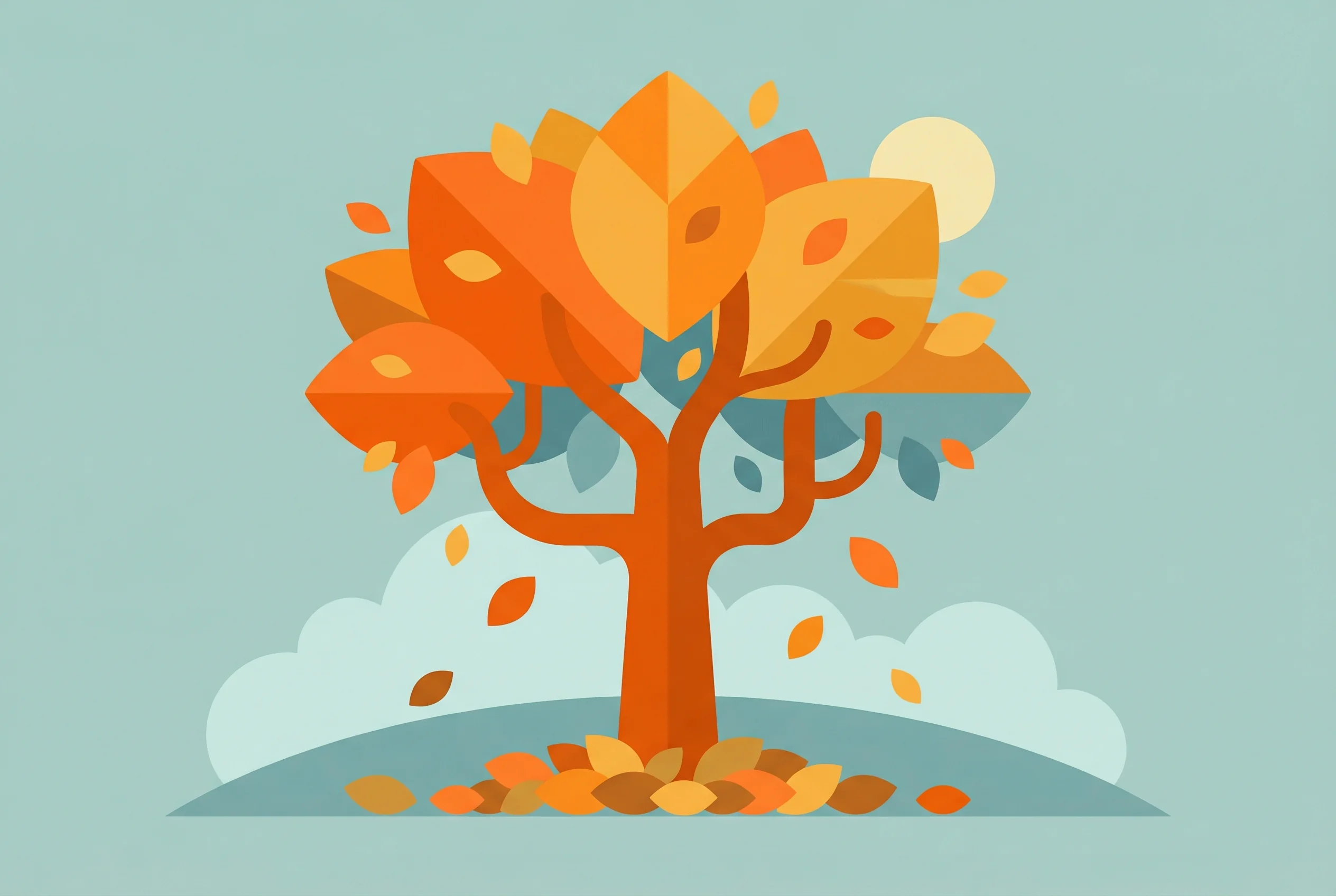
✓Correct — Trees shed leaves as a survival strategy. In winter, frozen ground makes water scarce and leaves would lose too much water through transpiration. By dropping leaves, trees reduce water loss and save energy. They seal off leaves with a special layer, reabsorb nutrients, then let them fall. It's called dormancy!
CMake room for new growth
✗Not quite — Trees don't shed leaves to make room for new ones. They drop leaves to survive winter by conserving water and energy when conditions are harsh.
Answer this question
AGrowth varies by season
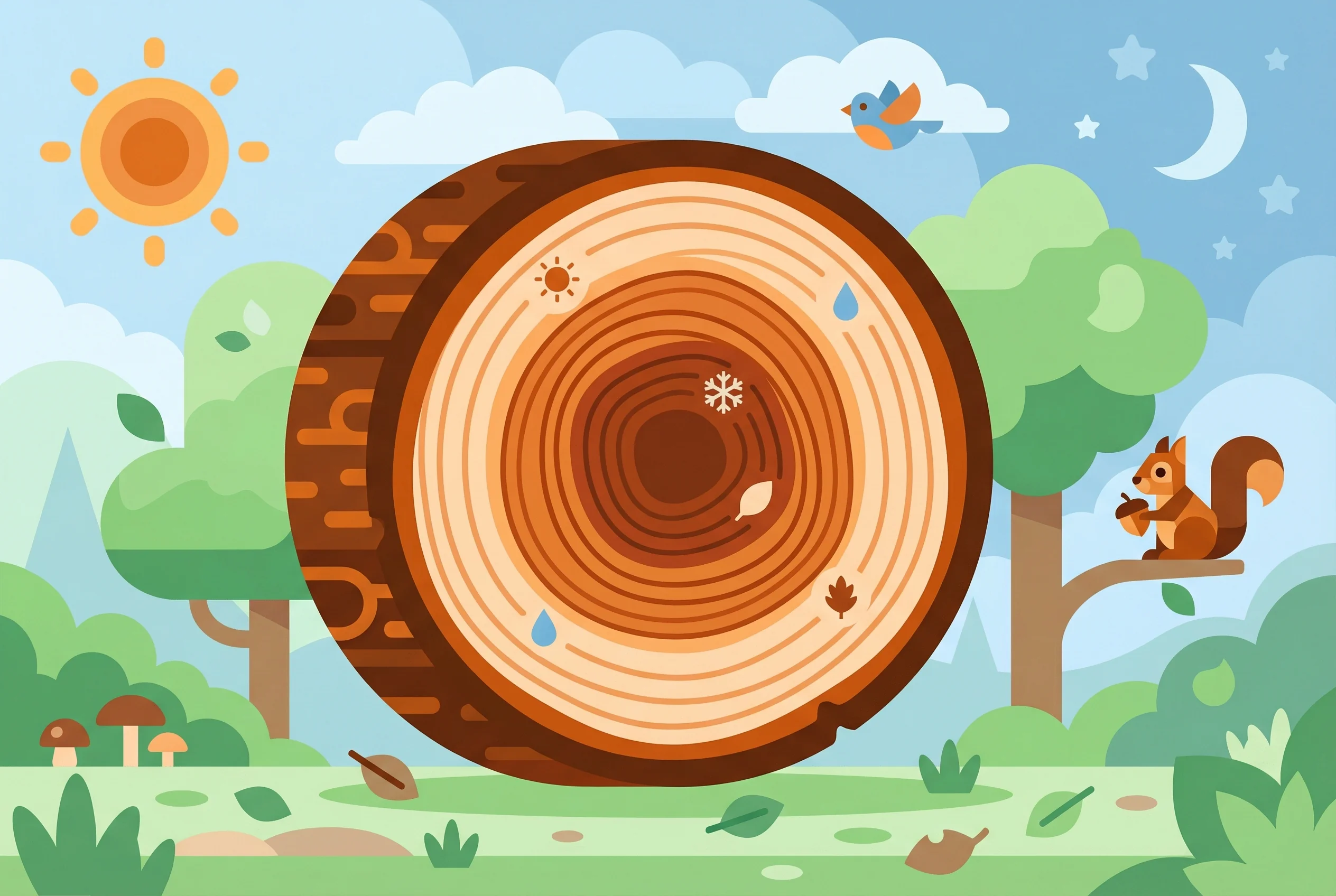
✓Correct — Trees grow faster in spring/summer (light ring) and slower in fall (dark ring). Each pair is one year. Ring width shows growing conditions—thick rings mean good years. Scientists use rings to study climate history going back thousands of years!
BRings transport water
✗Not quite — Water flows through the outer rings, but rings form from seasonal growth differences, not water transport.
CTrees mark their age
✗Not quite — Rings don't intentionally mark age—they're a byproduct of seasonal growth variation.
Answer this question
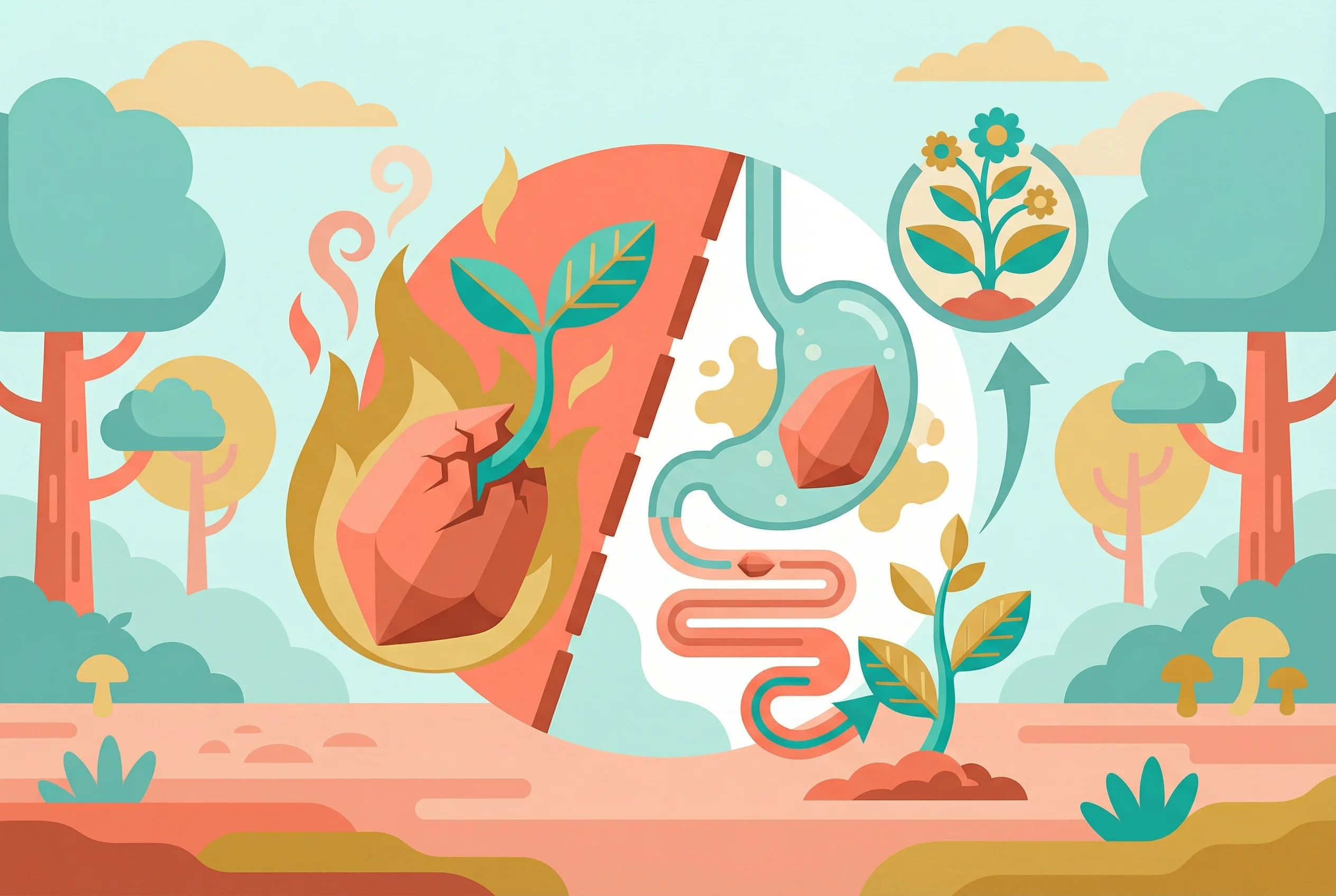
AFire provides fertilizer ash
✗Not quite — Ash does fertilize, but many fire-adapted seeds need heat or smoke chemicals to break dormancy, not just nutrients.
BHeat cracks hard seed coats
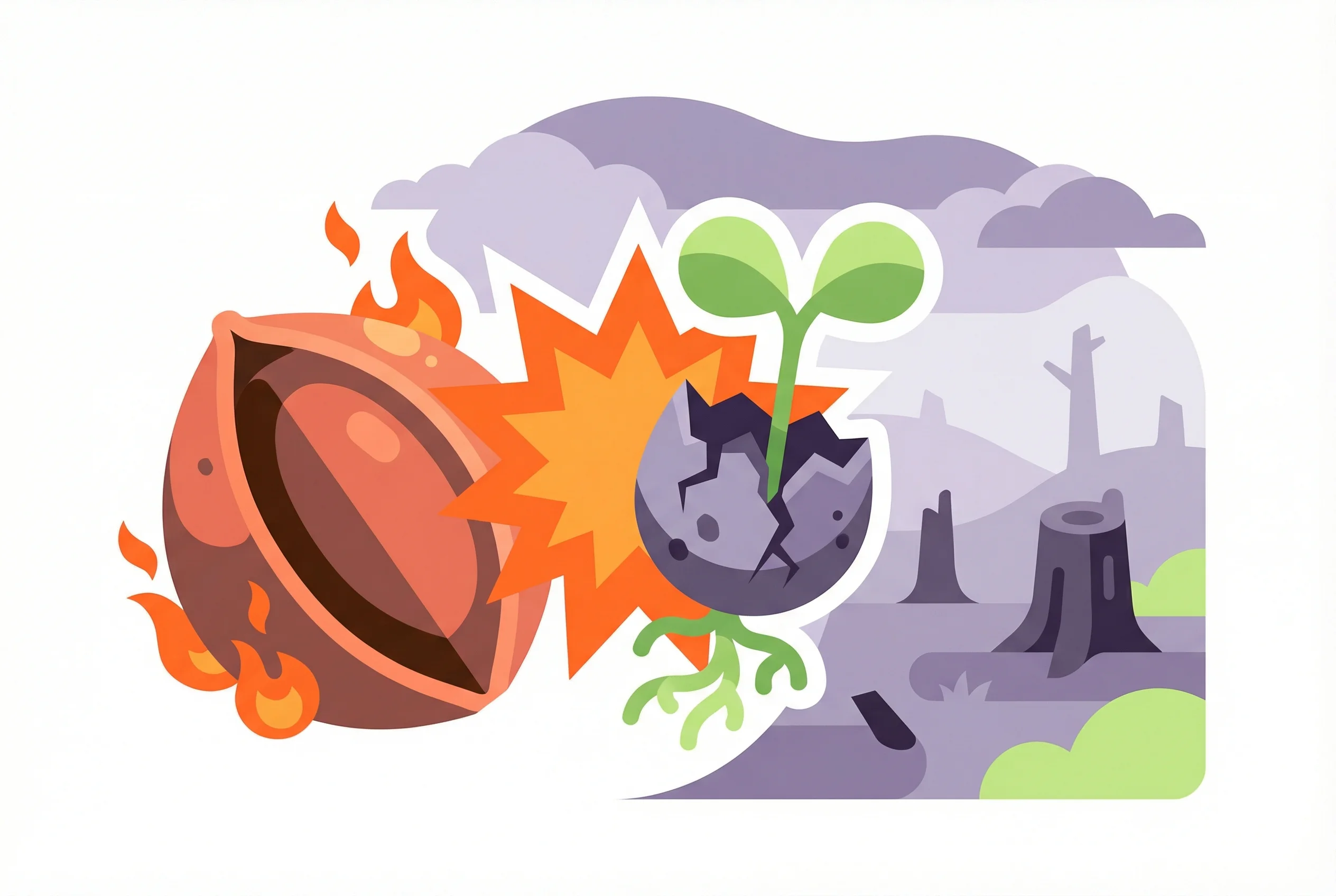
✓Correct — Some plants (like sequoias, eucalyptus, lodgepole pine) have hard, resin-sealed seed coats that only crack open after fire's intense heat. This ensures seeds germinate when competition is reduced and nutrients are abundant from ash. It's called serotiny—an adaptation to fire-prone ecosystems!
CSmoke signals growth time
✗Not quite — Some seeds do respond to smoke chemicals, but heat cracking hard coats is the primary mechanism for many fire-dependent species.
Answer this question
ATo protect from fire and extreme temperatures
✓Correct — Thick bark acts like fireproof armor, protecting the living tissue underneath. Trees like sequoias in fire-prone areas have bark up to 30 cm thick that insulates against flames reaching 1000 degrees Celsius. The thick dead cells also buffer against freezing winters and scorching summers, while defending against animal damage and boring insects.
BTo store more water during droughts
✗Not quite — While bark does contain some moisture, its primary function is protection, not water storage. Trees store water mainly in their sapwood and root systems. Thick bark is made mostly of dead cork cells filled with air pockets, making it a poor water reservoir. Cacti and succulents have specialized tissues for water storage, not thick bark.
CTo produce extra nutrients for growth
✗Not quite — Bark is actually made of dead cells and produces no nutrients. The living cambium layer beneath the bark is what generates new growth. Thick bark is purely protective. Trees make food through photosynthesis in their leaves, not in their bark. In fact, thick bark can sometimes limit nutrient transport if damaged.
Answer this question
APine needles have a waxy coating that prevents freezing and water loss
✓Correct — Evergreen needles have a thick waxy cuticle that waterproofs them and prevents ice crystal formation inside cells. Their small surface area and narrow shape also reduce water loss through evaporation. This allows them to photosynthesize year-round, even during cold winters when water is scarce.
BPine trees have deeper roots that provide warmth to the needles
✗Not quite — While pine trees do have extensive root systems, roots do not generate heat or 'warm' the needles above ground. The key adaptation is in the needle structure itself - the waxy coating and compact shape that resist cold damage, not warmth from below.
CPine needles contain antifreeze chemicals that melt surrounding snow
✗Not quite — Pine needles do not contain antifreeze chemicals or melt snow around them. While some organisms produce antifreeze proteins, evergreen trees survive winter through physical leaf adaptations like waxy coatings and reduced surface area, not chemical snow-melting substances.
Answer this question
Rivers, Lakes and Rain
AOcean pulls water magnetically
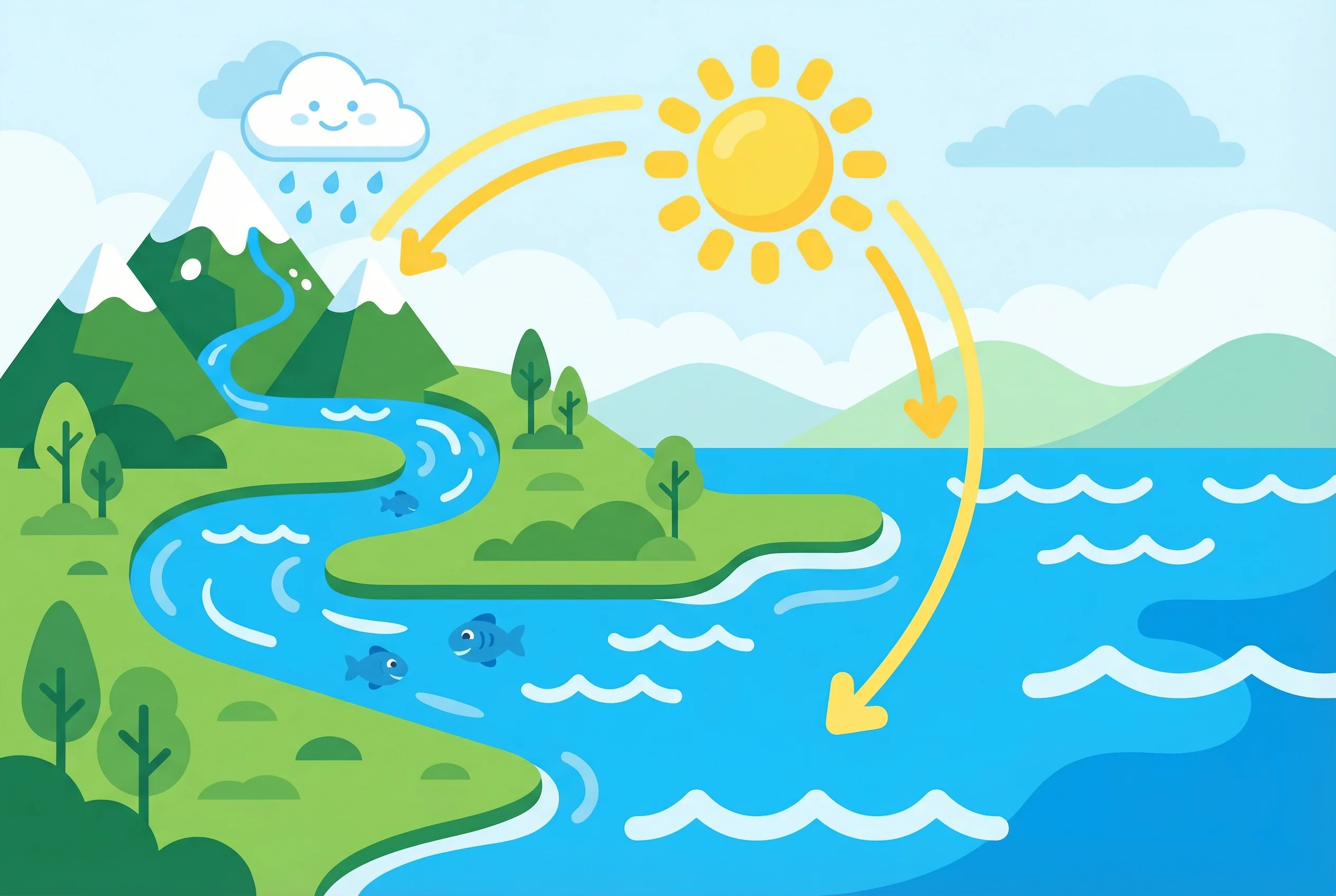
✗Not quite — The ocean doesn't have magnetic properties that pull water. Water is not magnetic. Rivers flow because of gravity - they follow the path of least resistance downhill, and oceans are at the lowest elevation.
BGravity pulls water downhill
✓Correct — Water always flows downhill due to gravity, following the path of least resistance. Rivers start at high elevations (mountains, hills) and flow toward the lowest point - usually the ocean. The land surface naturally slopes toward the sea. Rivers carve valleys over time, creating channels that guide the flow. All rivers eventually reach the ocean or an inland lake/sea at a lower elevation!
CRivers follow underground tunnels
✗Not quite — Rivers don't follow underground tunnels - they flow on the surface along channels they've carved through erosion. Groundwater can flow underground, but rivers are surface water flowing downhill due to gravity, creating their own paths over geological time.
Answer this question
AUnderground salt deposits dissolve
✗Not quite — Dissolved minerals do contribute, but salt lakes form primarily because they have no outlet—water evaporates leaving minerals behind.
BSeawater trapped long ago
✗Not quite — Most salt lakes weren't formed from trapped seawater. They become salty because water flows in carrying dissolved minerals, then evaporates, leaving salt behind with no outlet to the ocean.
CNo outlet causes accumulation
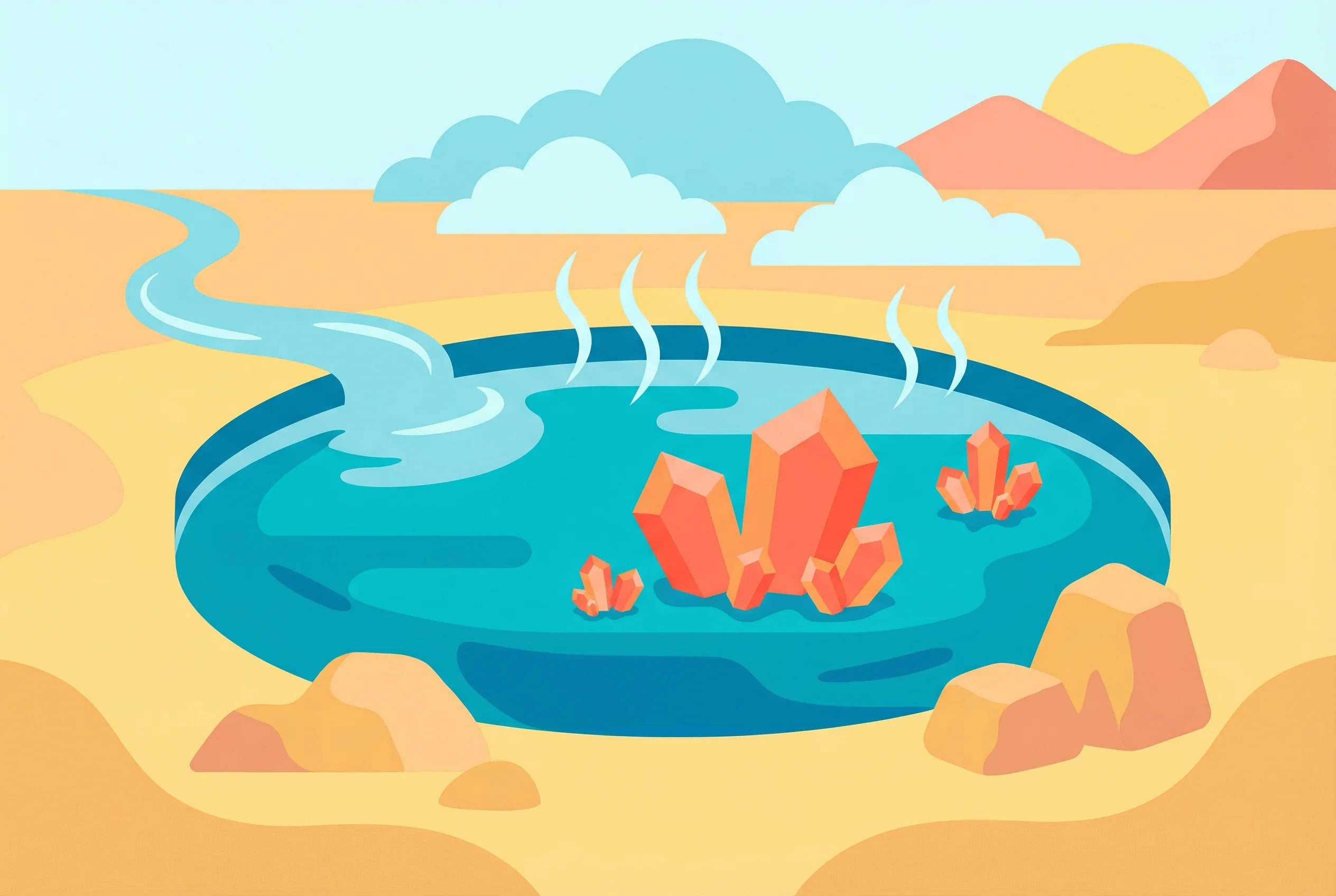
✓Correct — Salt lakes (Dead Sea, Great Salt Lake) are endorheic—no outlet river. Rivers flow in carrying dissolved minerals, water evaporates, but minerals stay. Over thousands of years, salts concentrate, becoming more saline than oceans! The Dead Sea is 34% salt (ocean is 3.5%). It's mineral accumulation through evaporation!
Answer this question
AOvernight cooling reaches dew point
✓Correct — Radiative cooling! Morning fog forms from overnight temperature drop: (1) Clear night—ground radiates heat to space (radiative cooling). (2) Air near ground cools. (3) Reaches dew point—air can't hold moisture, condenses into tiny droplets. (4) Fog: cloud at ground level. (5) Sun rises—warms air, fog evaporates ('burns off'). Radiation fog most common. Valley fog: cold air settles in low areas. Advection fog: warm moist air over cold surface. Fog vs mist: visibility <1km = fog. Dew forms same way on surfaces!
BPlants release water at dawn
✗Not quite — Plants release moisture (transpiration), but fog mainly from radiative cooling overnight lowering air temperature to dew point.
CWind stirs up ground moisture
✗Not quite — Wind disperses fog rather than creating it. Morning fog forms in calm, still conditions when overnight radiative cooling drops air temperature to dew point.
Answer this question
AWater droplets refract sunlight
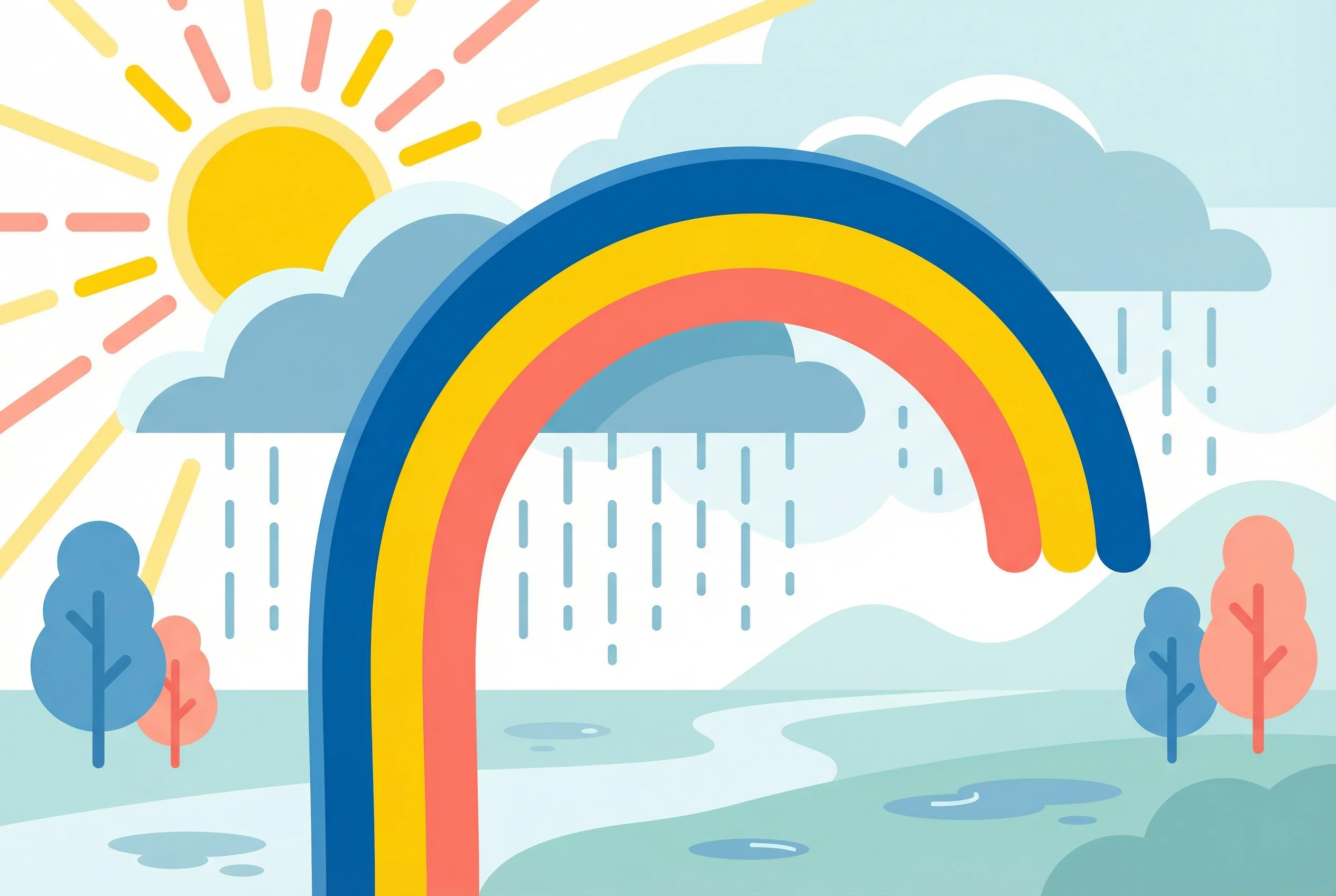
✓Correct — Light refraction and dispersion! Rainbows form when: (1) Sunlight enters raindrop—refracts (bends). (2) Disperses—different wavelengths bend differently (red least, violet most). (3) Reflects off back of droplet. (4) Exits droplet—refracts again. (5) Separated colors reach eyes. Conditions needed: sun behind observer, rain ahead. Rainbow angle: 42° from antisolar point. Double rainbows—second reflection inside droplet (reversed colors). Circular rainbow (from airplane). Moonbows exist! Each person sees unique rainbow—depends on viewing angle. ROYGBIV order!
BClouds reflect colorful light
✗Not quite — Rainbows form inside individual raindrops—sunlight refracts, disperses into colors, then reflects back to observer's eyes.
CChemical reaction in rainwater
✗Not quite — No chemical reaction—purely physical optics. Light refracts and disperses through water droplets, separating into visible spectrum.
Answer this question
AHumid air is actually hotter
✗Not quite — Humidity doesn't change air temperature—thermometer reads same. Feels hotter because sweat evaporation (body's cooling) is inhibited.
BWater vapor conducts heat better
✗Not quite — Water vapor isn't better heat conductor. High humidity feels worse because it prevents efficient sweat evaporation cooling.
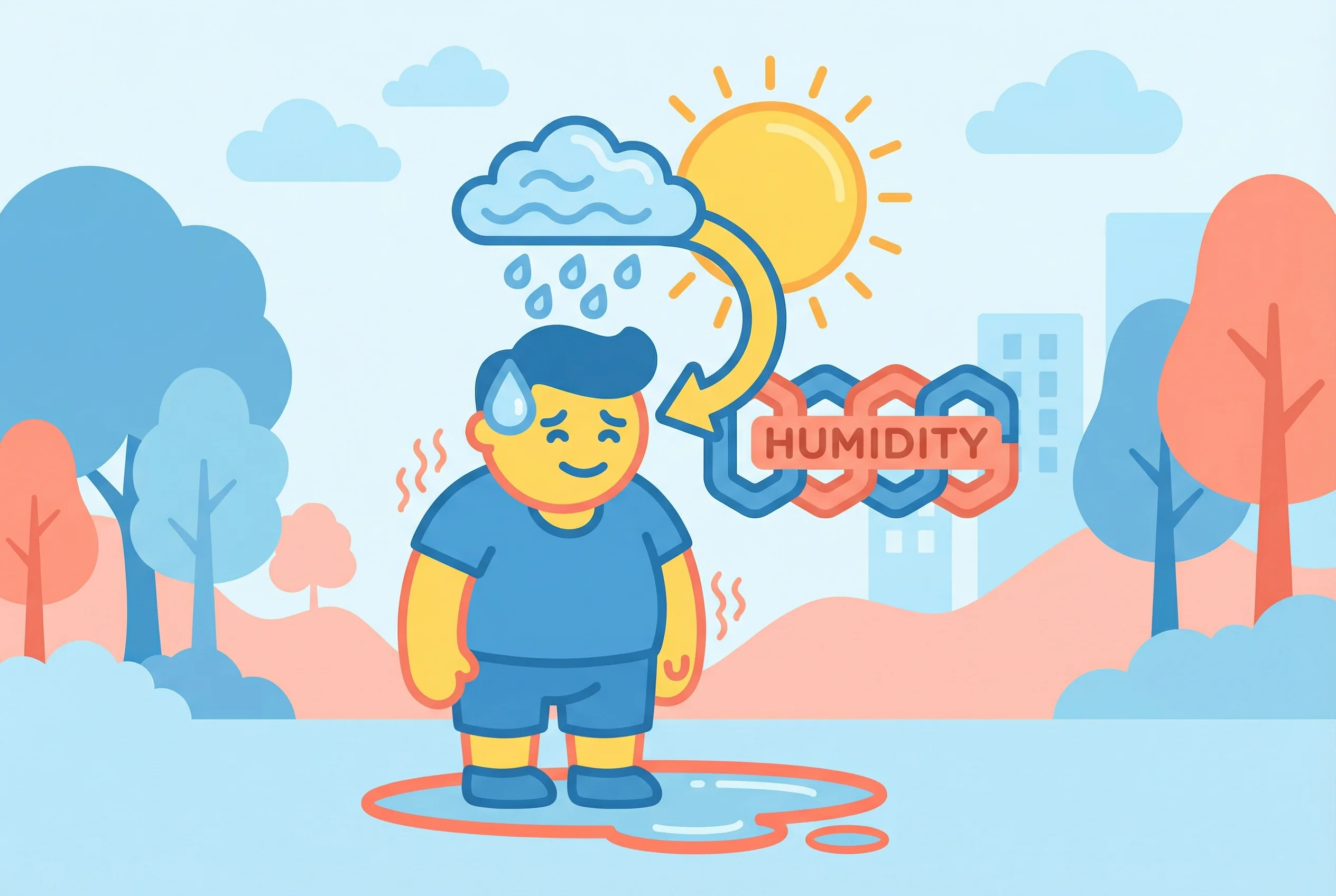
CSweat can't evaporate efficiently
✓Correct — Evaporative cooling blocked! Humidity makes heat feel worse: (1) Body cools through sweat evaporation. (2) Evaporation requires dry air—water molecules escape into air. (3) High humidity—air already saturated with moisture. (4) Sweat can't evaporate—stays on skin. (5) No evaporation = no cooling. Heat index: combines temperature + humidity (how hot it feels). 35°C with 80% humidity feels like 50°C+! Dangerous: heat stroke risk. Dry heat (deserts): sweat evaporates instantly—better cooling despite high temperature!
Answer this question
Oceans and Coasts
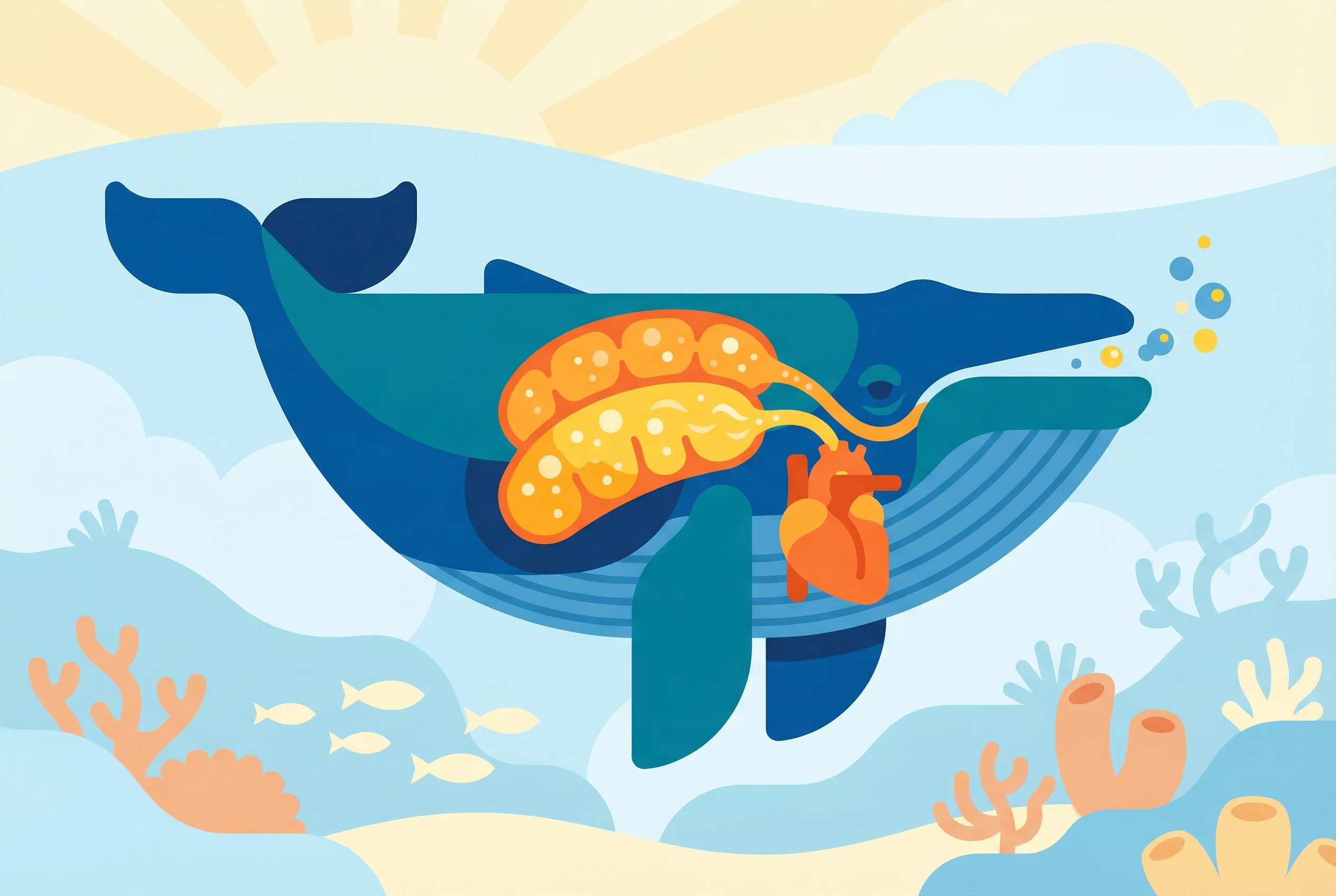
AMyoglobin stores extra oxygen
✓Correct — Whales have high levels of myoglobin, a protein that stores oxygen in muscles. They also slow their heart rate dramatically during dives—some to just 2 beats per minute!
BThey breathe underwater slowly
✗Not quite — Whales are mammals and cannot breathe underwater at all. They must surface to breathe air through their blowholes.
CTheir blood has more iron
✗Not quite — While blood carries oxygen, the key is myoglobin in muscles. This protein stores oxygen for use during long dives when they can't breathe.
Answer this question
APlaying and having fun
✗Not quite — Leaping is energy-expensive and risky (birds can catch them). It's escape behavior, not recreation.
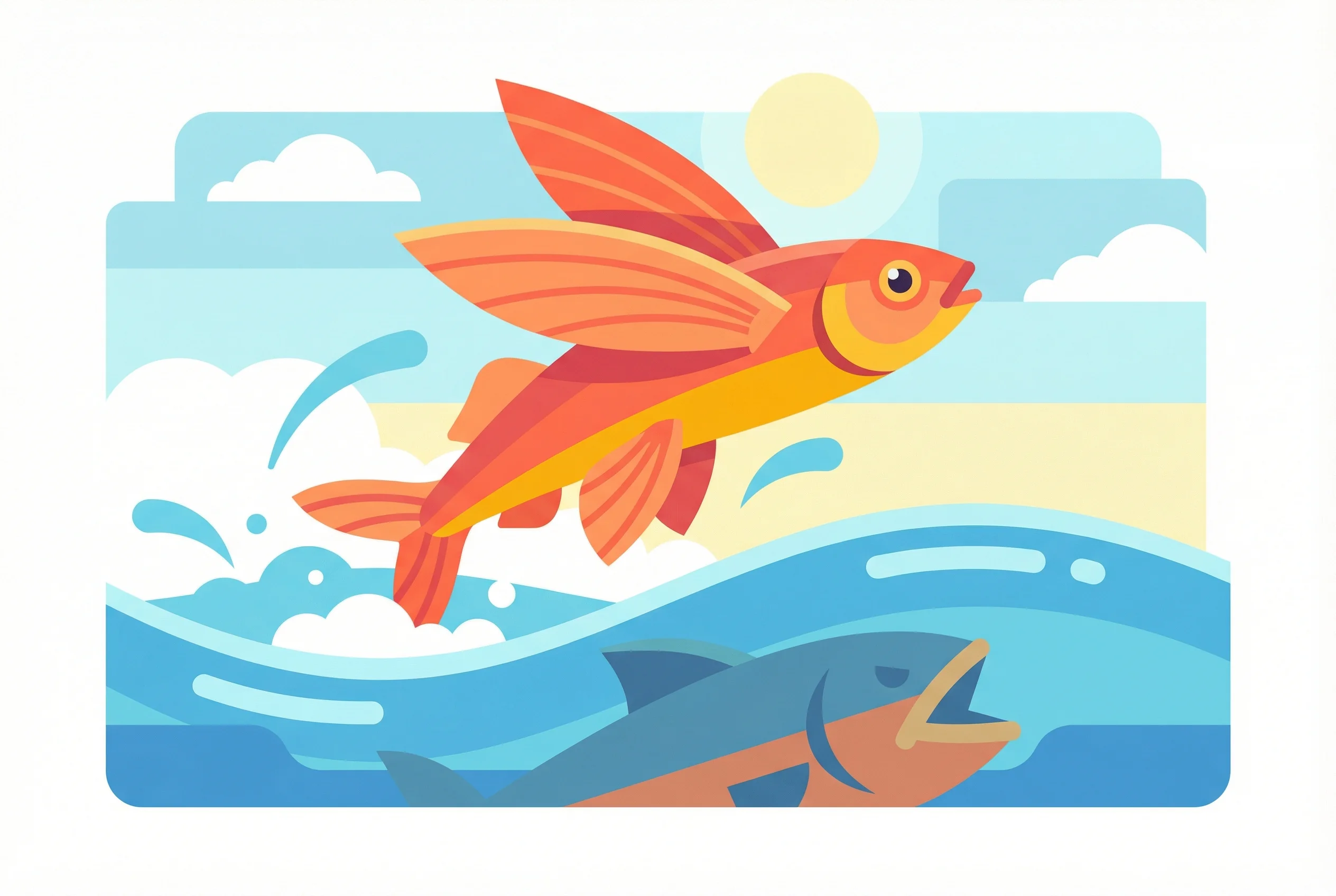
BEscaping underwater predators
✓Correct — When chased by tuna, dolphins, or swordfish, flying fish burst through the surface at 35+ mph, spread their enlarged pectoral fins like wings, and glide up to 650 feet through the air! Predators can't follow. They 'taxi' on their tail to extend flights. Pure aerial escape!
CBreathing air like dolphins
✗Not quite — Flying fish have gills and breathe underwater. They leap to escape predators, not to breathe air.
Answer this question
ATo communicate with others
✗Not quite — Jellyfish don't communicate through stinging. They're actually quite simple organisms without brains, communicating through chemical signals instead.
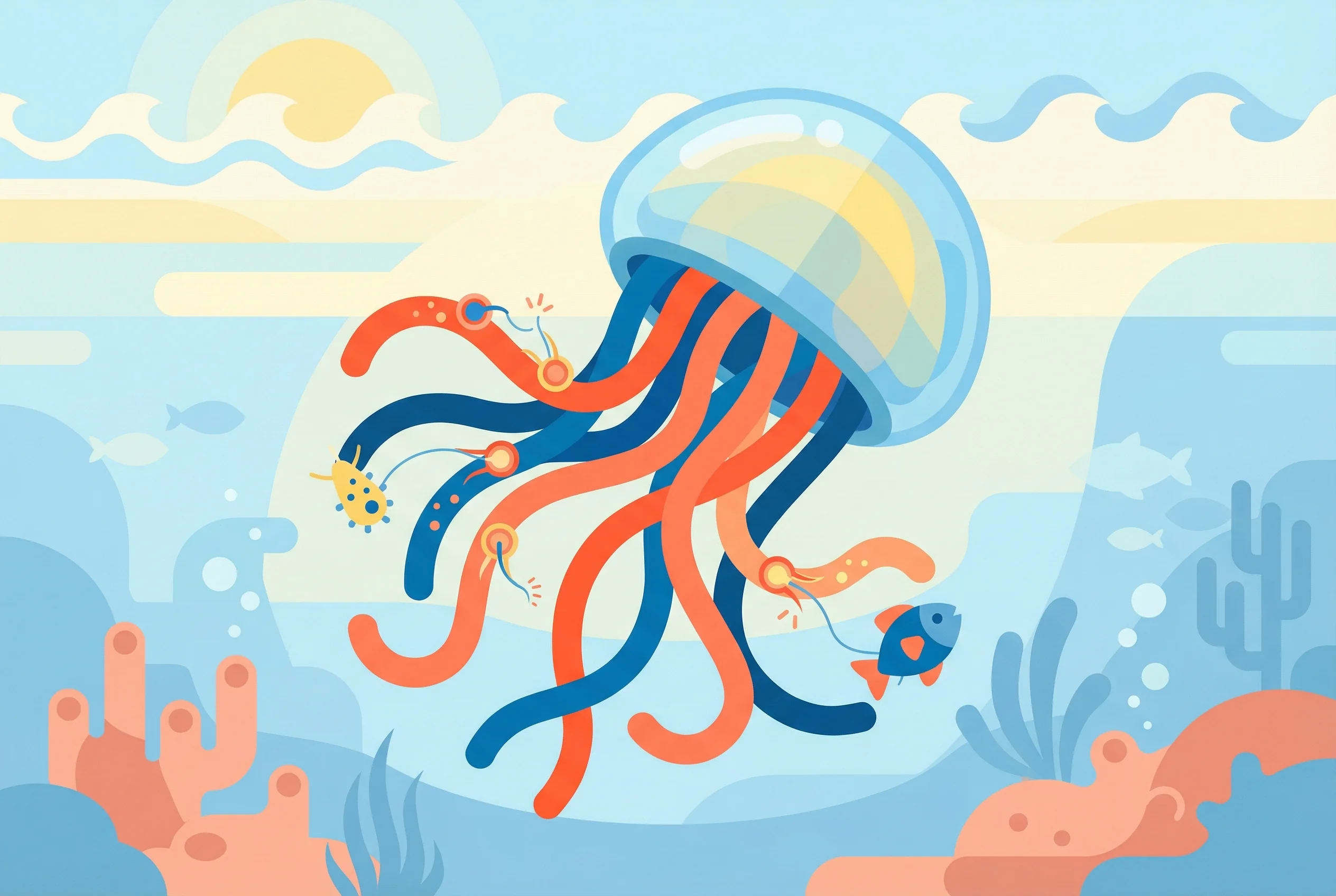
BTo catch prey and defend
✓Correct — Jellyfish have specialized cells called nematocysts that fire tiny harpoon-like structures. These inject venom to paralyze prey and deter predators. They fire automatically on contact!
CTo attract mates
✗Not quite — Jellyfish don't use stinging for mating. Many reproduce by releasing eggs and sperm into the water where fertilization occurs externally.
Answer this question
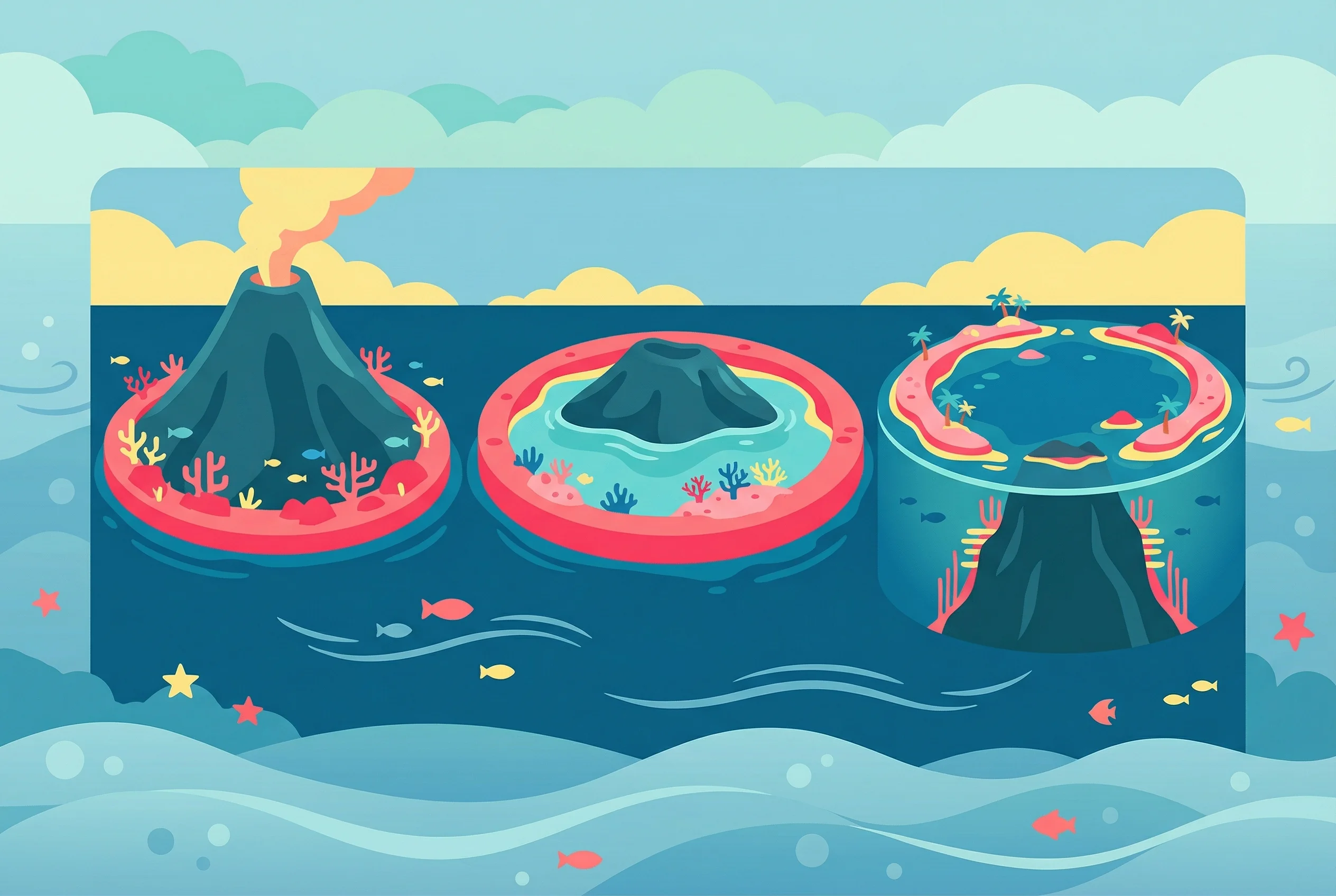
AOcean currents circle
✗Not quite — Currents don't shape atolls. Ring shape forms as coral grows outward around a sinking volcanic island center.
BCoral grows around sinking island
✓Correct — Atolls form through subsidence. A volcanic island emerges, coral grows fringing the shore. As the island slowly sinks (plate movement), coral keeps growing upward, forming a barrier reef. Eventually the island sinks completely, leaving a ring-shaped reef around a lagoon. Darwin predicted this mechanism!
CUnderwater meteor impacts
✗Not quite — Atolls aren't impact craters. They're coral reefs that grew around volcanic islands that gradually sank beneath the sea.
Answer this question
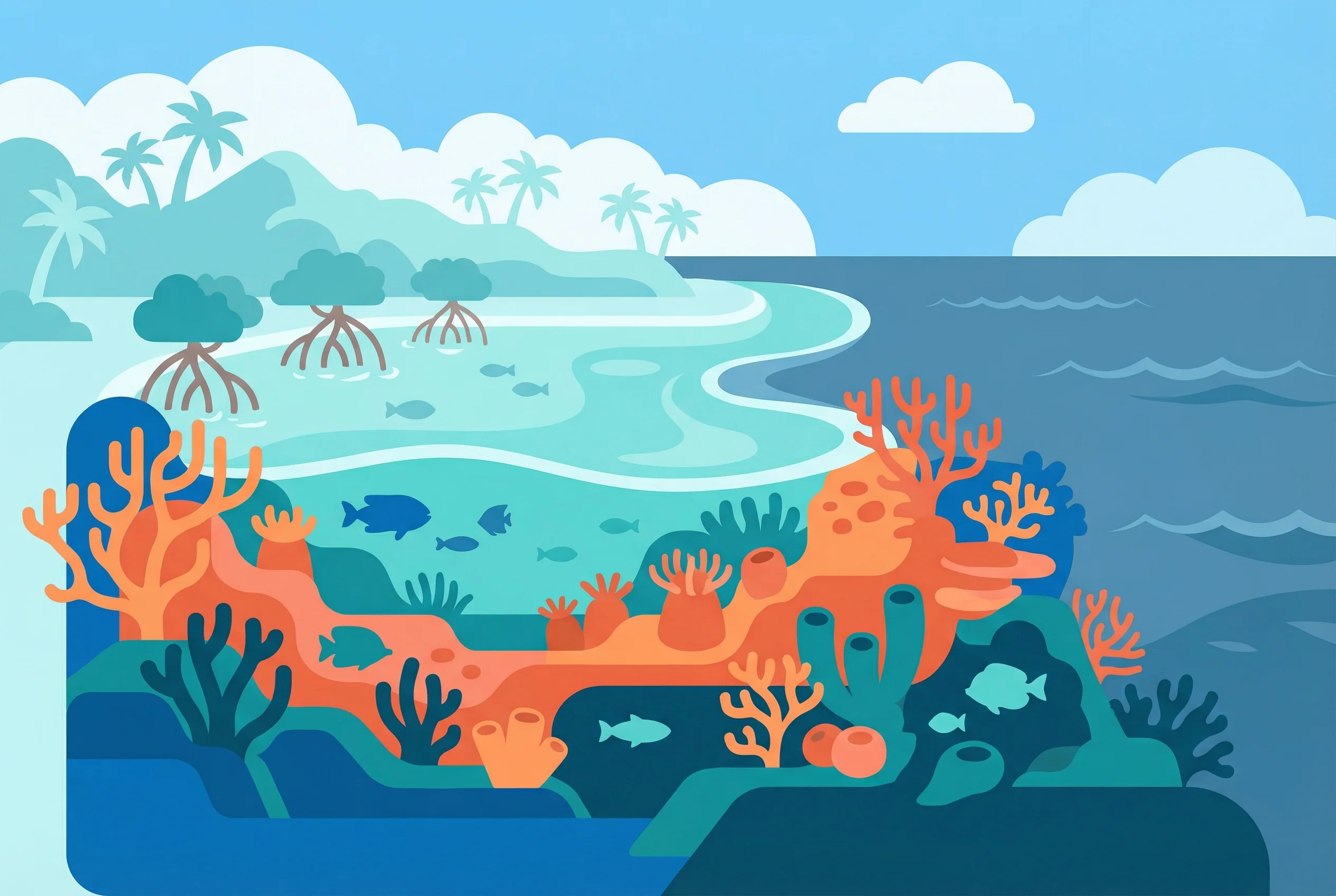
ARainwater collects there
✗Not quite — Lagoons aren't rainwater pools. They're seawater areas protected by coral reefs or barrier islands that block wave energy.
BReef blocks wave energy
✓Correct — Lagoons are shallow water bodies separated from the ocean by a barrier (reef, sandbar, or barrier island). The barrier blocks wave energy, creating calm water behind it. Sediment can't be carried away, shallow water warms, and unique ecosystems develop. Atolls have central lagoons!
CTides create pools
✗Not quite — Tides do affect lagoons, but lagoons form because barriers block wave energy, creating sheltered shallow water.
Answer this question
Deserts, Ice and Extremes
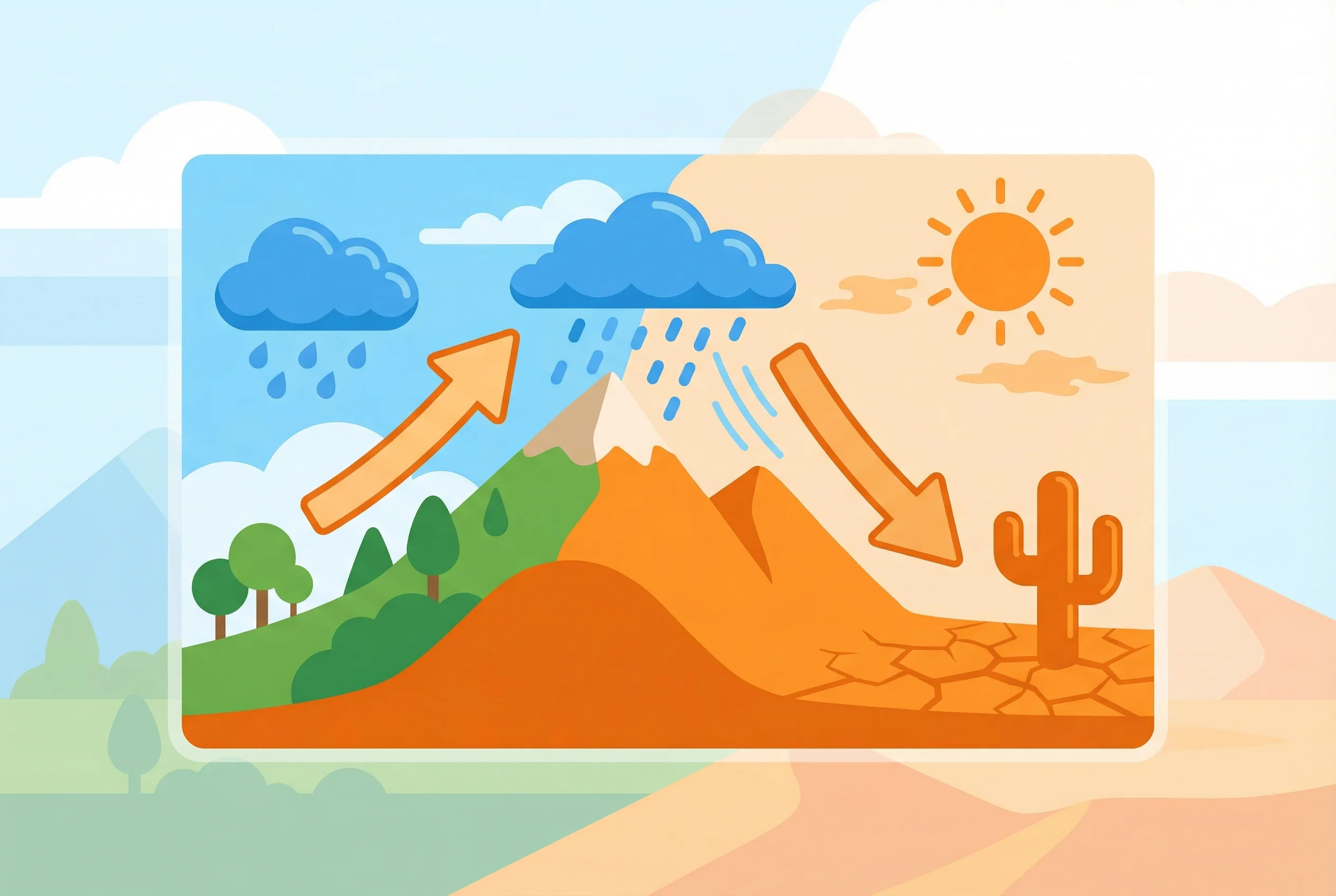
AAir circulation patterns
✓Correct — Most deserts form around 30° latitude where atmospheric circulation creates high-pressure zones. Air rises at the equator (releasing moisture as rain), flows toward poles, cools and descends at 30°, warming as it falls. Warm descending air can't form rain clouds. This creates arid zones like Sahara, Arabian, and Australian deserts!
BToo much sun evaporates water
✗Not quite — Evaporation is high, but deserts exist primarily because atmospheric circulation brings dry descending air that prevents rain cloud formation.
CSand absorbs all moisture
✗Not quite — Sand doesn't absorb moisture to create deserts. Deserts form because of atmospheric circulation patterns that bring dry air, not sand properties.
Answer this question
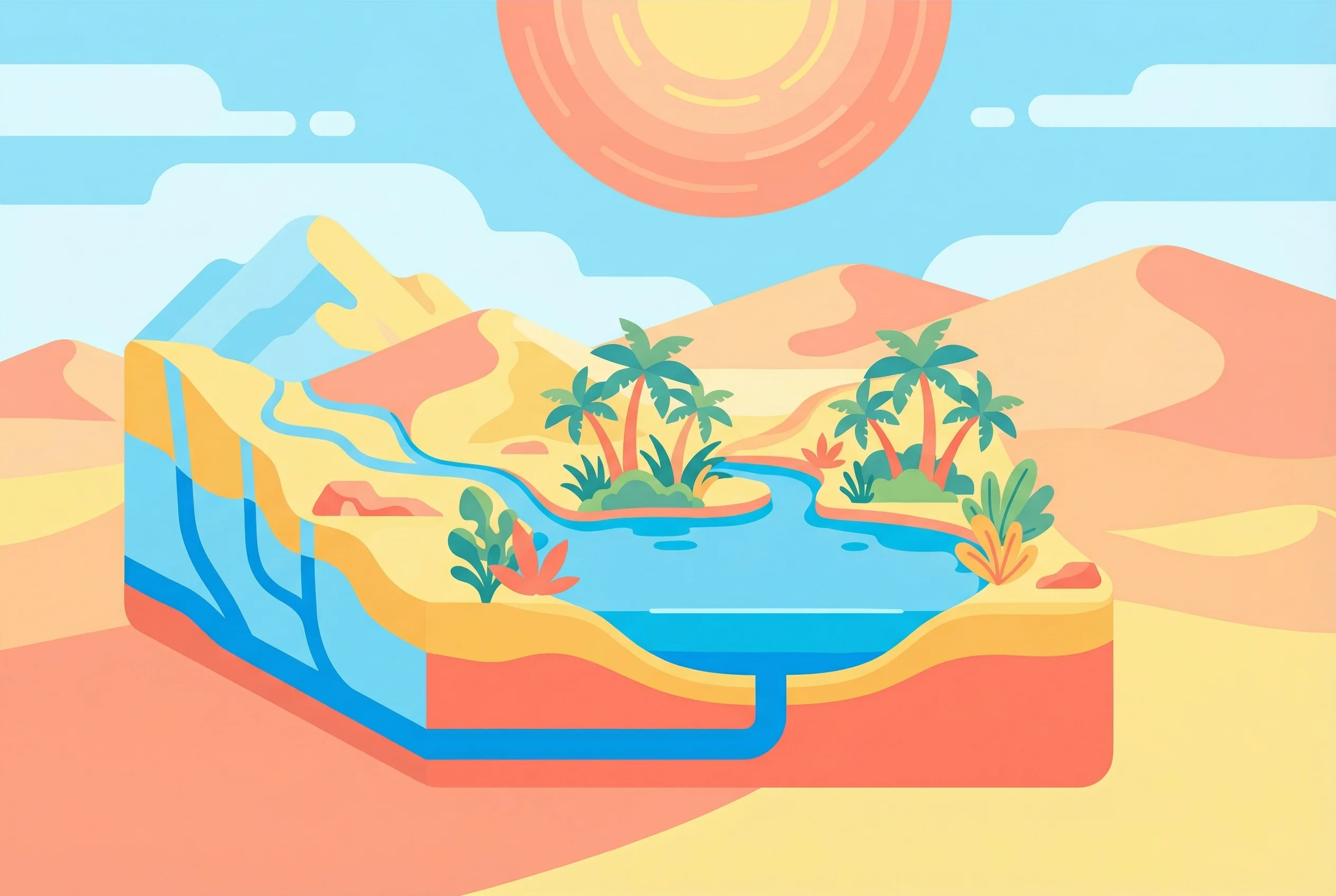
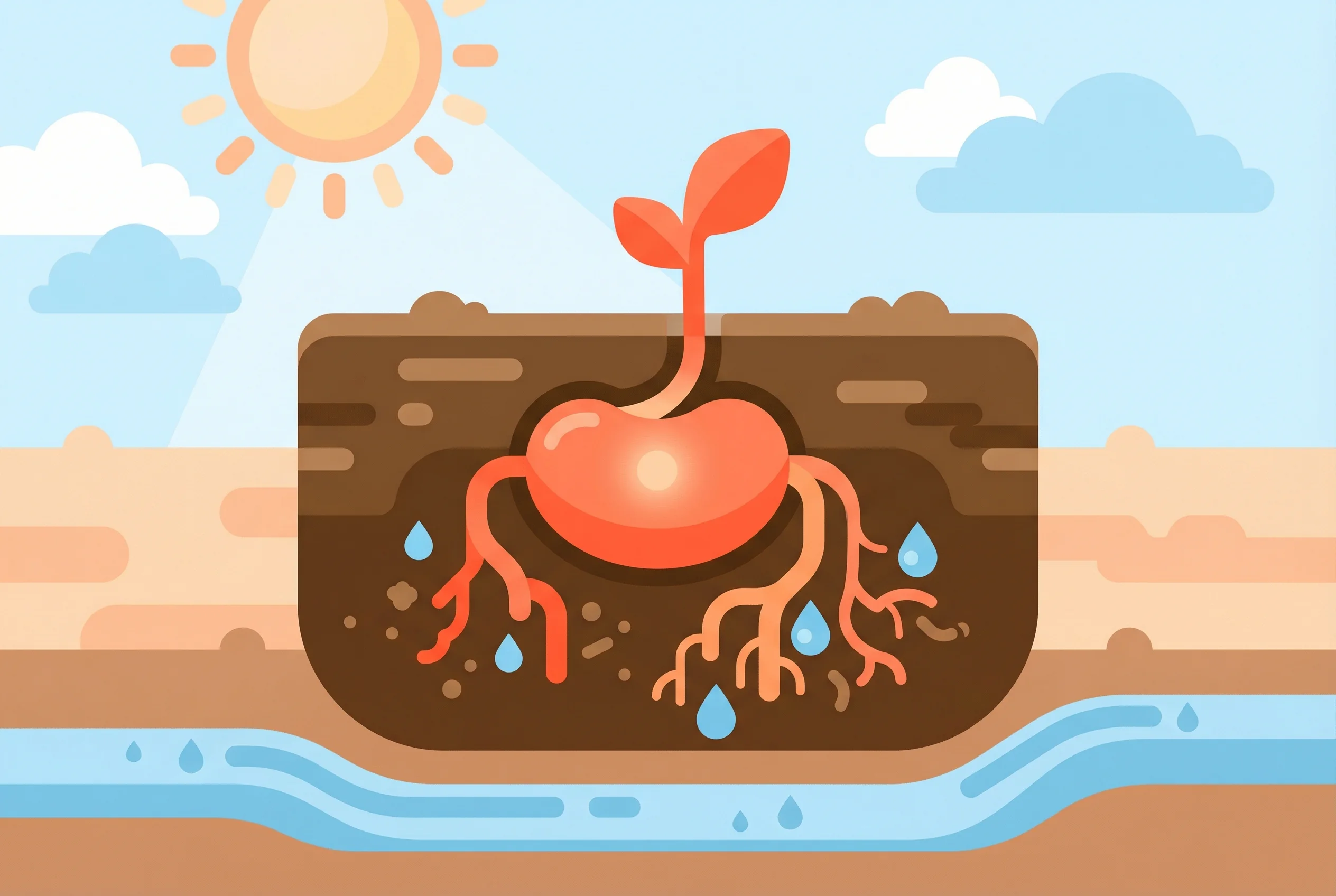
APlants create moisture
✗Not quite — Plants don't create oases—water does! Oases form where groundwater springs reach the surface, allowing plants to grow.
BDesert mirage effect
✗Not quite — Mirages are optical illusions. Oases are real—underground water reaching the surface through springs or shallow water tables.
CGroundwater reaches surface
✓Correct — Oases form where underground water (aquifer) surfaces due to geological features—faults, impermeable rock layers, or depressions reaching the water table. Water from distant rain (sometimes mountains) travels underground and emerges, creating isolated fertile spots. Sahara oases sustained ancient trade routes!
Answer this question
AFarthest from equator
✗Not quite — Distance from equator matters because of sun angle, not distance itself. Poles are cold because low-angle sunlight spreads over large areas.
BThin atmosphere there
✗Not quite — Atmosphere thickness doesn't significantly vary. Polar cold comes from low sun angles spreading solar energy over large areas.
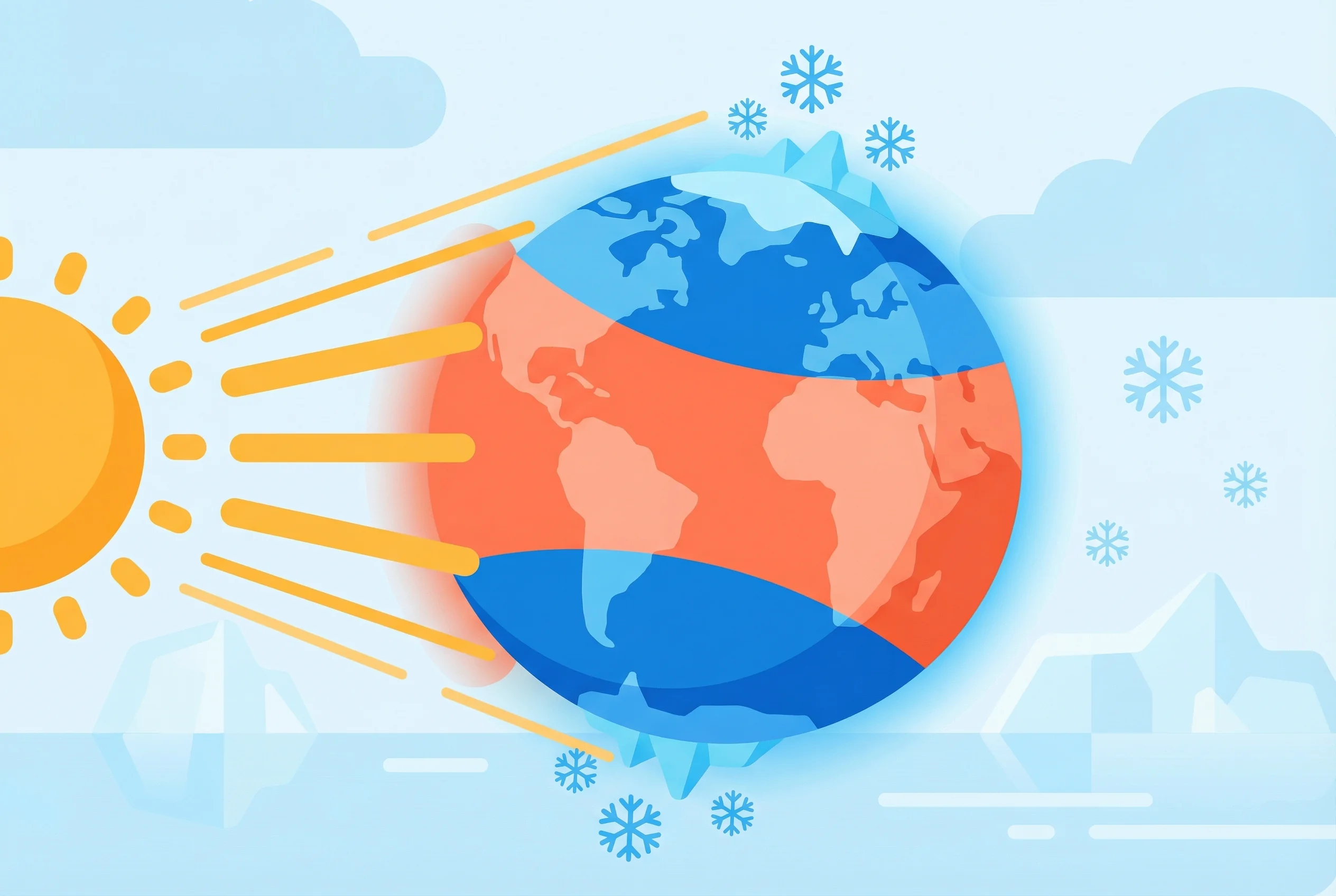
CSunlight hits at low angle
✓Correct — At poles, sunlight arrives at very low angles (slanted rays), spreading the same solar energy over much larger surface areas than at the equator. This means less energy per square meter. Plus, sunlight travels through more atmosphere, losing energy. During winter, 24-hour darkness adds to extreme cold!
Answer this question
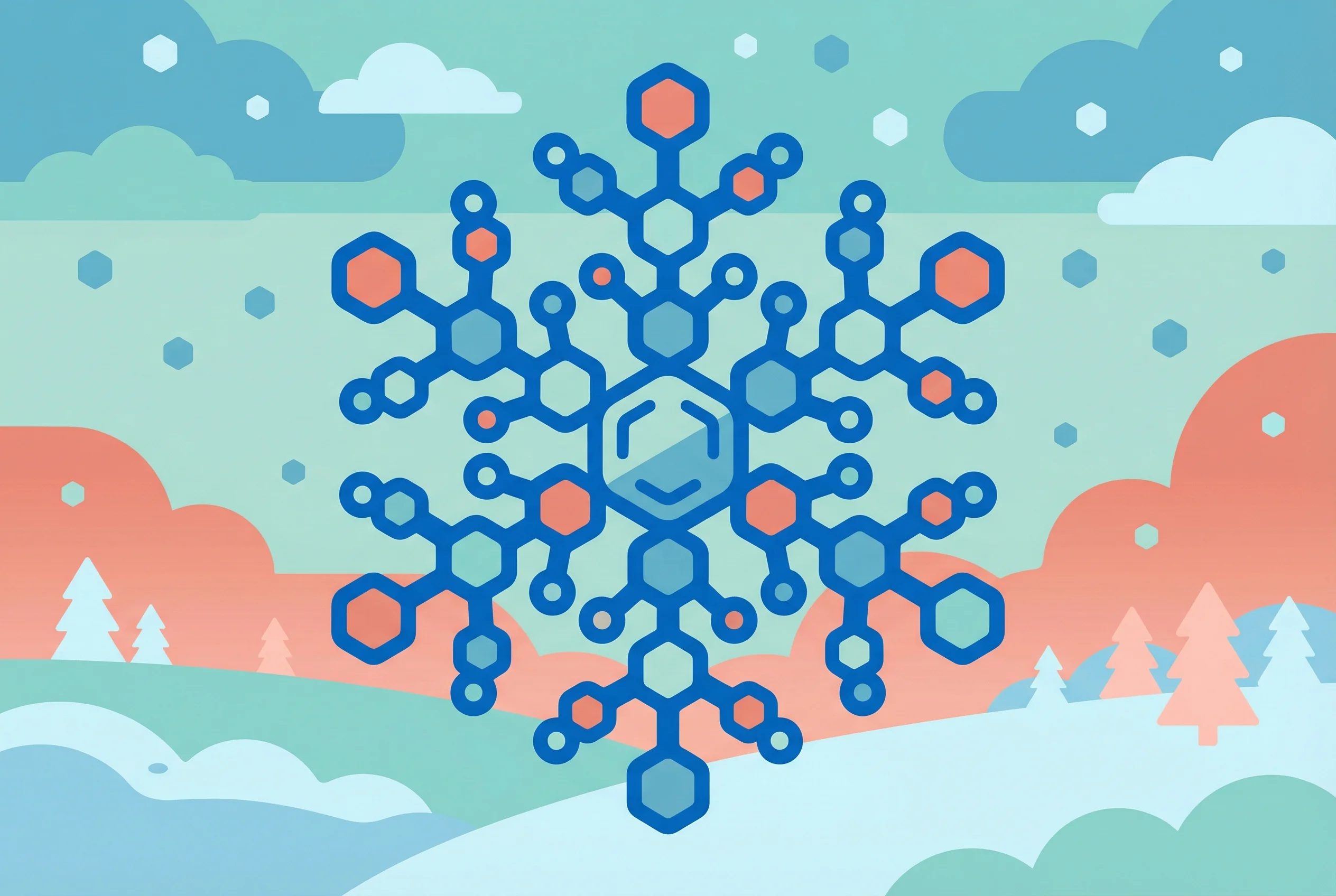
AWater molecules bond hexagonally
✓Correct — Water molecules bond at 120-degree angles due to hydrogen bonding. When ice crystals form, this angle creates six-fold symmetry. Each snowflake branch grows differently based on temperature and humidity it encounters—that's why each is unique!
BSix is nature's lucky number
✗Not quite — Six isn't lucky—it's physics! Water's molecular bonding angle naturally creates hexagonal structures.
CWind creates six-sided patterns
✗Not quite — Wind doesn't create the six-sided shape. The structure is determined by water's molecular bonding angles.
Answer this question
AClouds drop snow there
✗Not quite — While precipitation does fall from clouds at high altitudes, this doesn't explain why it's snow rather than rain, or why snow stays on top. The key is that temperature decreases with altitude.
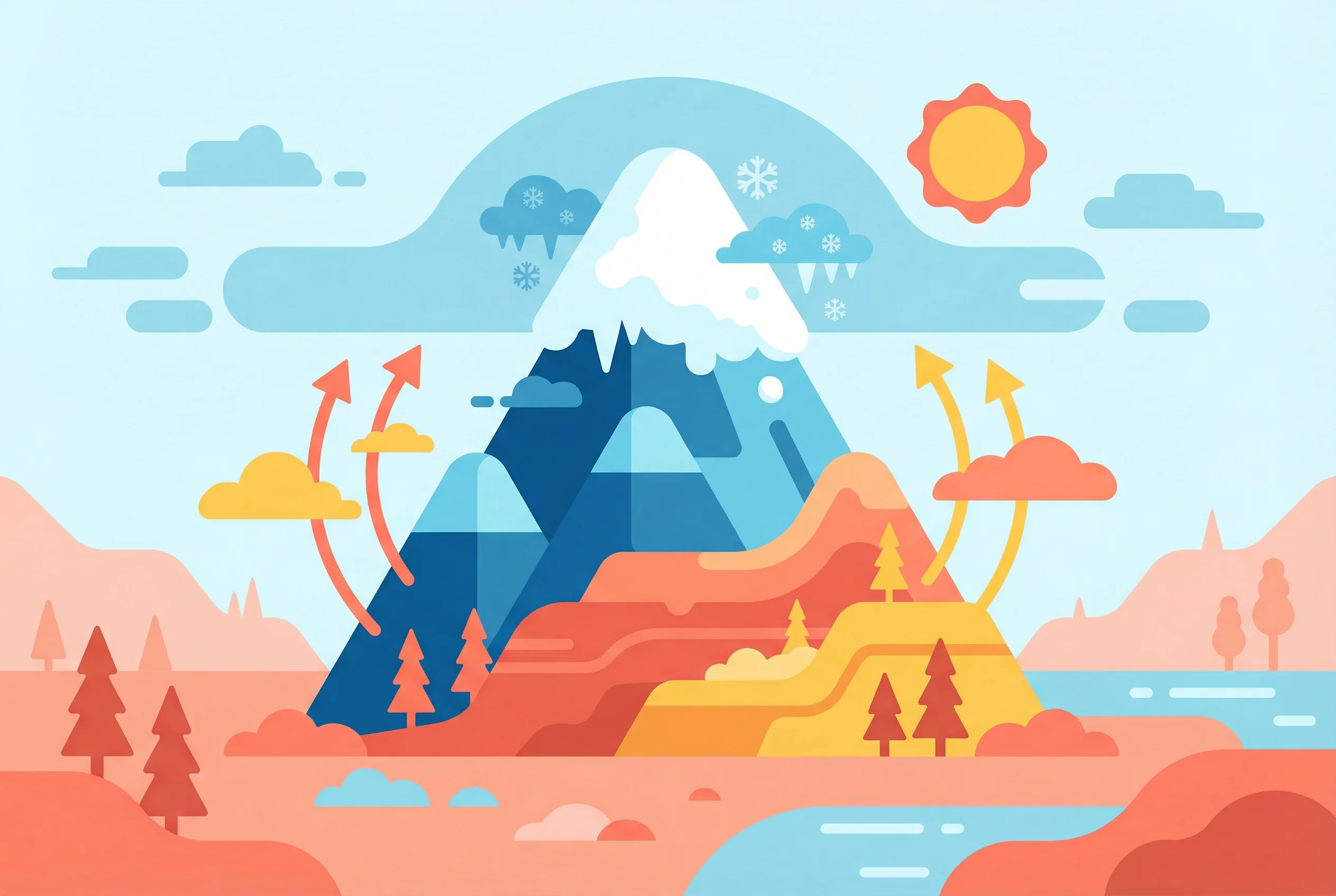
BTemperature drops with altitude
✓Correct — Temperature decreases about 6.5°C per 1000 meters of altitude. This is called the environmental lapse rate. Above a certain altitude (the snow line), it's cold enough for precipitation to fall as snow and for snow to remain frozen year-round. Even tropical mountains can have permanent snow at high elevations! The thinner air also holds less heat.
CMountains are closer to clouds
✗Not quite — Being closer to clouds doesn't make it colder. In fact, clouds form at various altitudes. Mountains have snow because temperature decreases with altitude due to lower air pressure and thinner atmosphere, which holds less heat. It's the cold temperature that creates and preserves snow.
Answer this question
The Ones That Sound Made Up
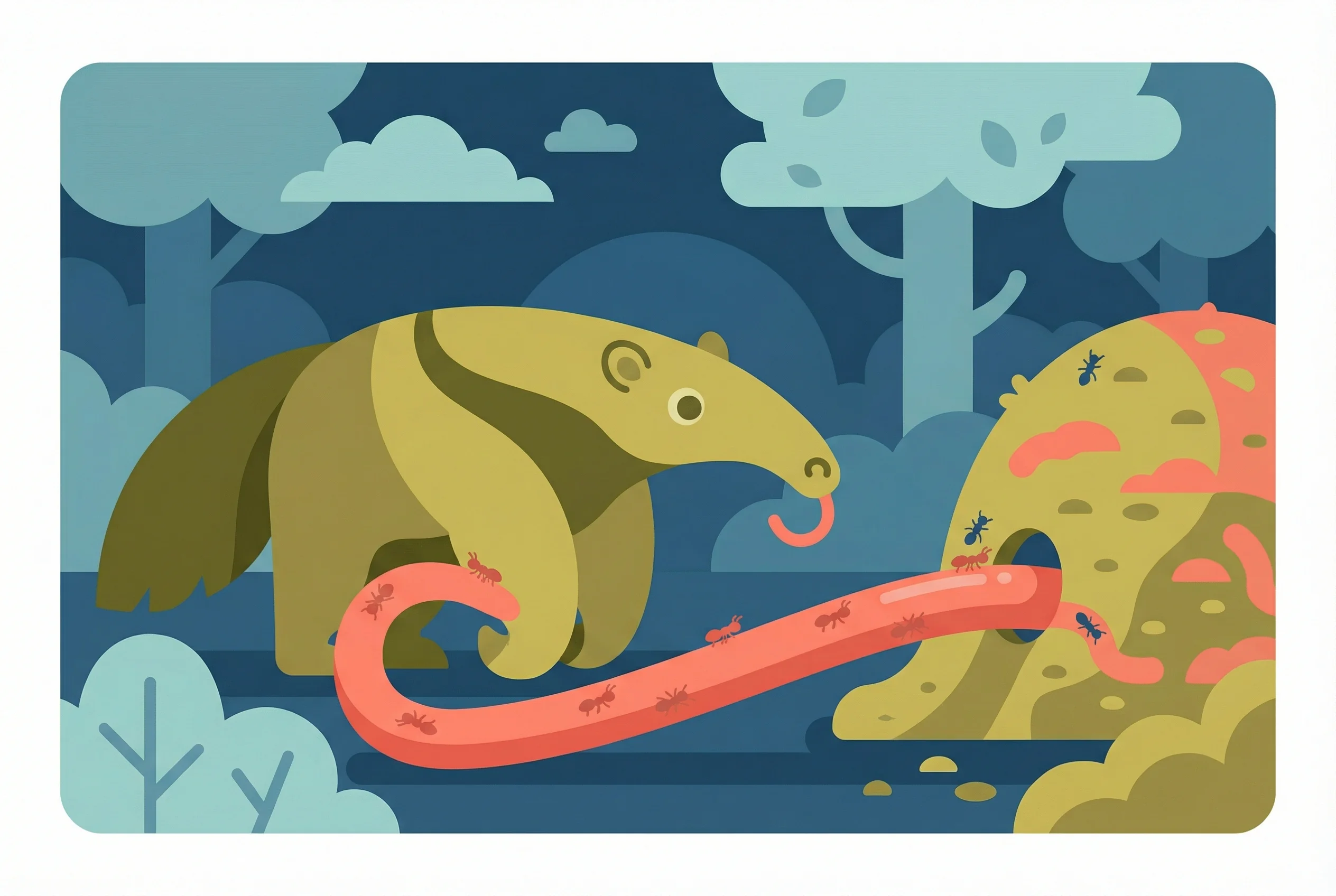
AReaching deep into ant nests
✓Correct — Specialized feeding! Giant anteater tongue: 2ft long! Adaptations: (1) Length—reaches deep into ant/termite tunnels. (2) Sticky saliva—insects adhere to tongue. (3) Rapid flicking—160 times/minute! (4) Attached to sternum—extends far. No teeth—swallows insects whole. Strong stomach grinds food. Eats 30,000 ants/termites daily! Also: powerful claws rip open nests. Narrow snout fits in tunnels. Specialized myrmecophage (ant-eater). Tongue moves so fast it's nearly invisible!
BIt helps regulate body temperature
✗Not quite — Tongue doesn't regulate temperature. It's specialized feeding tool—extremely long and sticky for extracting ants/termites from nests.
CFighting off predators
✗Not quite — Anteaters use powerful claws for defense, not tongues. Long tongue is feeding adaptation—reaching deep into insect colonies.
Answer this question
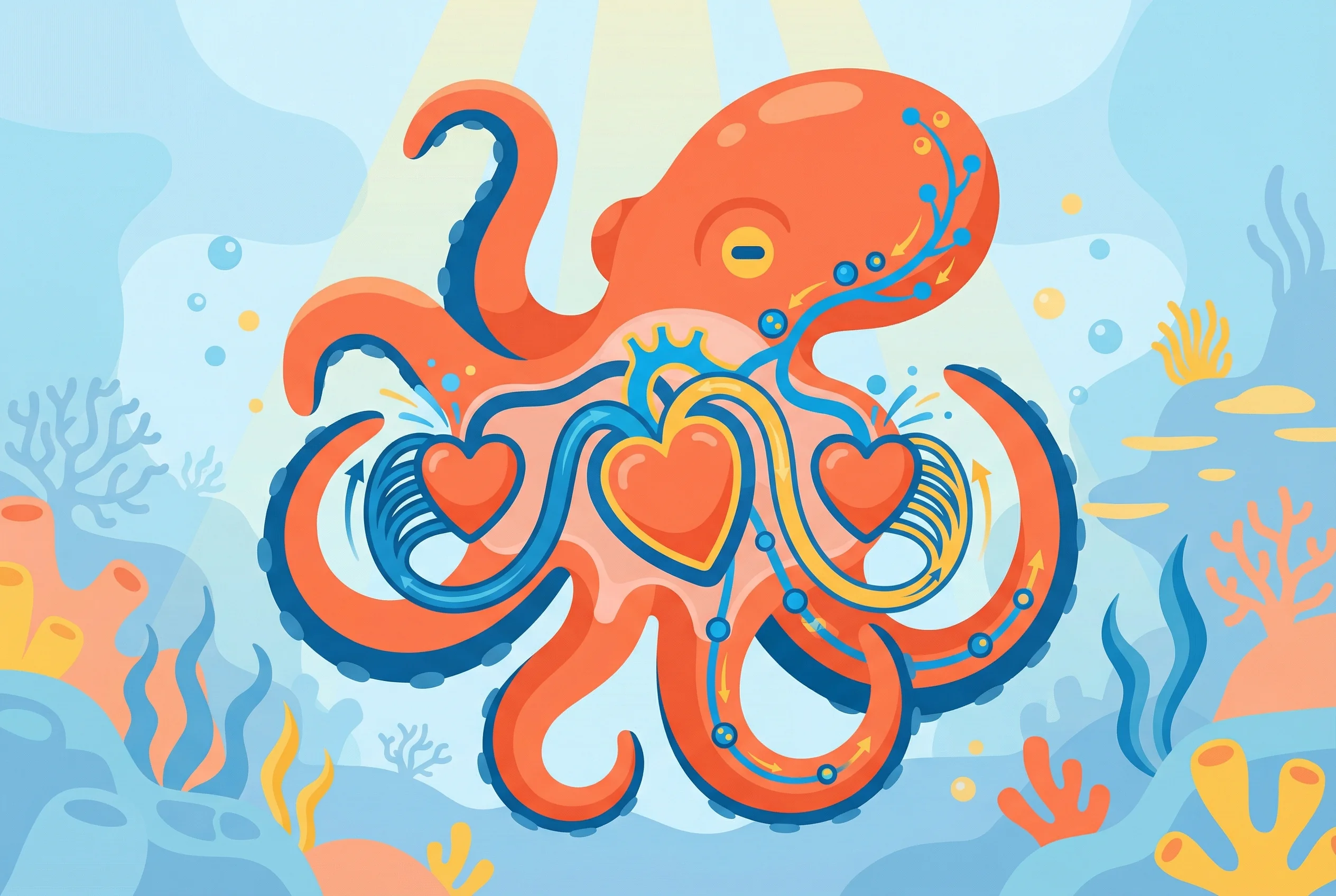
ATwo for gills, one for body
✓Correct — Two branchial hearts pump blood through the gills to pick up oxygen. The main systemic heart pumps oxygenated blood to the body. This helps their copper-based blue blood deliver oxygen efficiently!
BBackup if one heart fails
✗Not quite — The three hearts aren't backups—each has a specific job. Losing one would seriously impair the octopus's circulation system.
CEach controls different arms
✗Not quite — Hearts don't control arms. Octopuses do have neurons in their arms for some independent movement, but hearts only pump blood.
Answer this question
ATo allow their tubular eyes to rotate and see in multiple directions
✓Correct — Fish like the barreleye have transparent, dome-shaped heads filled with fluid. Their tubular eyes point upward to spot prey silhouettes against faint light from above, but can rotate to look forward when feeding. The transparent shield protects these delicate eyes from jellyfish stings while maintaining visibility.
BTo avoid detection by predators in the dark ocean depths
✗Not quite — In the deep ocean where almost no light penetrates, transparency provides little camouflage advantage. Most deep-sea creatures rely on bioluminescence or specialized eyes rather than visual camouflage. The transparent head actually serves a mechanical function for eye movement.
CTo reduce their body weight for efficient swimming
✗Not quite — The transparent head is filled with fluid and tissue, so it does not significantly reduce weight. Deep-sea fish have other adaptations for buoyancy like reduced bone density and specialized swim bladders. The transparent head's primary purpose is optical, not weight reduction.
Answer this question
ATo detect faint bioluminescence from approaching whales in the dark deep sea
✓Correct — Giant squid eyes (up to 30cm across) are optimized to detect the faint bioluminescent glow created when sperm whales (their main predators) move through water containing tiny glowing plankton. At depths of 1000+ meters where no sunlight reaches, this gives squid precious seconds to escape. The massive size collects more photons of light, like a bigger telescope sees fainter stars.
BTo see tiny prey clearly in the murky ocean water
✗Not quite — While large eyes help with low light, giant squid do not need dinner-plate sized eyes just for hunting prey. Their prey (fish and smaller squid) are relatively easy to detect at close range. The extraordinary size is specifically for detecting very dim light sources (like whale-disturbed bioluminescence) from extremely far distances in absolute darkness.
CTo communicate with other squid using light signals
✗Not quite — Giant squid do not use their eyes to send light signals to communicate. While many deep-sea creatures produce bioluminescence for communication, giant squid eyes only receive light, they do not emit it. The massive eye size is purely for detecting extremely faint light sources in the pitch-black abyss, particularly the glow that reveals approaching predators.
Answer this question
AThey use copper-based hemocyanin to carry oxygen, which turns blue
✓Correct — Horseshoe crabs use hemocyanin, a protein containing copper atoms, to transport oxygen. When copper binds with oxygen, it creates a blue color, just like how copper pipes turn blue-green over time. Other animals with blue blood include octopuses, squids, and some spiders. This copper-based system works well in cold ocean environments where oxygen levels are lower.
BThey have special blue algae living in their bloodstream
✗Not quite — While some animals do have symbiotic relationships with microorganisms, horseshoe crab blood is not blue because of algae. The blue color comes from copper atoms in their oxygen-carrying protein called hemocyanin. Interestingly, horseshoe crab blood is also incredibly valuable in medicine because it can detect bacterial contamination.
CTheir blood absorbs blue light from ocean water
✗Not quite — Blood color is determined by the chemical structure of oxygen-carrying proteins, not by absorbing light from the environment. Horseshoe crabs have blue blood because of copper-based hemocyanin. In contrast, humans and most vertebrates use iron-based hemoglobin, which gives blood its red color. The ocean's blue color comes from how water absorbs and scatters sunlight.
Answer this question
Frequently Asked Questions
What are good nature quiz questions for adults?
Good adult nature questions do more than name animals or landforms. They ask why something works: why crabs walk sideways, why deserts stay dry, why leaves have veins, or why the Moon helps move tides.
Where can I find nature trivia questions and answers?
This page gathers real Million Whys question-bank cards with answers, wrong-answer feedback, and short mechanisms. You can also play a live question flow at /daily.
Are these easy nature questions or hard ones?
Both. Some are quick closures, like why rivers flow downhill. Others are stranger, like why giant squid need dinner-plate eyes or why some seeds wait for fire.
How is this different from a list of nature facts?
A fact stops at the statement. A question asks you to predict the mechanism first, then gives the answer while the gap is still open. That is why a good quiz can feel stickier than a fact list.
What related Million Whys nature posts should I read next?
Try facts about nature and random animal facts if you want more outdoor whys after this set.
What does this have to do with AIgneous Million Whys?
Million Whys treats curiosity as the engine: one answer gives closure, and closure makes the next question visible. Nature is perfect for that because the world keeps leaving small clues in plain sight.