History Trivia Quiz
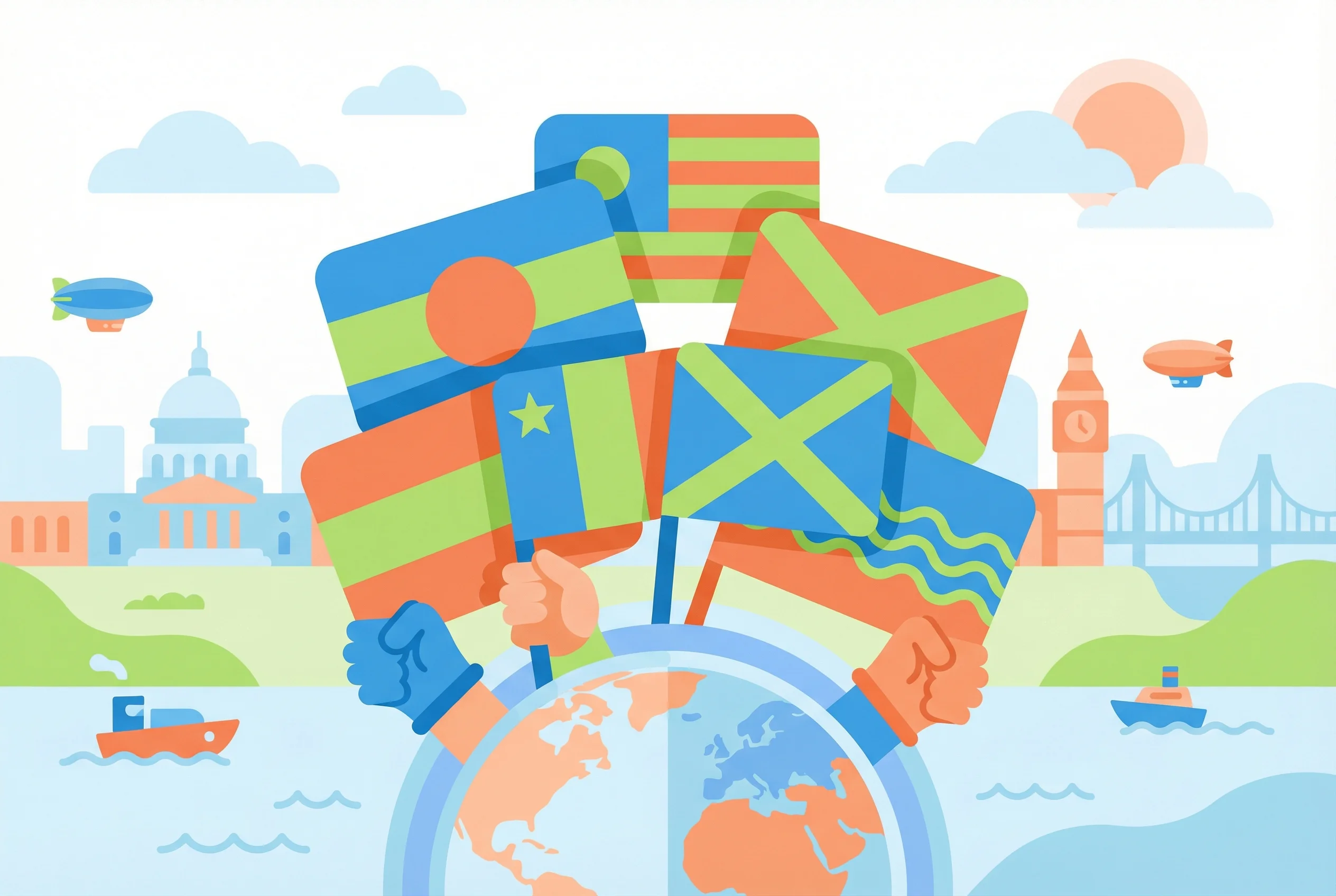
AFlags required by international law
✗Not quite. International conventions govern some flag use, but countries adopted flags mainly to represent identity and unity.
BHistorical accident from wars
✗Not quite. Flags evolved from military banners, but national flags became deliberate symbols of sovereignty and shared identity.
CSymbol of identity and unity
✓Correct. Flags mark territory, represent countries diplomatically, and turn history and values into a shared symbol people can rally around.
Answer this question
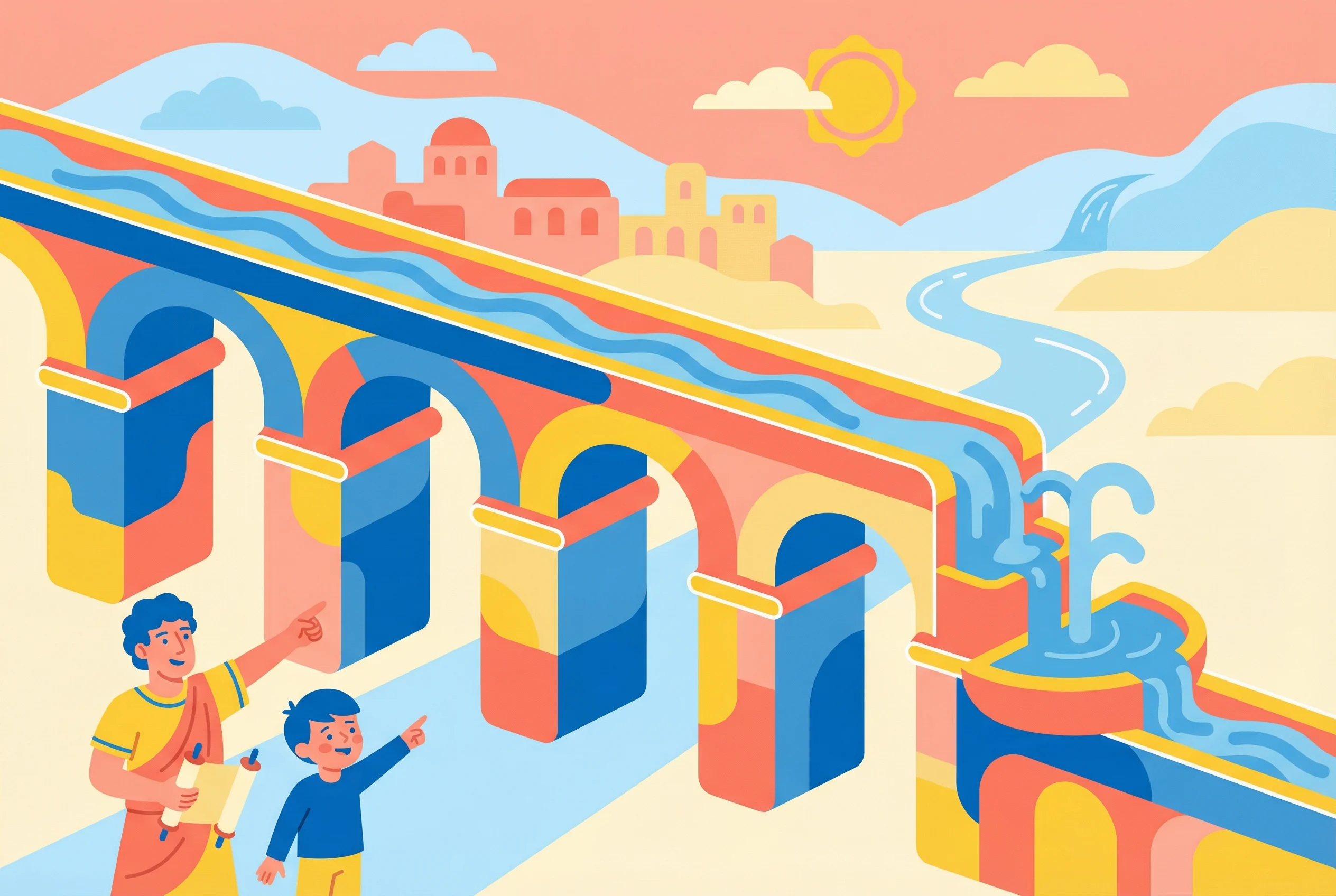
AShow off engineering skills
✗Not quite. They did show Roman engineering, but the main purpose was practical: moving fresh water to crowded cities.
BTransport water to cities
✓Correct. Aqueducts used gravity to carry fresh water from distant sources for drinking, baths, fountains, toilets, and industry.
CCreate jobs for workers
✗Not quite. Construction employed people, but aqueducts solved a city-scale water problem first.
Answer this question
History Trivia Questions
ATo show you're not holding a weapon
✓Correct. Extending the weapon hand worked as a peace signal; the greeting later became a broader symbol of trust.
BTo check if someone has a fever
✗Not quite. Handshakes can spread germs, but the origin points to showing peaceful intent, not health screening.
CTo exchange good luck through touch
✗Not quite. Some cultures attach meanings to touch, but the handshake's practical root was showing an empty hand.
Answer this question
History Trivia Questions and Answers
ARabbits became spring symbols in European folklore
✓Correct. The Easter Bunny comes from later European folk traditions, where rabbits were linked with spring and fertility.
BThe Gospels place a rabbit at the tomb
✗Not quite. The Easter Bunny is not part of the Gospel resurrection story.
CChurch law chose rabbits as Easter animals
✗Not quite. Rabbits entered Easter through folklore and custom, not through a universal church law.
Answer this question
AThe Bible requires Easter egg exchange
✗Not quite. The Bible does not command Easter egg exchange; that custom developed later.
BSpring eggs kept longer than other foods
✗Not quite. The symbolic meaning matters more than storage.
CEggs symbolized new life and later resurrection
✓Correct. Eggs had long symbolized new life in spring, and Christians later connected the symbol to resurrection.
Answer this question
ASome traditions avoided eggs during Lent
✓Correct. In some Christian traditions, eggs were restricted during Lent, so they returned as festive food at Easter.
BEaster law allowed only egg dishes
✗Not quite. There was no general law saying Easter meals had to be only egg dishes.
CChickens lay eggs only around Easter
✗Not quite. The custom came from religious practice and seasonal symbolism, not chicken timing.
Answer this question
AThey turned the egg symbol into a family game
✓Correct. Egg hunts made a religious-seasonal symbol playful and participatory, especially for children and families.
BPeople once buried eggs to keep them fresh
✗Not quite. Egg hunts grew as a holiday custom and game, not as a storage trick.
CChurches required children to find eggs first
✗Not quite. Egg hunts are a later family tradition, not a universal church requirement.
Answer this question
AThey kept the symbol but worked better as gifts
✓Correct. Chocolate eggs kept the egg symbol while becoming easier to package, sell, gift, and mass-produce.
BChurches banned decorated real eggs
✗Not quite. Decorated eggs were not universally banned; chocolate eggs fit modern gifting and candy markets.
CChocolate eggs came from Passover ritual food
✗Not quite. Chocolate eggs are a later confectionery product, not an ancient Passover ritual food.
Answer this question
AIt follows a spring moon-and-Sunday rule
✓Correct. In Western Christianity, Easter follows a rule involving the first Sunday after the first full moon on or after the spring equinox.
BIt is fixed to April's first Sunday
✗Not quite. Easter can fall from late March to late April.
CChurch leaders pick a new date each year
✗Not quite. Easter follows a rule-based calculation, not a new annual choice.
Answer this question
ATo show their weapon hand is empty and they come in peace
✓Correct. The salute evolved from gestures that displayed an empty weapon hand or raised visor, then became standardized as respect and discipline.
BTo shade their eyes from the sun while recognizing officers
✗Not quite. The hand goes near the eyes, but the origin is about peaceful intent, not sun glare.
CTo touch their hat as a sign of removing it out of respect
✗Not quite. Hat etiquette influenced some forms, but the military salute is tied to showing the right hand was empty.
Answer this question
AHe traveled slowly overland and stayed years at different rulers' courts
✓Correct. The trip to China took years, then Marco Polo served Kublai Khan for many more before the long return journey.
BHe got lost in the desert multiple times and had to backtrack
✗Not quite. Silk Road travel was dangerous and slow, but getting lost was not the main reason for the long duration.
CHe was imprisoned by Mongol raiders for 15 years before reaching China
✗Not quite. Marco Polo was not imprisoned by Mongol raiders; he benefited from powerful court connections.
Answer this question
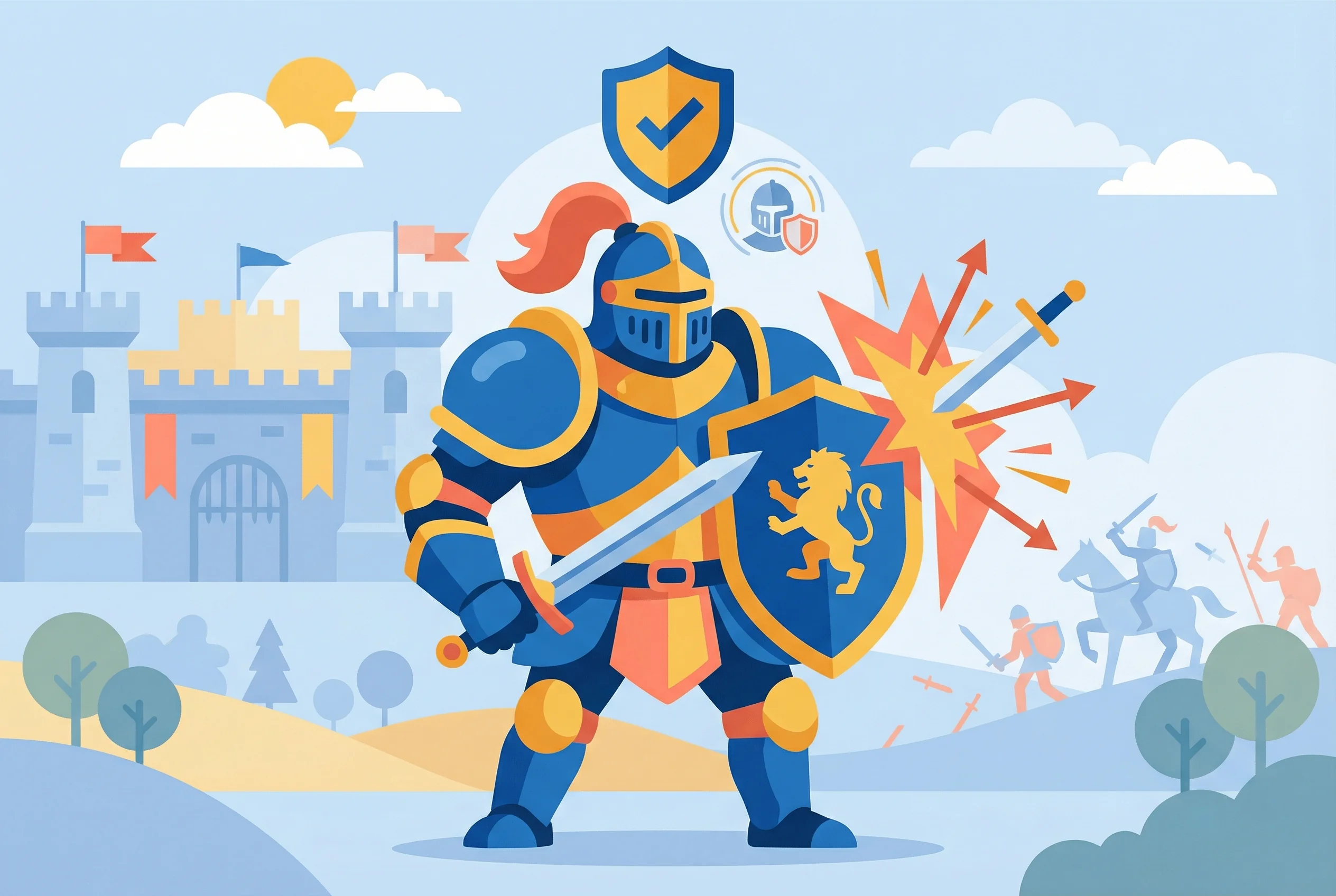
AHeavy armor scared enemies away
✗Not quite. Armor could look intimidating, but its job was surviving swords, arrows, lances, maces, and axes.
BProtection from swords and arrows
✓Correct. Plate armor distributed impact and stopped cuts; its weight was manageable because it spread across the body.
CTradition required full armor
✗Not quite. Armor changed over centuries because different forms worked better against different weapons.
Answer this question
Ancient History Trivia
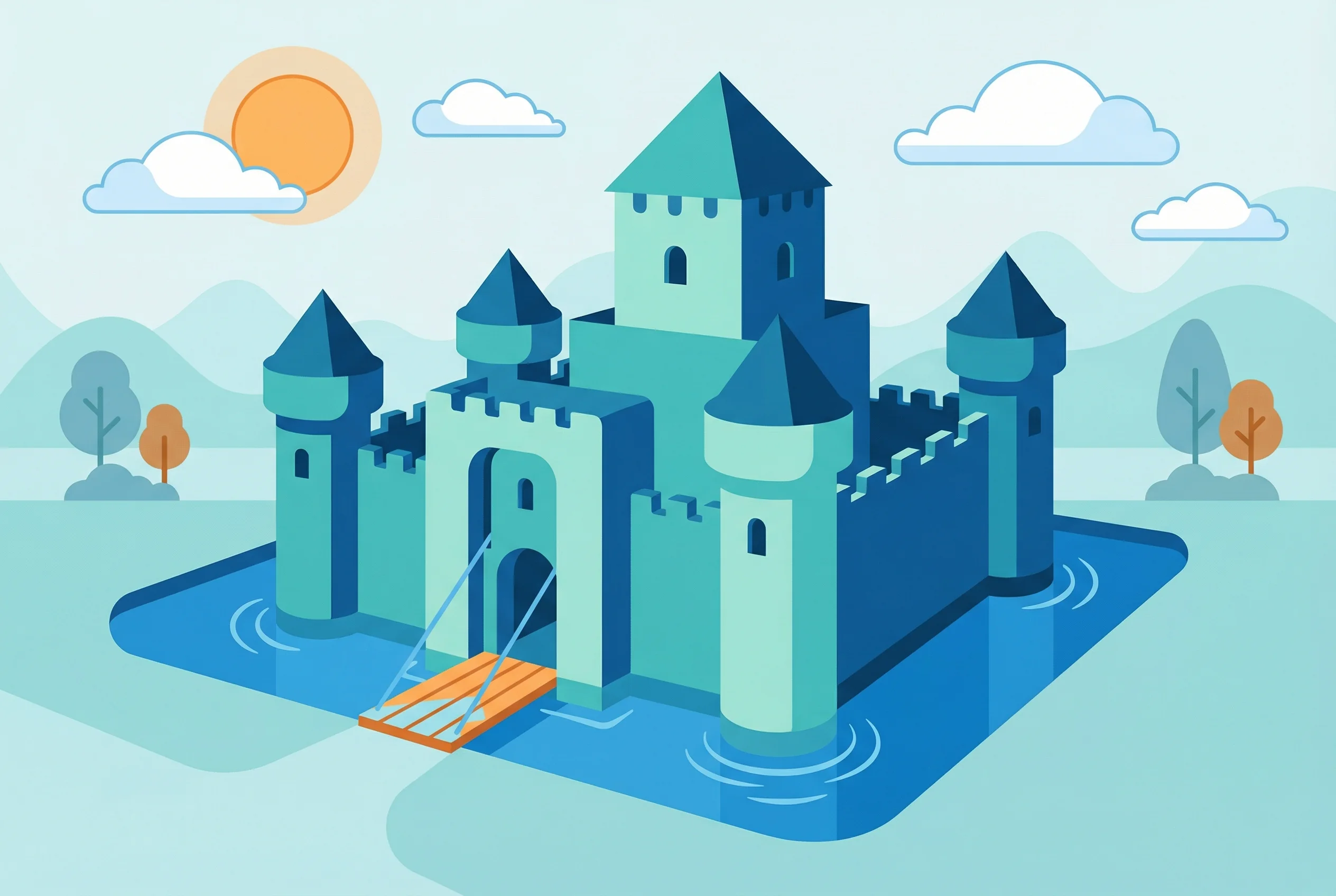
ATo provide drinking water
✗Not quite — castles relied on wells, cisterns, and other supplies. A moat's core job was defensive.
BTo form a first defensive obstacle
CTo raise fish for the garrison
✗Not quite — a moat could have secondary uses, but defence explains the feature.
Answer this question
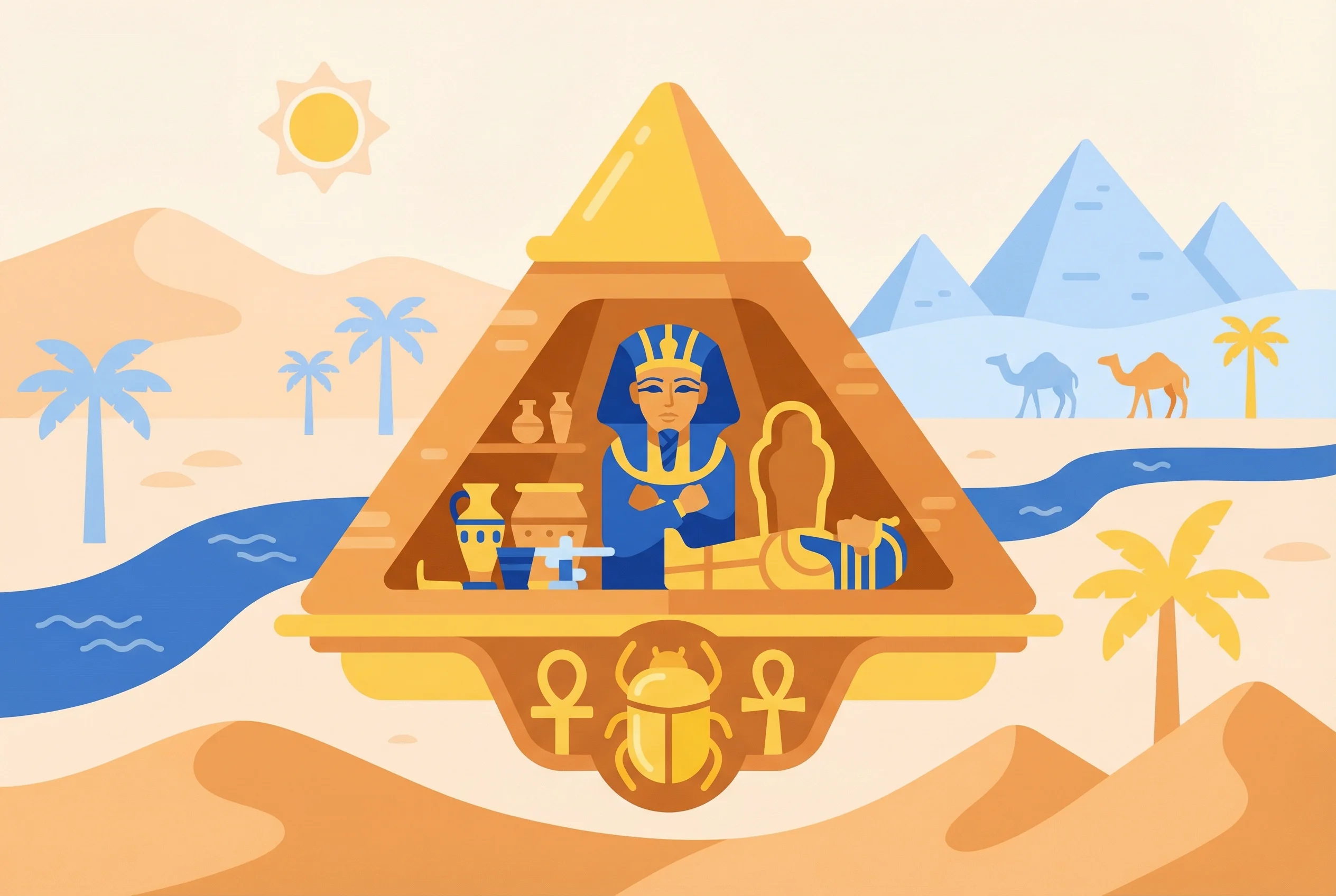
AAs royal tombs within funerary complexes
BOnly as mathematical demonstrations
✗Not quite — their geometry is extraordinary, but it served a religious and royal funerary project.
CAs granaries protected from Nile floods
✗Not quite — the archaeological setting identifies them as royal tomb monuments, not grain stores.
Answer this question
AIt has no continuing native speech community
BIt became too difficult to learn
✗Not quite — people still learn and use Latin. "Dead" describes native transmission, not difficulty.
CIts writing system was forgotten
✗Not quite — Latin survives in a vast written record, and its alphabet is now used by many languages.
Answer this question
World History Trivia
AWu Sangui allied with Qing forces at Shanhai Pass
BThe wall was too long to defend any pass
✗Not quite — length was a constant challenge, but this decisive entry came through a major defended pass during a civil and dynastic crisis.
CCannons demolished the entire wall
✗Not quite — the Qing did not need to flatten the fortification from end to end.
Answer this question
AIt was powerful, compact, and relatively easy to aim
✓Correct — the stock and trigger let a user hold the weapon ready without continuously drawing it, while the compact form worked in cramped spaces, aboard ships, and behind cover. It hit hard, though armour-piercing claims depend on range, bolt, bow, and armour. The Fitzwilliam Museum summarizes its strengths and limits. BIt always fired faster than a longbow
✗Not quite — the longbow's faster rate of fire was a major advantage in open battle.
CIt outranged every other medieval weapon
✗Not quite — there was no universal range advantage. Crossbows varied enormously, and longbows could outrange some of them.
Answer this question
AAttrition, disease, failed supply, Russian resistance, and then cold
BWinter alone froze an otherwise intact army
✗Not quite — severe cold was devastating, especially during the retreat, but the campaign was already unraveling before the worst temperatures arrived.
COne Russian battle destroyed the whole force
✗Not quite — battle mattered, but cumulative attrition and logistics explain why the losses kept compounding over months.
Answer this question
Want to play these for real?
Turn small history gaps into a 10-second curiosity loop: make a guess, get the closure, and leave with one more thing the world now makes sense about.
Play live on AIgneous Million WhysFrequently Asked Questions
What makes good history trivia?
Good history trivia gives you a small uncertainty you can actually close: why a custom exists, why a date moves, or why an old technology solved a real problem.
Are these history trivia questions for adults?
Yes. They are written for curious general readers, not exam prep. The point is to understand the reason behind the answer, not memorize a date under pressure.
Can I use these history trivia questions for a quiz night?
Yes. Each card has a question, three choices, the correct answer, and short feedback you can read aloud after people guess.
Why are some cards about customs instead of battles?
History is not only kings and wars. Greetings, holidays, food, symbols, and public works often explain how ordinary life inherited older solutions.
What does this have to do with AIgneous Million Whys?
Million Whys is built for exactly this: a half-known question, a quick prediction, and the satisfying closure that makes the next why easier to notice.