A hand-curated general knowledge trivia set — 23 quick "why" questions about animals, the human body, physics, chemistry, plants, fungi, food, and history. Each question has three plausible answers and a one-tap reveal that explains the mechanism, so the fact actually sticks. Pick a cluster below.
General Knowledge Trivia About Animals
AAttracting mates with scent
✗Not quite — skunks use other scent signals for mating. The spray is too harsh for attraction.
BLast-resort predator defense
✓Correct — skunk spray is a sulfur-rich defensive chemical used after warning displays when a threat keeps coming.
CKeeping their fur clean
✗Not quite — the oily spray is a deterrent, not a grooming tool.
Answer this question
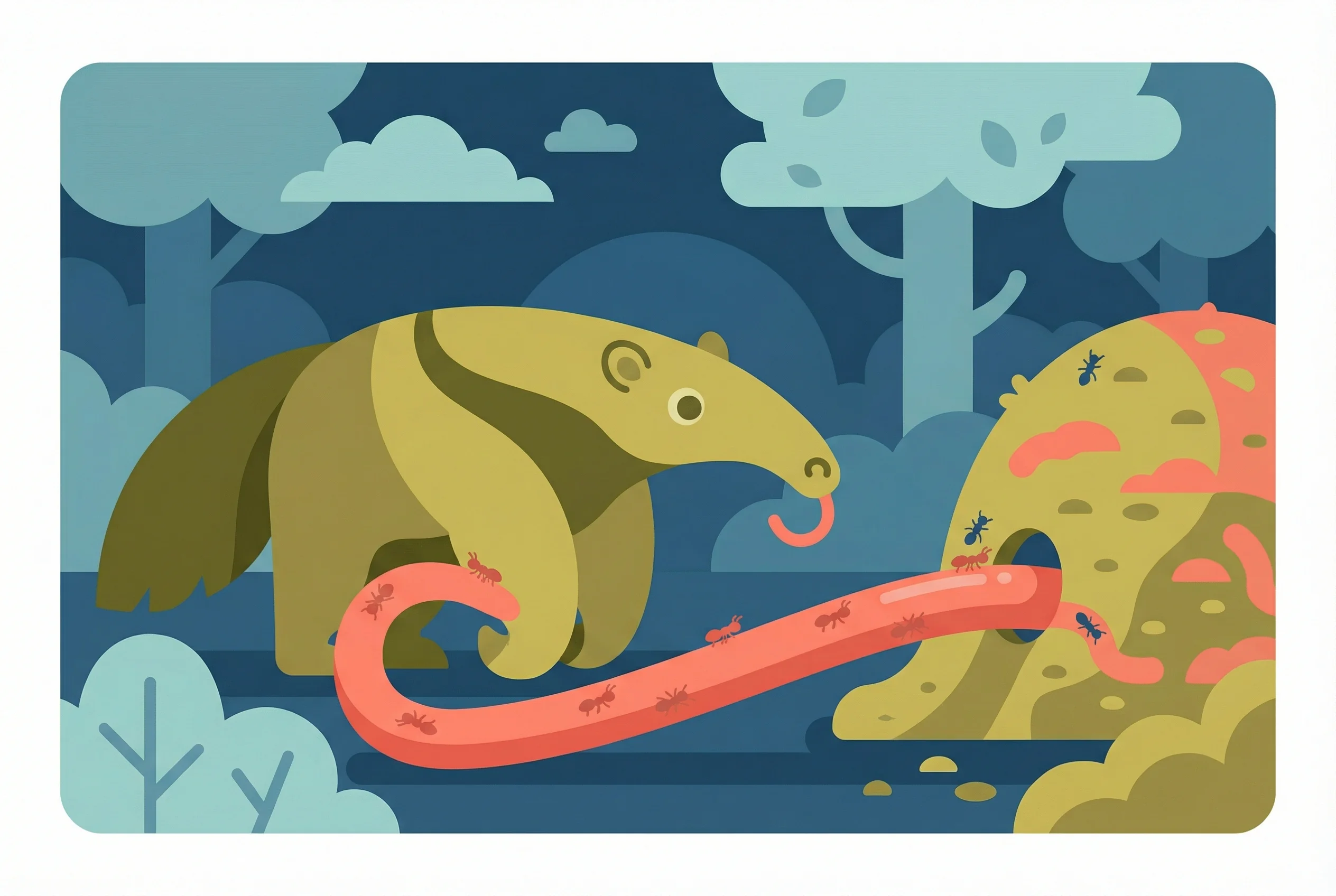
AReaching deep into ant nests
✓Correct — the long sticky tongue reaches into ant and termite tunnels and flicks quickly to collect insects.
BIt helps regulate body temperature
✗Not quite — the tongue is a feeding tool, not a cooling system.
CFighting off predators
✗Not quite — anteaters use powerful claws for defense; the tongue is for feeding.
Answer this question
ACourtship ritual for mating
✗Not quite — bee dances are a food-location communication system, not courtship.
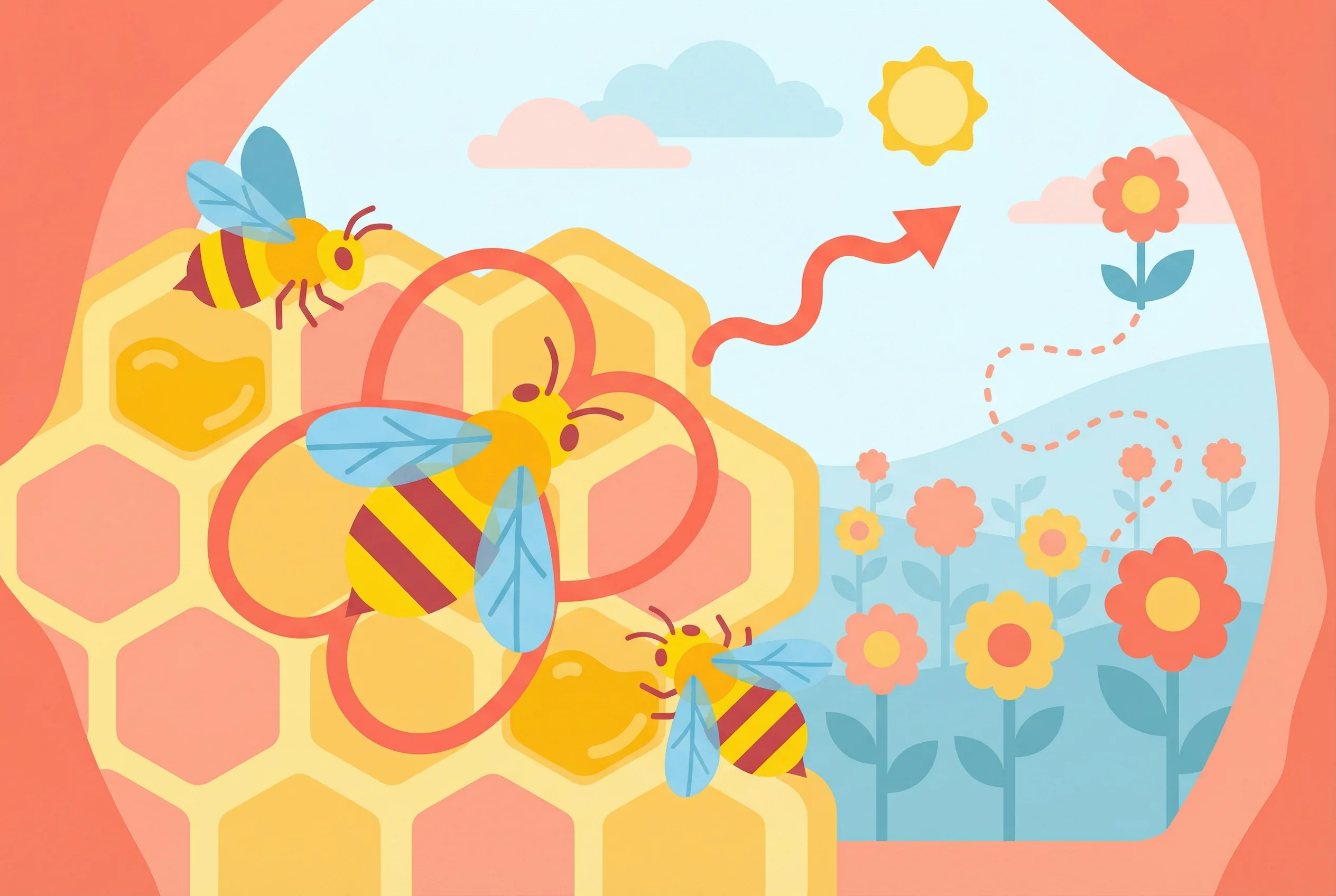
BCommunicating food locations
✓Correct — waggle dances encode direction, distance, and food quality for hive mates.
CWarming up flight muscles
✗Not quite — bees can warm muscles, but the waggle dance is spatial communication.
Answer this question
AEscaping ocean predators
✗Not quite — predators exist, but the upstream journey is driven by reproduction.
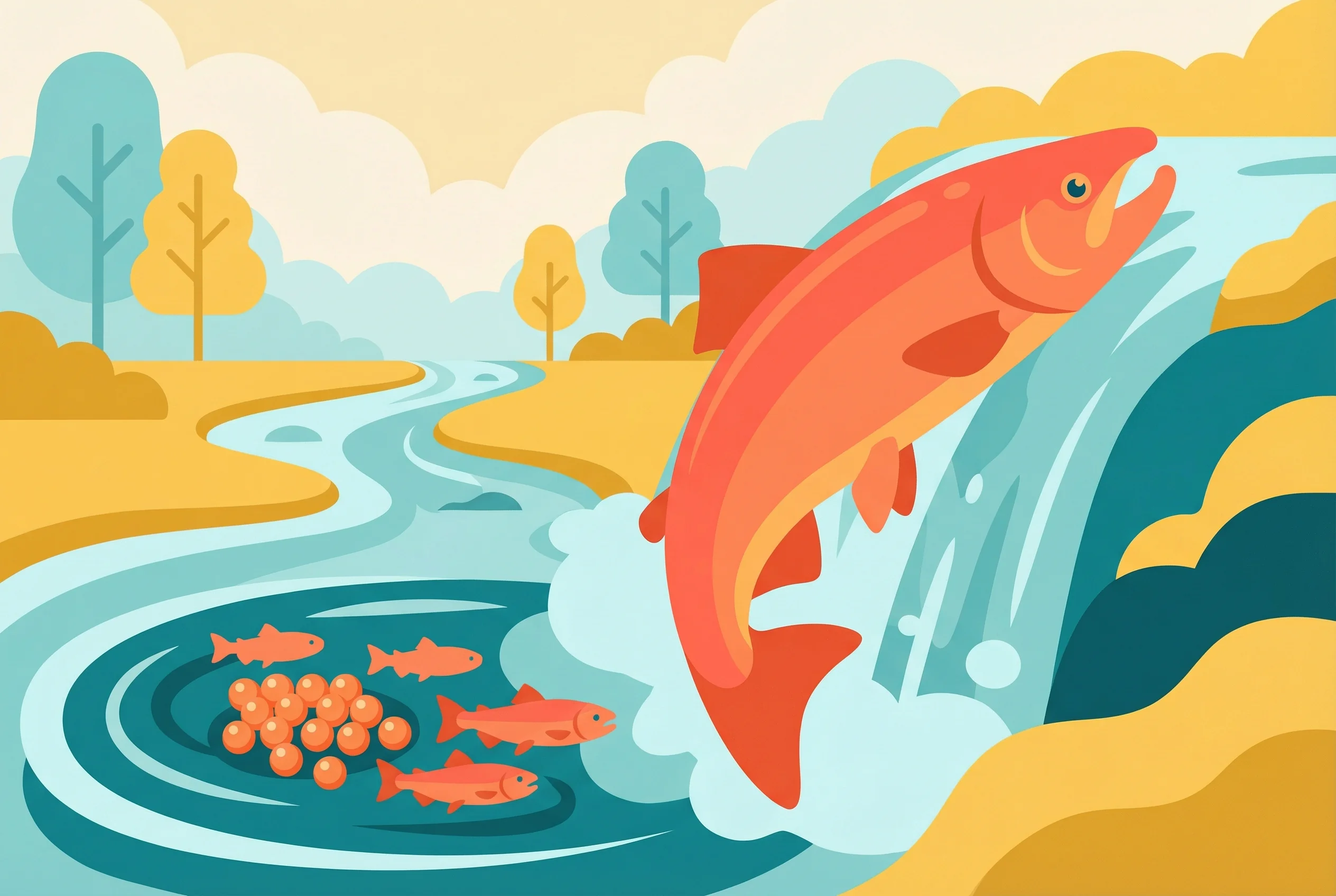
BSpawning in birthplace
✓Correct — salmon return to natal streams to spawn, using chemical memories and other navigation cues.
CSearching for more food
✗Not quite — many salmon stop feeding during spawning migration and use stored energy.
Answer this question
General Knowledge Questions About the Human Body
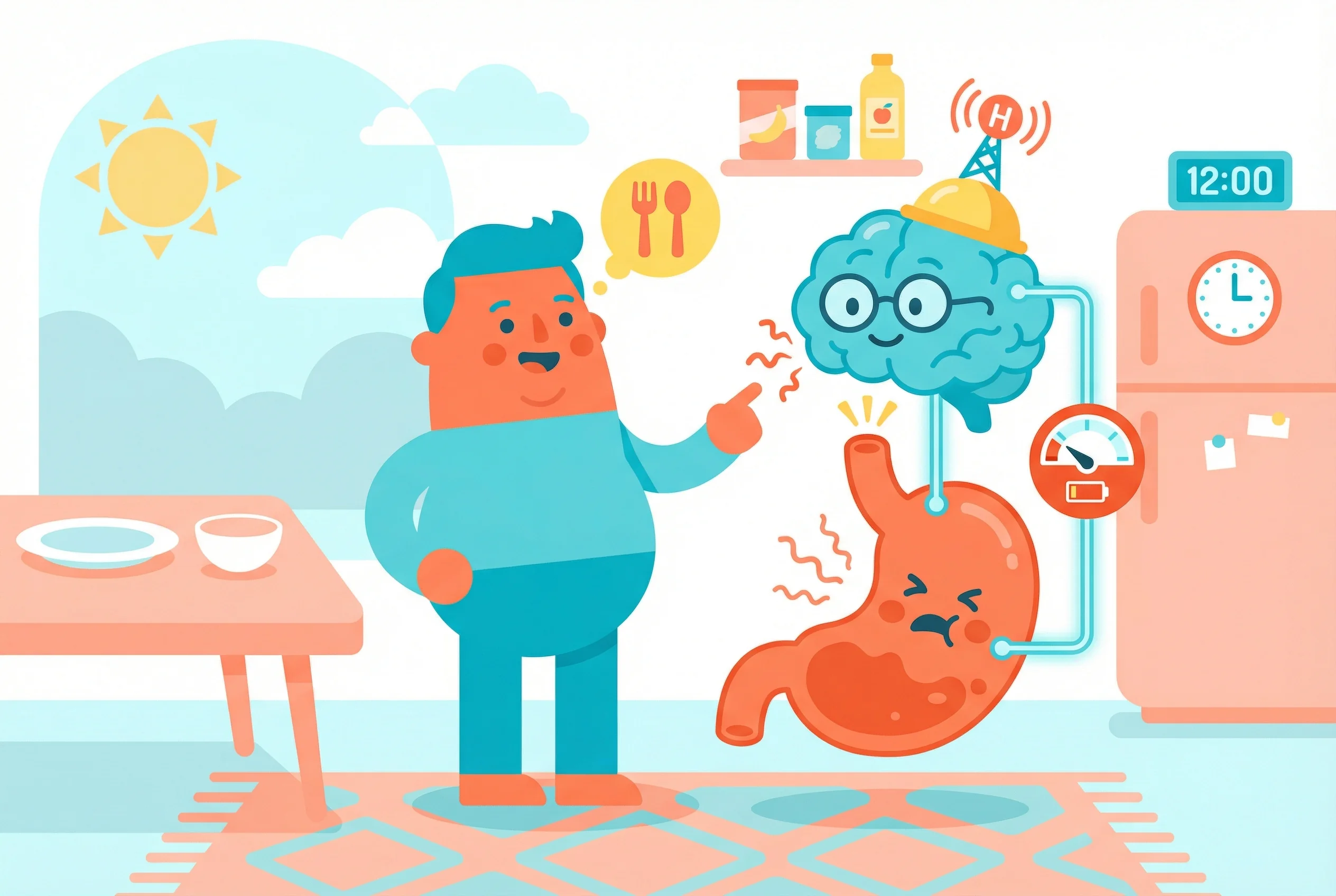
ABlood sugar drops trigger brain
✓Correct — the brain detects energy status and uses signals such as ghrelin to create hunger.
BDigestive system needs work
✗Not quite — hunger is regulated by brain and hormone signals, not by the gut wanting a task.
CBody temperature decreases
✗Not quite — metabolism and temperature are related, but hunger is mainly an energy-signal loop.
Answer this question
ABrain signals stimulate tear glands
✓Correct — emotional processing can send signals through the brainstem to the lacrimal glands.
BEyes need cleaning when upset
✗Not quite — reflex tears clean the eye; emotional tears come from neural emotion pathways.
CBody temperature rises too high
✗Not quite — temperature does not explain emotional crying.
Answer this question
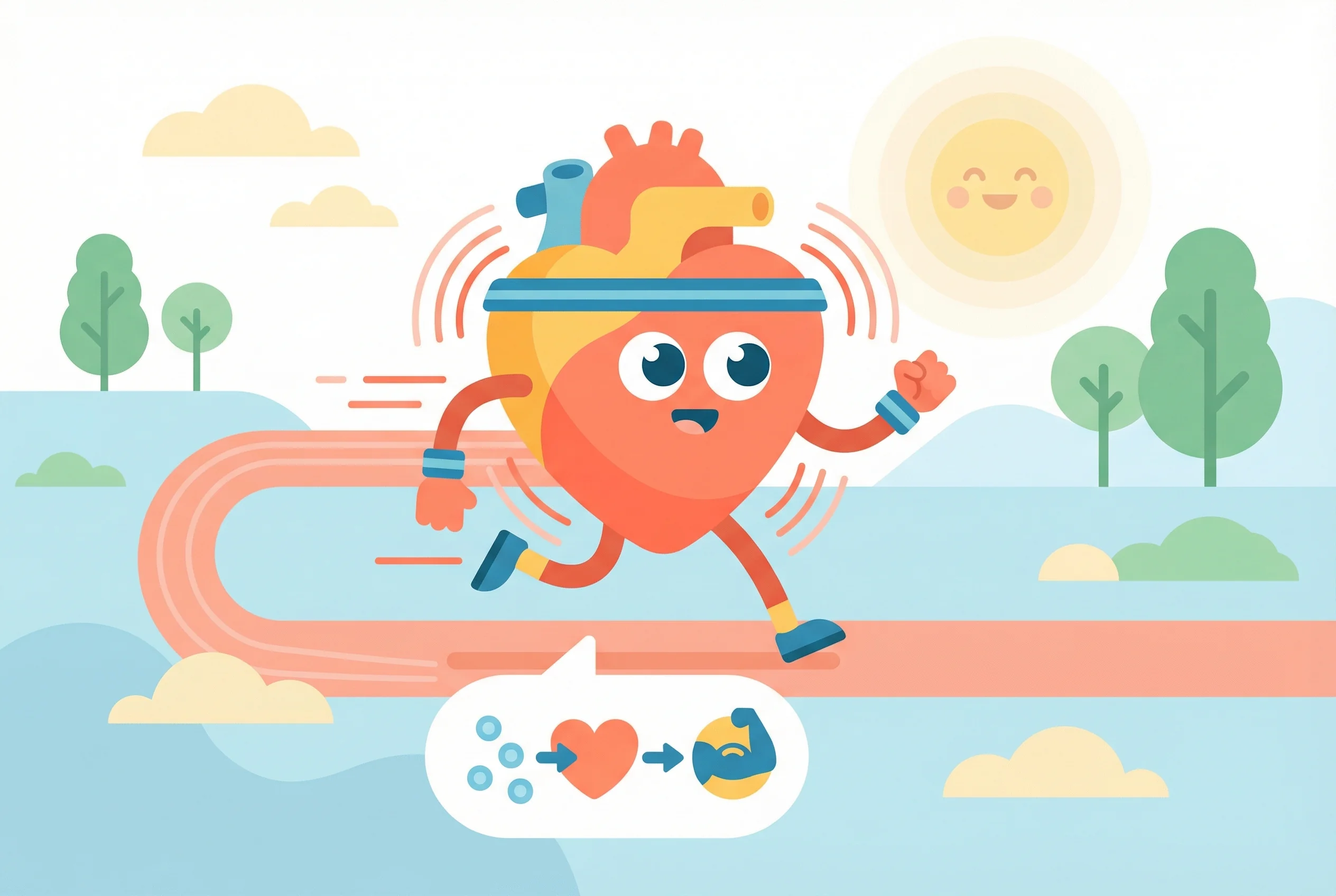
ATo deliver more oxygen to muscles
✓Correct — working muscles need more oxygen and faster removal of carbon dioxide, so the heart pumps more quickly.
BHeart muscles need warming up
✗Not quite — the heart is already active. The demand comes from the exercising muscles.
CTo remove sweat faster
✗Not quite — sweat glands handle sweat; circulation handles oxygen and waste transport.
Answer this question
Everyday Physics General Knowledge Trivia
AAir resistance equalizes them
✗Not quite — air resistance usually makes lighter or broader objects fall slower.
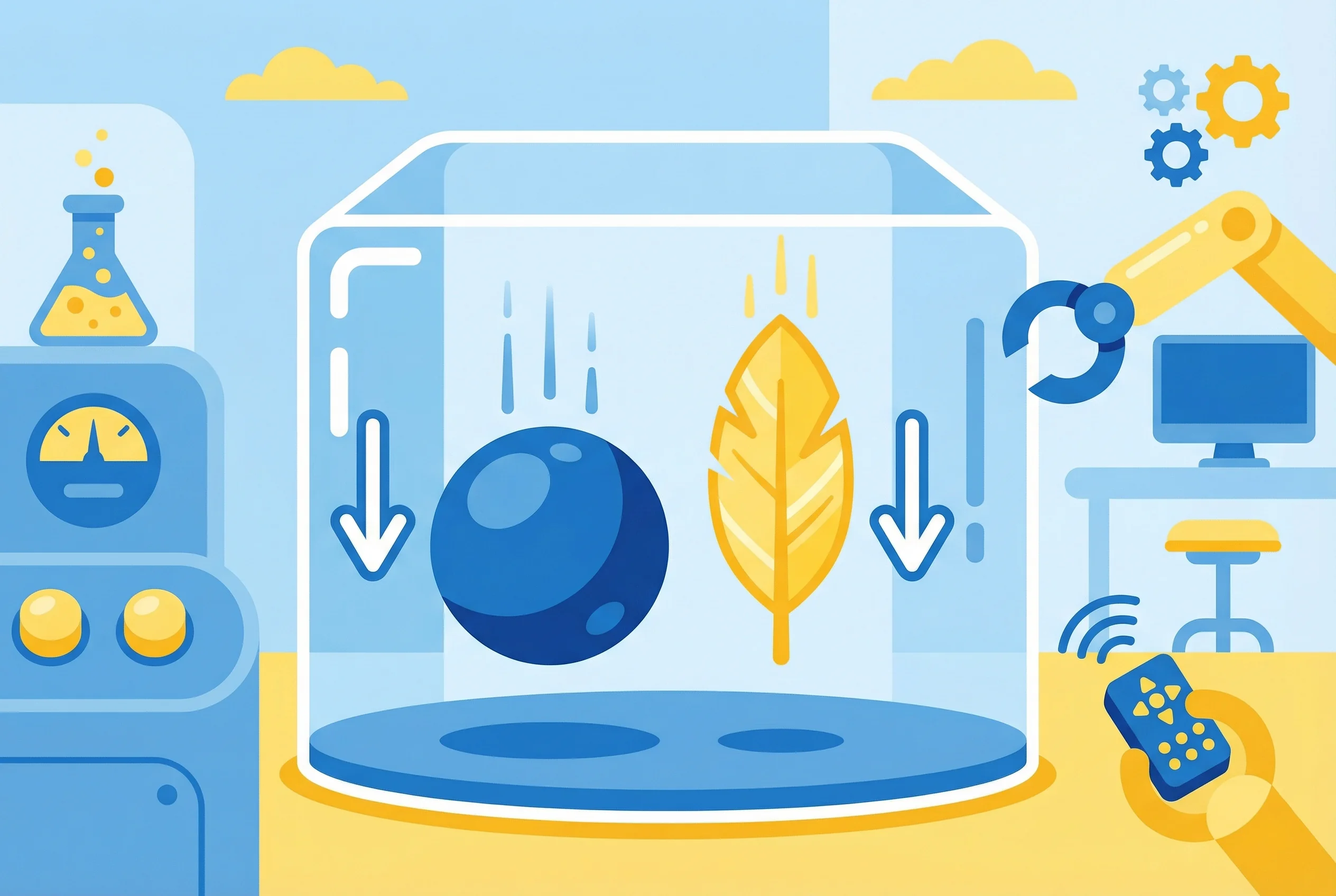
BGravity accelerates all equally
✓Correct — in the same gravitational field, mass cancels out of the acceleration, so objects accelerate equally without air resistance.
CWeight doesn't affect motion
✗Not quite — weight is force, but heavier objects also have more inertia, so the acceleration matches.
Answer this question
AAir is less dense than water
✓Correct — the gas in the bubble is less dense than water, so buoyant force pushes it upward.
BWater pressure forces them
✗Not quite — pressure exists, but buoyancy from density difference explains the upward motion.
CHeat makes air rise
✗Not quite — bubbles rise in cold water too. Density, not temperature, is the key here.
Answer this question
ACounteract body rotation
✓Correct — the main rotor creates torque on the body; the tail rotor pushes sideways to stabilize it.
BBalance the weight
✗Not quite — weight balance matters, but the tail rotor mainly counters spin.
CCool the engine
✗Not quite — engine cooling is separate. The tail rotor is about torque control.
Answer this question
Random General Knowledge Facts About Food and History
ARaw onions are less ripe
✗Not quite — the onion is the same; heat changes the flavor chemistry.
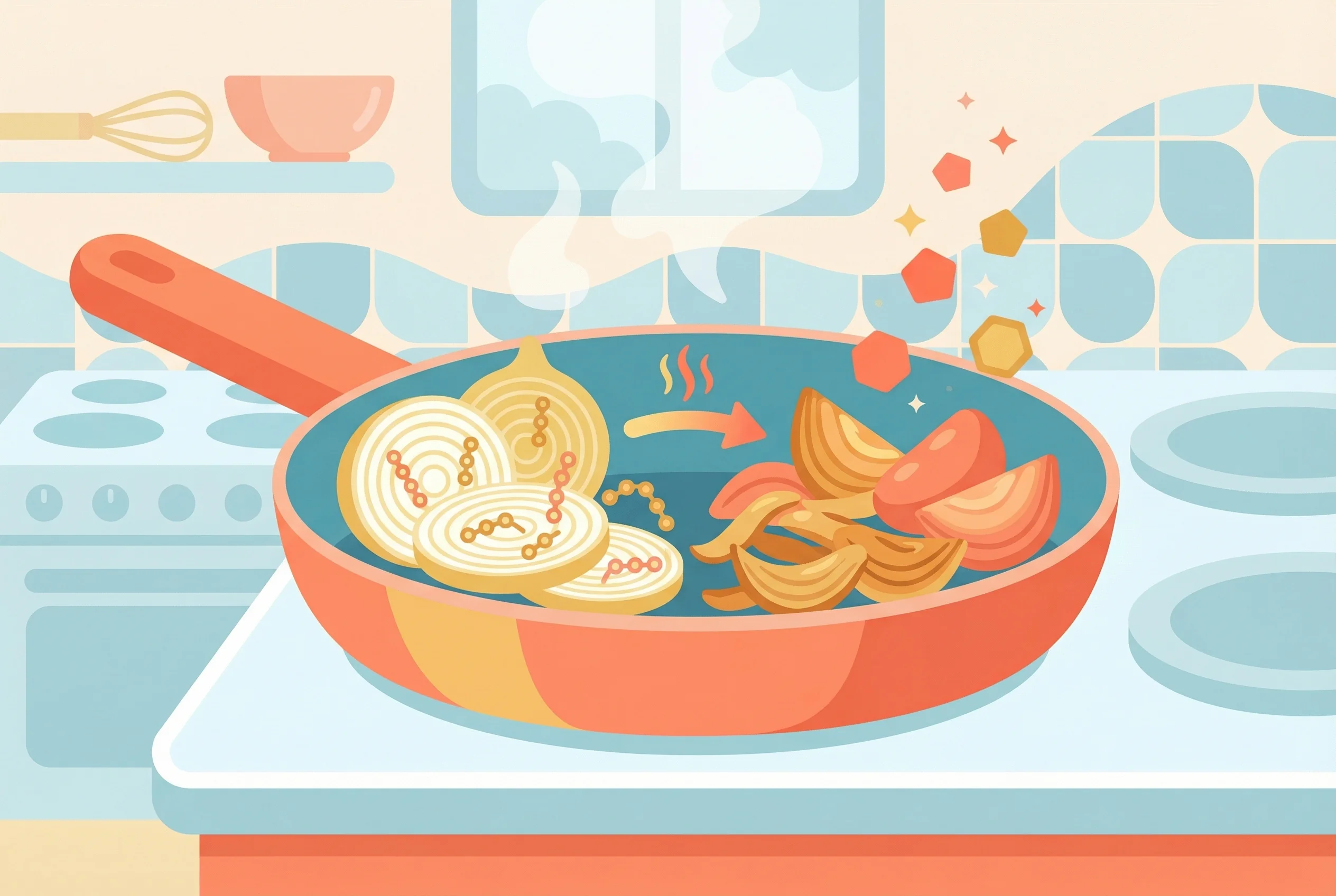
BHeat converts sulfur compounds
✓Correct — heat softens the sharp sulfur chemistry and onion sugars caramelize, making the flavor sweeter.
CCooking adds salt and seasoning
✗Not quite — even plain cooked onions taste sweeter because heat transforms the compounds inside them.
Answer this question
AFlags required by international law
✗Not quite — conventions govern use, but flags emerged as identity and sovereignty symbols.
BHistorical accident from wars
✗Not quite — military banners mattered, but national flags became deliberate symbols of shared identity.
CSymbol of identity and unity
✓Correct — flags represent national identity, values, sovereignty, and unity.
Answer this question
General Knowledge Questions About Everyday Chemistry
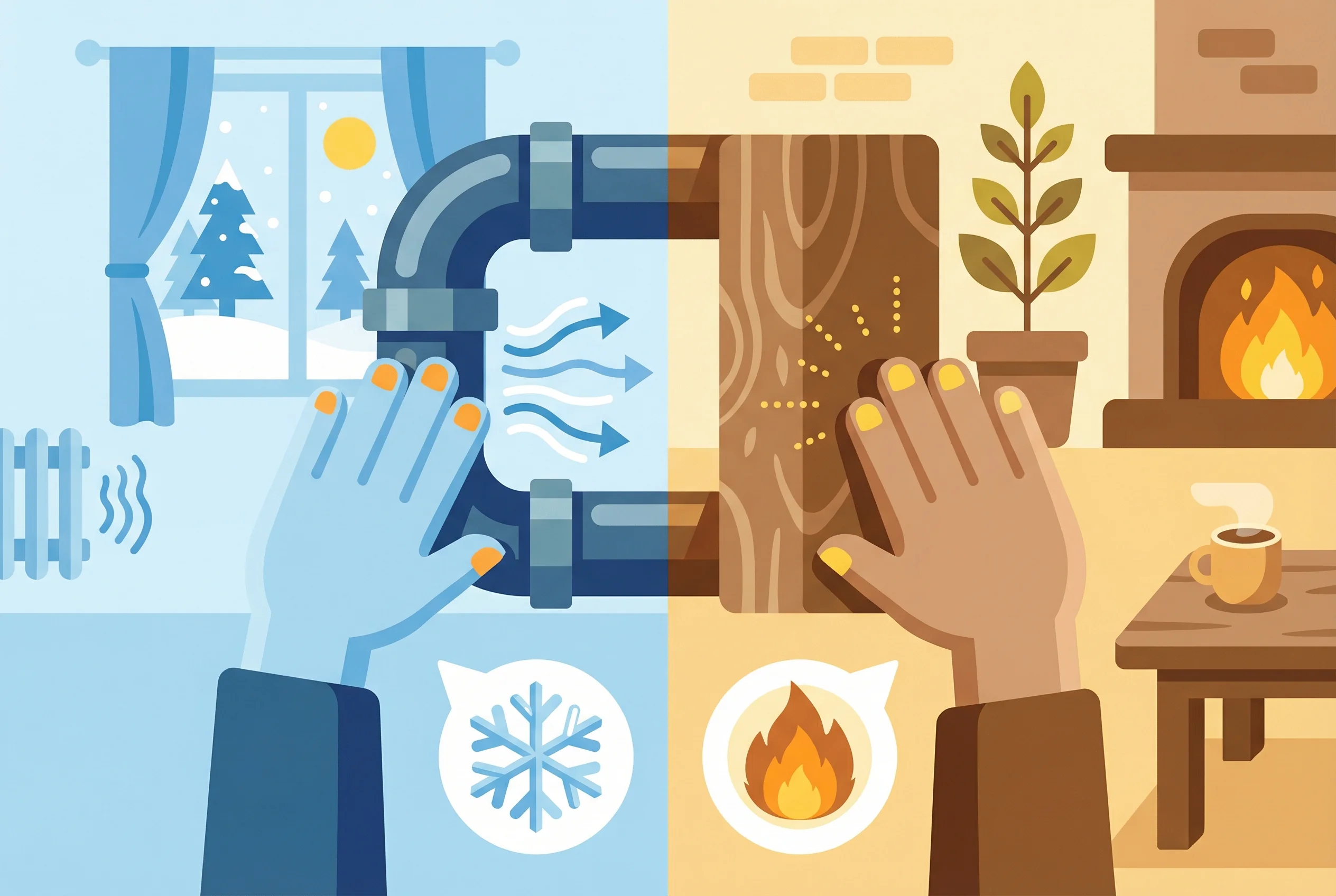
AMetal conducts heat faster
✓Correct — Both can be at the same room temperature, but metal carries heat away from your warmer hand faster than wood does.
BWood generates heat
✗Not quite — the best answer is A: Metal conducts heat faster. Open that choice for the mechanism.
CMetal is actually colder
✗Not quite — the best answer is A: Metal conducts heat faster. Open that choice for the mechanism.
Answer this question
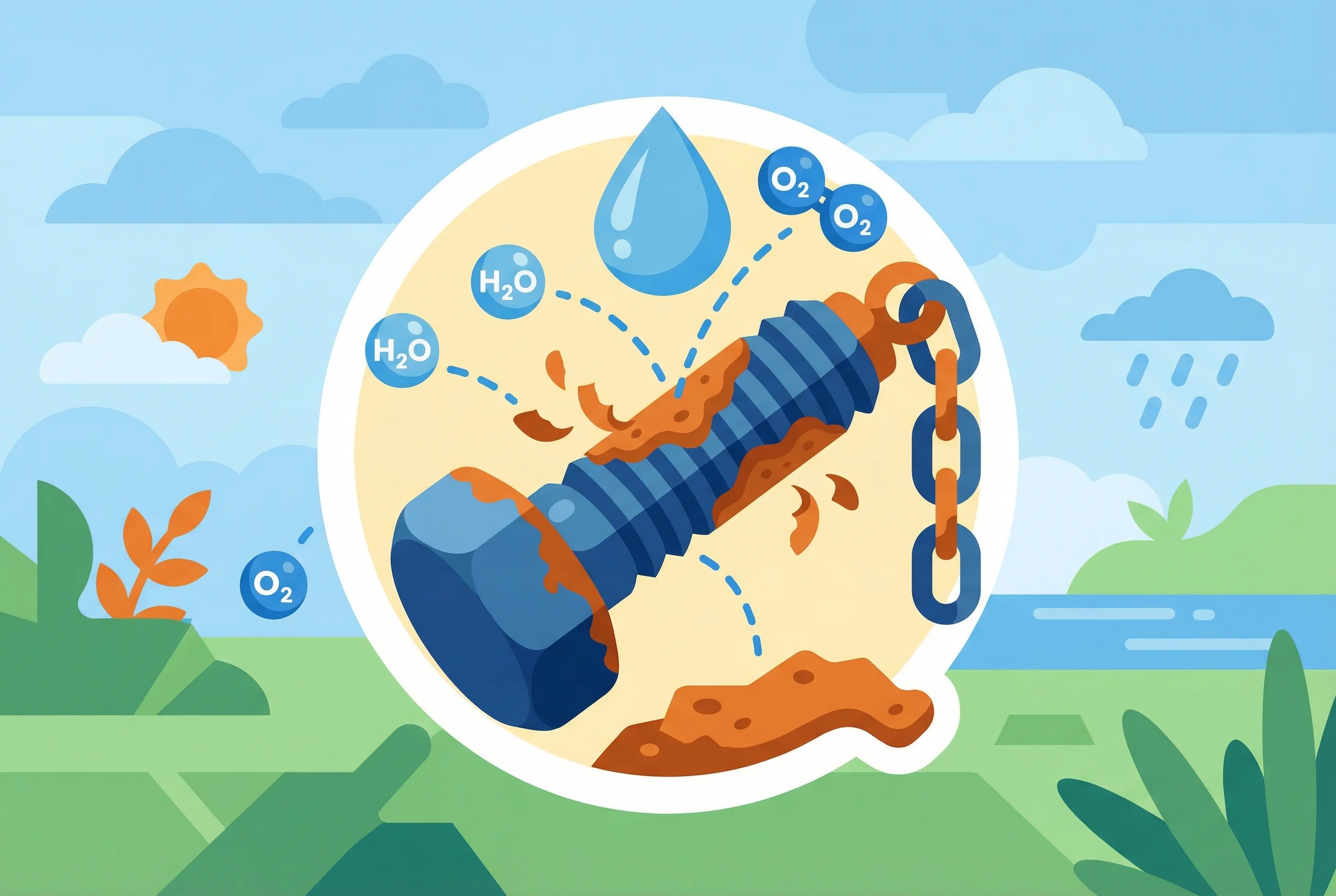
AIron oxidizes with oxygen
✓Correct — Rust forms through electrochemical oxidation when iron, oxygen, and moisture interact; paint or oil slows it by isolating the metal.
BIron absorbs moisture from air
✗Not quite — the best answer is A: Iron oxidizes with oxygen. Open that choice for the mechanism.
CAcid dissolves the surface
✗Not quite — the best answer is A: Iron oxidizes with oxygen. Open that choice for the mechanism.
Answer this question
AKills all germs instantly
✗Not quite — the best answer is B: Breaks down oils with molecules. Open that choice for the mechanism.
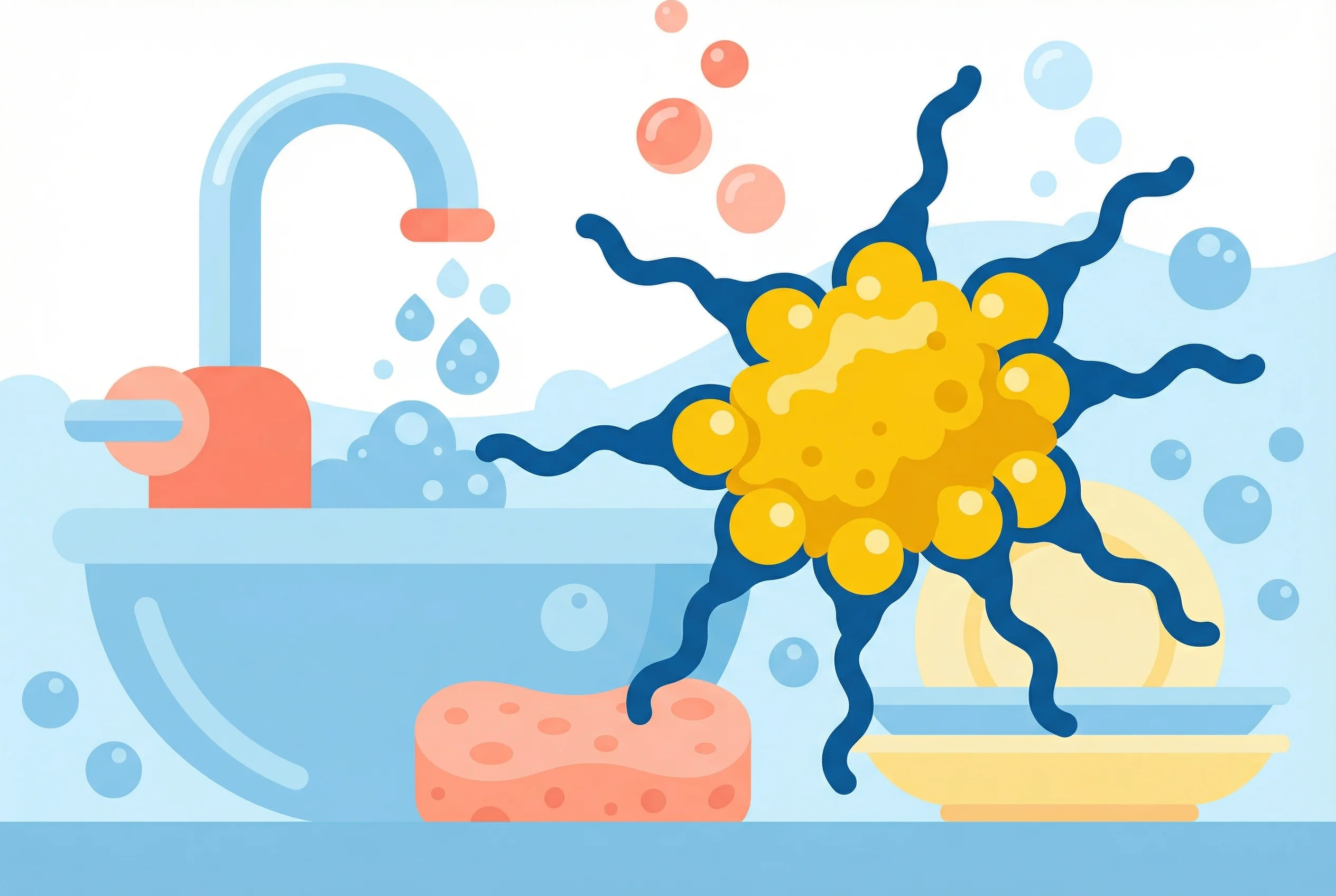
BBreaks down oils with molecules
✓Correct — Soap molecules have water-friendly heads and oil-friendly tails, so they surround greasy dirt in micelles that water can carry away.
CHeats dirt off surfaces
✗Not quite — the best answer is B: Breaks down oils with molecules. Open that choice for the mechanism.
Answer this question
AMolecules vibrate and release air
✗Not quite — the best answer is C: Acid-base reaction makes CO₂. Open that choice for the mechanism.
BVinegar boils baking soda
✗Not quite — the best answer is C: Acid-base reaction makes CO₂. Open that choice for the mechanism.
CAcid-base reaction makes CO₂
✓Correct — Acetic acid reacts with sodium bicarbonate to make sodium acetate, water, and carbon dioxide; the escaping gas is the fizz.
Answer this question
General Knowledge Trivia Questions About Plants and Fungi
ARoots shrink from dryness
✗Not quite — the best answer is C: Turgor pressure drops in cells. Open that choice for the mechanism.
BSunlight damages dry plants
✗Not quite — the best answer is C: Turgor pressure drops in cells. Open that choice for the mechanism.
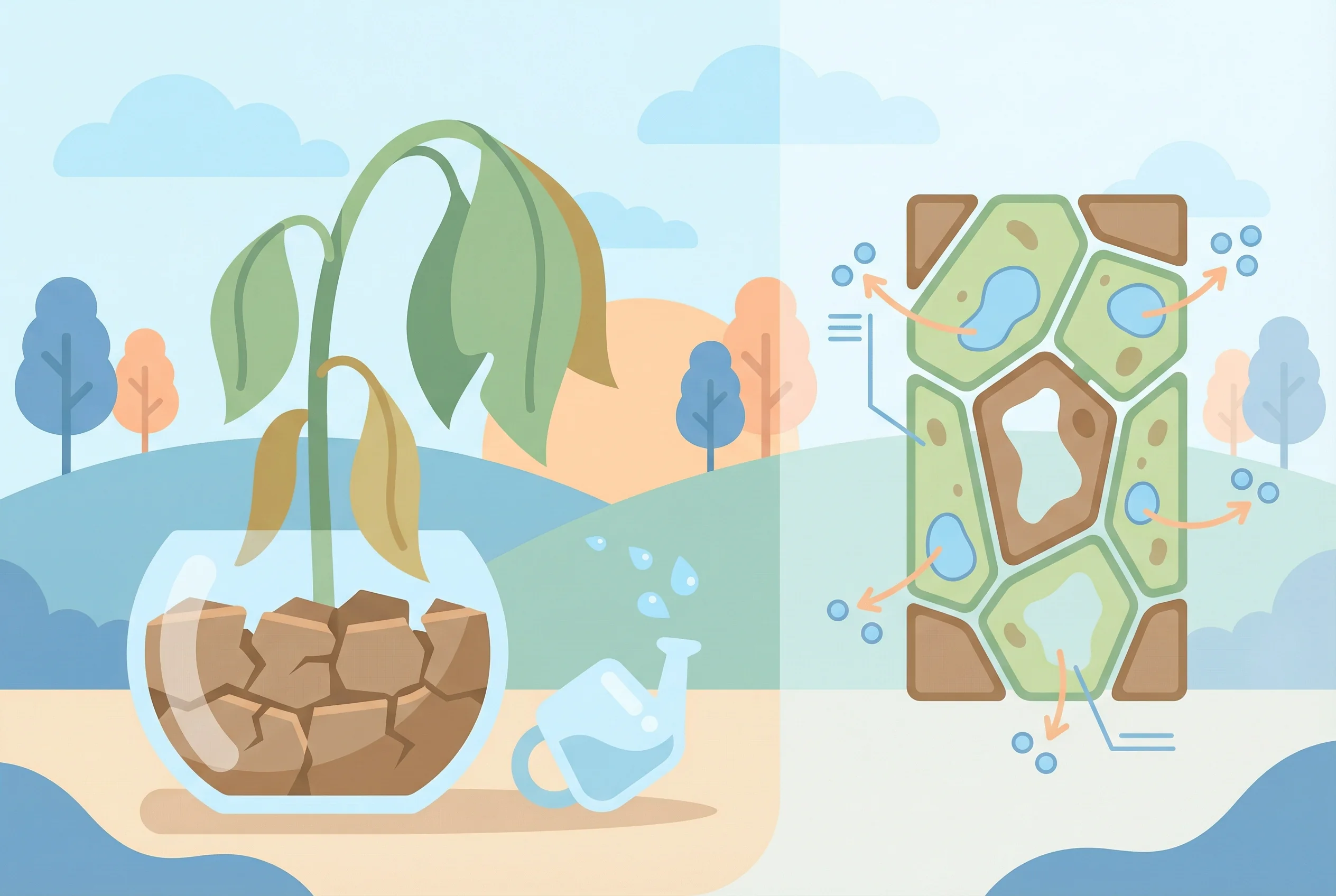
CTurgor pressure drops in cells
✓Correct — When cells lose water, their turgor pressure falls, so leaves and stems lose rigidity and droop. Dry soil is one cause, but heat or damaged roots can also produce wilt.
Answer this question
AEscape soil predators
✗Not quite — the best answer is B: Compete for sunlight. Open that choice for the mechanism.
BCompete for sunlight
✓Correct — Climbing lets vines reach brighter canopy space while using another structure for support instead of investing in a thick trunk.
CFind stronger support
✗Not quite — the best answer is B: Compete for sunlight. Open that choice for the mechanism.
Answer this question
ARain washes away toxins
✗Not quite — the best answer is B: Moisture triggers fruiting. Open that choice for the mechanism.
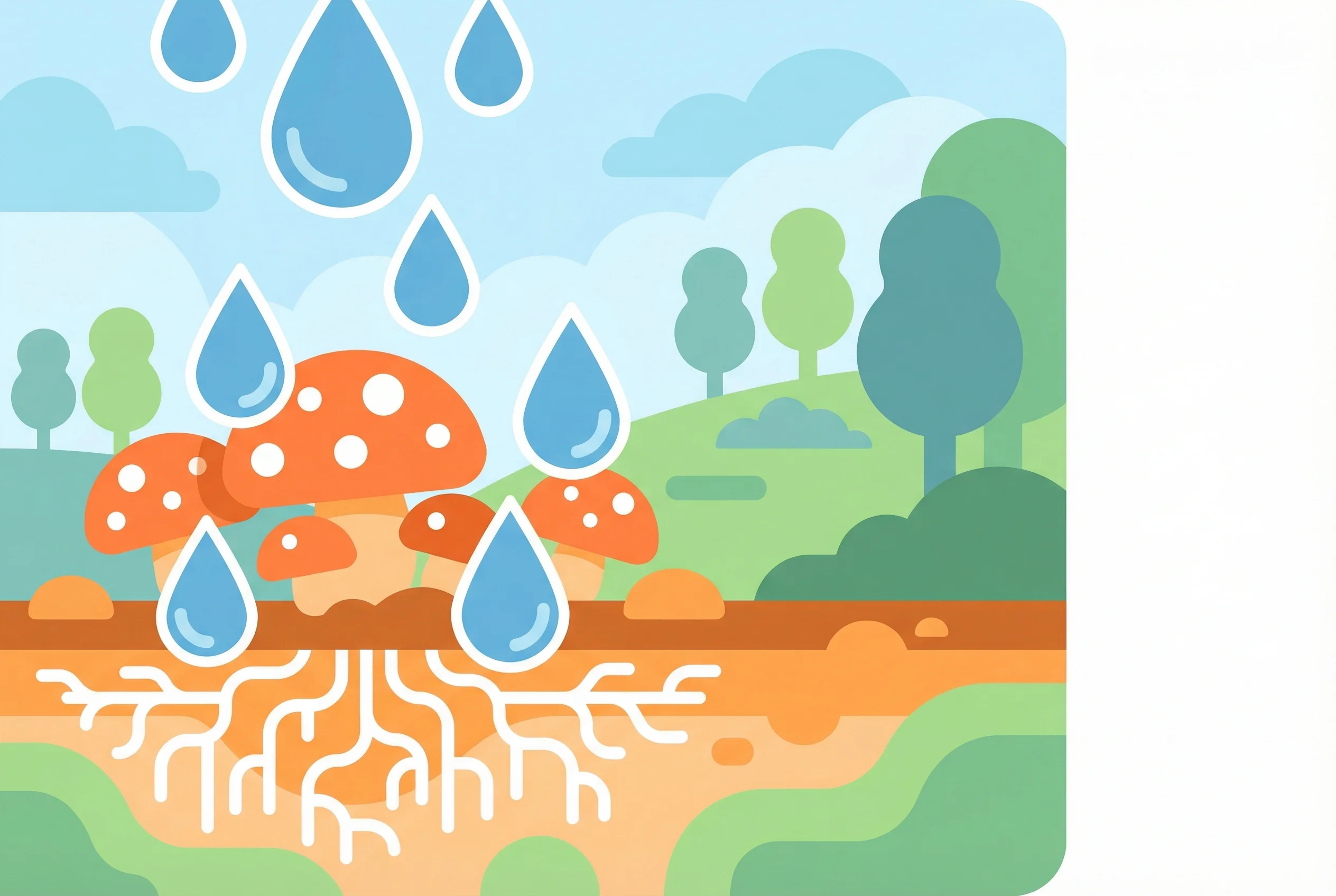
BMoisture triggers fruiting
✓Correct — The fungal mycelium is already present; sustained moisture and suitable temperature can trigger it to make above-ground fruiting bodies that release spores.
CRain brings spores from sky
✗Not quite — the best answer is B: Moisture triggers fruiting. Open that choice for the mechanism.
Answer this question
General Knowledge Quiz With Answers About Food Science
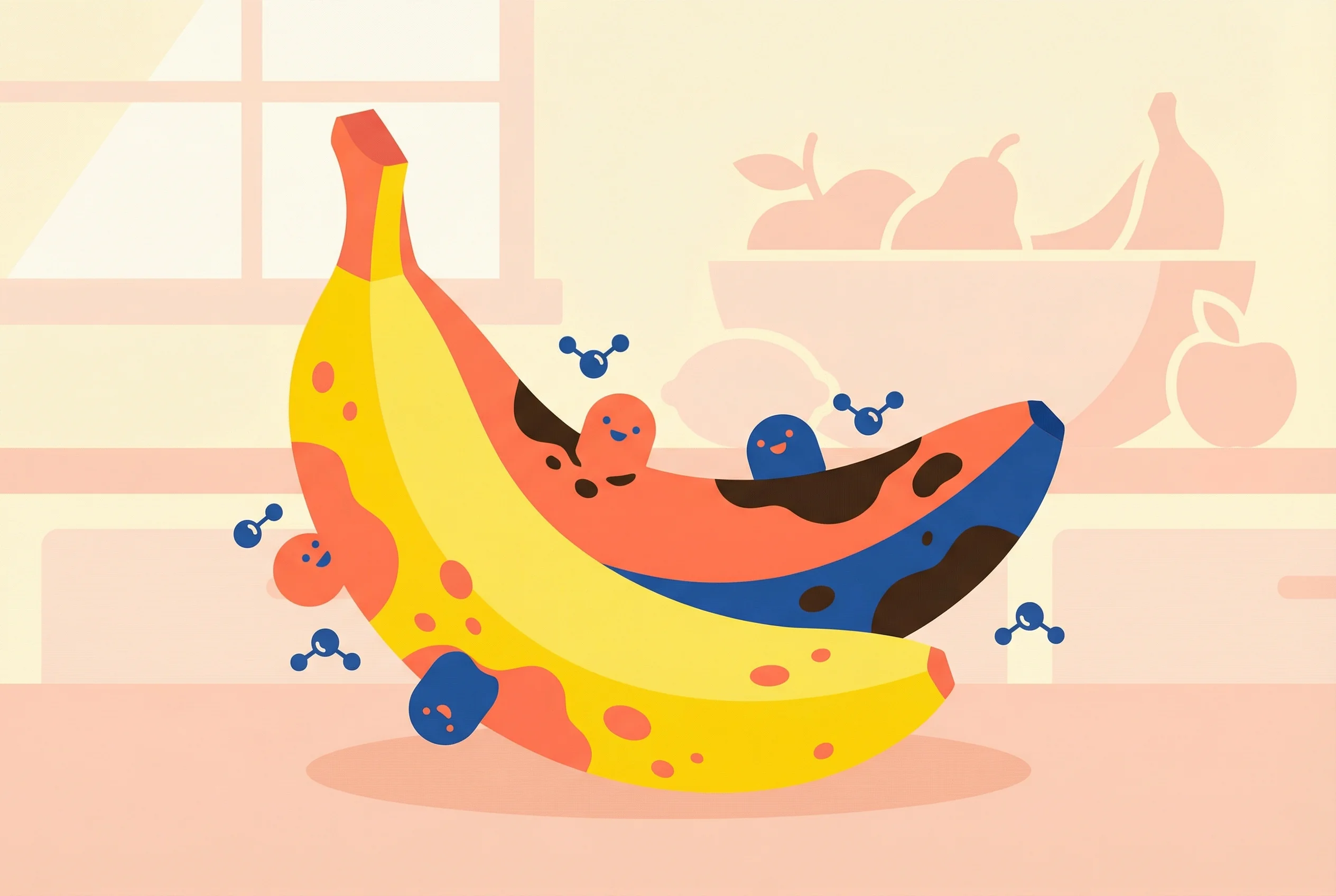
AEnzymes oxidize polyphenols
✓Correct — Ripening and tissue damage enable browning reactions involving polyphenol oxidase, while ethylene moves the ripening process along.
BSugar caramelizes naturally
✗Not quite — the best answer is A: Enzymes oxidize polyphenols. Open that choice for the mechanism.
CSkin cells die over time
✗Not quite — the best answer is A: Enzymes oxidize polyphenols. Open that choice for the mechanism.
Answer this question
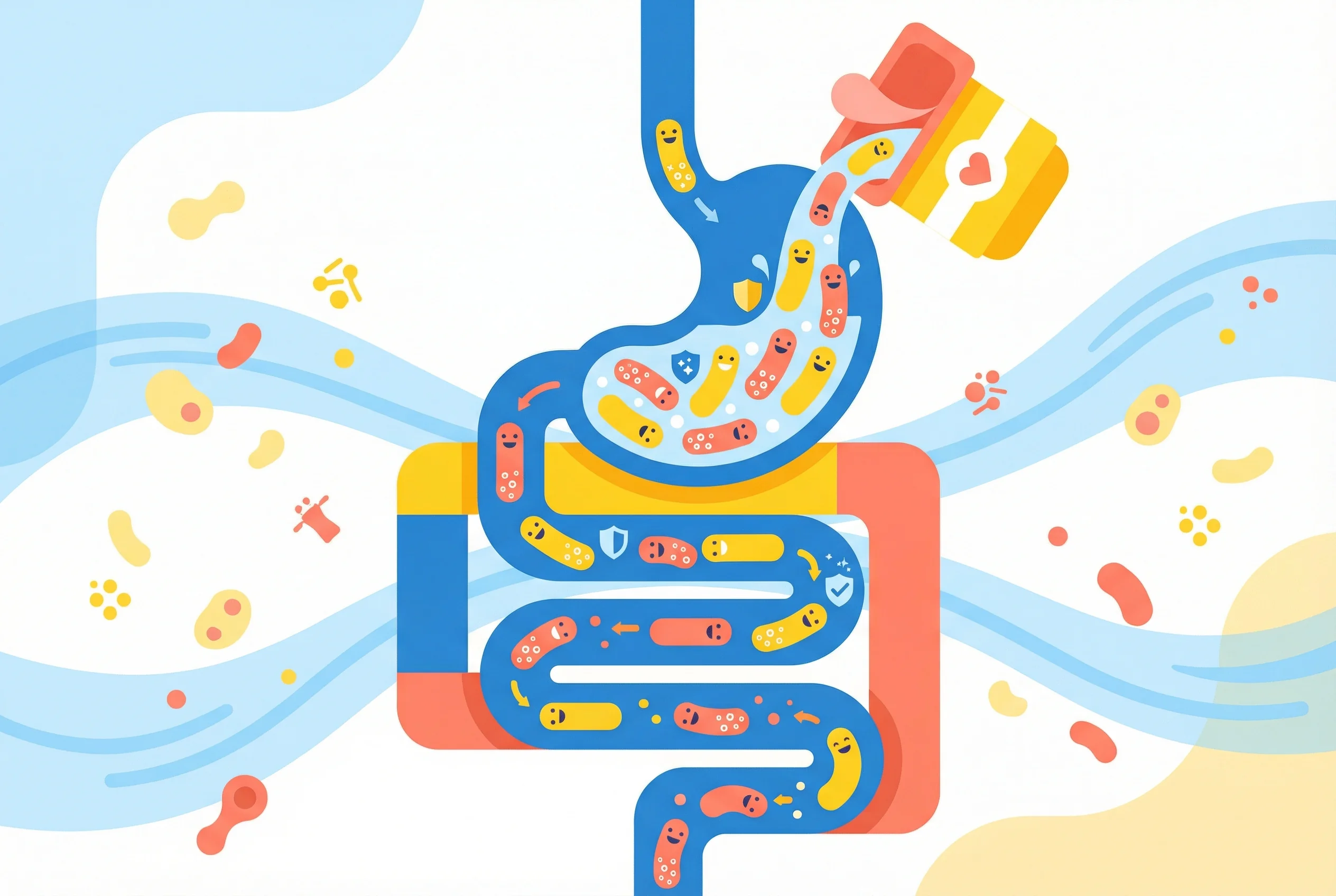
ABeneficial bacteria ferment milk
✓Correct — Starter bacteria ferment lactose into lactic acid, which lowers the pH, thickens milk proteins, and creates yogurt's tartness. Some yogurts are heat-treated after fermentation, so check the label for live cultures.
BNatural fruit sugars grow microbes
✗Not quite — the best answer is A: Beneficial bacteria ferment milk. Open that choice for the mechanism.
CPreservatives create probiotics
✗Not quite — the best answer is A: Beneficial bacteria ferment milk. Open that choice for the mechanism.
Answer this question
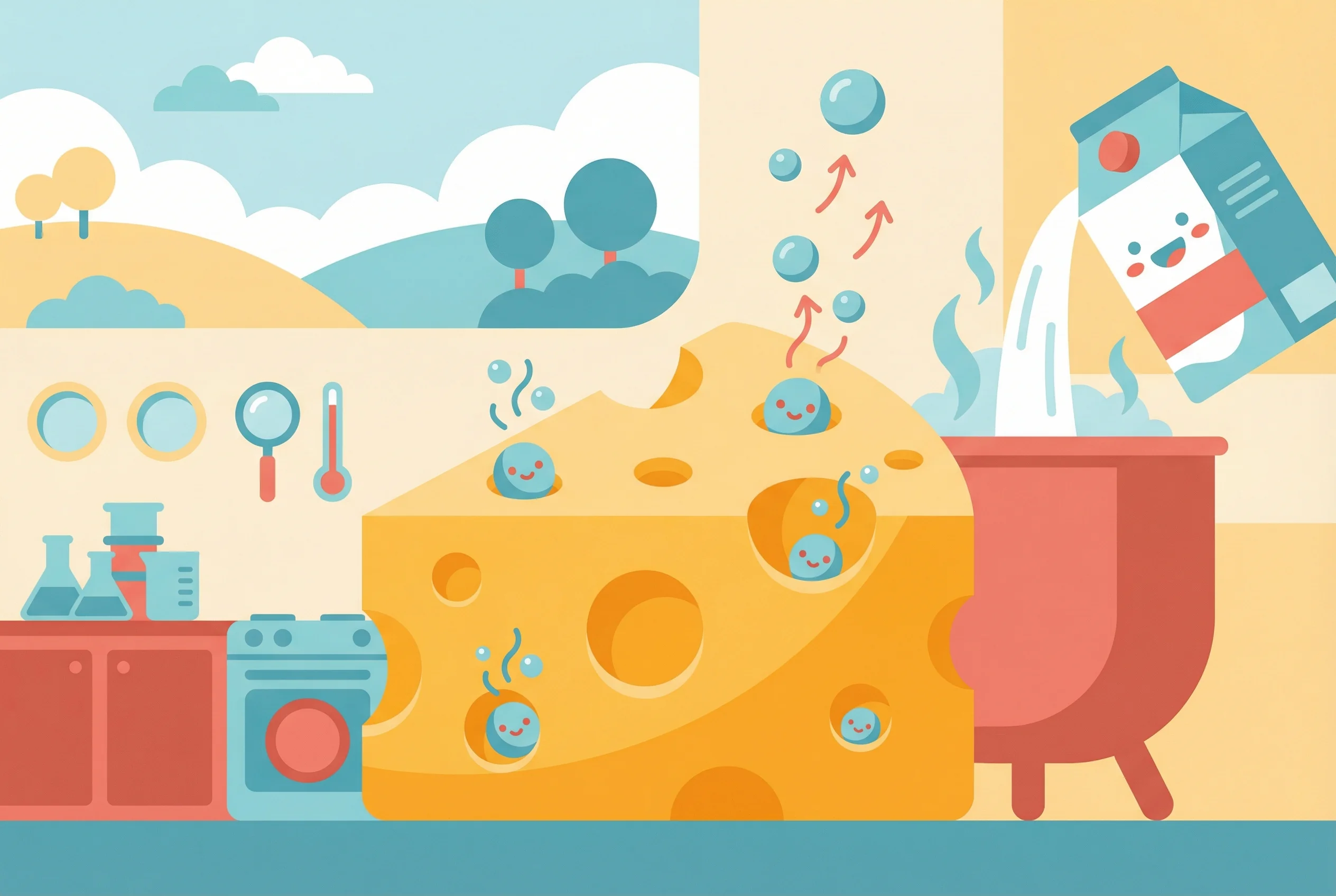
ABacteria produce carbon dioxide
✓Correct — In Swiss-type cheeses, Propionibacterium produces carbon dioxide during ripening; trapped gas expands into the holes called eyes.
BMold eats passages through cheese
✗Not quite — the best answer is A: Bacteria produce carbon dioxide. Open that choice for the mechanism.
CCheese shrinks leaving gaps
✗Not quite — the best answer is A: Bacteria produce carbon dioxide. Open that choice for the mechanism.
Answer this question
ANot enough water in pot
✗Not quite — the best answer is B: Starch gelatinizes on surface. Open that choice for the mechanism.
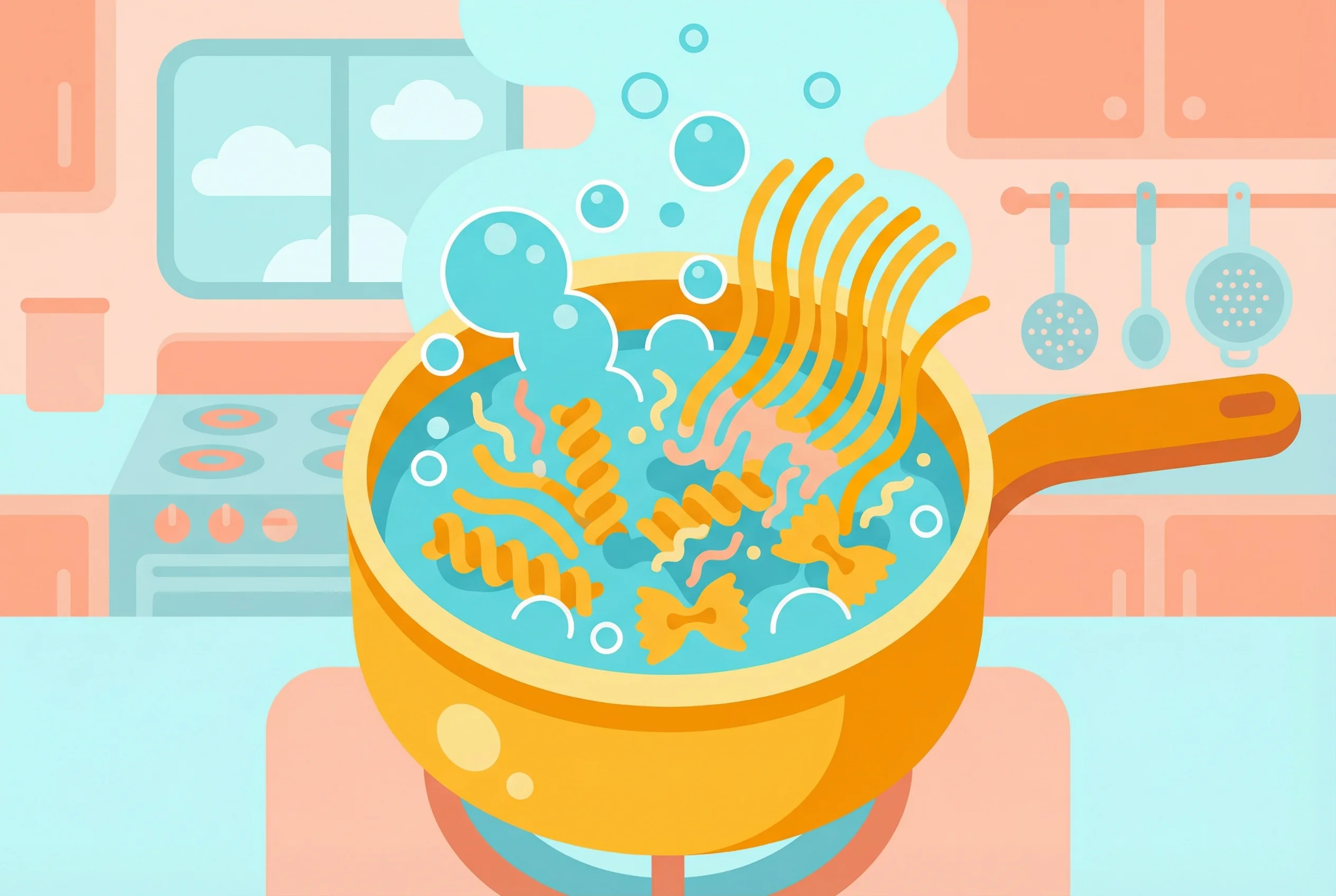
BStarch gelatinizes on surface
✓Correct — Hot water swells and gelatinizes starch near the pasta surface. When strands rest against each other, that starchy layer can act like glue, so stirring early helps separate them.
CBoiling too rapidly
✗Not quite — the best answer is B: Starch gelatinizes on surface. Open that choice for the mechanism.
Answer this question
Want to play these for real?
Turn general knowledge trivia into a 10-second curiosity loop: guess, reveal, and leave with one clean answer that sticks.
Play live on AIgneous Million WhysFrequently Asked Questions
What is general knowledge trivia?
General knowledge trivia mixes everyday science, history, culture, food, human biology, and animal behavior instead of staying inside one narrow subject.
Are these general knowledge trivia questions from the real bank?
Yes. Each card uses an active MillionWhys question with its real answer, explanation, image when available, and a live /daily?q= play link.
How should I use these questions?
Try answering before opening the feedback. The small pause matters: it creates the information gap that makes the explanation land.
Why does MillionWhys use questions instead of plain facts?
A question gives curiosity a shape. The answer closes the gap, and the explanation turns a loose fact into a piece of knowledge you can connect later.
Can I play more general knowledge trivia?
Yes. The live daily quiz keeps surfacing questions across categories, so one tiny answer can lead to the next thing you did not know you wanted to know.