Sports trivia questions and answers get better when they move past scores and records. This set is built for people who want the small satisfying closure behind a play: why a runner swings their arms, why a basketball shot carries backspin, why chalk works, and why endurance can disappear all at once. For a daily single-card version, try the trivia question of the day, then come back here when you need a full sports round. You can also compare this set with our earlier sports trivia page.
Motion You Can Feel
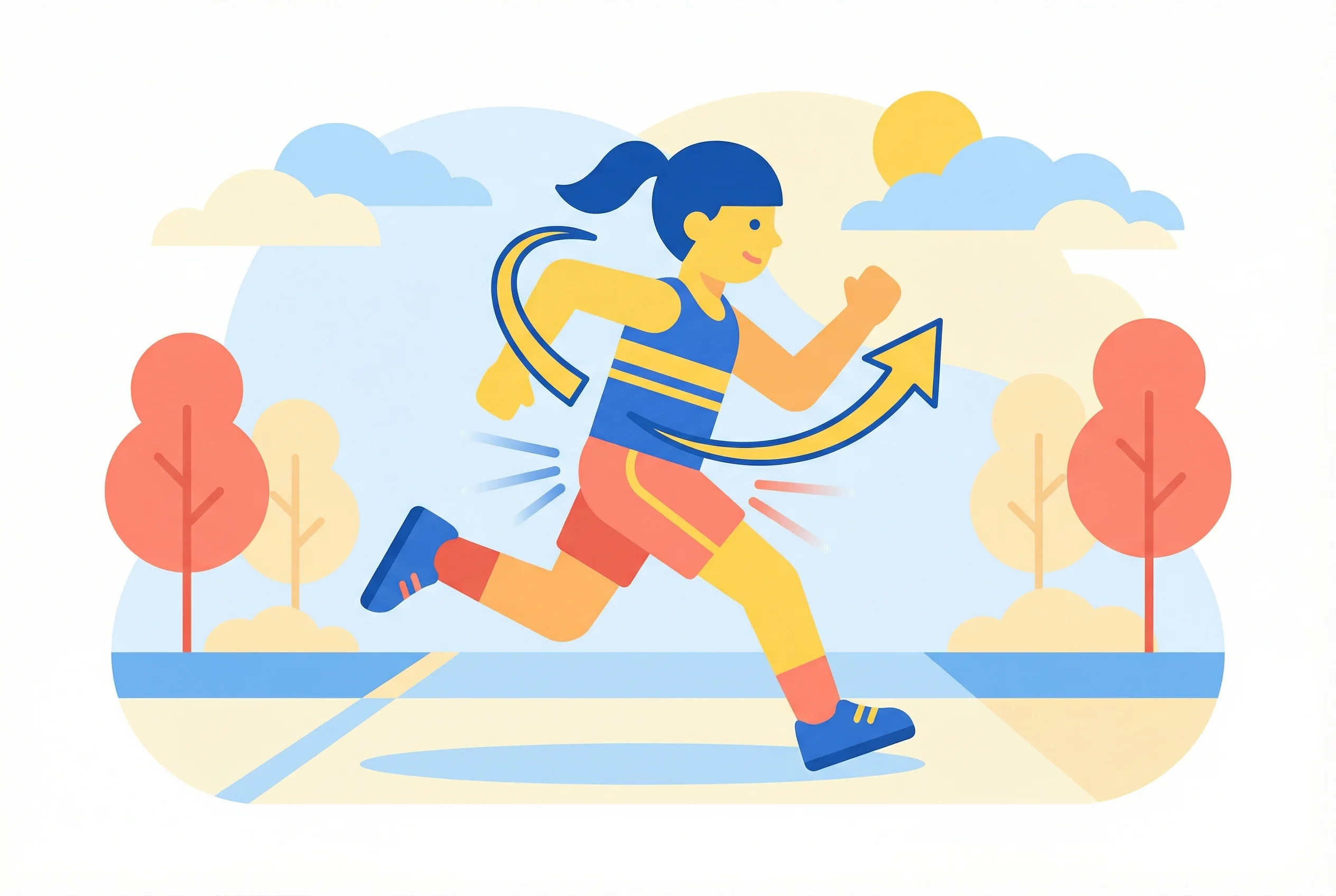
ABalances rotational momentum
✓Correct — each leg swing twists the body a little, and the opposite arm swing helps cancel that rotation so the torso stays efficient.
BIncreases oxygen to muscles
✗Not quite — oxygen delivery comes from breathing, blood flow, and heart rate. Arm swing mainly solves a balance problem.
CMakes running feel easier
✗Not quite — it may feel easier because it is mechanically smoother, but the mechanism is angular-momentum balance.
Answer this question
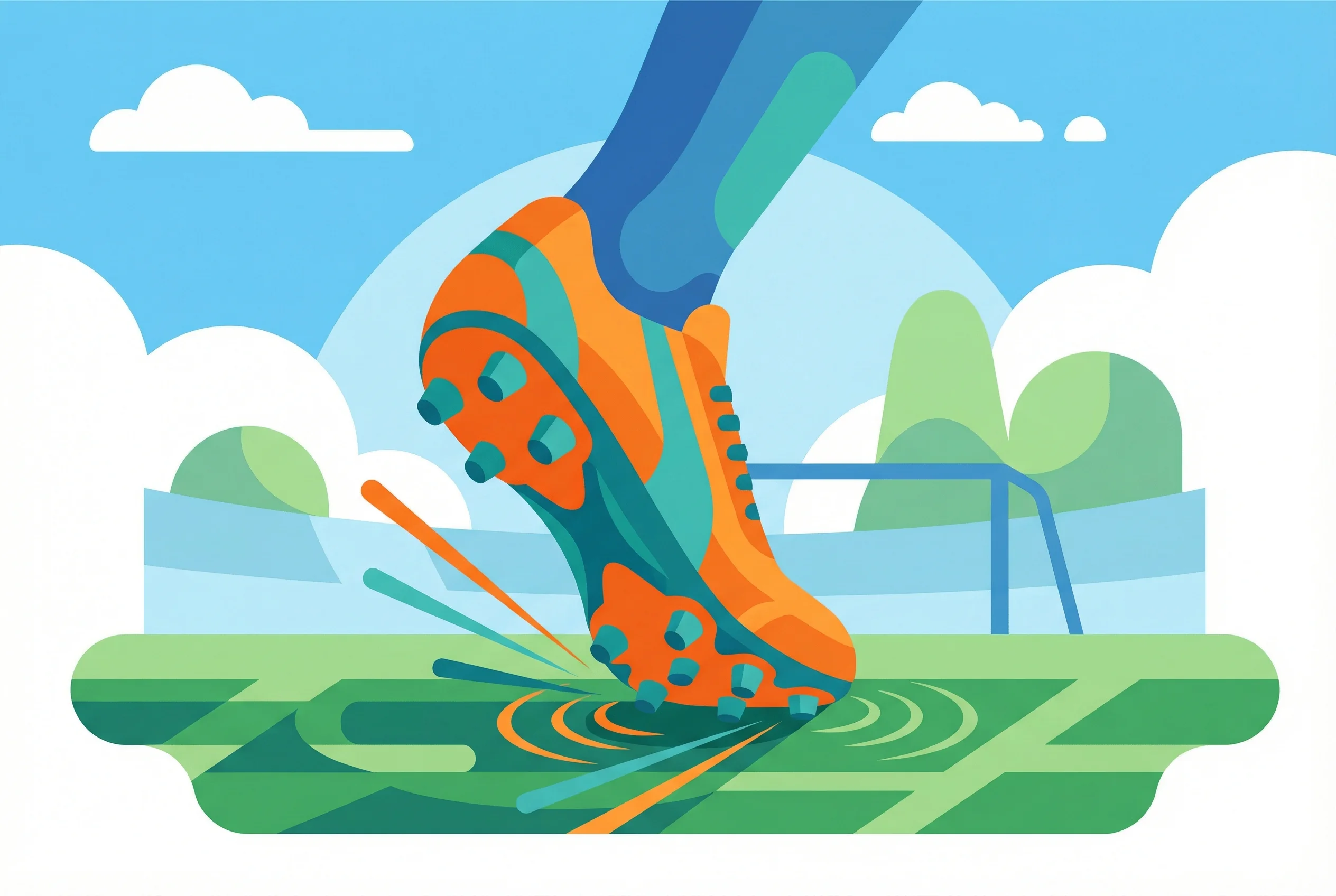
AStuds increase traction on turf
✓Correct — studs dig into grass or turf, giving the foot grip for acceleration, stopping, and direction changes.
BSpikes absorb ground impact
✗Not quite — cushioning is a shoe-midsole job. Cleats mainly increase friction with the surface.
CDesign improves ankle support
✗Not quite — ankle support depends on the shoe design, while the studs are there for ground grip.
Answer this question
Heat and Cold
AStretches prevent all injuries
✗Not quite — no stretch prevents every injury. A warm-up prepares muscles, joints, blood flow, and coordination.
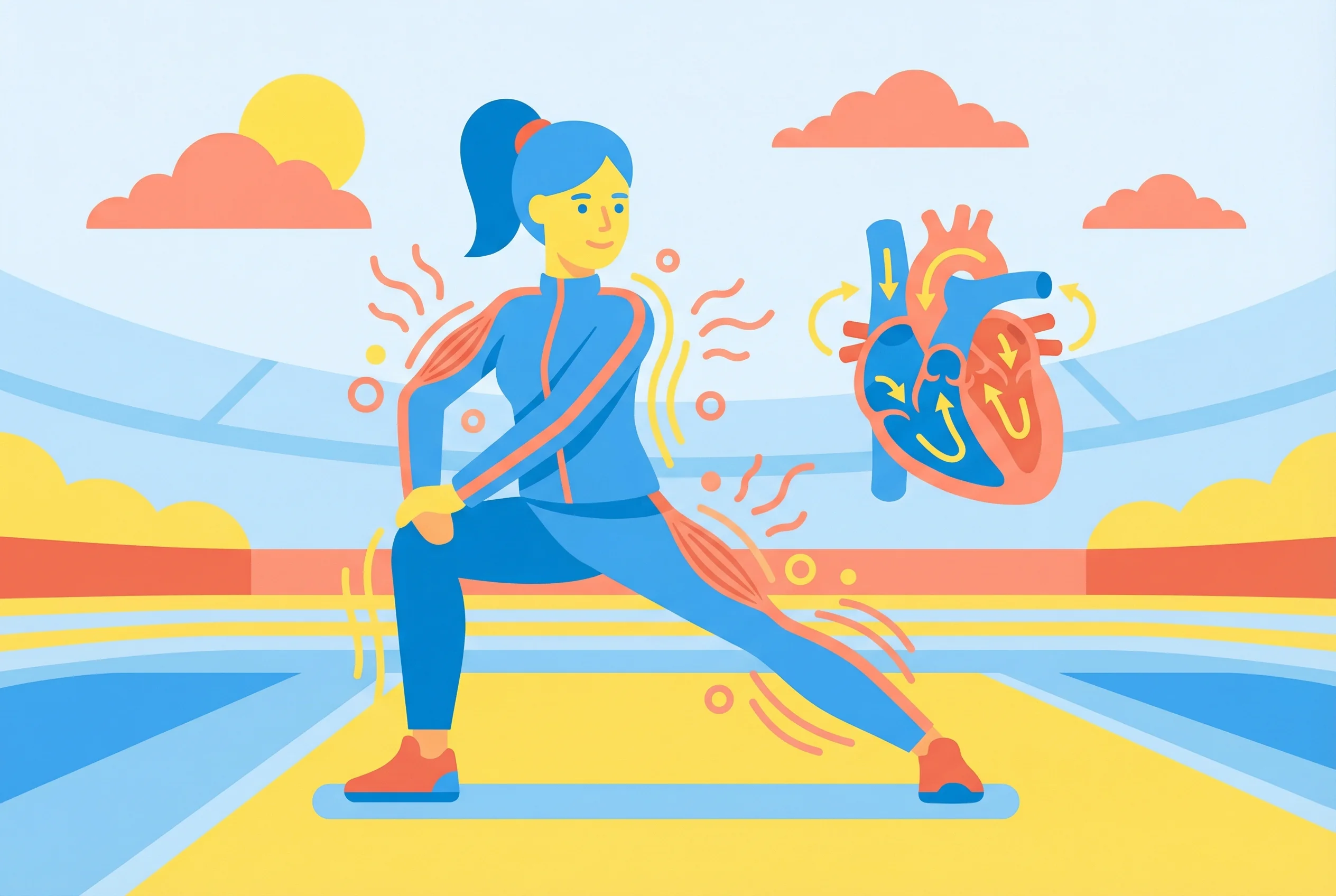
BBoosts blood flow and heat
✓Correct — warmer muscles contract more efficiently, and higher blood flow brings oxygen before the hard work starts.
CActivates sweat glands
✗Not quite — sweat is a cooling response during exertion. The warm-up is mostly preparation for movement.
Answer this question
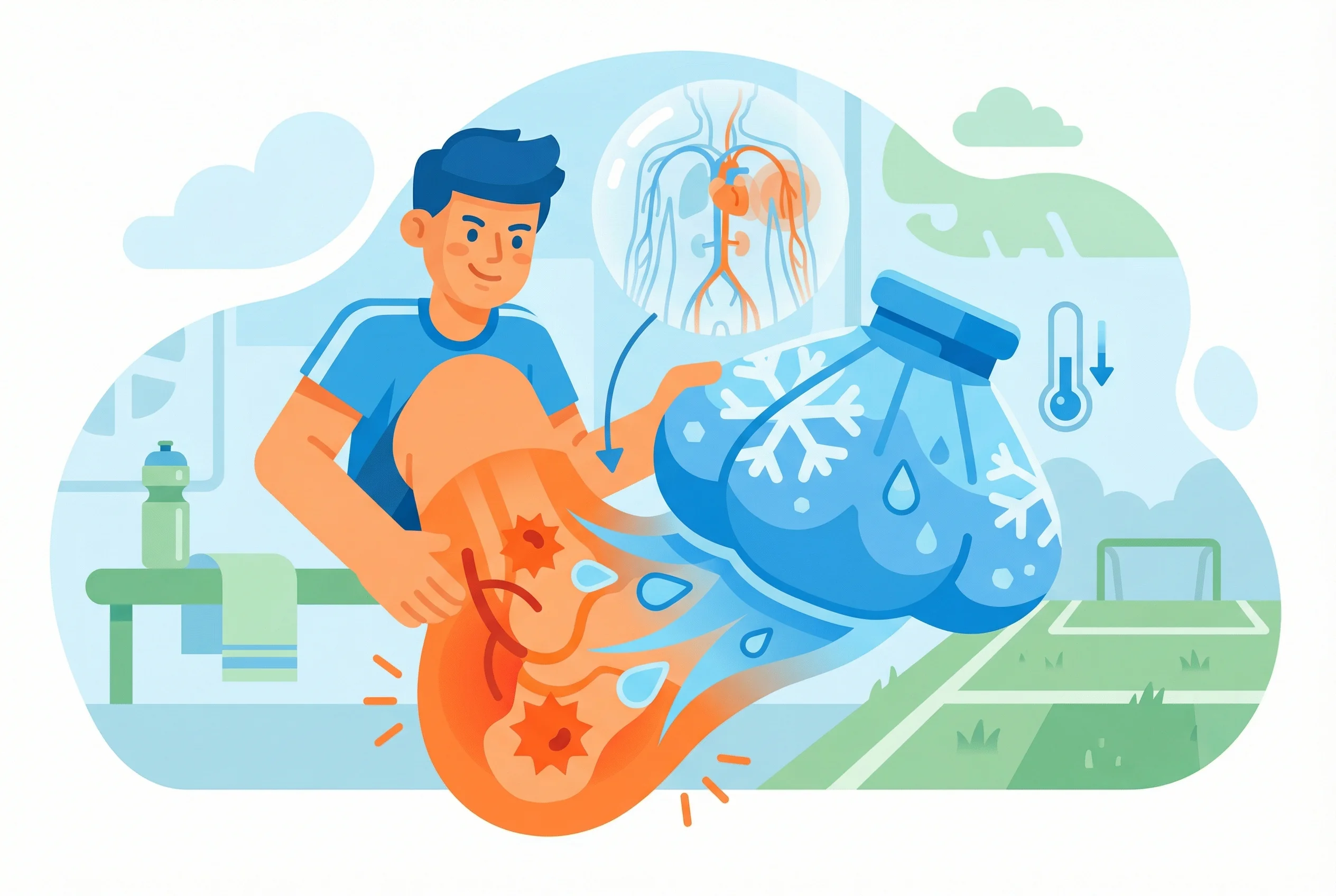
AReduces swelling and inflammation
✓Correct — cold narrows blood vessels and numbs nerves, which can limit swelling and pain in the early injury window.
BIce speeds tissue healing
✗Not quite — ice does not magically speed repair. It mainly slows swelling and pain signals early on.
CCold prevents infection
✗Not quite — infection prevention is about cleaning and wound care, not making tissue cold.
Answer this question
Light and Colour
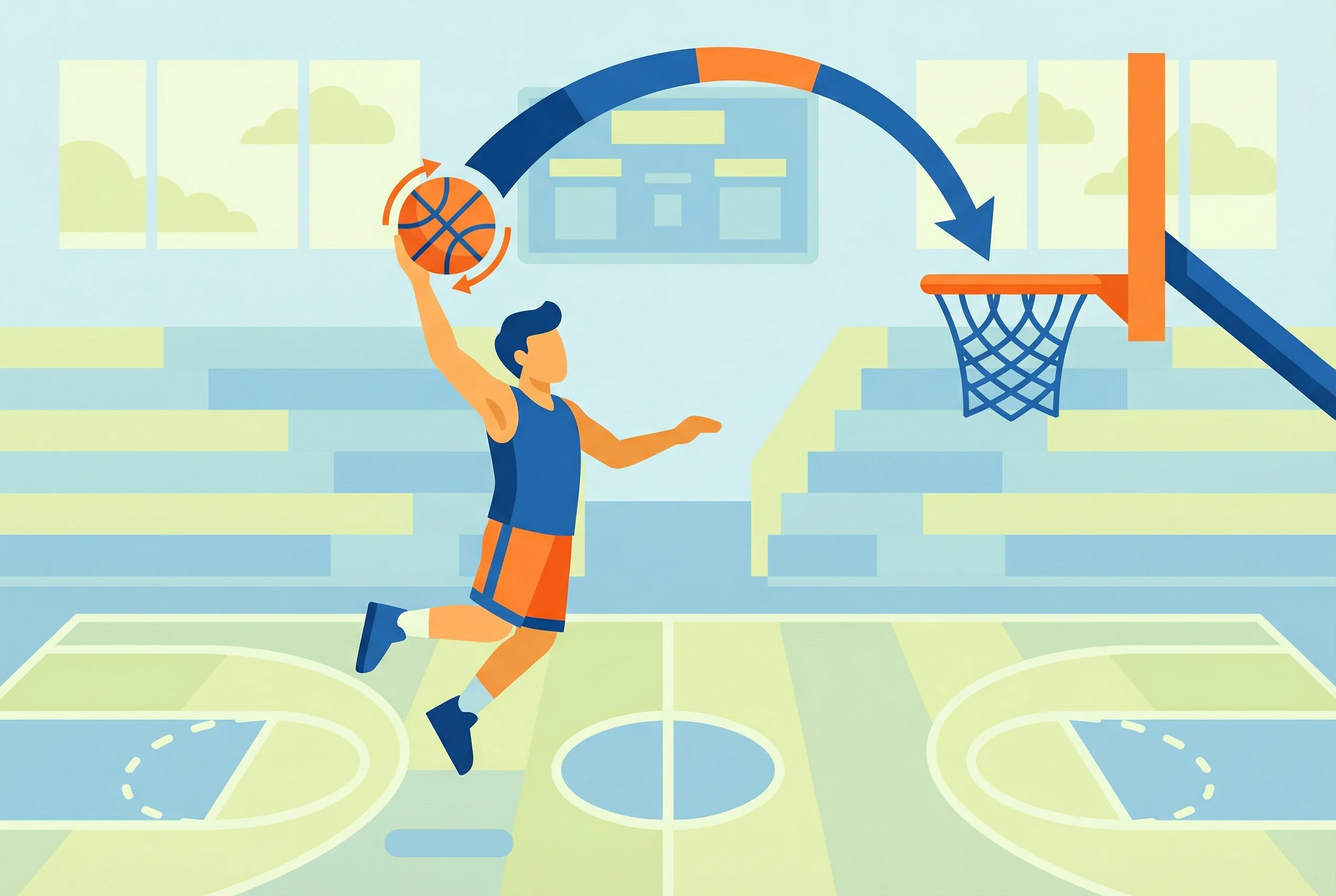
ABackspin softens bounce off rim
✓Correct — backspin reduces the ball's forward bite on contact, so a rim or backboard touch is more likely to drop softly.
BSpin increases shooting range
✗Not quite — backspin can have small flight effects, but its main value is the softer bounce.
CLooks more professional
✗Not quite — the spin is functional, not decorative.
Answer this question
AThey are always seriously hurt
✗Not quite — real injuries happen, but exaggeration can also be used strategically.
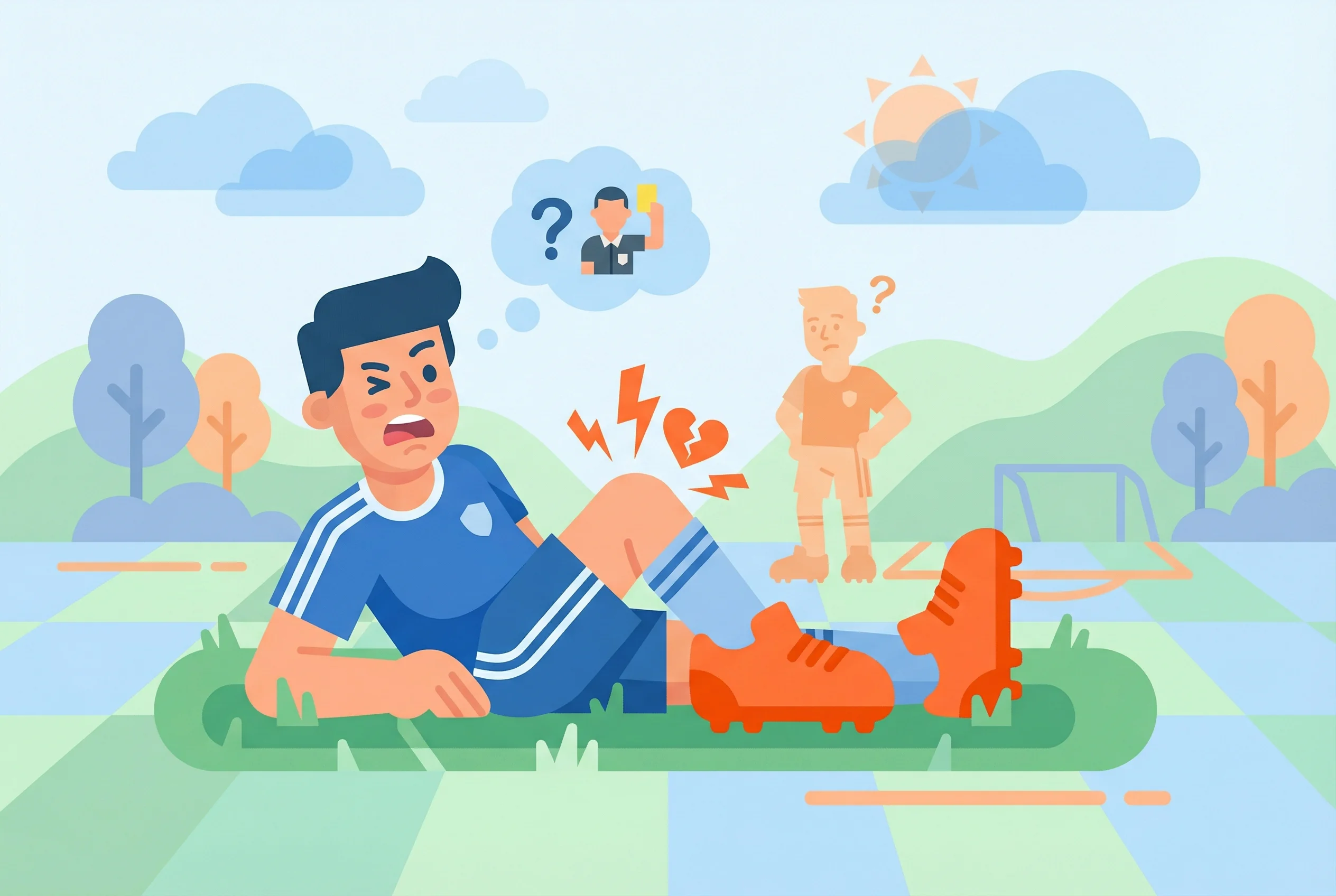
BTo influence referee decisions
✓Correct — players may exaggerate contact to draw attention to fouls, slow the game, or shift referee perception.
CBecause the ball is too hard
✗Not quite — the behavior is about game incentives and referee signaling, not ball hardness.
Answer this question
Sound
AImproves punching speed
✗Not quite — it supports boxing, but the direct training target is rhythm, light feet, and timing.
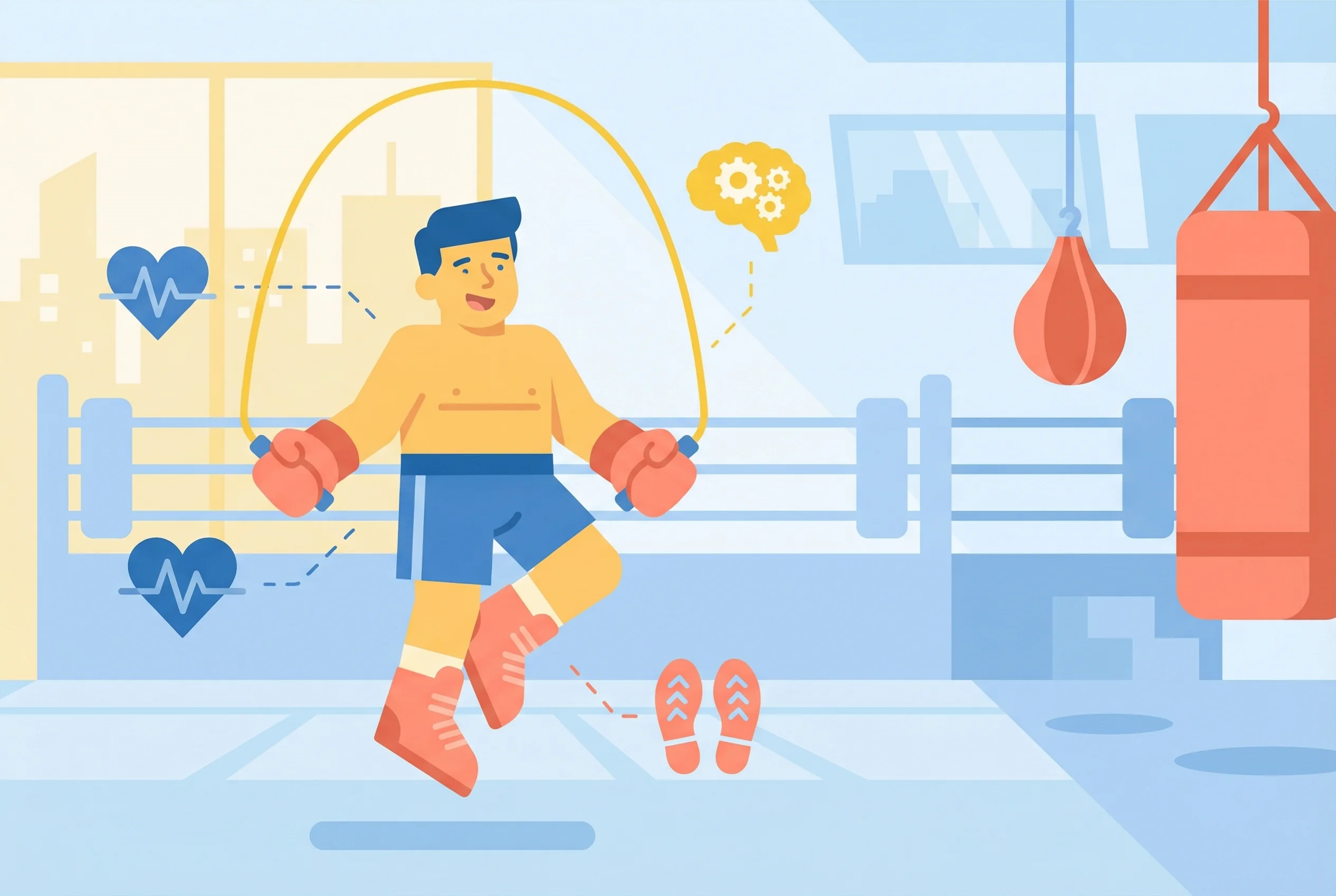
BDevelops footwork and timing
✓Correct — the rope's rhythm trains quick foot placement, coordination, and the ability to move while staying balanced.
CBurns calories quickly
✗Not quite — it does burn energy, but boxing uses it because rhythm and footwork transfer to the ring.
Answer this question
ABreath controls nervous system
✓Correct — slow, controlled breathing can shift autonomic nervous-system state, which changes tension, focus, and calm.
BOxygen increases flexibility
✗Not quite — flexibility is not simply an oxygen level. Breath mainly changes regulation and relaxation.
CPrevents muscle growth
✗Not quite — breathing practice is not a muscle-growth blocker.
Answer this question
Electricity in the House
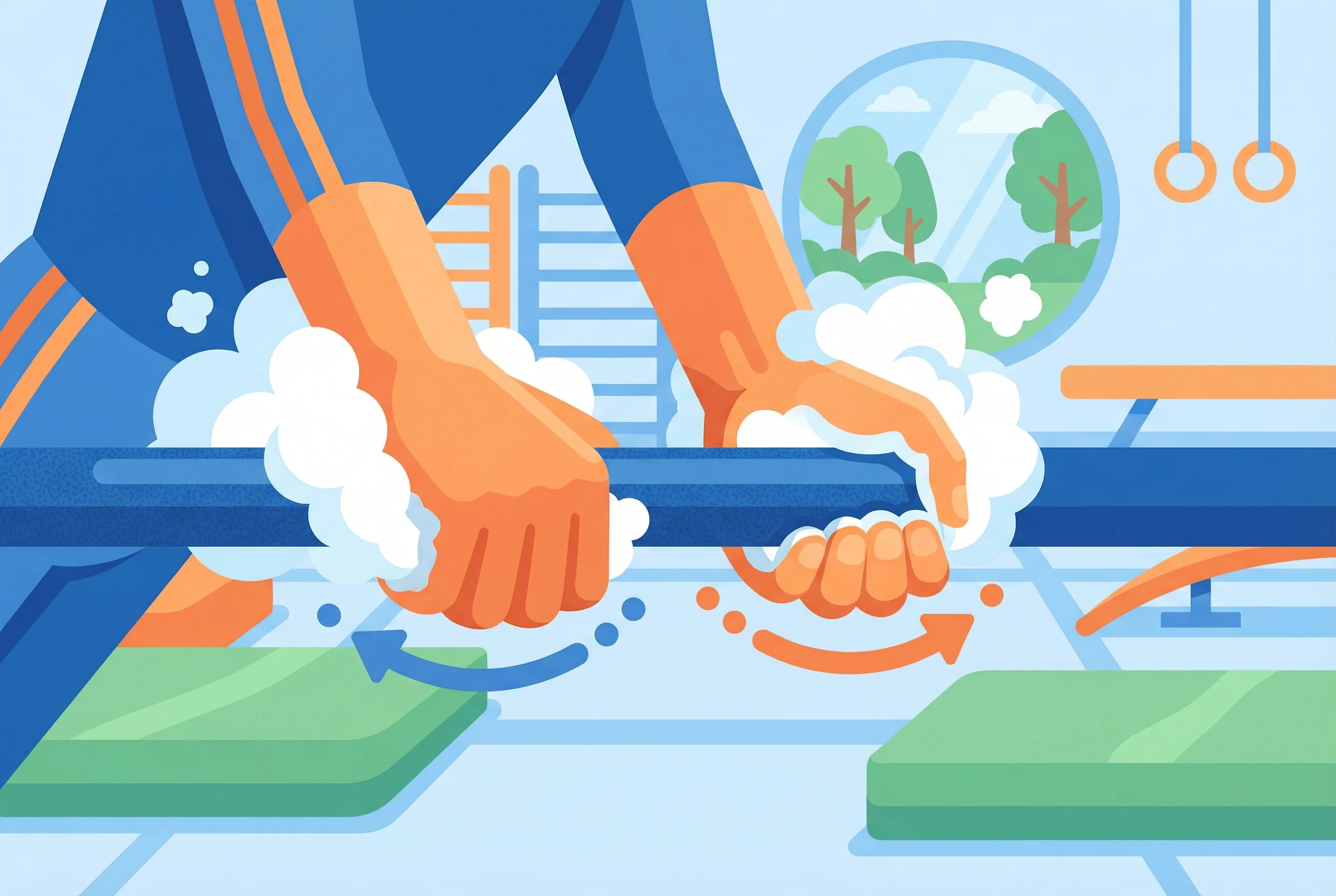
AAbsorbs sweat improving grip
✓Correct — chalk absorbs moisture, so the hand-bar contact stays drier and friction stays higher.
BMarks hand positions
✗Not quite — gymnasts learn hand positions through practice. Chalk is mostly for grip.
CCools hands during routines
✗Not quite — chalk dries hands; it is not a cooling tool.
Answer this question
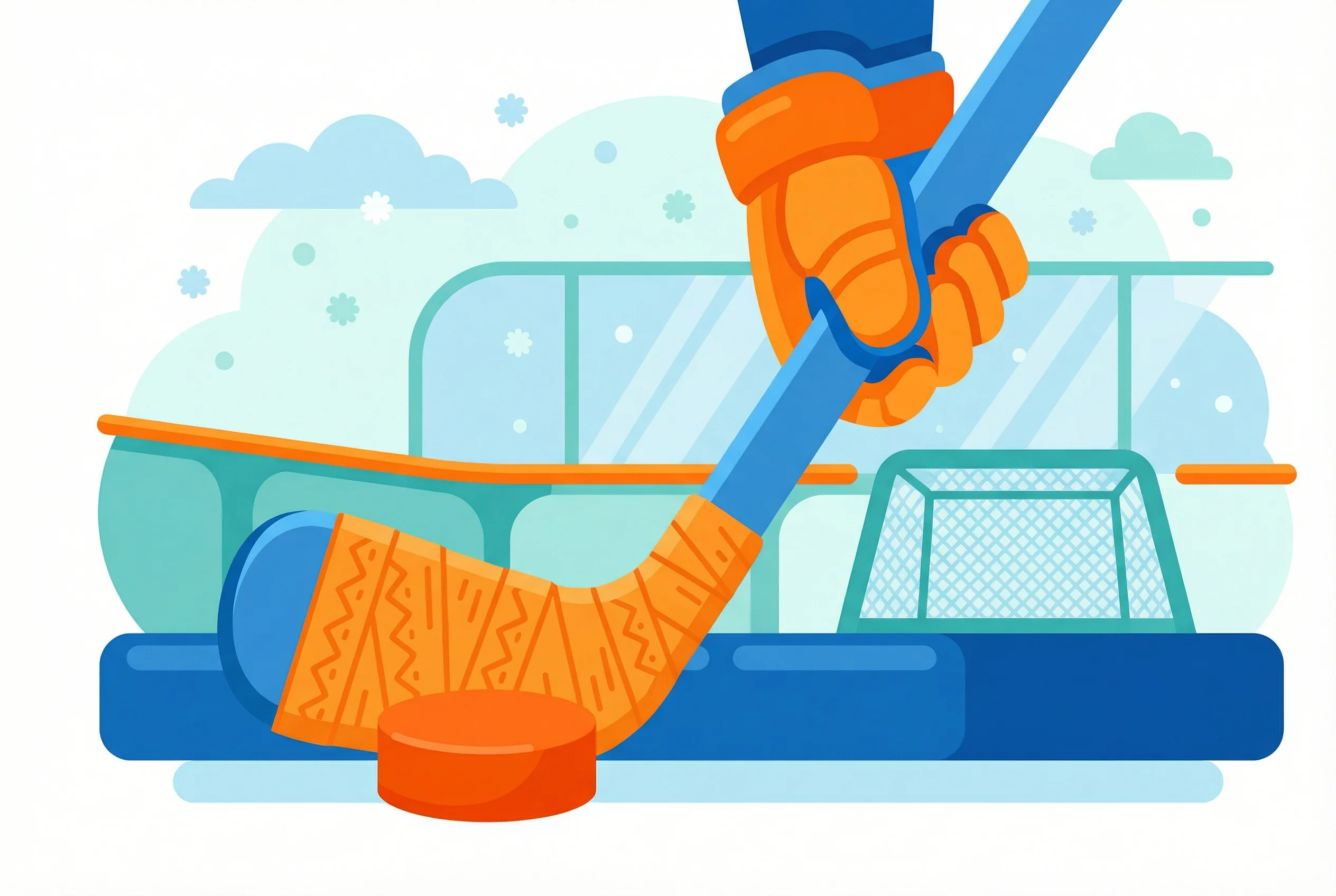
AMakes stick waterproof
✗Not quite — tape may affect ice and feel, but waterproofing is not the main reason.
BAdds weight for harder shots
✗Not quite — the added weight is tiny. Texture and contact matter more.
CImproves puck grip and feel
✓Correct — textured tape helps the blade catch and control the puck during handling, passing, and shooting.
Answer this question
Space and Scale
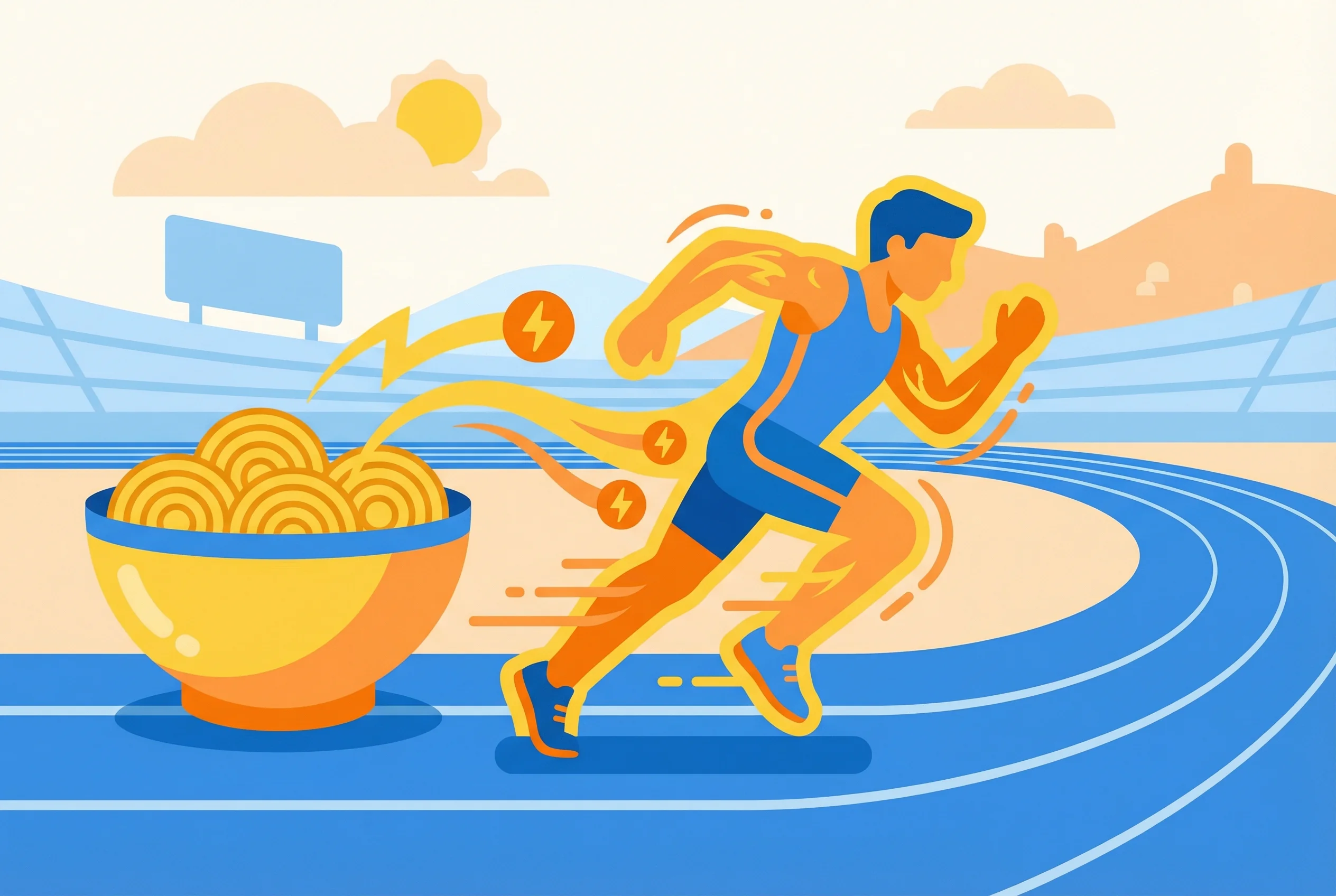
AStores glycogen for energy
✓Correct — carbohydrates become glycogen in muscles and liver, giving long events a larger fast-fuel reserve.
BIncreases muscle mass quickly
✗Not quite — carb-loading stores fuel, not instant muscle tissue.
CBoosts protein synthesis
✗Not quite — protein synthesis is not the main target. Glycogen is.
Answer this question
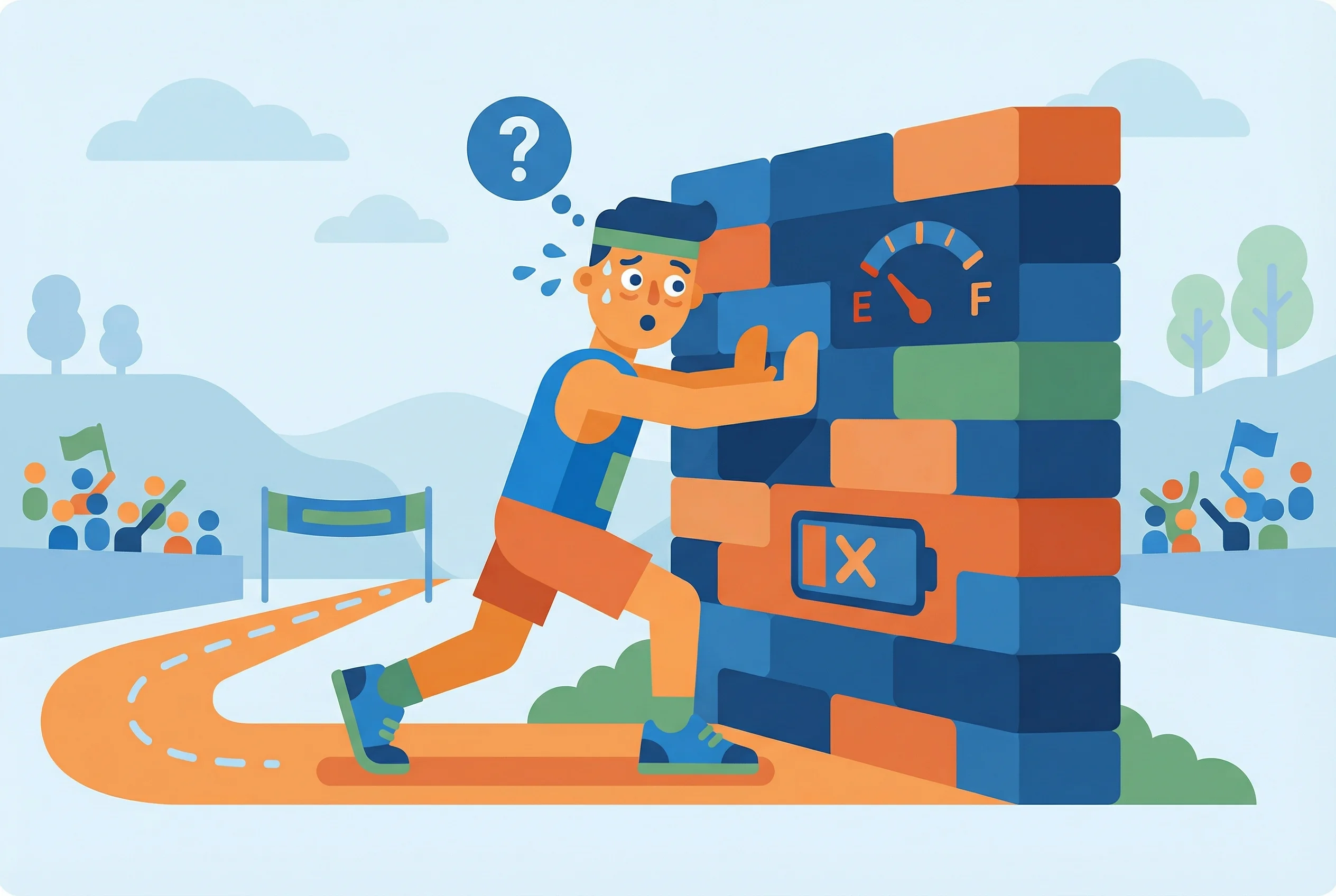
AMuscles run out of oxygen
✗Not quite — endurance collapse is usually not because oxygen simply disappears.
BGlycogen stores deplete
✓Correct — once glycogen runs low, the body leans harder on slower fuel pathways, and pace can fall sharply.
CLactic acid accumulates
✗Not quite — the classic marathon wall is mainly a fuel-store problem, not a simple lactate story.
Answer this question
Want one new question every day?
Million Whys turns sports curiosity into a 10-second loop: guess, see the mechanism, and leave with one clean piece of closure.
Play live on AIgneous Million Whys →Frequently Asked Questions
How many sports trivia questions should I use in one round?
For a casual group, five to ten questions is usually enough. This page gives you six mini-rounds, so you can run one quick warm-up or combine them into a longer quiz night.
Are these sports trivia questions and answers about current athletes?
No. They focus on stable mechanisms: fuel, friction, pacing, equipment, balance, and recovery. That keeps the page useful after rosters and records change.
What makes this different from a normal sports quiz?
A normal quiz often asks who won. These questions ask why the body, ball, shoe, or strategy behaves the way it does, so every answer gives a little closure.
Can I use these sports questions for adults?
Yes. The questions are quick enough for a host, but the explanations are written for curious adults who want more than scoreboard recall.
What does this have to do with AIgneous Million Whys?
AIgneous Million Whys is built around tiny answerable gaps. A sports play is full of them: one motion catches your attention, one explanation closes it, and the next question starts forming.