

Free Flashcard App: What It Can and Can't Teach
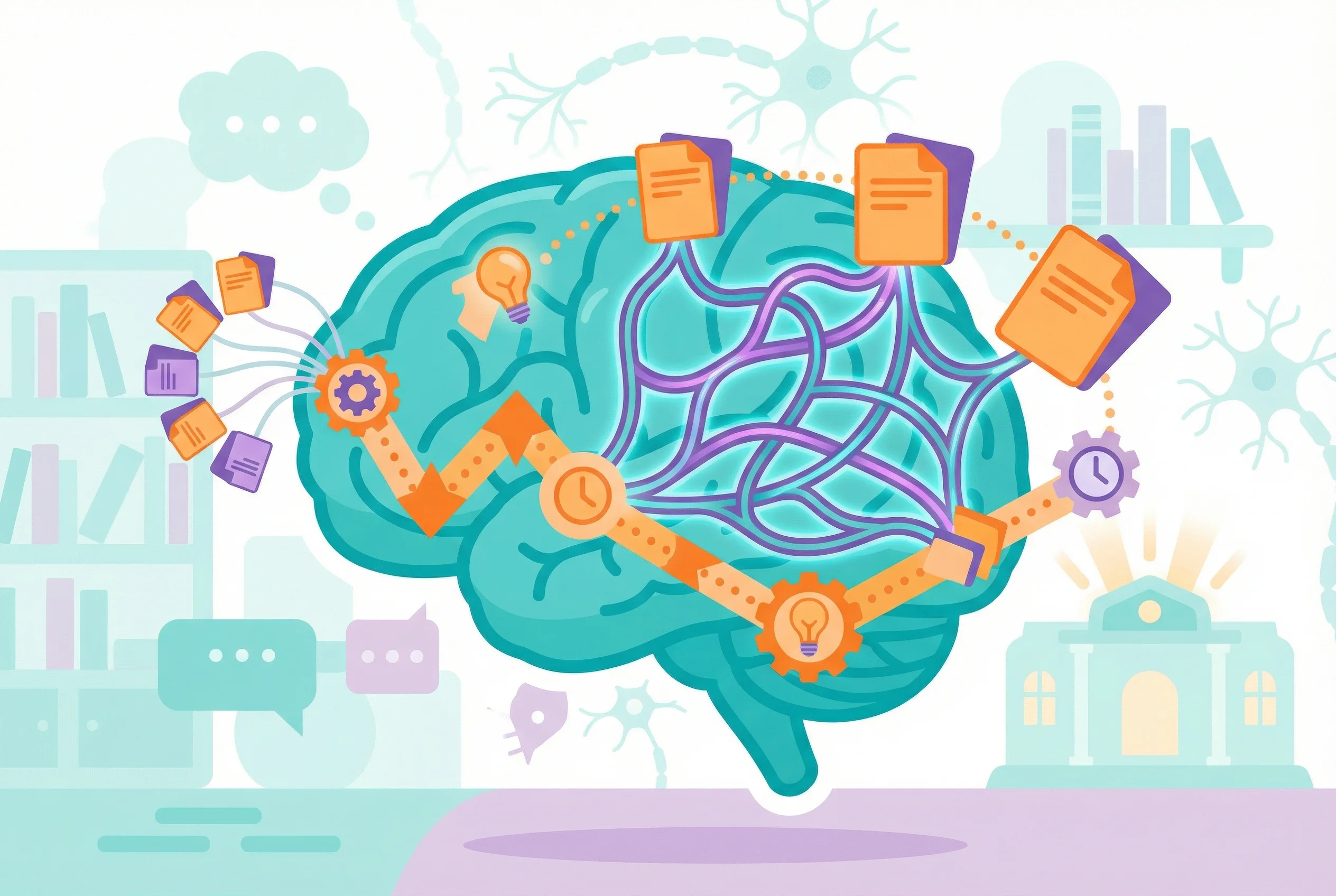
A free flashcard app is useful when you already know what you need to remember. The more interesting question is what happens before that. Flashcards are excellent for bringing a chosen fact back at the right interval; they are weaker at creating the first spark of curiosity. If your goal is "help me remember this deck," choose a flashcard tool. If your goal is "make my spare 10 seconds teach me something I did not know to ask," you need a different loop.
TL;DR
The best free flashcard app depends on the job. Anki is powerful and free on desktop and Android, Knowt markets free online flashcards and study tools, and Brainscape emphasizes confidence-based spaced repetition. But flashcards start after material is selected. MillionWhys is for the earlier curiosity moment: one quick question, one fact-checked explanation, no fixed deck, and no exam-cram framing.
The short answer: use a free flashcard app when you need active recall and spaced repetition for known material. Use a curiosity-first app when you want to discover what is worth knowing in the first place. Those are neighboring needs, not the same need.
Curious? Try one 👇
Why is the sky blue?
Jump into the daily quiz →What a flashcard app is actually good at
A flashcard is a small test of retrieval. You see a prompt, try to recall the answer, then check yourself. That matters because memory is strengthened by active recall, not just rereading. Spaced repetition adds a second mechanism: material returns after expanding intervals, so easy cards come back less often and hard cards come back sooner. Anki's own manual describes Anki as a flashcard program that helps learning through spaced repetition (Anki Manual: Background).
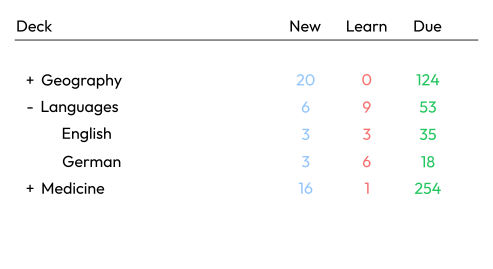
The closure here is clear. Flashcards are not magic because they are digital. They work because they force a tiny moment of effort before the answer appears. That moment is the difference between "this looks familiar" and "I can pull this out of my head." If you have vocabulary, formulas, anatomy terms, historical dates, or definitions to retain, a flashcard app is the right tool.
But notice the hidden assumption: the deck already exists. Someone has decided what belongs on the card. That is perfect for courses, exams, and professional knowledge. It is less perfect for idle curiosity, where the problem is often not memory but discovery: you do not yet know which question will make you lean forward.
Free flashcard app options, compared honestly
Here is the practical comparison without pretending every learner wants the same thing.
| Tool | Best fit | Core mechanism | Where it is less natural |
|---|---|---|---|
| Anki | People who want control over decks, cards, and review scheduling | Spaced repetition; Anki's FAQ notes newer versions can use FSRS as an optional scheduler (Anki FAQs) | Casual discovery; setup can feel heavy if you only have a few seconds |
| Knowt | Students who want web-based flashcards and AI-assisted study tools | Knowt's flashcards page markets free flashcard creation and discovery (Knowt Flashcards) | Still begins from study material or a deck-like object |
| Brainscape | Learners who want confidence-rated review | Brainscape describes a spaced repetition system that asks learners to rate confidence (Brainscape: Spaced Repetition) | More study-session shaped than 10-second curiosity shaped |
| MillionWhys | Curious adults who want one small discovery instead of a deck | One multiple-choice question, a fact-checked explanation, and a shared pool grown by curiosity | Not the tool for memorizing a fixed syllabus or importing class notes |
The honest recommendation is not "one app wins." It is "choose the loop." If you need a deck, pick a flashcard app. If you need a reason to care, start with a question.
Anki: powerful, flexible, and not trying to be cute
Anki is the serious free-flashcard-app answer for many people because it is open, flexible, and built around review scheduling rather than a polished habit loop. The official Anki site presents it as a program that makes remembering things easier, with free downloads for desktop and Android listed on its download page (Anki). Its strength is control: card templates, add-ons, sync, custom decks, and review behavior that can be tuned.
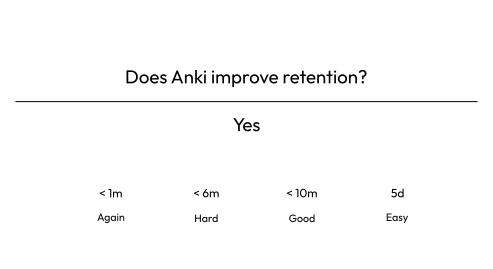
That strength is also why Anki can feel wrong for a casual learner. Control has a setup cost. A person in a coffee line rarely wants to decide deck structure, card wording, tags, and scheduling. They want a small spark now. Anki is excellent when you have already crossed the bridge from "huh, interesting" to "I want to remember this systematically." It is not designed to be the bridge itself.
Knowt and Brainscape: friendlier study loops
Knowt's flashcards page positions the product around making and finding online flashcards for free. That is useful for students who want less setup than Anki and more built-in study modes. Brainscape, meanwhile, emphasizes confidence-based repetition: you rate how well you know a card, and the system uses that confidence to guide review timing. Both are trying to make the review loop friendlier.
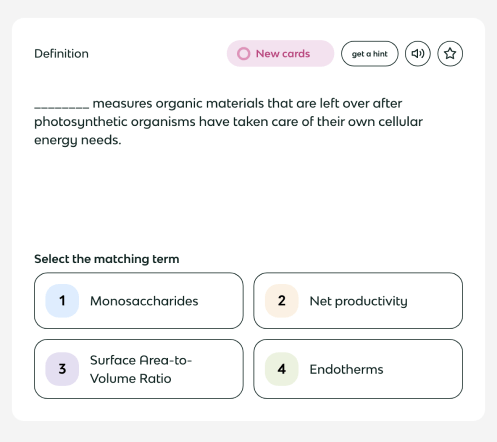
That friendliness matters if your task is studying. But it does not change the category. These tools still assume the main problem is remembering selected material. They can help you review biology terms, Spanish verbs, medical facts, or licensing-exam details. They are much less natural for "teach me one odd thing about the world while I wait for the elevator."
This is where MillionWhys deliberately refuses exam-tool framing. The vault positioning is specific: learning input is naturally fragmented; a 10-second nano-learning loop can give real closure; and AI should help people return to curiosity rather than alienate them into another productivity treadmill. That is not a claim that flashcards are bad. It is a claim that memorization is not the whole shape of learning.
The memory mechanism: why spacing works
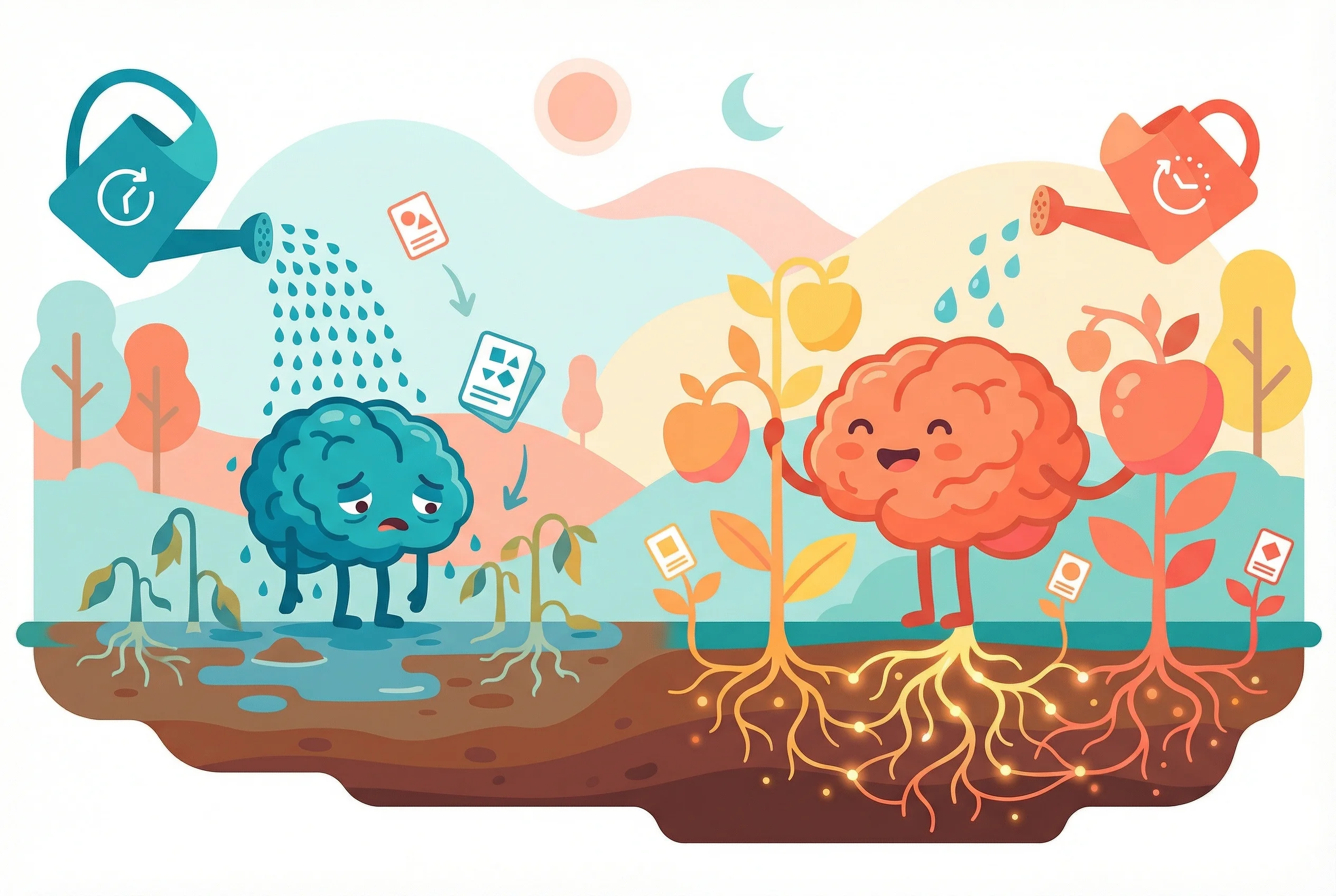
The reason flashcard apps keep talking about spaced repetition is simple: forgetting is not a personal failure; it is a pattern. If a card returns at the right time, the act of recalling it can strengthen future recall. Nicky Case's interactive essay "How To Remember Anything Forever-ish" explains spaced repetition through the practical idea of reviewing information just before you are likely to forget it (Nicky Case: How To Remember Anything Forever-ish).
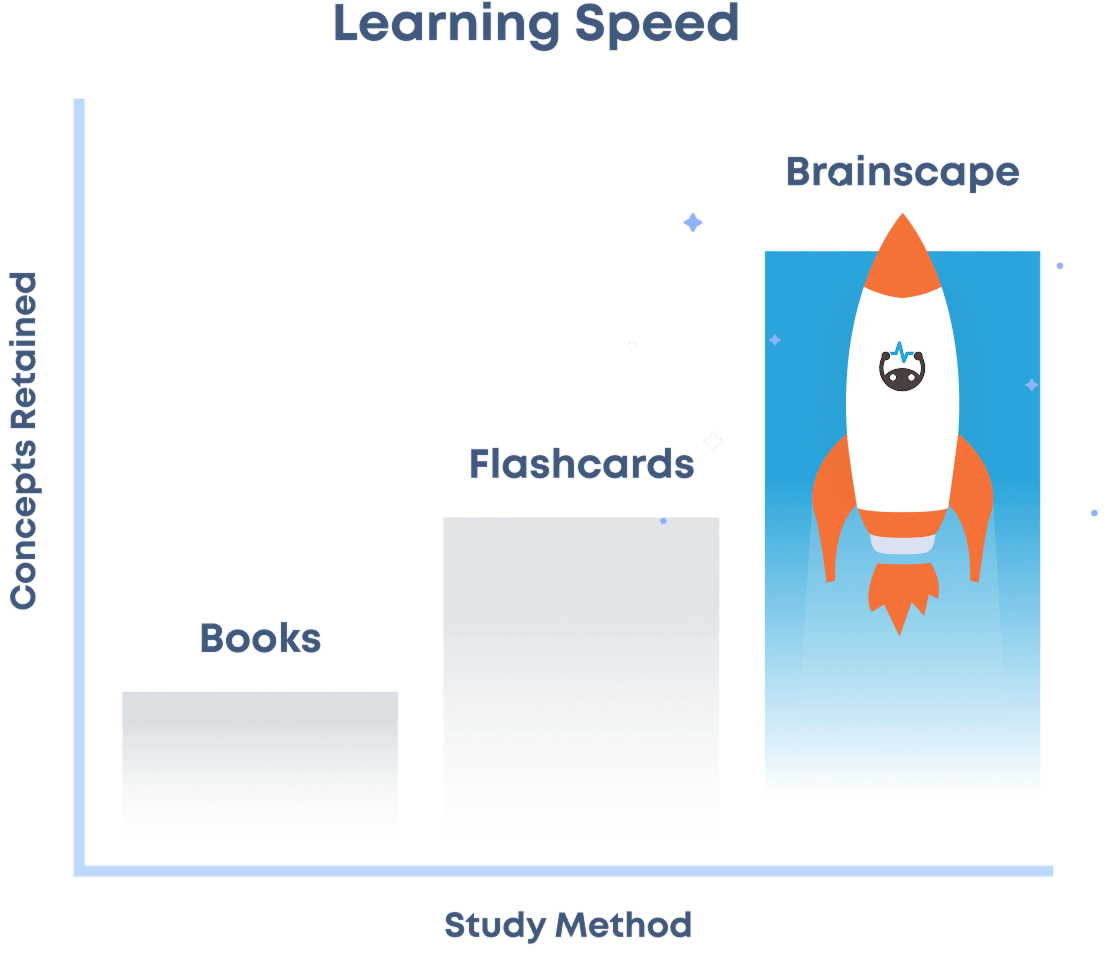
The mistake is turning that into a universal learning philosophy. Spacing helps memory; it does not automatically create meaning. A perfectly scheduled card can still be boring, irrelevant, or disconnected from a real question. That is why curiosity matters. Loewenstein's information-gap theory, summarized in the MillionWhys vault, says curiosity peaks when you are half-knowing: close enough to feel the gap, far enough to want closure. A flashcard closes a memory gap. A good question opens and closes a curiosity gap.
The missing step: who chooses the card?
Most flashcard apps are supply-side tools. A teacher, textbook, AI note parser, or user selects the material, and the app helps retain it. MillionWhys is closer to a demand-side knowledge commons: the primitive is the question people actually wonder about. The curriculum is not a fixed catalog; it emerges from curiosity.
That difference is small until you try to build a daily habit. A fixed deck can become homework very quickly. A curiosity feed can start with the lighter motion: "Wait, why is that true?" In the MillionWhys model, a person answers one multiple-choice question, sees why each option is right or wrong, and leaves with a tiny piece of closure. If they ask a new why, AI can turn that spark into a fact-checked card for the shared pool. One person's question becomes the next person's discovery.
This is why the product comparison is not "flashcards versus no flashcards." It is "memory after selection versus curiosity before selection." A strong learning life needs both. But if the search is for an app to make idle time feel less wasted, starting with a deck may be the wrong first move.
What people usually miss
The hidden category error is treating all learning apps as if they compete on the same axis. A flashcard app optimizes recall. A course app optimizes sequence. A video app optimizes explanation. A curiosity app optimizes the moment when a question becomes irresistible and then gets real closure. Those are different jobs.
The second missed point is emotional. Many people do not quit learning because they lack tools. They quit because every tool feels like school, guilt, or a productivity project. Flashcards can be satisfying when the goal is chosen. But if the goal is to keep curiosity alive after school, the first unit should not feel like a syllabus. It should feel like one good question that makes the next question visible.
Related videos
FAQ
What is the best free flashcard app?
Anki is the strongest free option for people who want maximum control and spaced repetition. Knowt is worth considering if you want web-based free flashcard creation and a more guided study interface. The best choice depends on whether you value control, simplicity, or built-in study modes.
Is Anki really free?
Anki's official download page lists free desktop downloads and AnkiDroid for Android. The iPhone/iPad app is a separate paid app, so check the official Anki page for your platform before deciding.
Are flashcards good for learning?
Flashcards are good for active recall and spaced repetition, especially when you already know the material you want to remember. They are less good at deciding what is worth learning or creating the first spark of curiosity.
Can I use flashcards for general knowledge?
Yes, but general knowledge often starts better as a question than as a deck. A flashcard asks you to retrieve a selected answer. A curiosity-first question helps you discover the gap in the first place.
What does this have to do with AIgneous Million Whys?
Million Whys is built for the moment before a flashcard exists: the 10-second curiosity spark. It gives you one question, a fact-checked explanation, and real closure, without turning idle learning into exam prep or streak guilt.
Keep reading
Sources
Anki FAQs: What spaced repetition algorithm does Anki use?
Curious? Try one 👇
Why is the sky blue?
Jump into the daily quiz →Keep Exploring
Related Posts
Best Flashcard Apps: 7 Tools Compared
Best flashcard apps compared for adults: Anki, Quizlet, RemNote, Brainscape, Cram, Knowt, Mochi, and one curiosity-first alternative before decks form.
Free Quizlet Alternatives and Apps Like Quizlet, Compared
Free Quizlet alternatives and apps like Quizlet, compared: Anki, Knowt, RemNote, Brainscape, and Million Whys — matched to the job Quizlet was doing for you.
App to Learn New Things: Curiosity, Not Cramming
Looking for an app to learn new things? Compare Million Whys, Brilliant, Khan, Blinkist, and Duolingo by learning moment, not hype.