

Why Do Songs Get Stuck in Your Head?
On this page· 16
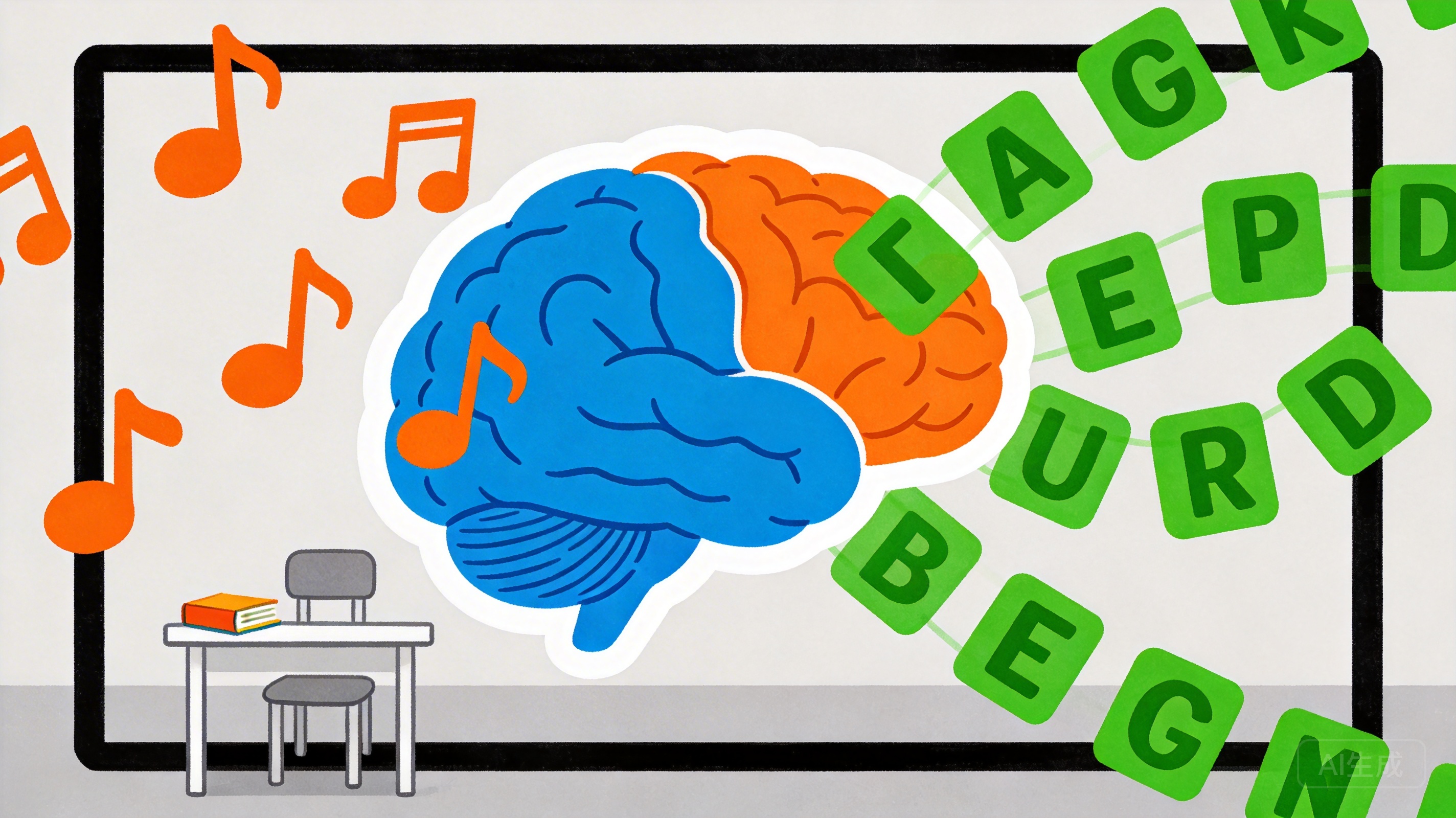
Why do songs get stuck in your head? Usually because your brain has found a musical gap it can almost close. A familiar hook, a half-finished chorus, or one tiny phrase keeps replaying because auditory memory, attention, and the motor system keep handing the loop back to one another. It feels silly, but it is a serious little clue about how the mind turns sound into expectation.
TL;DR
Earworms are involuntary musical images: short bits of familiar music that repeat without you choosing them. They are common, usually harmless, and more likely when a song is recent, familiar, repetitive, singable, or emotionally sticky. The useful trick is not to fight the loop harder, but to give the brain a cleaner ending, a competing task, or a bit of mouth movement that interrupts the silent singing.
Short answer: songs get stuck because your brain is good at predicting music. A catchy fragment creates a small information gap: you know the next note is coming, but the inner playback does not always reach a satisfying finish. Research on involuntary musical imagery, including work by C. Philip Beaman and Tim Williams and later studies of melodic features by Kelly Jakubowski and colleagues, points to a mix of familiarity, musical structure, attention, and mental control.
Curious? Try one 👇
Why is the sky blue?
Jump into the daily quiz →Everyone Gets Them
The first thing to know is that an earworm is not a personal defect. Beaman and Williams described earworms as unwanted catchy tunes that repeat, and their survey work found the experience to be widespread rather than rare. Earlier popular coverage of James Kellaris's University of Cincinnati work helped bring the "earworm" label into public language, but the more durable finding is simpler: most people know the feeling of a song fragment that arrives uninvited and refuses to leave.
That matters because the experience sits in a strange middle zone. It is intrusive, but it is not usually pathological. It can be annoying, but it can also be pleasant or neutral. The brain is not "broken" when a chorus loops. It is doing something it normally does well: keeping patterns available, especially patterns that are easy to rehearse.

The MillionWhys-shaped question is not "how do I defeat my brain?" It is "why would a tiny piece of music have this much staying power?" Once you ask that, the earworm stops being a nuisance and becomes a 10-second window into memory: a fragment, a prediction, a missing closure, then the mind trying again.
The Cognitive Loop: Auditory Cortex Plus Attention
When you imagine a song, you are not using a completely separate "imaginary music" machine. Musical imagery recruits parts of the same broad hearing-and-prediction system used for real sound. The auditory cortex is central to processing sound, and remembered music can behave like a faint internal replay. You are not hearing it through the ear, but you are still running a sound pattern.
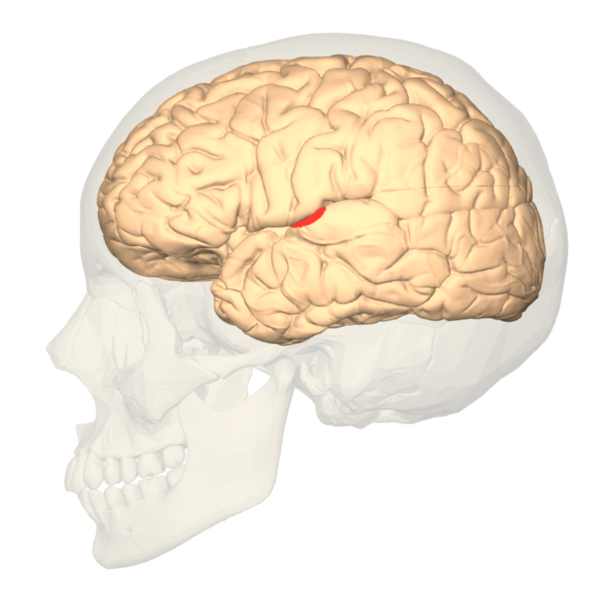
Attention keeps the loop alive. If the song fragment arrives when your mind is underloaded - walking, showering, waiting, scrolling without much purpose - there is room for it to keep cycling. If you are tired or stressed, control can be weaker and the fragment may feel harder to dismiss. Beaman and Williams treated earworms as a kind of everyday intrusive thought, which is useful because it explains why "stop thinking about it" often backfires. Trying to suppress a mental event can keep checking whether it is still there.
The loop is also bodily. Many people silently sing along to their own earworm, with tiny motor planning for the mouth and voice. That is why a purely mental song can feel oddly physical. The brain is not just remembering notes; it is rehearsing an action plan for producing them.

Why Some Songs Stick More
Some music is better earworm material than other music. Jakubowski and colleagues analyzed tunes named as earworms by thousands of survey participants and found that popularity and melodic features both mattered. Earworm songs tended to be familiar and often had relatively fast tempos, common melodic shapes, and small surprises such as repeated notes or unusual interval leaps. In plain English: the song must be easy enough to predict, but not so flat that the brain loses interest.
This is the same half-knowing zone that curiosity research keeps finding. If a tune is totally unfamiliar, you cannot loop it. If it is too obvious, it has no itch. The strongest hook gives you just enough pattern to anticipate the next beat, then a small twist that makes the mind want another pass.
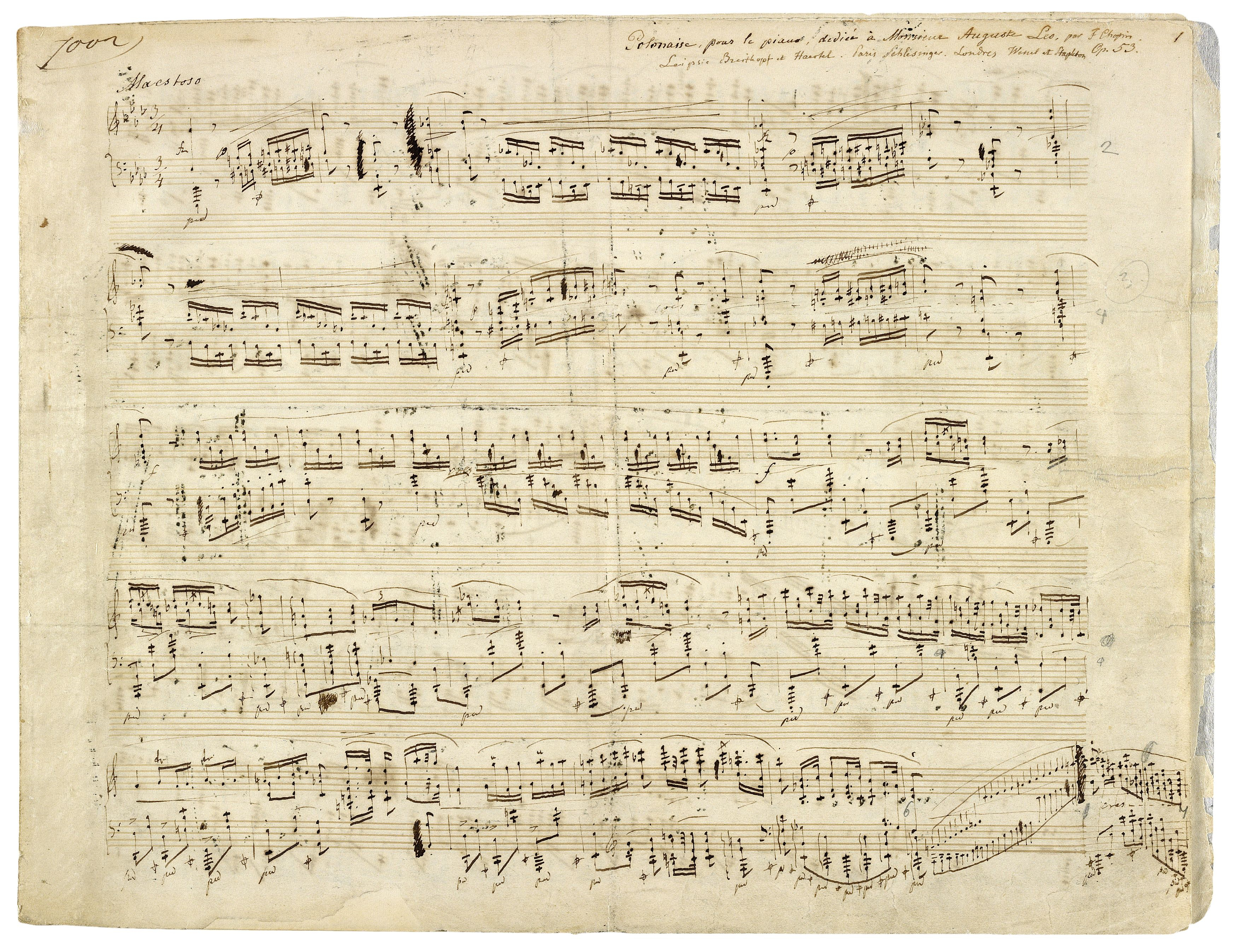
Lyrics help too, because words give the loop a handle. A wordless melody can stick, but a short sung phrase can carry meaning, rhythm, mouth movement, and memory all at once. That is why the most stubborn fragment is often not the whole song. It is one line, one chorus entrance, one cadence that feels as if it should resolve.
Why Earworms Arrive at Certain Times
Earworms are not random in the way they feel. They often follow recent exposure, emotional association, boredom, stress, or a cue in the environment. A phrase in conversation can call up a lyric. A rhythm in footsteps can call up a chorus. A mood can call up a song that once lived near that mood in memory.
The brain is always completing patterns. That is usually helpful: it lets you recognize a friend from a half-glimpsed face or finish a sentence before the speaker does. With music, the same completion habit can overshoot. A fragment is enough to reload the whole pattern, but the pattern does not always get to finish. So it restarts.
Fatigue and stress matter because they lower the mind's patience for loose ends. When attention has nothing better to hold, the inner jukebox gets the floor. This is not the same as a serious intrusive-thought disorder, but the family resemblance is real: both involve a mental item that repeats partly because the control system keeps touching it.
How to Get Rid of It
The best fixes work by closing the loop or giving the loop a better competitor. One common tactic is to listen to the whole song. That can help because the fragment finally reaches an ending. Another is to switch to a different, less sticky piece of music - not another hook monster, but something familiar enough to occupy the sound system without grabbing it harder.
There is also experimental evidence for a surprisingly practical intervention: chewing gum. In a study on blocking earworms from conscious awareness, Beaman, Powell, and Rapley tested whether chewing could reduce unwanted musical imagery. The idea is that chewing interferes with the subvocal rehearsal that helps inner singing keep going. It is not magic. It is a way of making the mouth-planning system busy.

Distraction can work too, but it has to be the right size. A task that is too easy leaves room for the song. A task that is too hard can make you tired and send the mind back to the loop. A puzzle, a conversation, a short reading task, or a different rhythm often lands in the useful middle.
What People Usually Miss
People treat earworms as musical trivia, but the deeper point is that they are intrusive thoughts with a tune attached. That does not make them dangerous. It makes them informative. They show that memory is not a filing cabinet you open on command. It is a living prediction system. It keeps testing fragments against patterns, especially when the fragment is familiar enough to feel close to completion.
This is also why the best answer is not "catchy songs are evil." A good hook is a compact curiosity machine. It opens a gap, promises closure, gives partial closure, then leaves enough shape for the mind to run it again. The same mechanism that makes a chorus annoying is also part of why music feels alive.
Related Videos
Earworms: Those songs that get stuck in your head - Elizabeth Hellmuth Margulis (TED-Ed)
FAQ
Why do songs get stuck in your head more when you are tired?
Tiredness can leave attention underpowered. When the control system is weaker and the mind is not deeply engaged, a familiar musical fragment has more room to loop.
Are earworms a sign of OCD?
Not by themselves. Earworms are common everyday experiences. They become worth discussing with a clinician only if they are persistent, distressing, hard to interrupt, or part of a broader pattern of intrusive thoughts.
Does listening to the full song stop an earworm?
Sometimes. If the problem is an unfinished fragment, hearing the whole song can provide closure. If the song itself is extremely sticky, switching to a calm competing task may work better.
Why are catchy songs often simple?
Simple patterns are easier to rehearse, but the strongest hooks usually add a small twist. The brain likes music it can predict almost correctly.
Can chewing gum really help with a song stuck in your head?
It can help some people. The best explanation is that chewing occupies the mouth-and-voice planning system that silent singing normally uses.
What does this have to do with AIgneous Million Whys?
An earworm is a tiny example of curiosity mechanics: a gap, an almost-answer, and the need for closure. Million Whys is built around that healthier version of the loop - one question, one satisfying answer, then the next better question.
Sources
Beaman & Williams, "Earworms (stuck song syndrome): towards a natural history of intrusive thoughts"
Jakubowski et al., "Dissecting an earworm"
Beaman, Powell & Rapley, "Want to block earworms from conscious awareness? B(u)y gum!"
University of Cincinnati Magazine on James Kellaris's earworm research
Curious? Try one 👇
Why is the sky blue?
Jump into the daily quiz →Keep Exploring
Related Posts
Why Does Deja Vu Happen? A Brain Familiarity Glitch
Why does deja vu happen? Memory science explains familiarity glitches, temporal-lobe signals, spatial resemblance, epilepsy warnings, and real closure.
Why Does Music Give You Chills? Frisson Explained
Why does music give you chills? Frisson explained through dopamine, prediction, goose bumps, musical surprise, and why some songs create real closure.
Why Are Fun Facts Interesting? Memory Science
Why are fun facts interesting? Cognitive science says surprise creates a curiosity gap, primes memory, and turns answers into satisfying closure that sticks.