

Conversation Starters That Actually Work
Real curiosity questions for the moment when talk goes flat and everyone is tired of asking what people do.
Conversation starters work best when they create a tiny information gap and then give people room to close it. These are not interview prompts or party tricks. Each card is a real Million Whys question you can try in a room, on a walk, at dinner, or in the awkward five seconds after "so... how's your week?"
Niche Conversation Starters

ASocial networks have 'tipping points' where simultaneous sharing triggers cascades
BPopular memes get promoted by platform algorithms to everyone at once
CViral content is secretly boosted by paid marketing teams
AThey create 'anti-sound' waves that are opposite in phase to cancel noise
BThey produce high-frequency sounds that confuse your brain into ignoring noise
CThey emit ultrasonic pulses that physically block sound waves from entering
Deep Conversation Starters
ASadness signals vulnerability, triggering empathy and support from others
BSadness releases endorphins that make others feel happier around us
CSadness makes us speak louder, so people hear us better
ASadness makes us think more carefully and analytically about details
BSadness speeds up our brain processing to solve problems faster
CSadness makes us more confident in trusting our first instinct
Funny Conversation Starters That Do Not Try Too Hard
ASalt blocks bitter receptors and enhances sweet taste contrast
BSalt dissolves sugar faster, releasing more sweetness
CSalt chemically reacts with sugar to create new sweet compounds
AThe brain creates 'event boundaries' when entering new spaces, separating memories
BNew rooms have different air pressure that temporarily affects brain function
CThe eyes need time to adjust to new lighting, pausing memory recall
Conversation Starters for Couples Who Already Know the Plot
AOur emotional brain evolved before fiction existed, so it treats compelling stories as real
BWe cry because our eyes need to release excess water when focusing on screens
CSad movies contain special sound frequencies that directly trigger tear glands
AYou discover gaps in your knowledge and must fill them
BSpeaking louder activates more brain cells than thinking
CThe other person's questions create memory duplicates
Weird Conversation Starters That Actually Work
AIt evolved from early Christians forming crosses with fingers for protection
BAncient Romans believed crossed fingers trapped evil spirits between them
CMedieval doctors thought it improved blood flow to boost fortune
AAncient astronomers could see seven 'wandering stars' in the sky
BIt takes exactly seven days for the Moon to complete one orbit around Earth
CEarly farmers needed seven days to rest between planting cycles
First-Date Conversation Starters Without the Interview Feeling
ATo show empty hands as a sign of peace and trust
BTo cool down the air between people before talking
CTo activate special nerve cells that release bonding hormones
ABabies naturally tilt back to refuse feeding and lean forward to accept it
BAncient warriors nodded to show their helmet was secure before battle
CEarly humans copied these movements from observing nodding birds
Conversation Starters for Awkward Silences
ATo show you're not holding a weapon
BTo check if someone has a fever
CTo exchange good luck through touch
APeople subconsciously follow others moving in the same direction to avoid collisions
BStation designs include invisible floor markings that guide foot traffic
CMagnetic fields from train tracks influence walking patterns
Use these as 10-second curiosity sparks, then follow the answer wherever the conversation goes.
Explore more Million Whys questionsFrequently Asked Questions
What are the best conversation starters for adults?
The best adult conversation starters are specific enough to avoid small-talk autopilot and open enough to let the other person choose depth. Try a why-question about memory, food, customs, stories, or a tiny everyday mystery.
What are unique conversation starters that are not cliche?
Ask about a mechanism people recognize but rarely explain: why we wave with open palms, why a week has seven days, why sad movies work, or why crowds self-organize. The question feels light, but the answer has real closure.
How do I use conversation starters without sounding scripted?
Say why the question occurred to you. "I just noticed everyone moves in lanes at this station - why do we do that?" sounds natural because it starts from attention, not a memorized card.
What conversation starters work for awkward silences?
Use prompts that point outward instead of judging the silence. Ask about a shared object, a strange custom, a food rule, a movie reaction, or an everyday system in the room.
Are deep conversation starters too intense?
They can be if they demand confession. Keep depth optional. A question about sadness, memory, or childhood beliefs can be answered lightly or seriously, depending on trust.
Where can I find new conversation starters every day?
AIgneous Million Whys turns curiosity into one-question loops: see a question, guess, get the satisfying answer, and keep the best ones as conversational material for later.
Keep Exploring
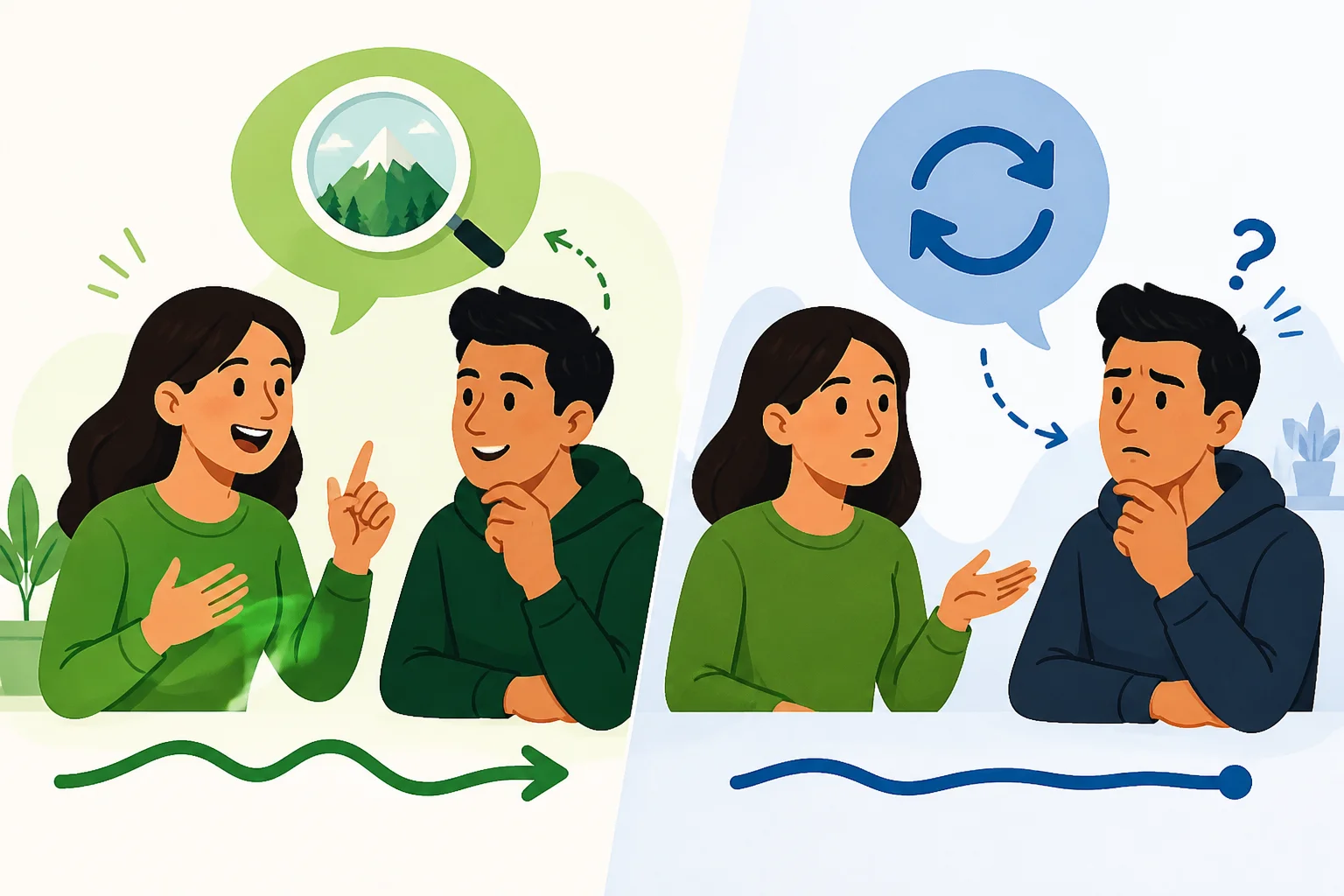
Why does asking about one specific detail someone just mentioned keep a conversation going better than asking them the same question back?
Psychology & Behavior
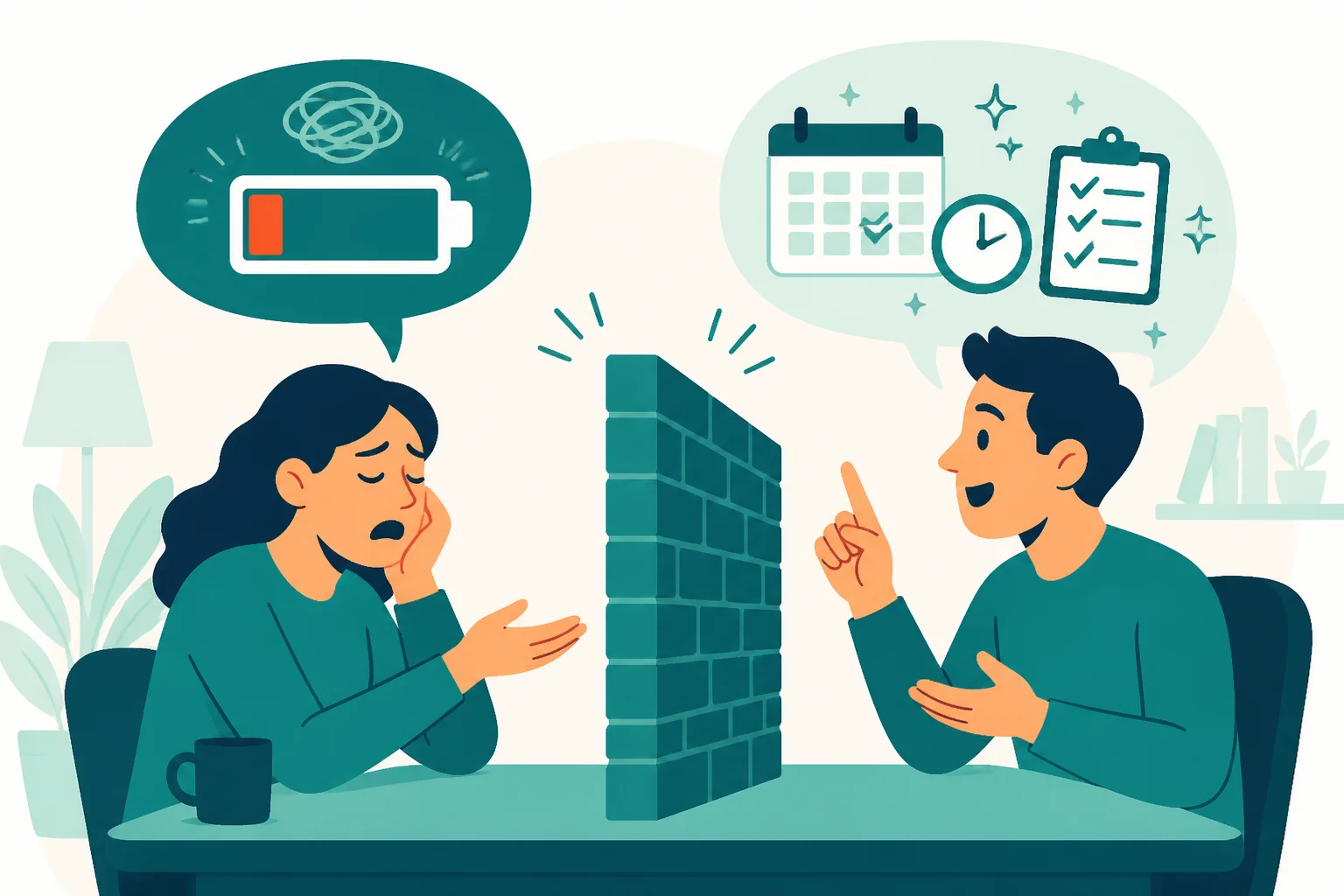
Why does a conversation stall when someone says 'My week was exhausting' and the other person immediately suggests ways to fix their schedule?
Psychology & Behavior

The Greater Good Science Center's version of the 36 questions asks people to describe a moment or a place rather than name a fact. Why does that shape of question get a conversation going?
Psychology & Behavior
Related Posts
Deep Conversation Topics That Actually Open Up
Deep conversation topics should create curiosity, not pressure. Use this guide to move from safe prompts into real talk without making people perform.
Questions to Ask Friends When You Want Real Talk
Questions to ask friends that feel curious, warm, and specific, with prompts for new friends, best friends, long rides, weird moments, and real talk today.
Nothing to Talk About? Curiosity Fixes It
Nothing to talk about? Refill your conversation bank with real curiosity, better prompts, and tiny answers that turn awkward silence into connection.