

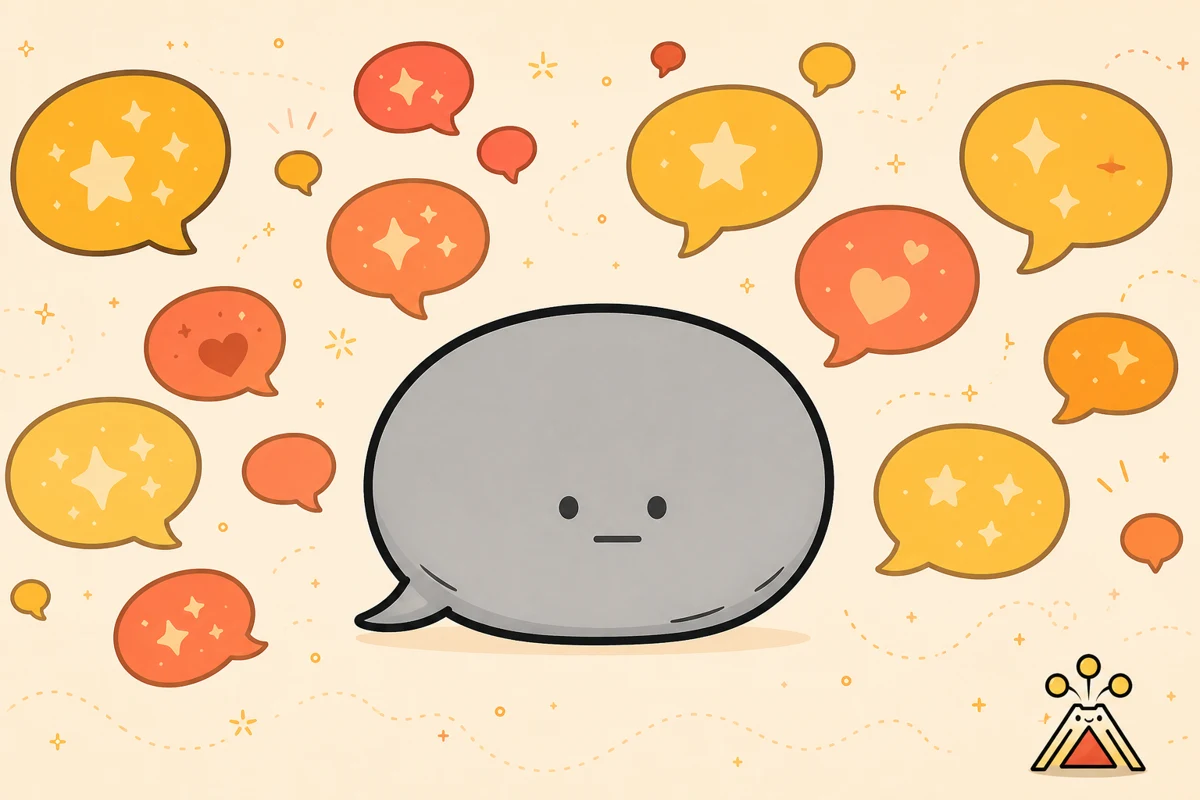
Am I Boring? A Kind Self-Diagnostic
On this page· 17
If you are asking am I boring, the answer is probably not a permanent yes. It is more likely that your conversation shelf is under-stocked right now. Boring usually feels like a personality verdict, but in real life it often means you have not recently collected enough small mysteries, concrete stories, or second questions to bring into the room.
TL;DR
You are not boring because you are quiet, introverted, or low-drama. People tend to read "boring" through behavior: low curiosity, low specificity, and little responsiveness. The fix is not becoming louder. It is rebuilding your supply of real material and practicing the habit of asking one better follow-up question.
Short answer: if people seem disengaged around you, diagnose the pattern before attacking your identity. Research on question-asking finds that people who ask more questions, especially follow-up questions, are better liked by conversation partners (Huang et al., 2017). Research summarized by the University of Essex also shows that being labeled boring carries social costs, but that label is tied to perceived traits and behaviors, not a fixed human essence (University of Essex).
The Question That Almost Nobody Asks Out Loud
"Am I boring?" is a brutal search because it sounds like you are asking the internet to judge your whole self. A kinder version is: "What is happening in my conversations that makes me feel uninteresting?" That question is useful because it can be answered without self-hatred.
Most people are not bored by quietness. They are bored by genericness. "Work is busy." "I watched something." "Same old." Those answers may be true, but they do not give another mind a handle. A handle is a detail, a question, a tiny contradiction, a specific scene. The difference between "I had coffee" and "I learned that decaf still has caffeine, which feels like a loophole in the universe" is not charisma. It is material.
This is where the AIgneous worldview matters: curiosity is not a luxury trait owned by interesting people. It is the engine that makes material. You notice one small gap, close it, and the closure leaves you with a better next question. Over time, those closures compound into a conversation bank.

What "Boring" Actually Signals: Material Shortage, Not Personality Flaw
The strongest diagnostic is not whether you are funny, extroverted, or impressive. It is whether you bring something real into the exchange. The Essex summary of Wijnand Van Tilburg's work notes that people stereotyped as boring are seen as lower in warmth and competence, and are more likely to be avoided. That sounds harsh, but it also gives the label a shape: boredom is a perception formed in social context, not a blood type.
So look for signals. Do your answers stay abstract when they could become concrete? Do you wait for the other person to supply every topic? Do you ask questions that could be answered by any human, or questions that follow what this person just said? The Harvard question-asking paper is helpful here because it identifies follow-up questions as especially powerful. Follow-ups show listening, not performance.
John Zeratsky and Jake Knapp's Make Time framework is not about social charm, but its "daily highlight" idea is useful here: choose one thing worth noticing instead of letting the day blur into an undifferentiated feed (RescueTime interview with John Zeratsky). For conversation, the equivalent is a daily curiosity highlight: one thing you noticed, learned, wondered about, or changed your mind on.
Question 1 of 2
When someone gets stereotyped as a boring person, what does that label actually do to how others see them?
The 6-Question Self-Diagnostic
Use this as a quick check, not a personality trial. If you answer "rarely" to four or more, you probably do not need a new identity. You need a refill.
- Did I learn one small thing this week that I could explain in under 30 seconds?
- When someone tells me a story, do I ask a follow-up based on their exact words?
- Can I name one topic I am genuinely half-curious about right now?
- Do I have one non-work detail from my week that is more specific than "busy"?
- When a conversation slows down, do I offer a small observation before asking another question?
- Do I let myself be quietly interested instead of trying to sound impressive?
If you want a live curiosity check, try a question like why a tiny quiz question can feel more magnetic than a mini-lesson or why curiosity can help an answer stick. The point is not to win the quiz. It is to feel the information gap open and close.

The Difference Between Introverted and Boring
Introversion is not the same as boring. Susan Cain's work has spent years making that distinction public: introverts often prefer lower-stimulation settings, deeper attention, and more time before speaking, which is different from lacking inner life (Susan Cain). A quiet person with a precise question can be magnetic. A loud person with only recycled opinions can be exhausting.
The practical difference is responsiveness. Boring conversation tends to be sealed: statements stop the exchange. Interesting conversation leaves a door open: a question, a detail, a little uncertainty. You do not need to become a storyteller on command. You need to become easier to respond to.
Arthur Aron's interpersonal closeness research is useful because it showed that escalating, mutual self-disclosure tasks produced more closeness than comparable small-talk tasks (Aron et al., 1997). The takeaway is not "ask 36 intense questions at lunch." It is that depth works when it is gradual, mutual, and consented to. Interesting people do not force intimacy. They notice when the door has opened one inch.

Question 2 of 2
In Arthur Aron's famous closeness procedure, what actually makes two strangers feel closer?
What Interesting People Actually Do Differently
Interesting people collect small mysteries. They follow tangents. They ask second questions. None of that requires a dramatic life. It requires a practice of not letting the world flatten into labels.
The first habit is collecting. A good conversation bank can be tiny: one fact, one question, one thing you noticed. Jim Kwik's conversation with Larry King is a clean example of the question habit: when an interview stalled, King changed the question and got a different answer (Jim Kwik). That is the whole move. New question, new answer.
The second habit is specificity. "I like movies" is a label. "I realized I like movies where the villain is technically correct and emotionally terrible" gives someone something to play with. The third habit is closure. Do not just spray half-facts. Bring the satisfying answer. Curiosity without closure becomes endless stimulation; closure is what makes the other person feel rewarded for following you.
The 30-Second Fix: Bring One Weird Thing You Learned This Week
Before a date, dinner, meeting, or friend hangout, bring one small thing. Not a monologue. Not a TED Talk. One thing.
Try this shape: "I found out something weird this week: [fact]. The part I can't stop thinking about is [why it matters]. Have you ever noticed [question]?" That gives the other person three ways in: react to the fact, follow the meaning, or answer the question.
Vanessa Van Edwards' conversation materials often emphasize better openers and more specific prompts rather than generic small talk (Science of People). The MillionWhys version is even smaller: one question, one explanation, one spark. A 10-second curiosity loop can become a 30-second conversation refill.
If you need one to bring tonight, pull a random trivia question — it hands you the question first, the answer second, and the reason last, which is the order that makes a fact retellable.

When It's Not You, It's the Context
Sometimes the room is wrong. A person can be interesting in one context and muted in another. A workplace lunch where everyone is defending status will not reward the same curiosity as a late-night walk with a close friend. Do not turn every flat exchange into evidence against your personality.
Also, two people can simply lack shared edges. That is not failure. It is geometry. Curiosity helps because it creates more edges, but it does not guarantee chemistry with everyone. The goal is not to become universally fascinating. That is a brand strategy, not a human life.
What people usually miss
The usual advice says to become more confident, more charismatic, or more entertaining. That misses the quieter mechanism: interestingness is often downstream of attention. If you pay attention to the world, you collect material. If you collect material, you ask better questions. If you ask better questions, other people feel more alive around you.
The second missed point is that closure matters. A loose curiosity fact can feel like clickbait if it never lands. The satisfying part is the answer: the moment a half-known thing becomes a little clearer. That is why a curious person is not just a person with trivia. They are a person who can carry another mind from itch to relief.
Related videos
FAQ
What are signs you are a boring person?
The useful signs are behavioral: you give generic answers, rarely ask follow-ups, avoid specifics, and wait for others to carry every topic. Those are habits, not a life sentence.
How do I stop being boring in conversation?
Collect one small curiosity item each day and practice asking one follow-up question that uses the other person's exact last answer. Specificity plus responsiveness beats forced charm.
Is boring a personality trait?
People may perceive boringness as a trait, but the practical signals are contextual and changeable: warmth, responsiveness, specificity, and shared material. Treat it as feedback about behavior, not a diagnosis of your self.
Can introverts be interesting?
Yes. Introverts can be deeply interesting because they often notice, listen, and think before speaking. The issue is not volume; it is whether you give the other person something real to respond to.
What does this have to do with AIgneous Million Whys?
MillionWhys is not an identity fix. It is a daily material source: one tiny question, one satisfying answer, one more spark you can bring back into real conversation.
Sources
University of Essex: World's most boring person discovered by researchers
Huang, Yeomans, Brooks, Minson, and Gino: It Doesn't Hurt to Ask
Aron et al.: The Experimental Generation of Interpersonal Closeness
Susan Cain: The Power of Introverts
RescueTime: Make Time author John Zeratsky on defining a daily highlight
Keep Exploring

Related Posts
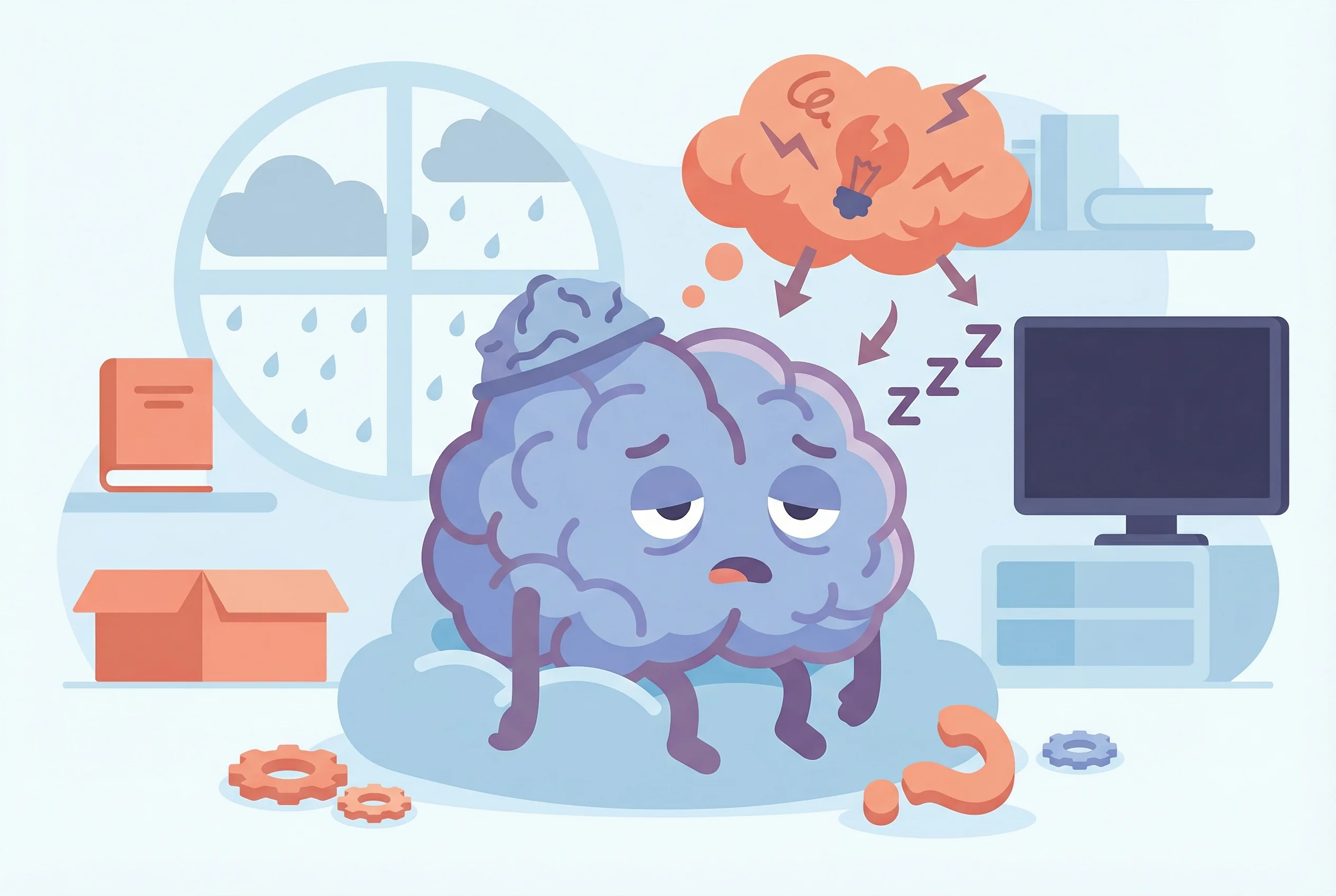
Nothing to Talk About? Curiosity Fixes It
Nothing to talk about? Refill your conversation bank with real curiosity, better prompts, and tiny answers that turn awkward silence into connection.
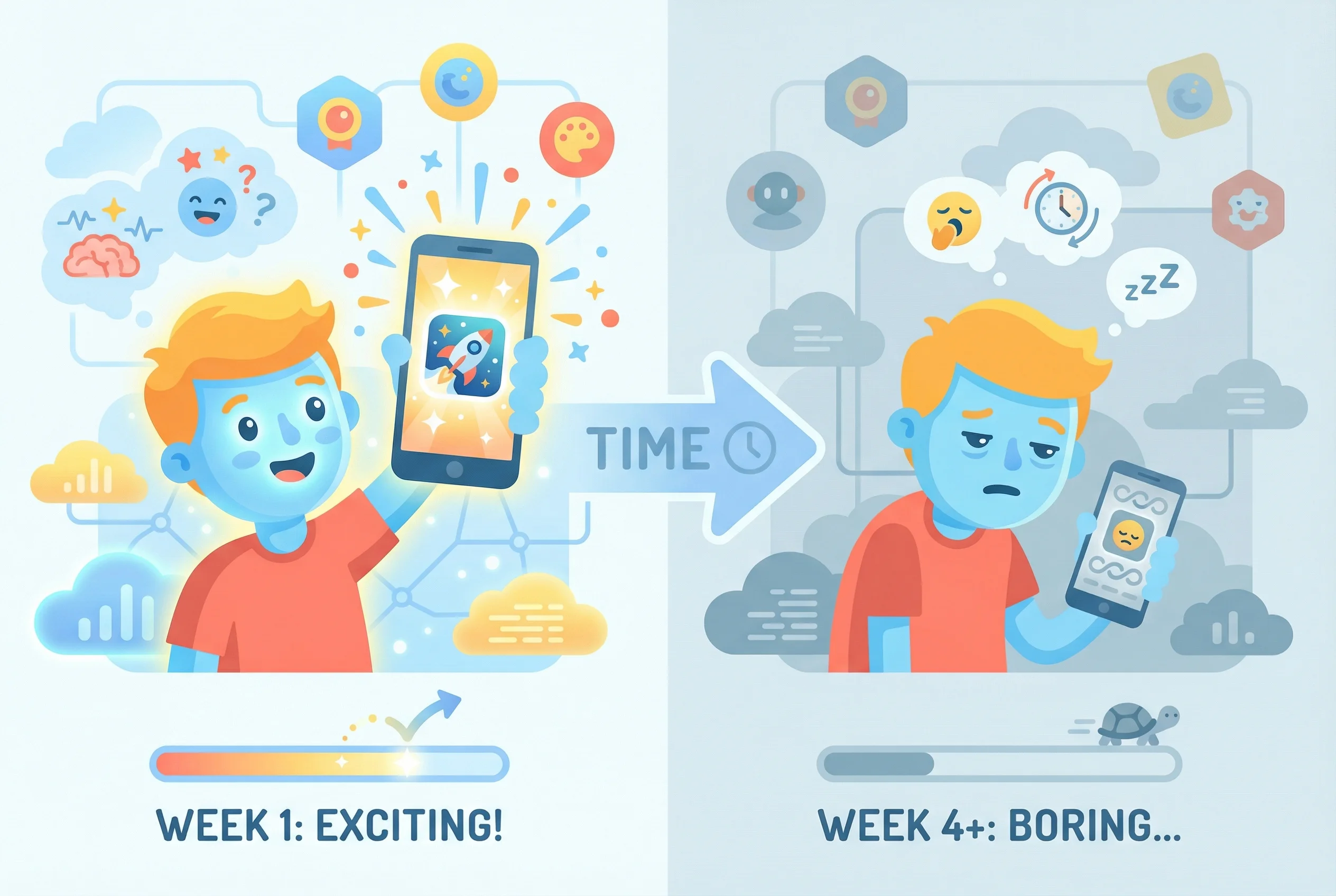
How to Be Interesting: The Curiosity Habit
How to be interesting without performing: build curiosity habits, collect small mysteries, ask better questions, and turn weekly facts into conversation fuel.
How to Be Funnier: Curiosity Beats Tricks
How to be funnier in conversation: collect better material, notice precise truths, use benign surprise, and let curiosity feed real wit in everyday talk.