A fun fact of the day hits hardest when you guess first and find out you were wrong. Below are short, surprising questions about animals, space, your own body, food and weather — tap any option to see if it’s right and, more importantly, why.
Weird Fun Facts About Animals
AAttracting mates with scent
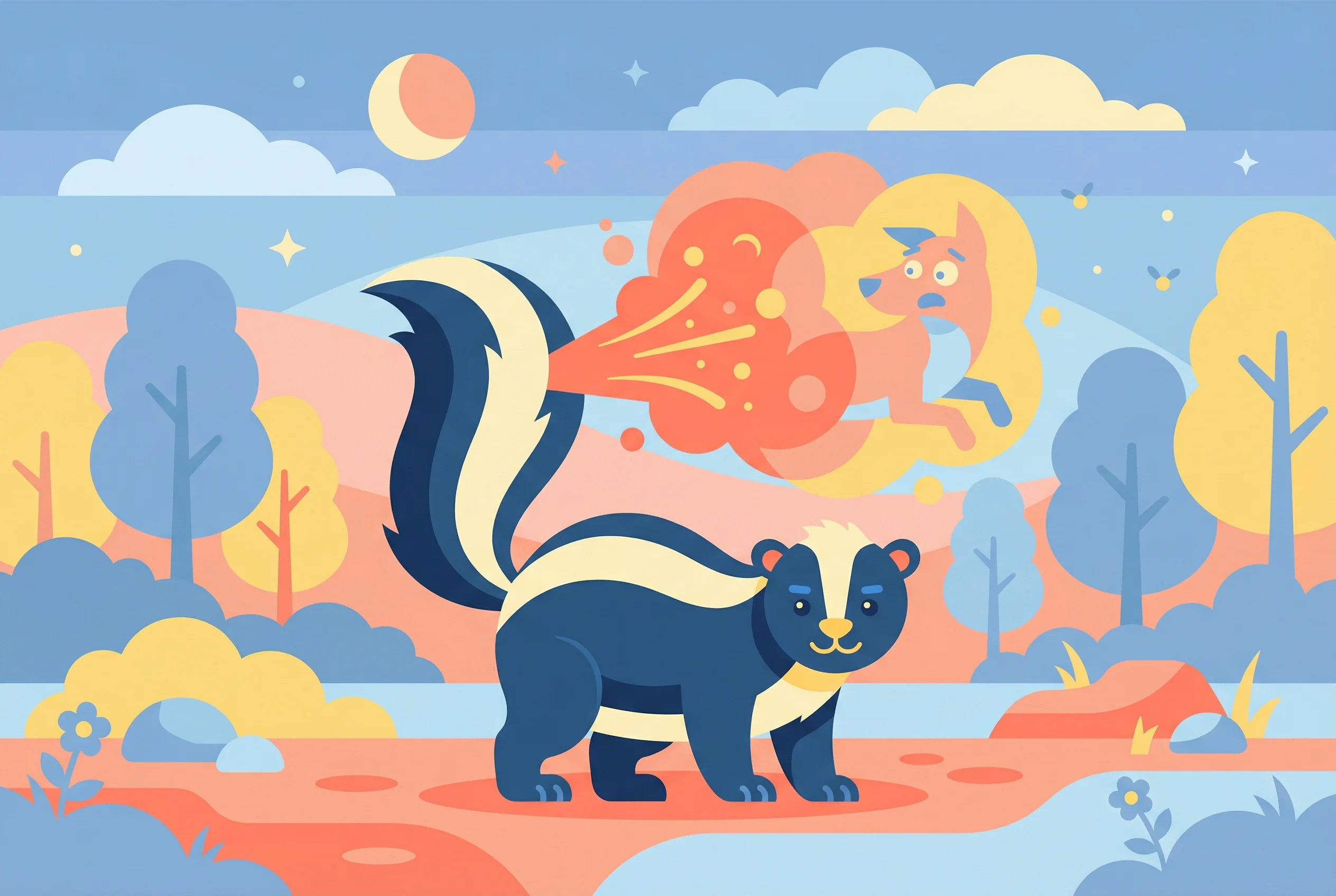
✗Wrong. The spray is extremely unpleasant and repels all animals, including potential mates. Skunks use completely different, milder scents for attraction.
BLast-resort predator defense
✓Correct! Chemical warfare defense! Skunk spray: last resort against threats. Composition: sulfur-containing thiols (mercaptans)—extremely pungent. Process: (1) Warning signals first—stomping, tail raising,…
CKeeping their fur clean
✗Wrong. Spray doesn't clean fur—it's an oily, foul-smelling substance that animals try to avoid. Skunks groom themselves like other mammals.
AReaching deep into ant nests
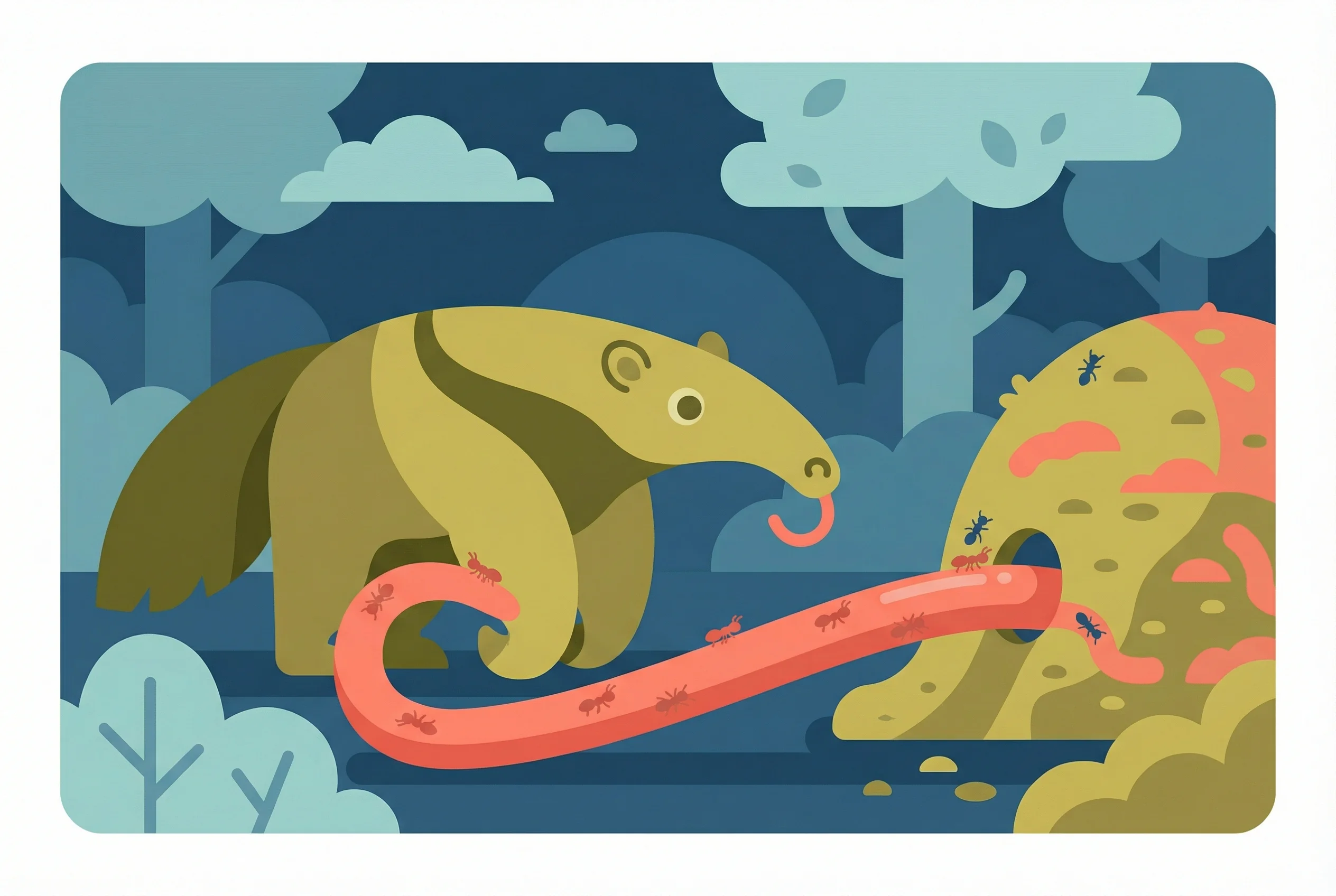
✓Correct! Specialized feeding! Giant anteater tongue: 2ft long! Adaptations: (1) Length—reaches deep into ant/termite tunnels. (2) Sticky saliva—insects adhere to tongue. (3) Rapid flicking—160 times/minute!…
BIt helps regulate body temperature
✗Wrong. Tongue doesn't regulate temperature. It's specialized feeding tool—extremely long and sticky for extracting ants/termites from nests.
CFighting off predators
✗Wrong. Anteaters use powerful claws for defense, not tongues. Long tongue is feeding adaptation—reaching deep into insect colonies.
AEscaping ocean predators
✗Wrong. Ocean has predators, but upstream migration is for reproduction—returning to natal streams to spawn.
BSpawning in birthplace
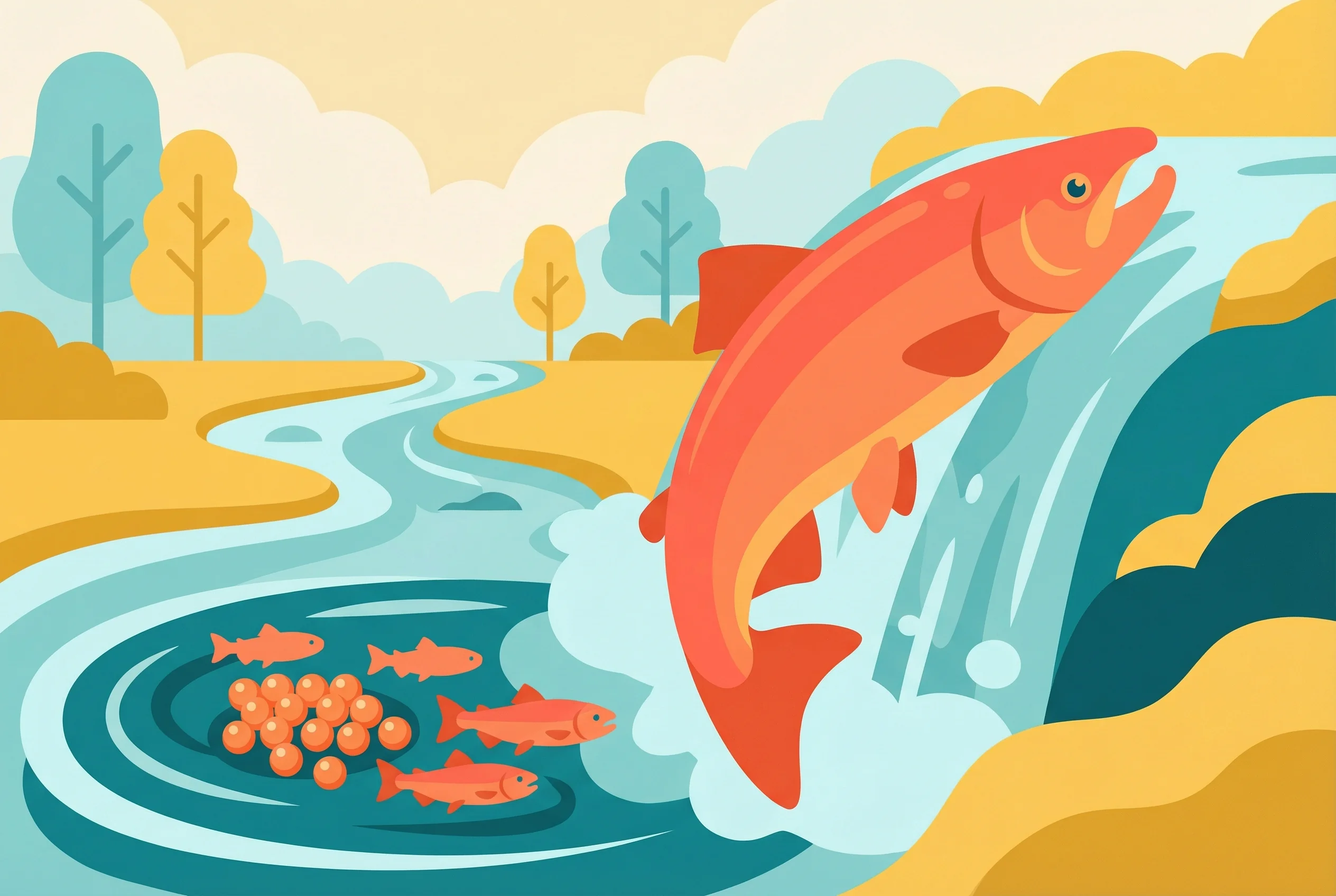
✓Correct! Natal homing! Salmon return to birthplace to spawn: (1) Imprinting—remember birth stream's chemical signature. (2) Olfactory navigation—follow scent upstream. (3) best conditions—gravel beds for eggs.…
CSearching for more food
✗Wrong. Salmon don't feed during spawning migration—use stored energy. Upstream journey is reproduction-driven, not foraging.
Want a fresh one right now?
These are hand-picked, but you do not have to wait for tomorrow’s fact. Pull a new question, guess before the choices appear, and read why the answer works.
Open the random trivia generator →Surprising Fun Facts About Food and Cooking
AAll plant milks contain mostly hard fats
✗Almost! Many plant oils — like olive, canola, and sunflower — are rich in unsaturated fats and stay liquid at room temperature. Coconut is an exception, not the rule; its high saturated fat content is an…
BCows produce low-fat milk for calf agility
✗Not quite. Cow's milk fat content varies by breed and diet, but it's not intentionally low for agility. The key difference is function: cow's milk provides balanced nutrition for rapid calf growth, while…
CSaturated fat resists melting in tropical heat
✓Correct! Coconut palms evolved in tropical heat. Saturated fats have high melting points, remaining solid for energy storage — essential in warm climates. Cow's milk, by contrast, has much less total fat…
AIt aligns gluten proteins into elastic networks
✓Correct! When you knead dough, two wheat proteins (gliadin and glutenin) combine with water to form gluten. The mechanical action of kneading aligns these gluten strands into organized, springy networks that…
BIt adds air bubbles that make the dough expand
✗Wrong. While kneading does incorporate some air, this is not what creates stretchiness. The air bubbles you see are mainly produced later by yeast fermentation. Kneading's main job is developing gluten…
CIt breaks down starch into sticky sugar chains
✗Wrong. Kneading does not break down starch molecules. Starch breakdown happens during fermentation when enzymes convert starch to sugars that feed the yeast, but this is a chemical process, not a mechanical…
ASugar balances sour taste on tongue, acidity stays same
✓Correct! Sugar does not change the actual acid content or pH of tomato sauce. Instead, it works through taste perception. Our tongue has different taste receptors for sweet and sour. When both are present, the…
BSugar neutralizes citric acid through chemical reaction
✗Wrong. Sugar (sucrose) does not chemically react with the citric acid or malic acid in tomatoes under normal cooking conditions. A true neutralization reaction requires a base (like baking soda) to react with…
CSugar raises pH level making sauce less acidic
✗Wrong. Adding sugar does NOT change the pH of tomato sauce. Tomatoes typically have a pH of 4.2-4.9, and this remains the same whether sugar is added or not. You can test this with pH strips - sugared and…
Cool Fun Facts About the Human Body
AReleasing germs via exhaled carbon dioxide
✗Not quite. Carbon dioxide is a gas and does not carry germs. Germs are carried in moisture droplets expelled during coughs. In fact, regular breathing spreads far fewer germs than a single cough, which propels…
BMixing germs with saliva for better spread
✗Almost! Saliva does contain germs, but the key mechanism is the high-speed airflow from the lungs. A cough involves a deep breath and violent contraction of abdominal muscles, propelling droplets at over 100…
CExpelling infectious droplets into the air
✓That's right! Coughing uses your diaphragm and chest muscles to forcefully expel air, carrying tiny germ-filled droplets. These droplets can travel up to 2 meters and linger in the air, making inhalation by…
AExpulsion of airway irritants
✓Yes! When an irritant touches sensitive nerve endings in the airways, they send signals to the brainstem which coordinates a cough. This explosive expulsion clears the threat. Fun fact: even dust in your ear…
BLow blood oxygen levels
✗Almost. Low oxygen does not directly cause coughing. Instead, low oxygen triggers gasping or hyperventilation, not the coordinated cough reflex. Coughing is specifically designed to remove physical irritants…
CVoluntary throat clearing
✗Not exactly. Coughing is typically an involuntary reflex, though you can partially suppress or mimic it. The reflex is controlled by the brainstem without conscious thought. In fact, voluntary coughing uses…
ATo spread tears and keep eyes moist and clean
✓Correct! Each blink spreads a thin layer of tears across the cornea, keeping it lubricated and washing away dust and microorganisms. Without blinking, our eyes would dry out in seconds and become vulnerable to…
BTo exercise the eye muscles and prevent weakness
✗Wrong. While blinking does involve eye muscles, this is not its primary purpose. The muscles around our eyes are already constantly active for eye movements and focusing. Blinking serves the critical function…
CTo reset our vision like refreshing a camera lens
✗Wrong. Our vision does not need 'resetting' like a device. Between blinks, our brain maintains continuous visual perception. Blinking is actually so fast (100-150 milliseconds) that our brain fills in the gap,…
Mind-Blowing Fun Facts About Space
AWe are inside it
✓Correct! The Milky Way is our galaxy—we're inside it! The band of light we see is looking edge-on through the galactic disk (100,000 light-years across). We're in a spiral arm ~26,000 light-years from the…
BIt's brightest galaxy
✗Wrong. We see the Milky Way brightly because we're inside it—viewing our own galaxy from within. Other galaxies appear dimmer due to distance.
CReflects sunlight to Earth
✗Wrong. Galaxies don't reflect sunlight—they emit light from billions of stars. We see the Milky Way because we're part of it.
ANeutron stars rotate with beams
✓Correct! Pulsars are rapidly rotating neutron stars (collapsed star cores, ~20km diameter). They have powerful magnetic fields with radiation beams emitted from magnetic poles (not aligned with rotation axis).…
BMagnetic fields oscillate naturally
✗Wrong. Magnetic fields are strong but don't oscillate to create pulses. Pulses come from rotation—beams sweep past Earth as neutron star spins.
CGravitational waves create pulses
✗Wrong. Gravitational waves don't cause pulses (though pulsars help detect them!). Pulses result from rotating neutron star's beamed radiation sweeping past Earth.
AStars are too far apart
✓Correct! Although there are billions of stars, they're incredibly far apart. Space is about 99.9999999999999% empty vacuum. Light from stars spreads out in all directions, getting dimmer with distance. Most…
BThere aren't enough stars
✗Wrong. There are hundreds of billions of stars just in our galaxy alone, and billions of galaxies in the observable universe. The number of stars is enormous. The darkness comes from their vast separation and…
CDark matter blocks light
✗Wrong. Dark matter doesn't block or absorb light - it doesn't interact with light at all, which is why it's called 'dark.' Dark matter only interacts through gravity. The darkness of space is due to the vast…
Fun Science Facts About Everyday Physics
ADark fabric absorbs light energy and converts it to molecular vibrations (heat)
✓Correct! Dark surfaces absorb photons across most wavelengths instead of reflecting them. The absorbed electromagnetic energy causes molecules in the fabric to vibrate more rapidly. Since temperature is a…
BDark colors attract more sunlight rays like a magnet pulls metal
✗Wrong. Light does not have magnetic properties, and color cannot 'attract' more photons. The difference is that dark surfaces absorb photons that strike them, while light surfaces reflect those same photons…
CDark dye molecules generate their own heat when exposed to any light
✗Wrong. Dye molecules do not generate heat independently. They simply determine which wavelengths are absorbed versus reflected. When dark dyes absorb light photons, they transfer that incoming energy to the…
AHoney's large sugar molecules and strong bonds create high viscosity
✓Correct! Honey contains large sugar molecules (like fructose and glucose) that form strong hydrogen bonds with each other. These intermolecular forces make the molecules resist sliding past one another,…
BHoney is heavier, so gravity pulls it down more slowly
✗Wrong. While honey is denser than water (about 1.4 times heavier), density does not determine flow speed. Gravity pulls on all liquids equally based on their mass. Mercury is much heavier than honey but flows…
CHoney has tiny air bubbles that block the flow
✗Wrong. Pure honey contains virtually no air bubbles - it is nearly 80% sugars dissolved in 20% water. Air bubbles would actually make a liquid flow slightly faster by reducing friction, not slower. Honey's…
AMarching in step creates resonance that can amplify vibrations dangerously
✓Correct! When many people march in perfect rhythm, their footsteps create periodic forces at a specific frequency. If this frequency matches the bridge's natural resonant frequency, the oscillations amplify…
BThe combined weight is too heavy if they step together
✗Wrong. The total weight of soldiers is the same whether they march in step or not - weight does not change based on timing of footsteps. Modern bridges are designed to hold far more weight than a group of…
CSynchronized movement creates excessive wind resistance
✗Wrong. Wind resistance is negligible for human walking speeds and has nothing to do with bridge safety. The danger comes from mechanical resonance - when periodic forces match a structure's natural frequency.…
Random Fun Facts About Weather
AIndoor moisture on cold glass
✓Correct! Indoor air contains water vapor from breathing, cooking, and other activities. When this warm, moist air touches a very cold window (below 0°C), the vapor deposits directly as ice crystals, skipping…
BCold air contains ice crystals
✗Wrong. Cold air can hold very little moisture. The ice on windows comes from indoor water vapor that freezes when it contacts the cold glass surface.
CGlass attracts frozen particles
✗Wrong. Glass doesn't attract ice particles. Ice forms when water vapor in warm indoor air deposits directly onto the cold window surface, creating frost crystals.
AStrong sustained winds create whiteout conditions by lifting existing snow, making visibility dangerous even without new snowfall
✓Correct! The defining danger of a blizzard is not just snowfall, but the combination of wind and reduced visibility. Winds of 35+ mph pick up already-fallen snow from the ground and suspend it in the air,…
BWinds above 35 mph are needed to keep snowflakes frozen in the air and prevent them from melting
✗Wrong. Wind speed does not affect whether snowflakes remain frozen - temperature determines that. Snow stays solid well below 32°F (0°C) regardless of wind speed. In fact, strong winds can actually cause some…
CThe 3-hour wind requirement ensures enough snow accumulates on the ground to block roads completely
✗Wrong. While blizzards do cause snow accumulation that blocks roads, the official definition focuses on visibility and safety during the storm, not total snowfall amounts. Some blizzards are 'ground blizzards'…
AWind removes warm air near skin
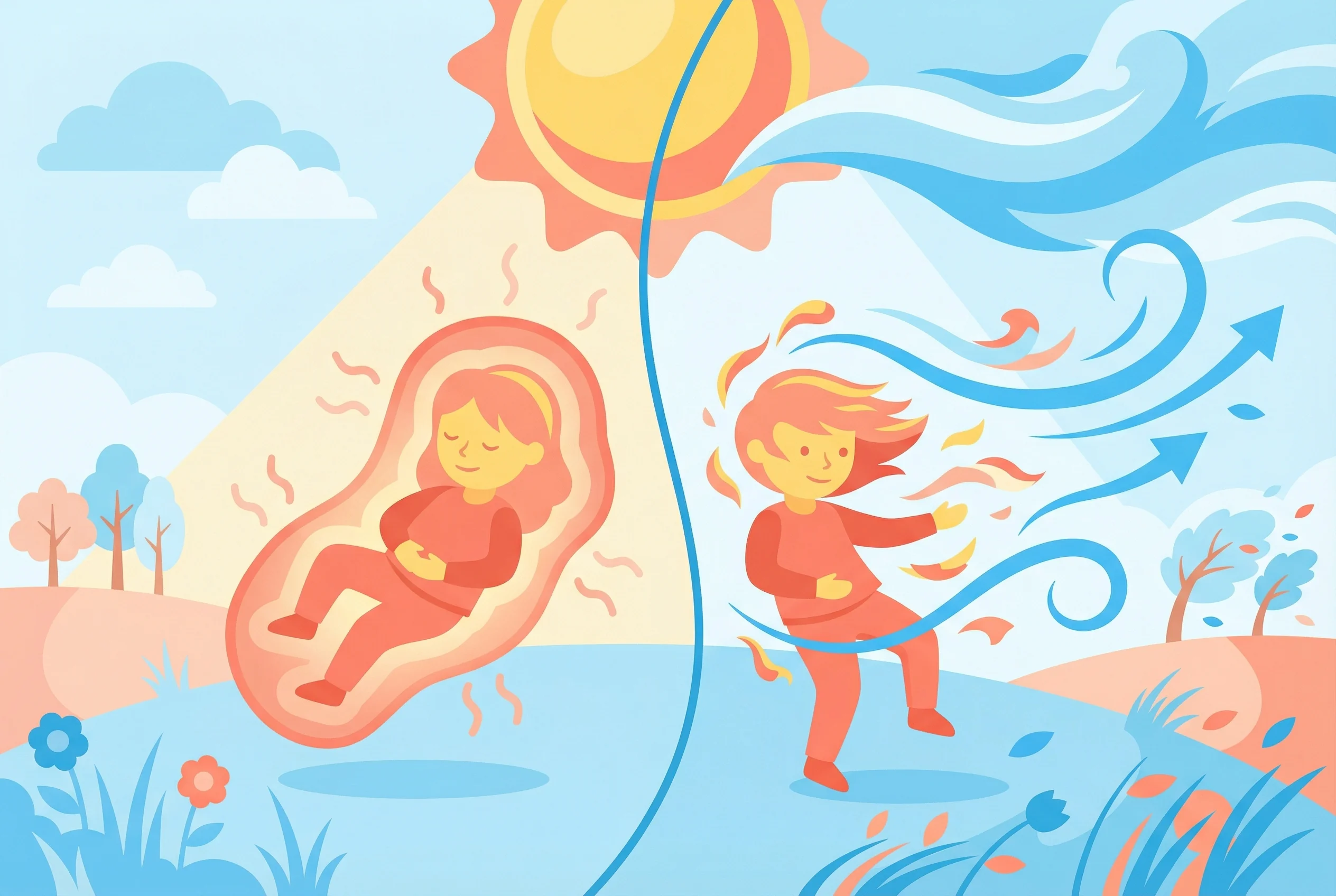
✓Correct! Your body warms a thin layer of air next to your skin. In still air, this warm layer insulates you. But wind constantly blows this warm air away and replaces it with cooler air, forcing your body to…
BMoving air has less heat
✗Wrong. Moving air doesn't have less heat than still air at the same temperature. Wind feels colder because it removes the warm insulating layer of air around your body faster than still air.
CWind increases air pressure
✗Wrong. Wind doesn't increase air pressure in a way that affects temperature sensation. Wind feels colder because it removes the warm air layer your body creates, increasing heat loss.
Fun Facts About History and Technology
ATo show you're not holding a weapon
✓Correct! Historical evidence suggests handshaking originated in ancient Greece and Rome as a gesture of peace. By extending your right hand (the weapon hand) and grasping another person's hand, you…
BTo check if someone has a fever
✗Wrong. While modern infrared thermometers can detect fever through the forehead, handshaking was never designed for health checks. In fact, handshaking can spread germs, which is why many cultures developed…
CTo exchange good luck through touch
✗Wrong. Though many cultures have superstitions about touch, handshaking's origin was purely practical, not mystical. The custom developed as a security measure - showing your weapon hand was empty. The…
AFlags required by international law
✗Wrong. While international conventions govern flag use (ships, embassies), countries adopted flags to represent identity and unity, not because of requirements. Flags emerged from military banners and became…
BHistorical accident from wars
✗Wrong. Flags evolved from military banners used to identify armies, but they became national symbols representing identity, values, and unity. Their adoption was deliberate—expressing sovereignty and shared…
CSymbol of identity and unity
✓Correct! Flags symbolize national identity, values, and unity. They emerged from military banners (identifying armies in battle) and became powerful symbols of sovereignty and shared identity. Colors and…
ARabbits became spring symbols in European folklore
✓Correct! The Easter Bunny comes from later European folk traditions, where rabbits were linked with spring and fertility.
BThe Gospels place a rabbit at the tomb
✗Wrong. The Easter Bunny is not part of the Gospel resurrection story.
CChurch law chose rabbits as Easter animals
✗Wrong. Rabbits entered Easter through folklore and custom, not through a universal church law.
Frequently Asked Questions
What is a good fun fact of the day to share?
One that sounds fake but is true — like a skunk only having five or six sprays before it needs about ten days to reload. The questions above are built for exactly that “wait, really?” reaction.
Where can I find a new fun fact of the day?
Right here, and a fresh one every day on the daily quiz — one 10-second question, with the science behind the answer.
What is a fun fact that sounds fake but is actually true?
An anteater’s tongue is about two feet long and flicks up to 160 times a minute, letting it eat roughly 30,000 ants and termites in a single day.