Good random facts are not random because they are meaningless. They are random because they catch you from the side: a skunk, a snowflake, a traffic light, a mug you suddenly value too much. Each one gives you a small piece of closure you can actually retell.
Random Facts to Drop at Dinner Parties
AAttracting mates with scent
✗Not quite — The spray is extremely unpleasant and repels all animals, including potential mates. Skunks use completely different, milder scents for attraction.
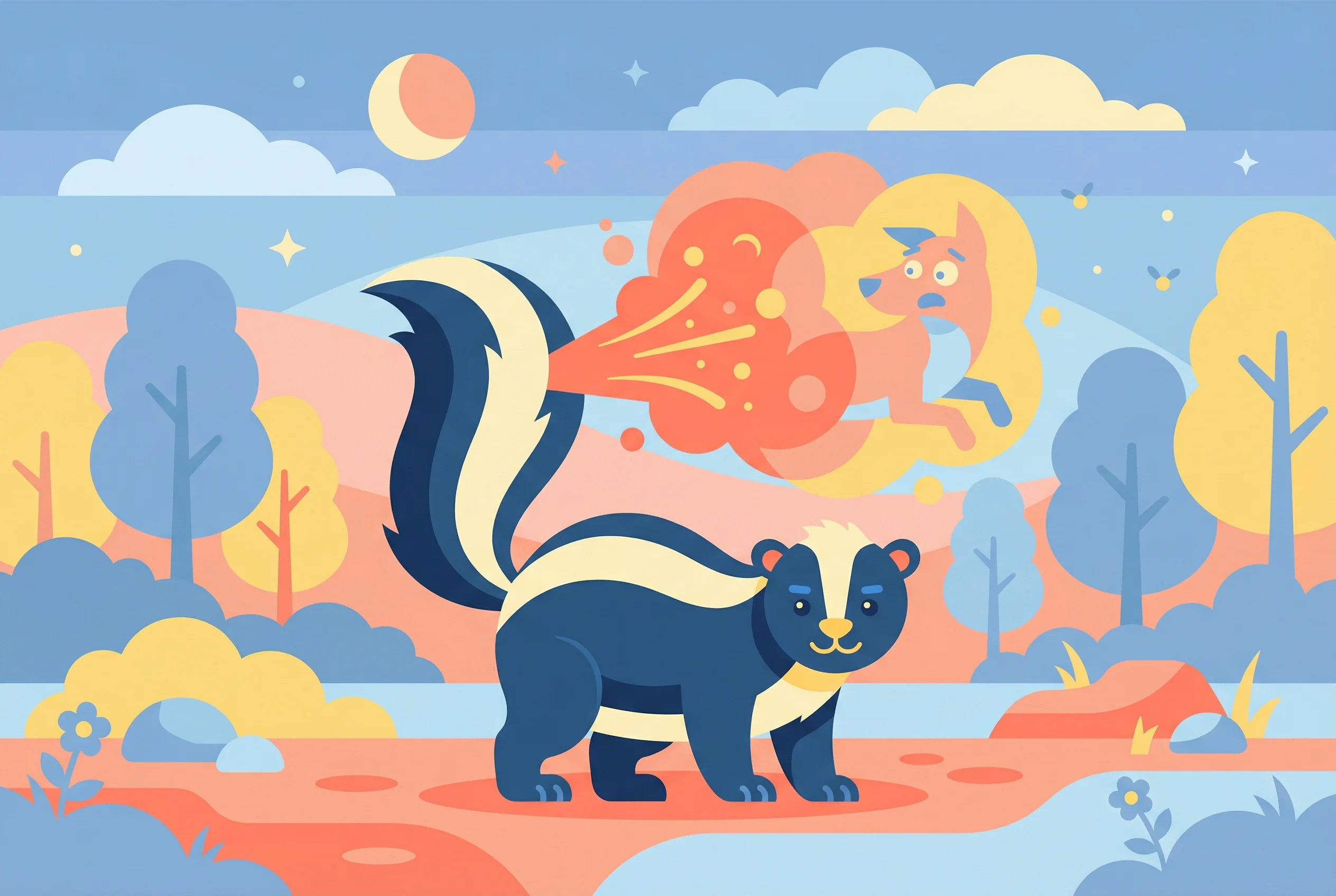
BLast-resort predator defense
✓Correct — Chemical warfare defense! Skunk spray: last resort against threats. Composition: sulfur-containing thiols (mercaptans)—extremely pungent. Process: (1) Warning signals first—stomping, tail raising, hissing. (2) If threat persists—spray from anal glands. (3) Accurate aim up to 10ft. Effects on predators: temporary blindness, nausea, intense smell (lasts days-weeks). Limited supply (5-6 sprays)—takes 10 days to replenish. Effective deterrent—most predators learn avoidance. Great horned owls (no smell sense) are main predators!
CKeeping their fur clean
✗Not quite — Spray doesn't clean fur—it's an oily, foul-smelling substance that animals try to avoid. Skunks groom themselves like other mammals.
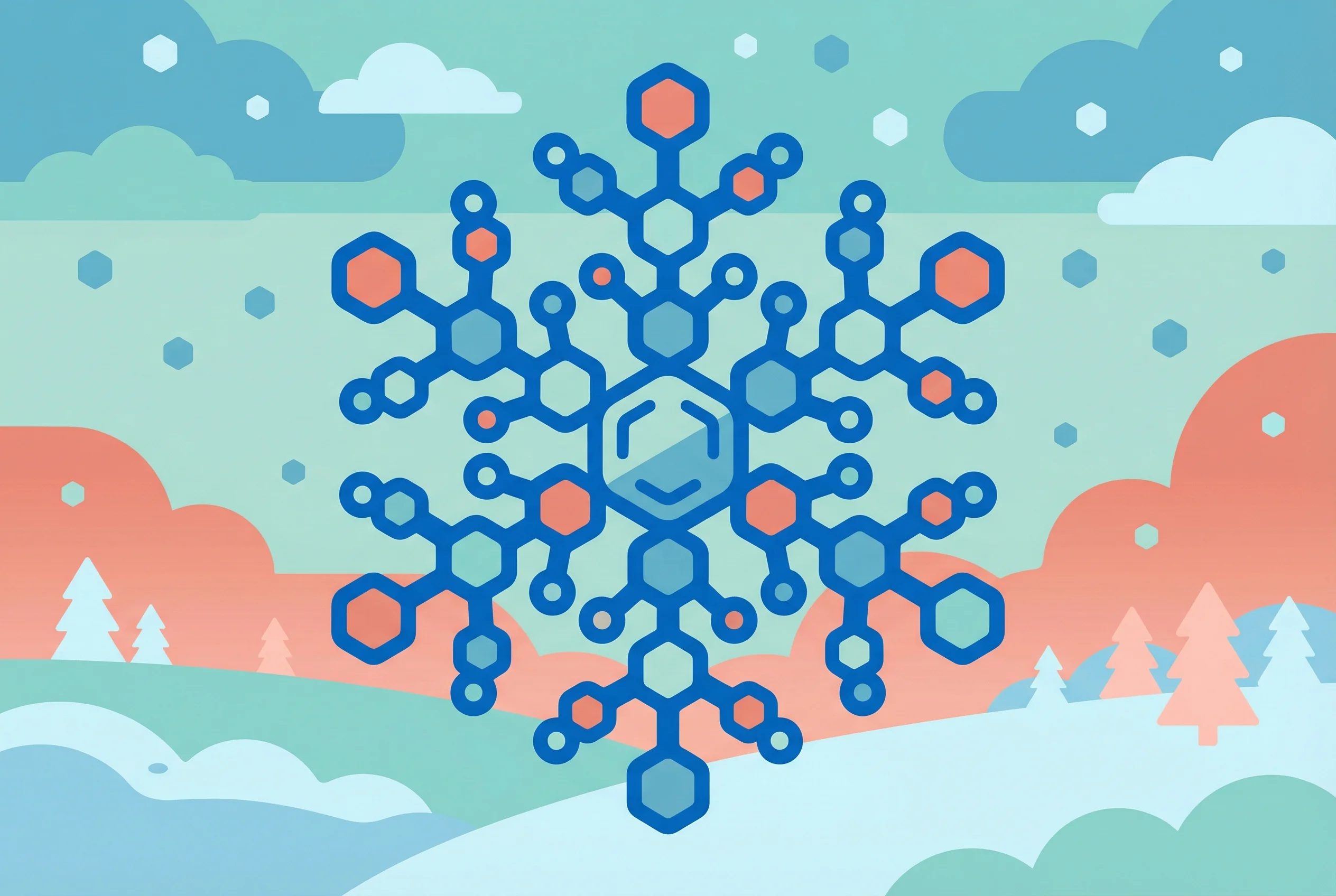
AWater molecules bond hexagonally
✓Correct — Water molecules bond at 120-degree angles due to hydrogen bonding. When ice crystals form, this angle creates six-fold symmetry. Each snowflake branch grows differently based on temperature and humidity it encounters—that's why each is unique!
BSix is nature's lucky number
✗Not quite — Six isn't lucky—it's physics! Water's molecular bonding angle naturally creates hexagonal structures.
CWind creates six-sided patterns
✗Not quite — Wind doesn't create the six-sided shape. The structure is determined by water's molecular bonding angles.
AIncrease signal strength
✗Not quite — More satellites don't strengthen signal. Multiple satellites are needed for trilateration—calculating distance from each to pinpoint your location.
BCover more geographic area
✗Not quite — Constellation coverage matters, but even in one area, your device needs signals from 4+ satellites simultaneously for 3D positioning.
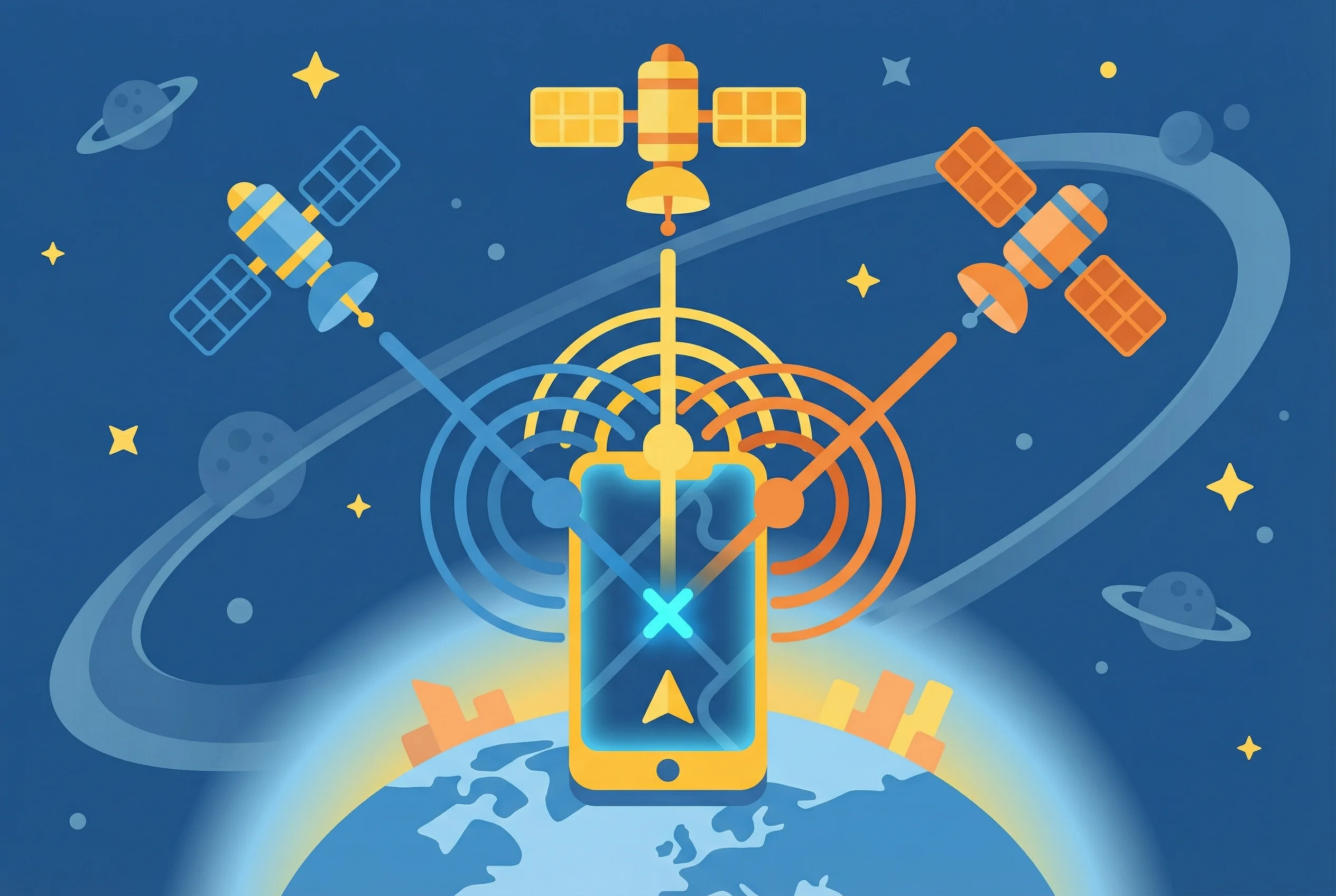
CCalculate precise position
✓Correct — GPS uses trilateration. Each satellite transmits time-stamped signals. Your device calculates distance from signal travel time (light speed). 3 satellites determine 2D position (latitude, longitude), 4th adds altitude. More satellites improve accuracy. The GPS constellation has 24-32 satellites ensuring 4+ are always visible anywhere on Earth. Math requires multiple measurements!
Random Animal Facts That Start a Conversation
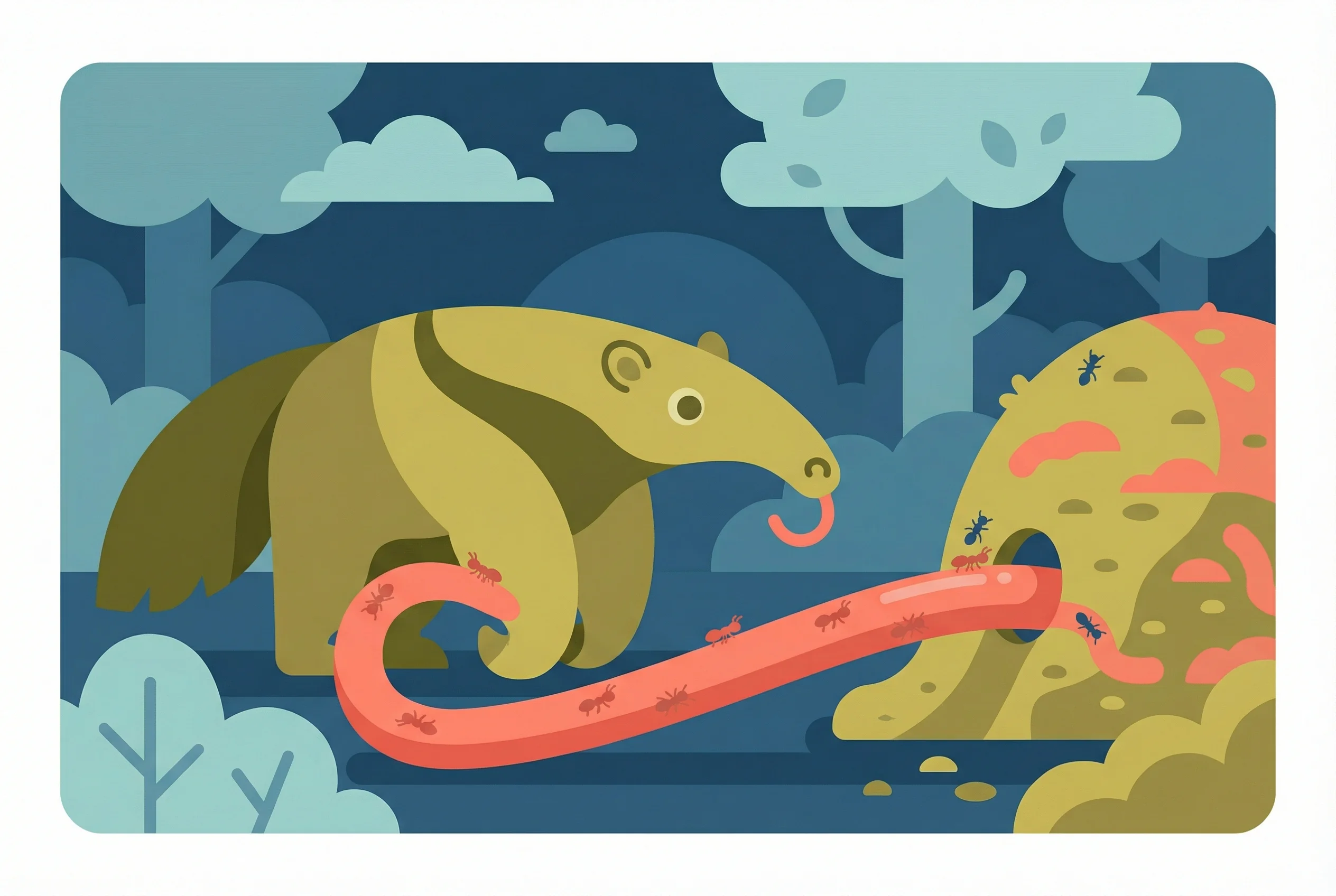
AReaching deep into ant nests
✓Correct — Specialized feeding! Giant anteater tongue: 2ft long! Adaptations: (1) Length—reaches deep into ant/termite tunnels. (2) Sticky saliva—insects adhere to tongue. (3) Rapid flicking—160 times/minute! (4) Attached to sternum—extends far. No teeth—swallows insects whole. Strong stomach grinds food. Eats 30,000 ants/termites daily! Also: powerful claws rip open nests. Narrow snout fits in tunnels. Specialized myrmecophage (ant-eater). Tongue moves so fast it's nearly invisible!
BIt helps regulate body temperature
✗Not quite — Tongue doesn't regulate temperature. It's specialized feeding tool—extremely long and sticky for extracting ants/termites from nests.
CFighting off predators
✗Not quite — Anteaters use powerful claws for defense, not tongues. Long tongue is feeding adaptation—reaching deep into insect colonies.
AEscaping ocean predators
✗Not quite — Ocean has predators, but upstream migration is for reproduction—returning to natal streams to spawn.
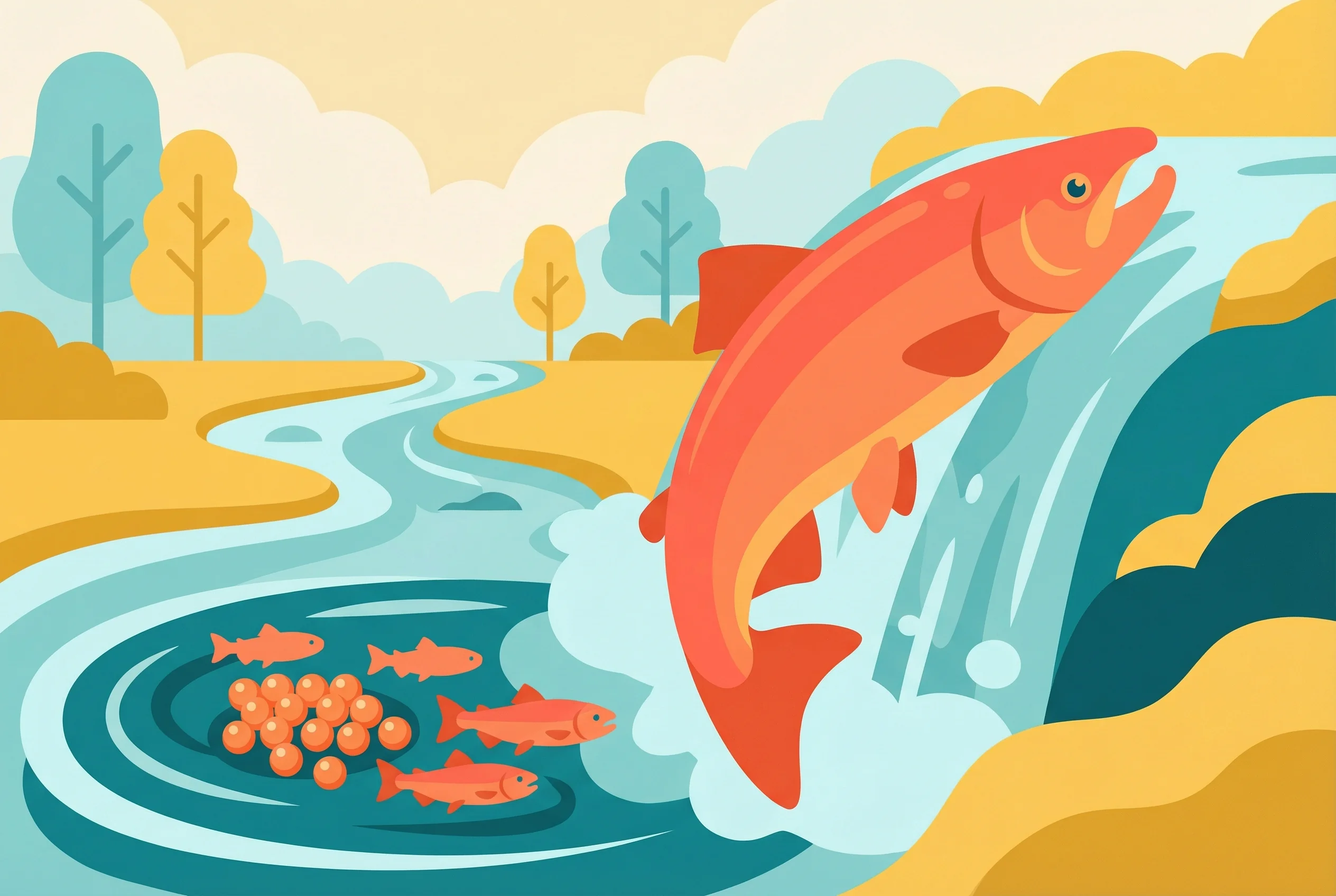
BSpawning in birthplace
✓Correct — Natal homing! Salmon return to birthplace to spawn: (1) Imprinting—remember birth stream's chemical signature. (2) Olfactory navigation—follow scent upstream. (3) best conditions—gravel beds for eggs. Incredible journey: hundreds of miles, swimming against current, jumping waterfalls. Anadromous life cycle—born in freshwater, mature in ocean, return to spawn. Most Pacific salmon die after spawning (semelparous). Exhausting migration—use all energy reserves. Magnetic sense aids ocean navigation!
CSearching for more food
✗Not quite — Salmon don't feed during spawning migration—use stored energy. Upstream journey is reproduction-driven, not foraging.
ACooling system in Arctic
✗Not quite — Arctic doesn't need cooling—needs insulation! White fur provides camouflage. Black skin underneath actually absorbs heat.
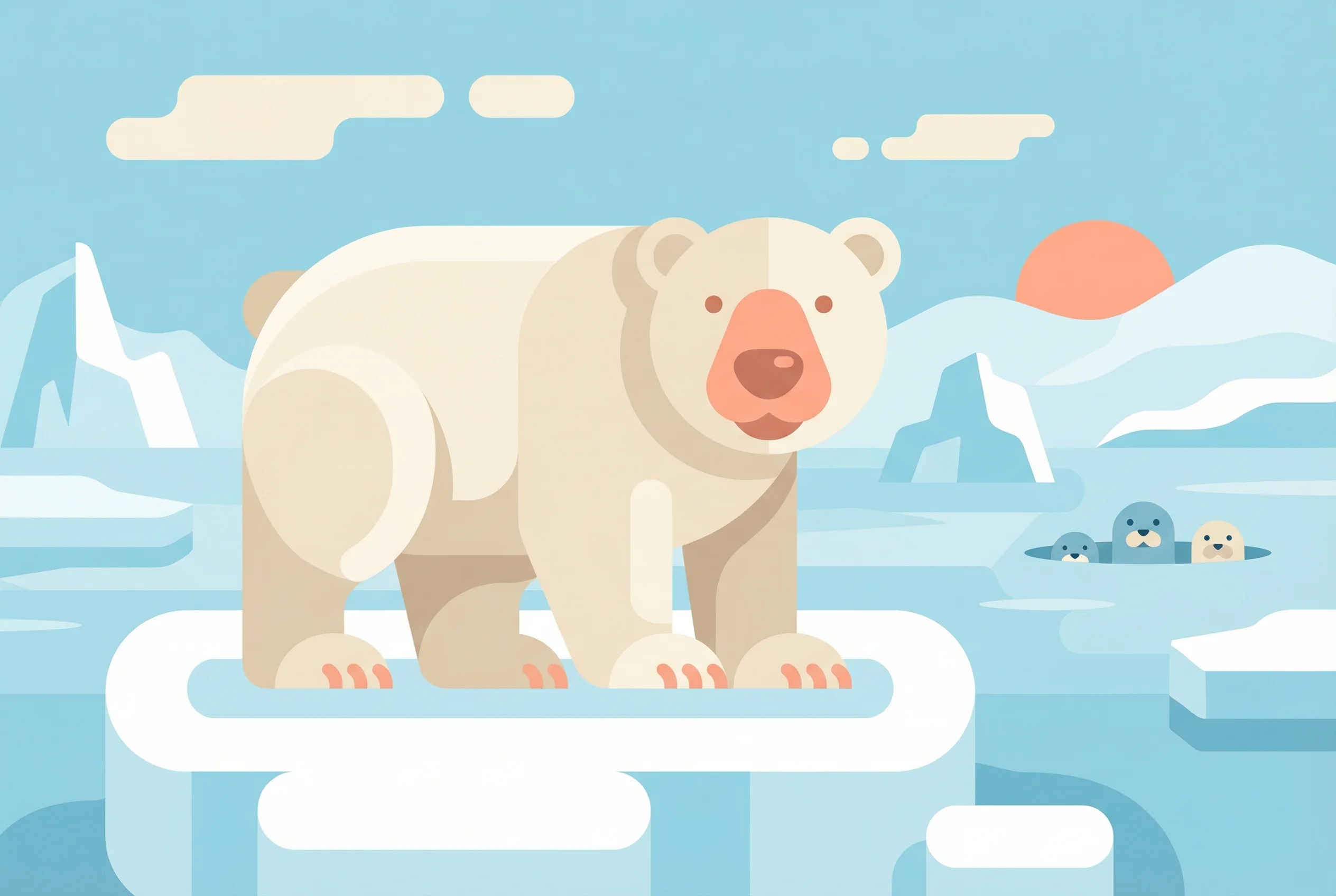
BCamouflage in snow and ice
✓Correct — Arctic camouflage! Polar bear fur appears white: (1) Camouflage—blends with snow/ice during seal hunting (stalking). (2) Individual hairs are transparent, hollow—scatter light (appears white). (3) Skin underneath is black—absorbs heat. Fur isn't actually white—light reflection creates color. Can appear yellow/brown from oxidation/algae. Dense undercoat + guard hairs insulate. Cubs born with white fur. Excellent stealth predator—seals don't see approach!
CWhite attracts prey animals
✗Not quite — White doesn't attract prey—it conceals predator. Polar bears hunt seals, using white fur as camouflage on ice.
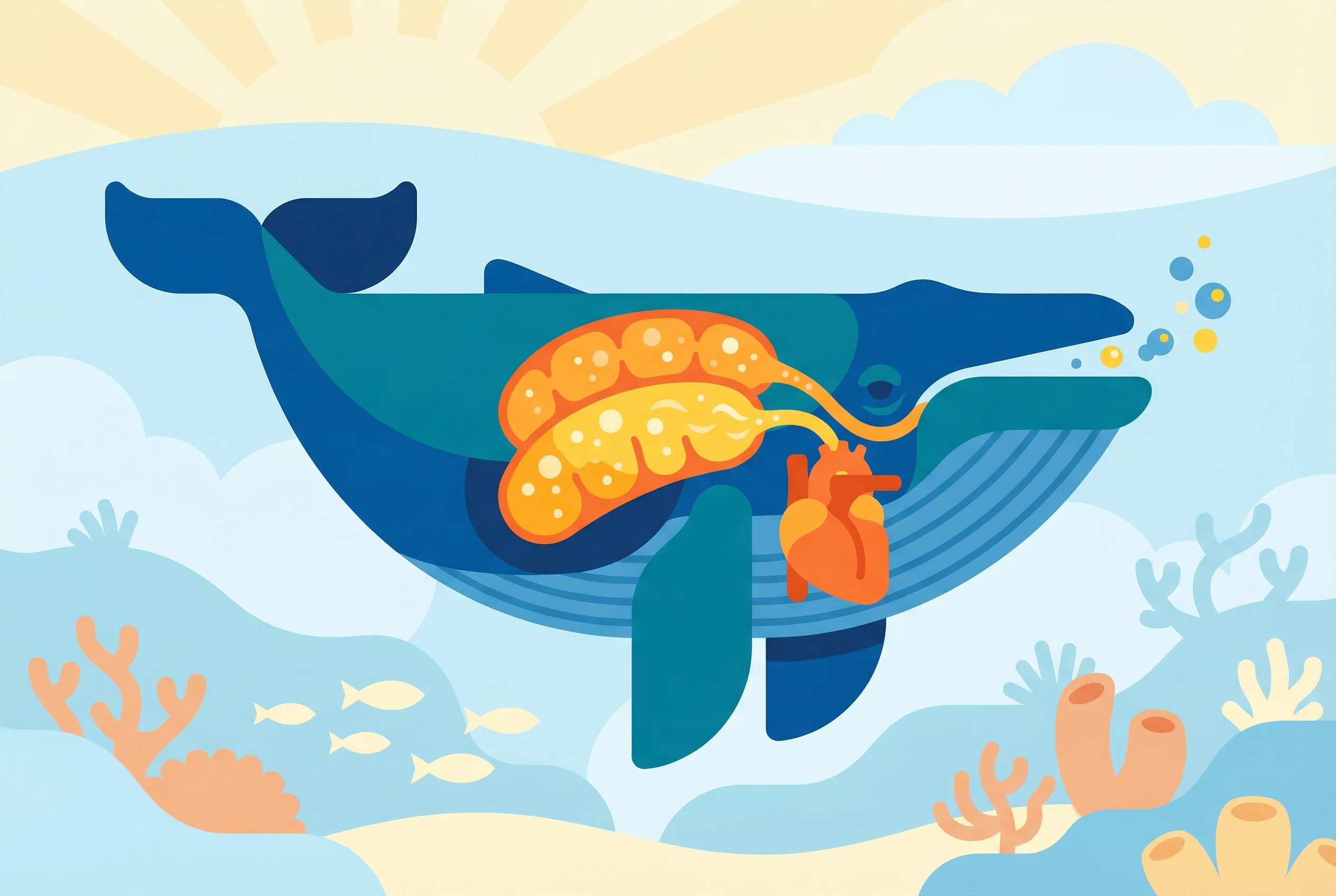
AMyoglobin stores extra oxygen
✓Correct — Whales have high levels of myoglobin, a protein that stores oxygen in muscles. They also slow their heart rate dramatically during dives—some to just 2 beats per minute!
BThey breathe underwater slowly
✗Not quite — Whales are mammals and cannot breathe underwater at all. They must surface to breathe air through their blowholes.
CTheir blood has more iron
✗Not quite — While blood carries oxygen, the key is myoglobin in muscles. This protein stores oxygen for use during long dives when they can't breathe.
Random Science Facts You Can Picture Fast
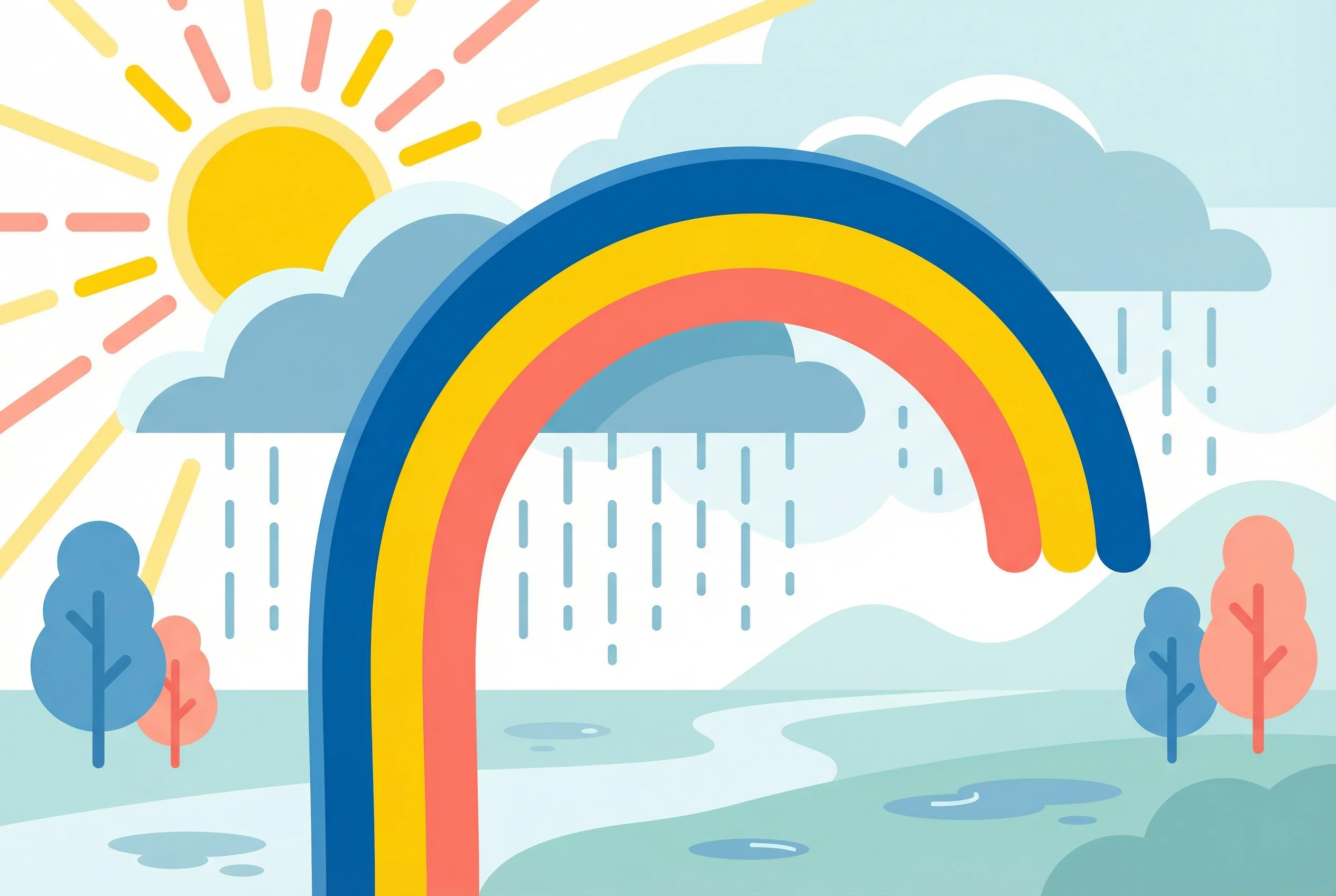
AWater droplets refract sunlight
✓Correct — Light refraction and dispersion! Rainbows form when: (1) Sunlight enters raindrop—refracts (bends). (2) Disperses—different wavelengths bend differently (red least, violet most). (3) Reflects off back of droplet. (4) Exits droplet—refracts again. (5) Separated colors reach eyes. Conditions needed: sun behind observer, rain ahead. Rainbow angle: 42° from antisolar point. Double rainbows—second reflection inside droplet (reversed colors). Circular rainbow (from airplane). Moonbows exist! Each person sees unique rainbow—depends on viewing angle. ROYGBIV order!
BClouds reflect colorful light
✗Not quite — Rainbows form inside individual raindrops—sunlight refracts, disperses into colors, then reflects back to observer's eyes.
CChemical reaction in rainwater
✗Not quite — No chemical reaction—purely physical optics. Light refracts and disperses through water droplets, separating into visible spectrum.
ADistance makes light flicker
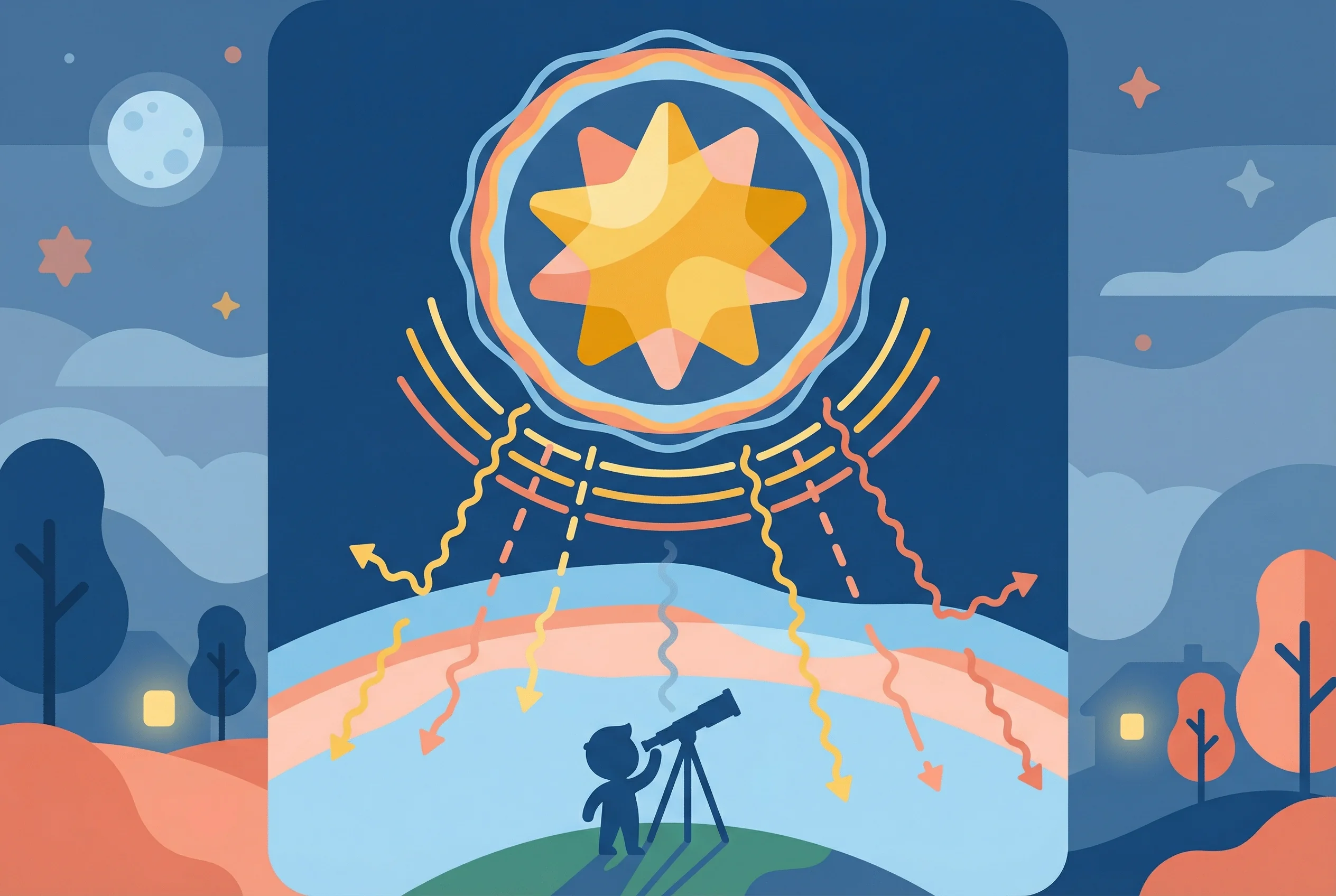
✗Not quite — Distance doesn't cause twinkling. Atmospheric turbulence does—moving air pockets of different temperatures/densities bend light differently, creating twinkle.
BSpace dust blocks starlight
✗Not quite — Dust can dim starlight, but twinkling comes from atmospheric turbulence—moving air with varying density randomly bending light paths.
CAtmosphere turbulence bends light
✓Correct — Twinkling (scintillation) occurs when starlight passes through Earth's turbulent atmosphere. Moving pockets of air with different temperatures and densities bend light slightly differently, causing rapid brightness/position changes. Planets don't twinkle much because they're closer—larger apparent size averages out the atmospheric effects. Astronomers build telescopes on mountains to reduce atmospheric turbulence!
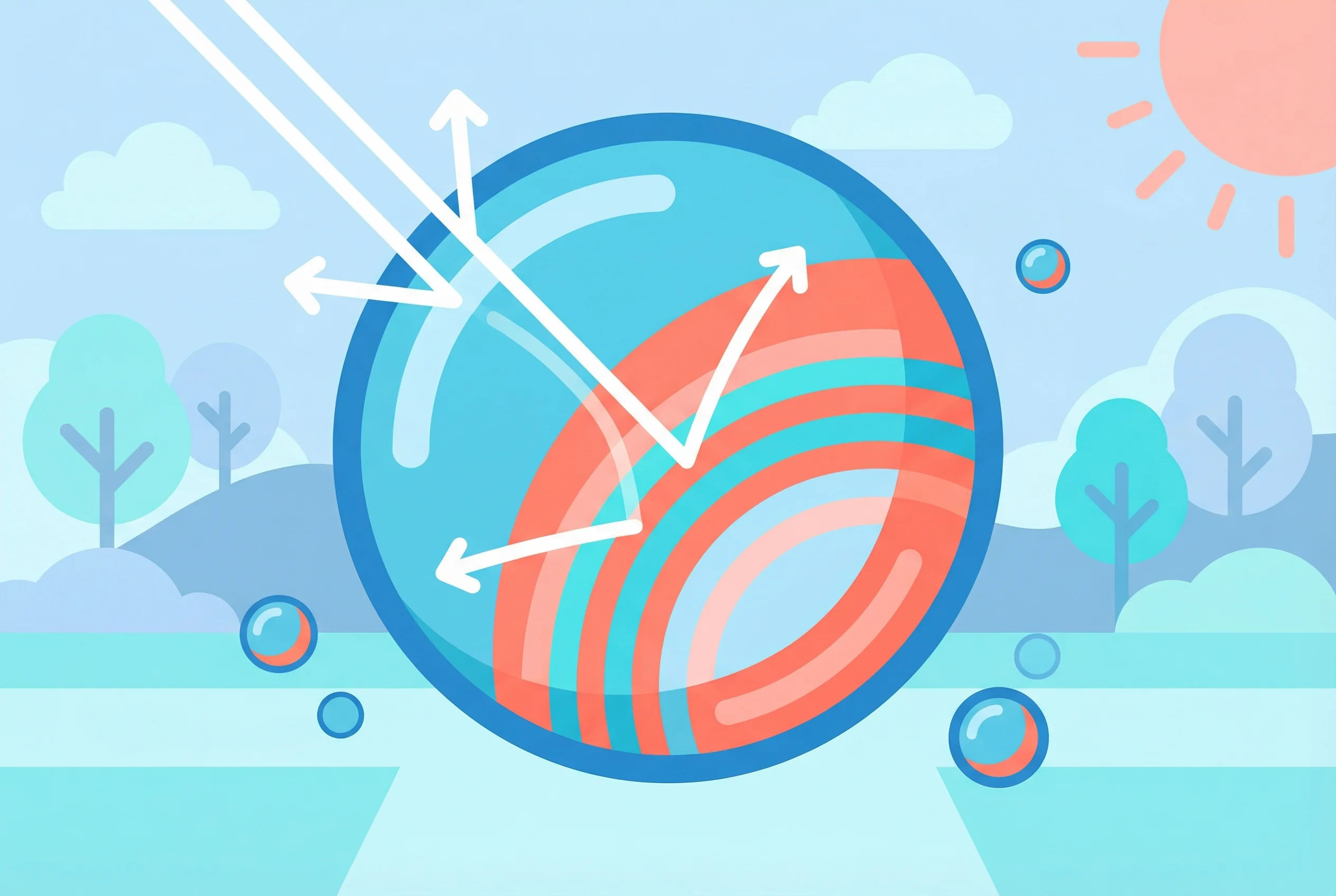
AThin film interference patterns
✓Correct — Thin film interference! Bubble wall has two surfaces (front and back). Light reflects from both—waves recombine. Film thickness (wavelength-scale) determines which colors constructively interfere (brighten) vs destructively interfere (cancel). Thickness varies across bubble—different areas show different colors. As bubble thins, colors shift (thicker=red, thinner=blue/violet). Just before popping, bubble appears black (too thin for visible light interference). Oil slicks show same phenomenon!
BWater refracts like prism
✗Not quite — Water can refract, but bubble colors are interference pattern from light waves reflecting off front/back surfaces, not dispersion.
CLight bounces multiple times
✗Not quite — Multiple reflections occur, but colors arise from interference—waves from front and back surfaces combining constructively or destructively.
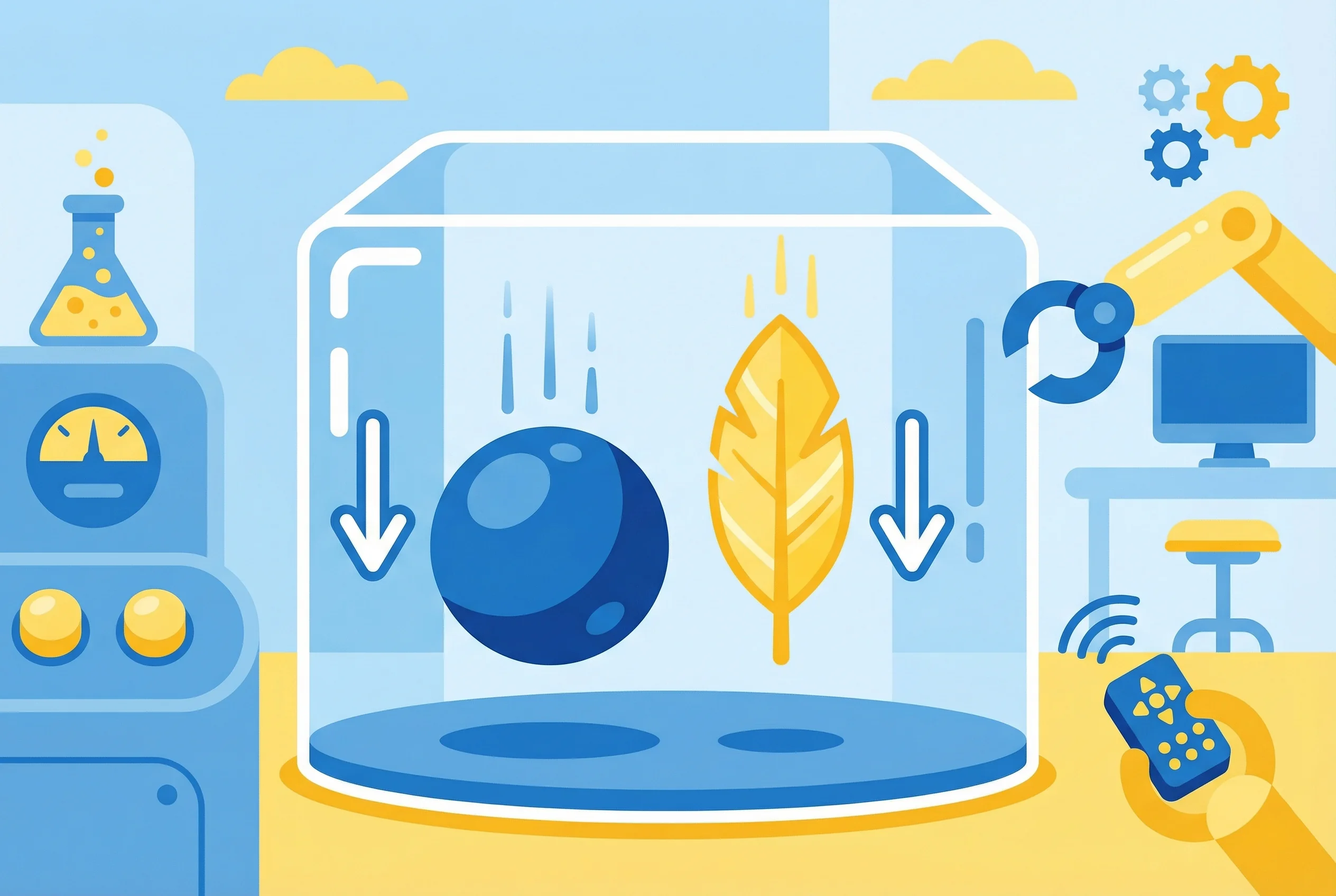
AAir resistance equalizes them
✗Not quite — Air resistance actually makes lighter objects fall slower (feathers vs. Rocks). Without air, all objects fall at same rate—Galileo's discovery!
BGravity accelerates all equally
✓Correct — Gravity accelerates all objects equally regardless of mass—9.8 m/s² on Earth. Heavier objects experience more force (F=mg) BUT also have proportionally more inertia (resistance to acceleration). F=ma, so a=F/m=g (mass cancels!). Apollo 15 astronaut dropped hammer and feather on Moon (no air)—fell together! Galileo proved this centuries ago from Leaning Tower of Pisa (probably apocryphal story, but concept correct)!
CWeight doesn't affect motion
✗Not quite — Weight (gravitational force) does affect motion, but it's perfectly balanced by mass (inertia), resulting in constant acceleration for all objects.
Random Historical Facts and Human Systems
AShared irrigation systems required precise coordination between farms
✓Correct — Japanese rice paddies used terraced fields where water flowed from higher to lower plots. Each farmer controlled water gates that affected downstream neighbors. If one person used too much water or released it at the wrong time, entire villages could face crop failure. This physical interdependence made cooperation (wa) essential for survival, not just a philosophical ideal. Communities developed detailed schedules and rules for water sharing that required constant communication and compromise.
BRice plants grow better when farmers meditate together in the fields
✗Not quite — The answer is A. Shared irrigation systems required precise coordination between farms. While some agricultural rituals existed, rice plants respond to water, sunlight, and nutrients, not human meditation. The practical need for 'wa' came from the engineering reality.
CAncient emperors mandated teamwork through religious ceremonies
✗Not quite — The answer is A. Shared irrigation systems required precise coordination between farms. Though emperors influenced culture, 'wa' developed organically from farming communities facing shared challenges. The terraced paddy system meant water management required.
AThese are the brightest colors
✗Not quite — The answer is B. Red is visible from far away. Red, yellow, and green aren't the brightest colors—white or yellow are actually brightest. These specific colors were chosen for other reasons: red was already used for 'stop' in.
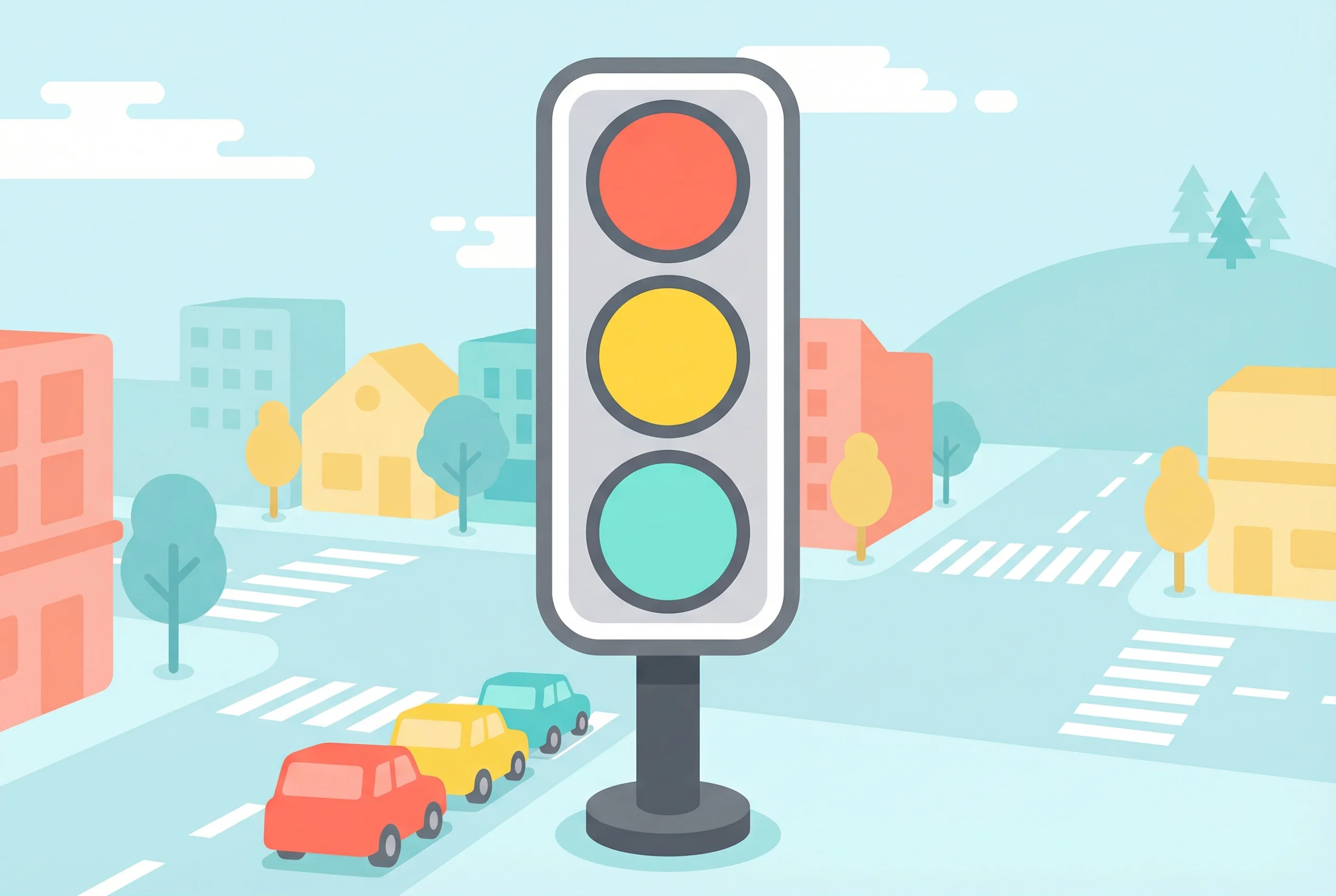
BRed is visible from far away
✓Correct — Red light has the longest wavelength of visible light, so it scatters less in atmosphere and fog, remaining visible from greater distances. This is important for 'stop' signals. Red was already used for 'danger/stop' in railroads before cars existed. Green (shortest visible wavelength) meant 'safe/go.' Yellow/amber was added later as a transition warning. This color system is now standardized worldwide.
CInternational law requires it
✗Not quite — The answer is B. Red is visible from far away. While there are international standards (Vienna Convention on Road Signs and Signals), countries chose red-yellow-green before international law formalized it. The colors emerged.
ATo prevent subscribers from canceling between weekly episodes
✓Correct — This is called the 'binge model' and it is a strategic business decision. When episodes release weekly, subscribers might watch the show, cancel their subscription, then re-subscribe months later for the next season. By releasing all episodes at once, streaming services keep subscribers engaged and paying continuously. Netflix pioneered this model with 'House of Cards' in 2013, creating 'appointment viewing' events where everyone watches together, generating buzz and making the subscription feel essential. Studies show binge-release reduces monthly churn by 5-15% compared to weekly releases.
BBecause it costs less to upload all episodes simultaneously
✗Not quite — The answer is A. To prevent subscribers from canceling between weekly episodes. Uploading costs are essentially the same whether episodes go up all at once or weekly - the total data transferred is identical. In fact, weekly releases can be slightly easier on.
CTo reduce server load by spreading viewing across the month
✗Not quite — The answer is A. To prevent subscribers from canceling between weekly episodes. Actually, the opposite is true! When entire seasons drop at once, millions of subscribers rush to watch simultaneously, creating massive server spikes on release day. Weekly.
Random Facts You Can Test Yourself Right Now
AThe balloon becomes electrically charged and attracts the wall
✓Correct — When you rub the balloon on your hair, electrons transfer from your hair to the balloon, making it negatively charged. This charged balloon then attracts positive charges in the wall through a process called 'electrostatic induction', causing it to stick. This is the same force that makes your hair stand up or causes a spark when you touch a doorknob in winter.
BThe rubbing makes the balloon surface sticky and adhesive
✗Not quite — The answer is A. The balloon becomes electrically charged and attracts the wall. The rubbing does not make the balloon sticky or adhesive. If you touch the balloon after rubbing, you will notice it feels the same as before - smooth and rubbery, not sticky. The.
CThe balloon heats up and melts slightly to grip the wall
✗Not quite — The answer is A. The balloon becomes electrically charged and attracts the wall. The balloon does not heat up enough to melt or change its surface. Rubber balloons require very high temperatures (over 180 degrees Celsius) to melt, and rubbing generates only a.
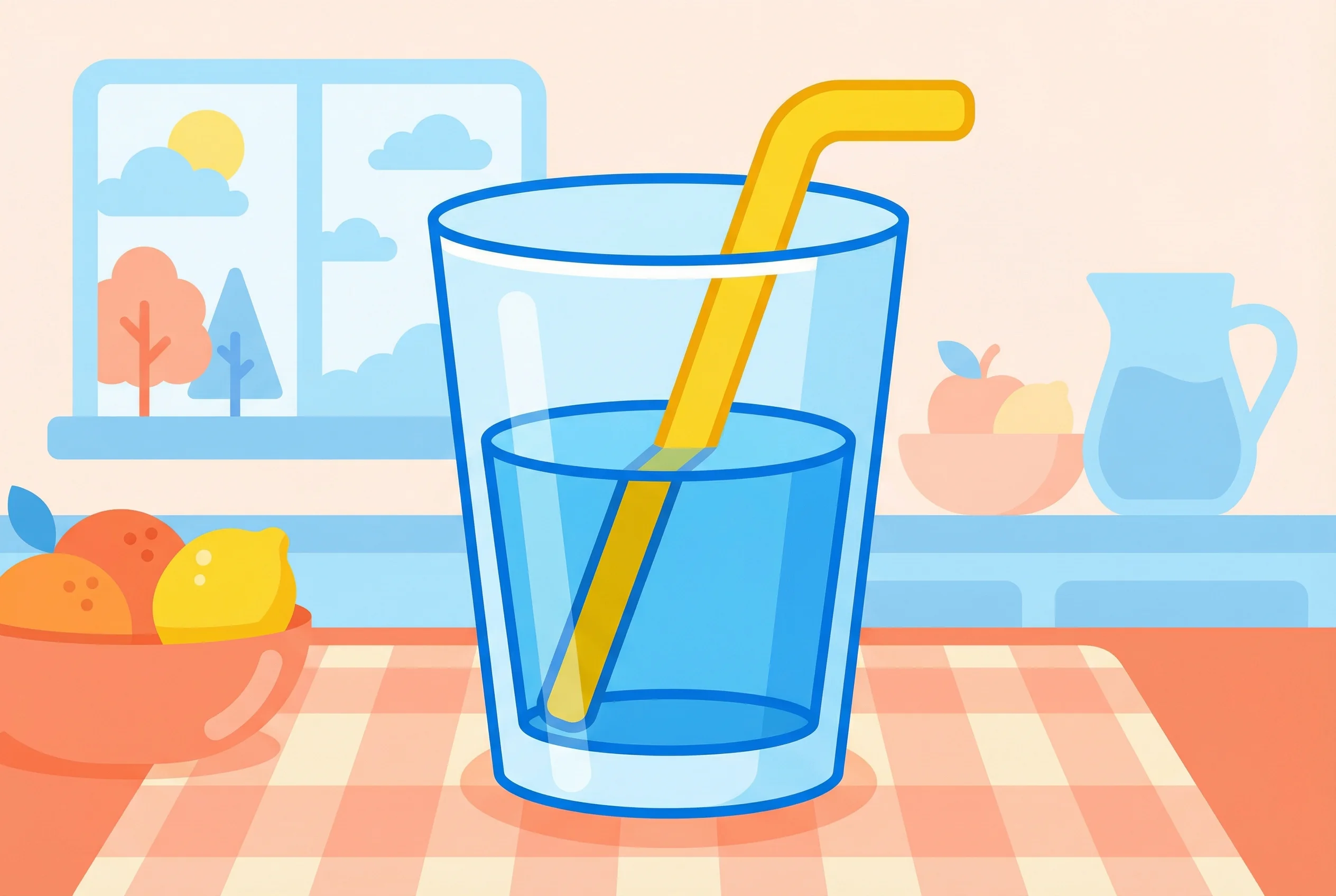
AWater pressure bends the straw
✗Not quite — The straw isn't actually bent. It appears bent because light refracts (bends) when crossing from water to air, changing the angle we see.
BEyes see underwater differently
✗Not quite — Eyes work the same. The bent appearance is real optical refraction—light changes direction crossing from water to air due to density difference.
CLight refracts at water surface
✓Correct — Light travels at different speeds in different materials. When light from the submerged part travels from water to air, it bends (refracts) because air is less dense. This makes the underwater portion appear offset from the above-water portion. It's refraction—light bending at interfaces!
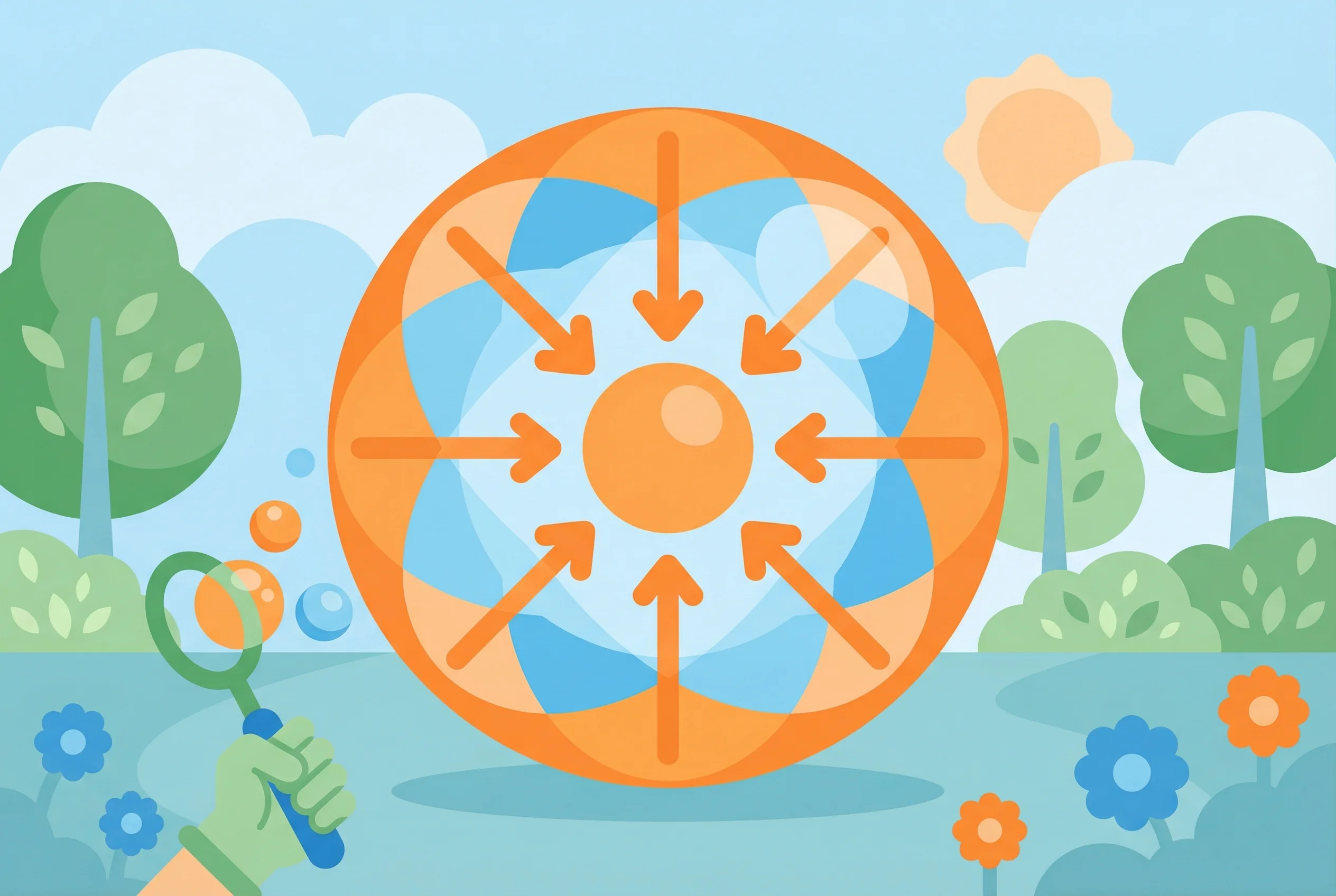
ASurface tension minimizes area
✓Correct — Surface tension pulls the soap film into the smallest possible shape for a given volume—a sphere. This minimizes surface energy, which is why free-floating bubbles are always round!
BAir inside pushes equally
✗Not quite — While air pressure is equal inside, it's surface tension that creates the spherical shape.
CGravity pulls them round
✗Not quite — Gravity actually distorts bubbles slightly. In zero gravity, bubbles are even more perfectly spherical.
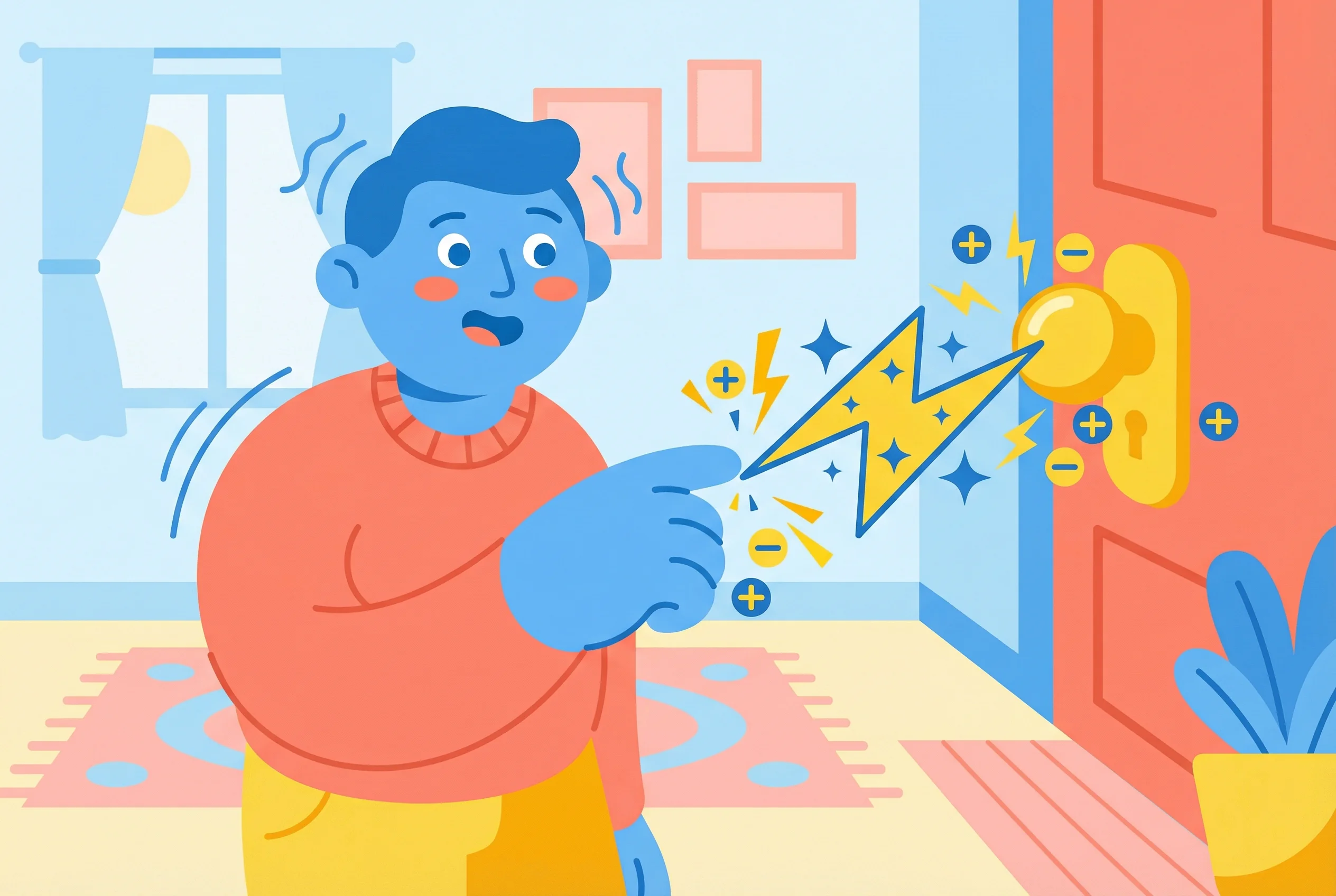
AStatic discharge to conductor
✓Correct — Static electricity discharge! Walking on carpet transfers electrons to your body—you become charged (up to thousands of volts!). Touch metal doorknob (electrical conductor connected to ground)—electrons rapidly flow from you to ground through metal. Fast discharge = brief current spike = shock! Spark visible in dark (ionized air). Humidity reduces shocks (moisture conducts charge away slowly). Touch grounded metal first (keys) to discharge safely. Synthetic clothes worse than cotton!
BElectrons flow from metal
✗Not quite — Electrons flow FROM your body TO metal (ground). You're charged from friction; metal provides discharge path.
CChemical reaction with skin
✗Not quite — No chemical reaction. Shock is electrostatic discharge—accumulated electrons on body flowing rapidly to ground through conductive metal.
Random Trivia Questions and Answers
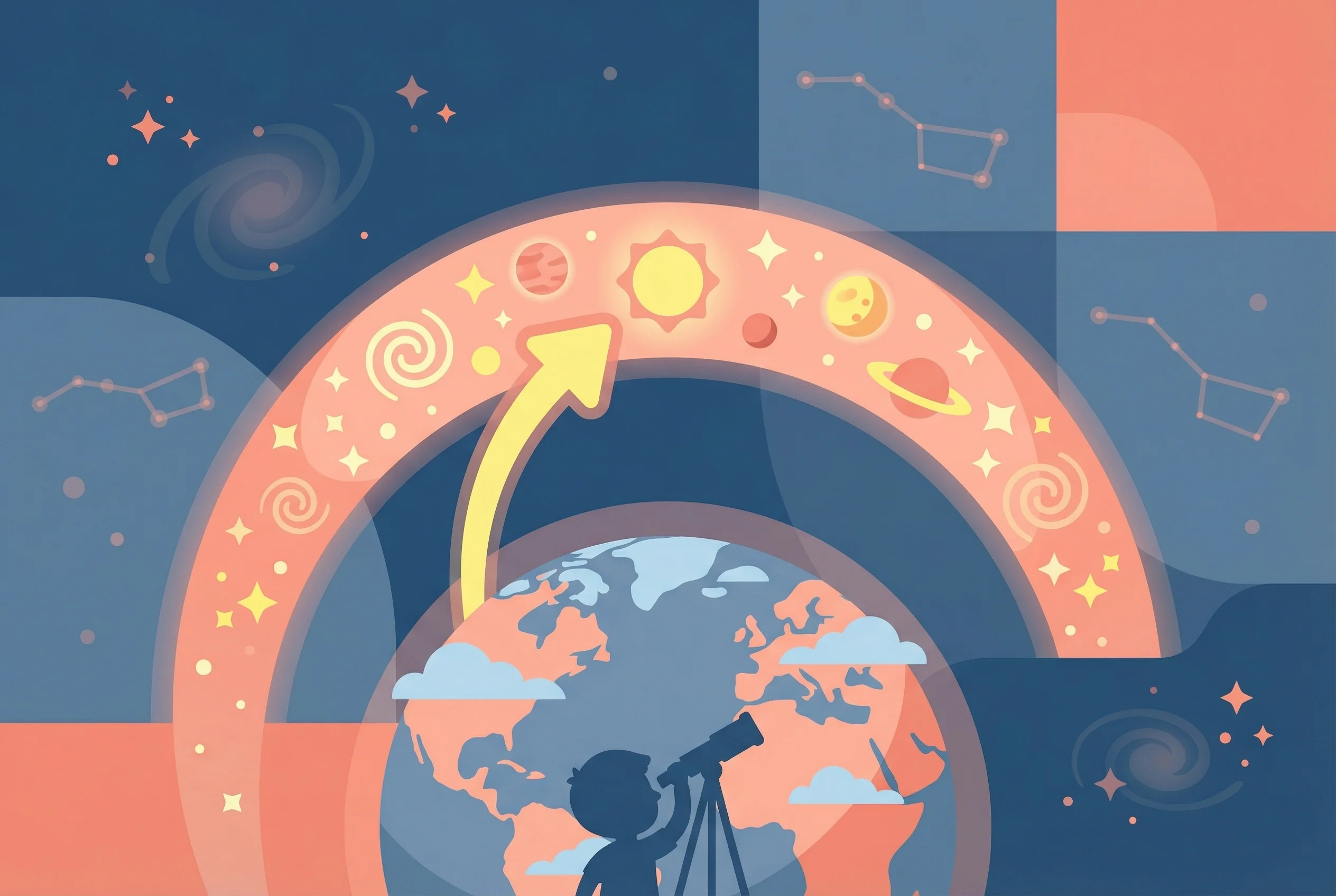
AWe are inside it
✓Correct — The Milky Way is our galaxy—we're inside it! The band of light we see is looking edge-on through the galactic disk (100,000 light-years across). We're in a spiral arm ~26,000 light-years from the center. Dense star concentrations appear as milky band across the night sky. Best viewed from dark locations away from light pollution. Ancient cultures saw it as celestial river!
BIt's brightest galaxy
✗Not quite — We see the Milky Way brightly because we're inside it—viewing our own galaxy from within. Other galaxies appear dimmer due to distance.
CReflects sunlight to Earth
✗Not quite — Galaxies don't reflect sunlight—they emit light from billions of stars. We see the Milky Way because we're part of it.
AEarth rotates 365 times yearly
✗Not quite — Earth actually rotates about 366 times during one orbit of the Sun, not 365. We count 365 days because a 'day' is based on the Sun's position in the sky, which is affected by Earth's orbit as well as rotation.
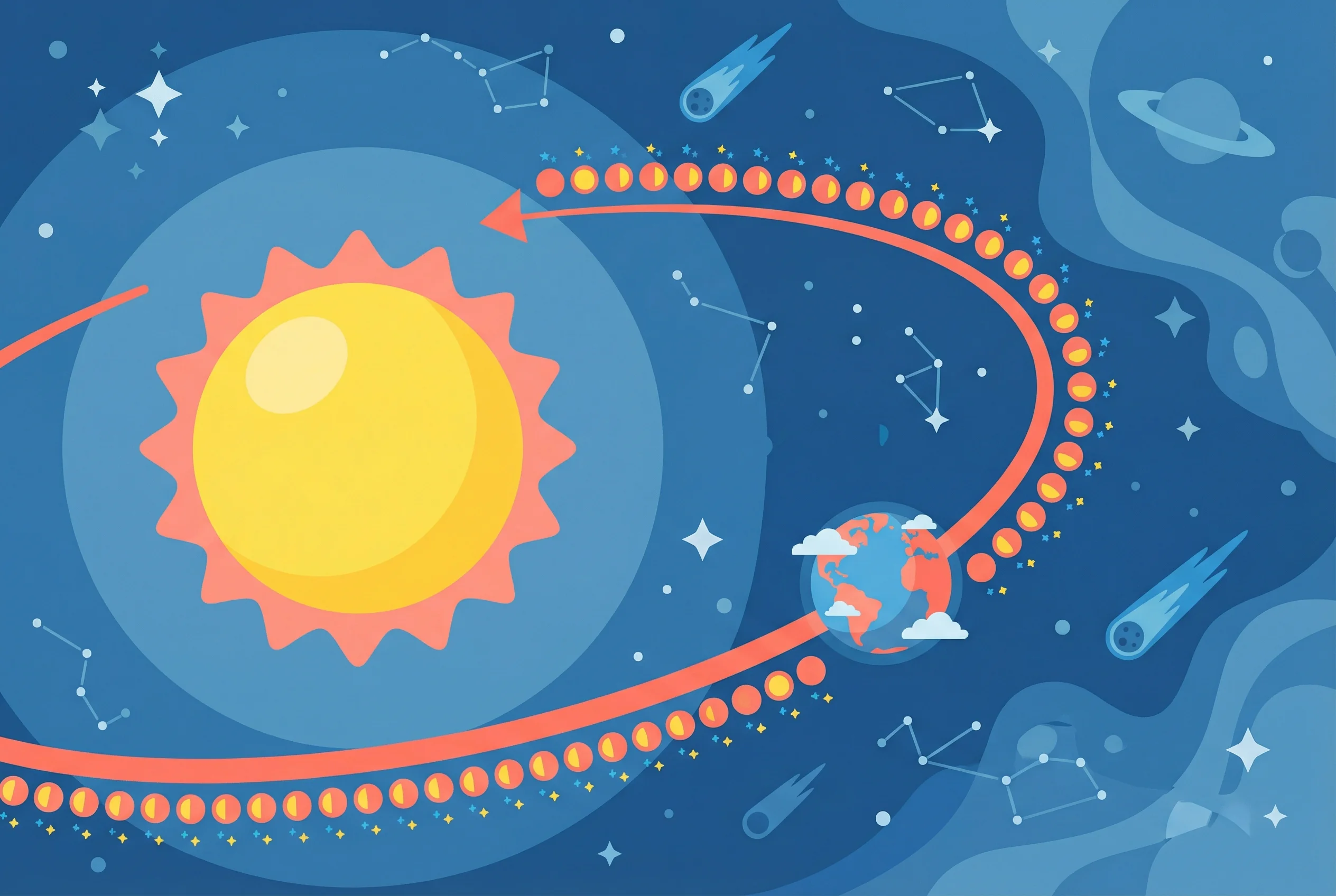
BTime for Earth to orbit the Sun
✓Correct — A year is defined by how long Earth takes to complete one full orbit around the Sun - approximately 365.25 days. This is determined by Earth's orbital distance (93 million miles) and speed (67,000 mph). We round to 365 days for convenience, adding a leap day every 4 years to account for the extra 0.25 days. This orbital period is a natural astronomical fact, not a human invention.
CThe Moon's cycle determines it
✗Not quite — The Moon's cycle (29.5 days) doesn't determine Earth's year. Some ancient calendars were lunar-based, but Earth's year is determined by its orbit around the Sun. The Moon's orbit around Earth and Earth's orbit around the Sun are independent cycles.
ATo prevent copy-pasting passwords
✗Not quite — Special characters don't prevent copying. They increase password entropy—more possible combinations, making brute-force attacks harder.
BSlow down typing speed
✗Not quite — Slowing typing isn't the goal. Special characters expand the character set (letters + numbers + symbols), exponentially increasing cracking time.
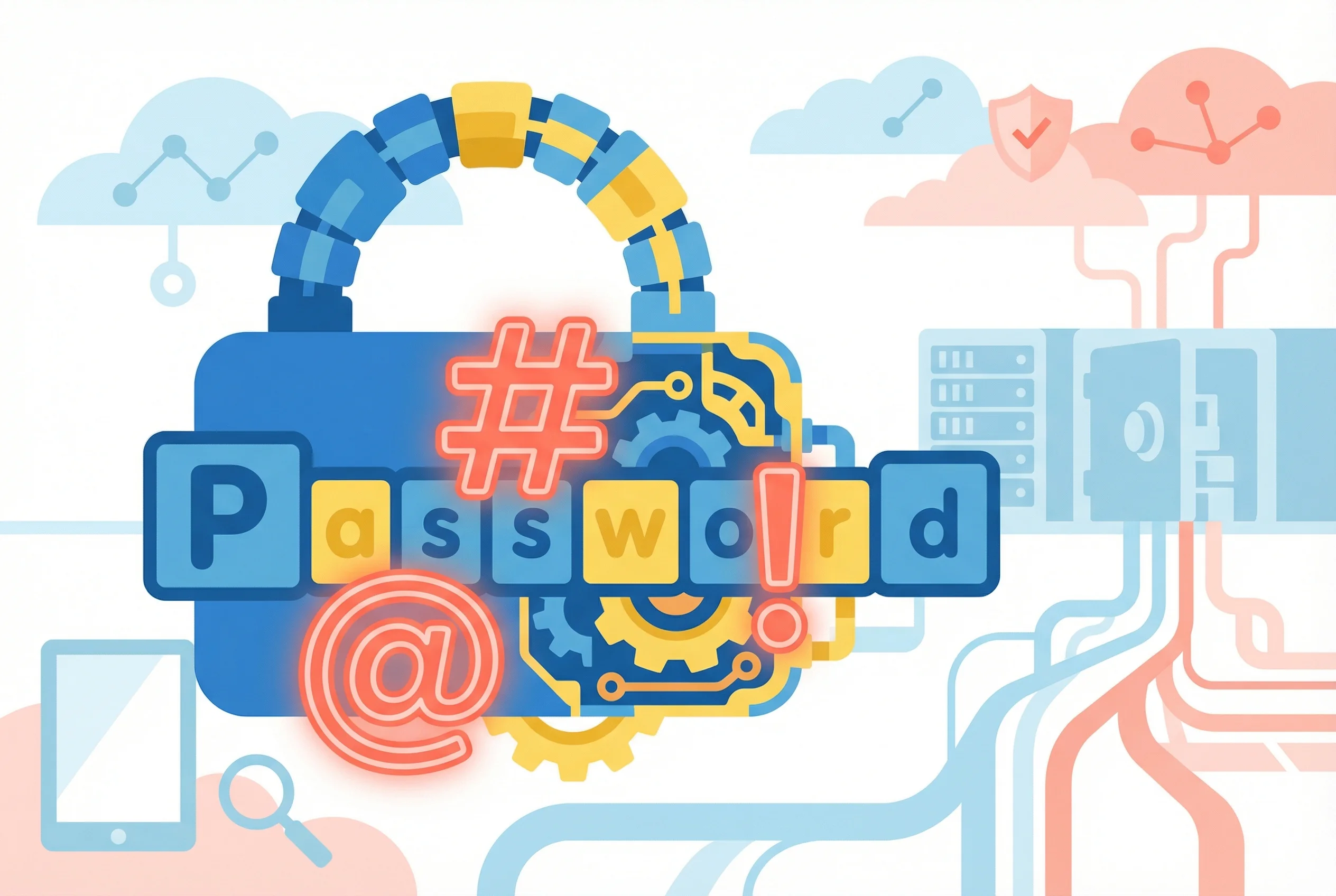
CIncrease cracking difficulty
✓Correct — Password strength depends on entropy—possible combinations. Using only lowercase (26 chars): 8-char password = 26^8 combos. Adding uppercase, numbers, symbols (~94 chars): 94^8 combos—thousands of times stronger! Special characters prevent dictionary attacks (common words) and brute force. Modern recommendations: length matters most (12+ chars), but character variety helps. Password managers handle complexity!
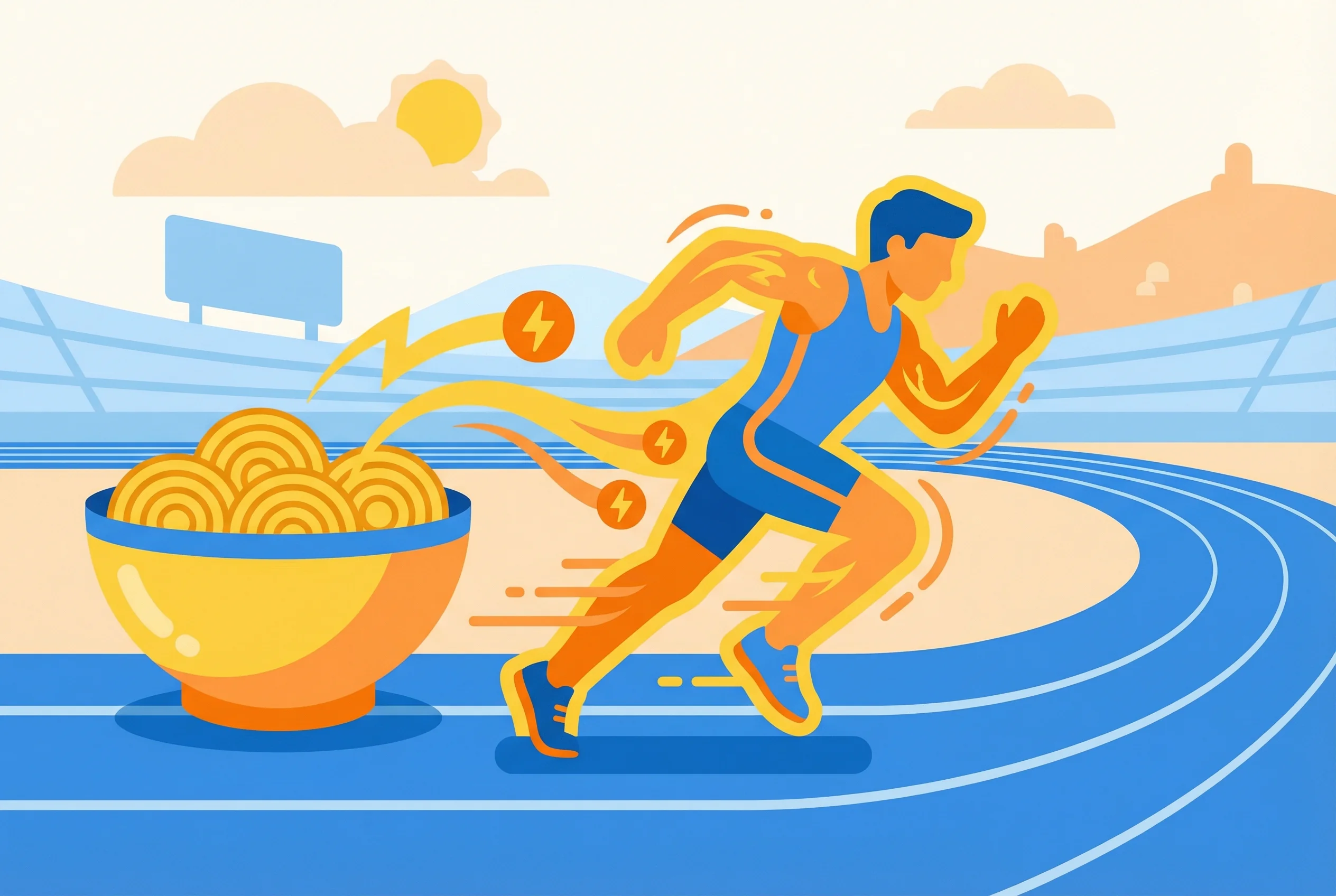
AStores glycogen for energy
✓Correct — Glycogen storage! Carbohydrates convert to glucose → stored as glycogen in muscles and liver. During endurance exercise (>90 min), body depletes glycogen—'hitting the wall' (fatigue). Carb-loading (eating extra carbs 2-3 days before): maximizes glycogen stores (~2× normal). More fuel = better endurance performance! Marathon runners, cyclists benefit most. Not useful for short events (<90 min). Modern protocol: 8-12g carbs/kg body weight. Also drink fluids—glycogen binds water (3g water per 1g glycogen)!
BIncreases muscle mass quickly
✗Not quite — Carbs don't build muscle—protein does. Carb-loading stores glycogen (fuel) for endurance, not muscle growth.
CBoosts protein synthesis
✗Not quite — Protein drives synthesis, not carbs. Carbohydrates store as glycogen—primary fuel for prolonged exercise preventing fatigue.
Random Facts That Change Your Perspective
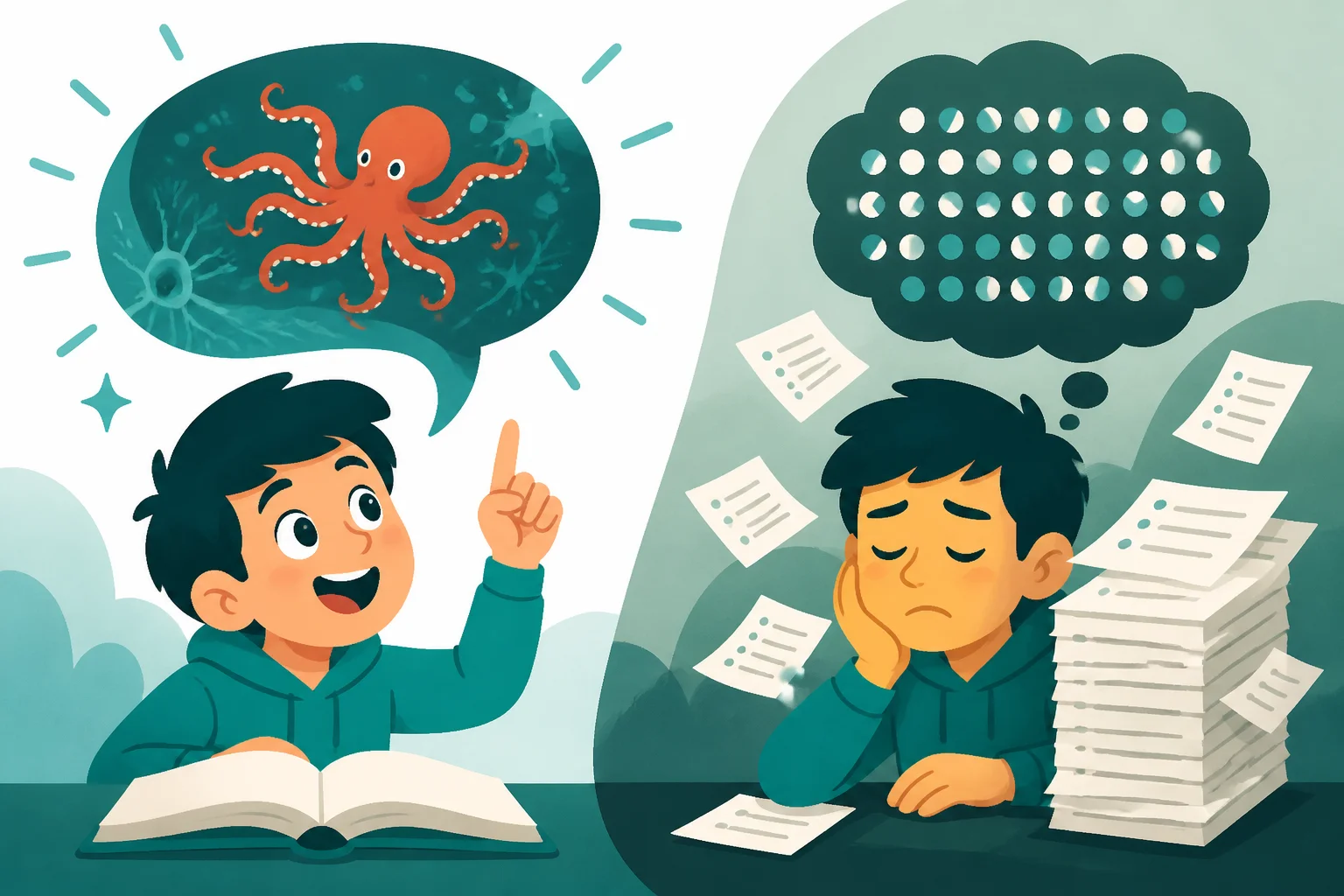
ABrain cells are too tightly packed, blocking fluid flow
✓Correct — During sleep, brain cells shrink by about 60%, creating channels for cerebrospinal fluid to rush through and wash away toxic proteins like beta-amyloid. When awake, cells are swollen and tightly packed, leaving almost no space for this cleaning process. It's like trying to mop a crowded room versus an empty one.
BThe cleaning fluid only gets produced during sleep
✗Not quite — The answer is A. Brain cells are too tightly packed, blocking fluid flow. Cerebrospinal fluid is produced continuously throughout the day and night by structures called choroid plexuses in the brain. The fluid itself is always present, but during.
CBlood pressure is too high to allow gentle cleaning
✗Not quite — The answer is A. Brain cells are too tightly packed, blocking fluid flow. While blood flow patterns do change between sleep and wakefulness, blood pressure is not the limiting factor for brain cleaning. The glymphatic system uses cerebrospinal fluid,.
AThe endowment effect makes us value things more once we own them
✓Correct — The endowment effect is a powerful cognitive bias discovered by behavioral economist Richard Thaler. Research shows that people typically demand 2-3 times more money to give up an item they own compared to what they would pay to acquire the same item. This happens because ownership creates an emotional attachment and loss aversion - losing something feels worse than the pleasure of gaining it. This effect influences everything from why we keep clutter to how we negotiate prices.
BPeople assume their used items are cleaner than store-bought ones
✗Not quite — The answer is A. The endowment effect makes us value things more once we own them. Cleanliness perceptions do not explain this phenomenon. The endowment effect occurs even with brand new items that have just been given to someone moments earlier - before any use.
COwners know secret features about the item that buyers do not
✗Not quite — The answer is A. The endowment effect makes us value things more once we own them. The endowment effect occurs even when items are completely identical and standardized, with no special features to discover. Experiments use mass-produced items like coffee mugs.
APeople tend to stick with default options and avoid making active decisions
✓Correct — This is called the 'default effect' in behavioral economics. Research shows people have a strong tendency to stick with pre-selected options, even for life-and-death decisions. In opt-out systems (like Austria at 99%), you are automatically a donor unless you decline. In opt-in systems (like Germany at 12%), you must actively register. Most people support donation but never get around to signing up, demonstrating how powerful inertia and default settings are in shaping our choices.
BOpt-out countries have better medical education about organ donation
✗Not quite — The answer is A. People tend to stick with default options and avoid making active decisions. While education matters, studies show countries with similar education levels have vastly different donation rates based solely on their default system. Austria and Germany have.
CPeople in opt-out countries are naturally more generous and altruistic
✗Not quite — The answer is A. People tend to stick with default options and avoid making active decisions. Surveys show people in both opt-in and opt-out countries have similar attitudes toward organ donation - most approve of it. The dramatic difference in rates is not due to cultural.
ALoss aversion makes us add items to avoid 'losing' free shipping
✓Correct — This leverages 'loss aversion' - a core principle in behavioral economics. When your cart shows $45, you feel you're about to 'lose' the free shipping benefit, creating urgency to add $5 more. Studies show people are 2-3 times more motivated to avoid losses than to gain equivalent benefits. The threshold creates an artificial goal that feels wasteful not to reach.
BPeople are bad at calculating percentage discounts quickly
✗Not quite — The answer is A. Loss aversion makes us add items to avoid 'losing' free shipping. While mental math can be challenging, this isn't the main reason. Many stores display the final price clearly, yet free shipping thresholds still outperform discounts. The real.
CShipping costs are always higher than the discount amount
✗Not quite — The answer is A. Loss aversion makes us add items to avoid 'losing' free shipping. Often shipping costs are $5-10 while a 10% discount on a $50 purchase saves the same or more. The effectiveness isn't about actual math - it's pure psychology. The 'free shipping'.
Frequently Asked Questions
What are good random facts for conversations?
The best ones are short enough to say out loud and deep enough to answer a follow-up. A fact about snowflakes, traffic lights, or why your brain cleans itself during sleep gives people somewhere to go next.
What is the difference between random facts and random trivia?
Random facts usually lead with the surprising statement. Random trivia turns that statement into a playable question with choices, an answer, and a little explanation.
How do I know random facts are true?
Look for a mechanism. If a fact cannot explain why it happens, treat it as a loose claim. The cards here keep the answer and the explanation together.
Can random facts help you learn something real?
Yes, when they close a real gap. A ten-second answer will not replace a course, but it can give your curiosity a new handle and make the next question easier to ask.
What does this have to do with AIgneous Million Whys?
Million Whys turns scattered curiosity into a feed of playable questions. The point is not to cram facts; it is to let small answers compound into bigger understanding.