Biology quiz questions and answers can sound like revision, but this set is not built as exam prep. It is biology as a set of tiny closures: why your heart speeds up, why a cold makes food flat, why yeast lifts bread, why bitter taste varies, and why some animals rebuild what humans scar over. If you want one live question at a time, start with Trivia Question of the Day; for neighboring body rounds, try Human Body Trivia and Fun Facts About Human Body.
What Your Cells Are Doing Right Now
AIt maintains electrical signals across 86 billion neurons continuously
✓Correct - Your brain contains about 86 billion neurons that must maintain electrical charges across their membranes 24/7. Each neuron constantly pumps ions (sodium and potassium) to stay 'charged' and ready to fire signals. This is like keeping 86 billion tiny batteries charged at all times. Additionally, neurons communicate through trillions of synapses, each requiring energy for neurotransmitter production, release, and recycling. All this electrical and chemical activity demands about 20% of your body's oxygen and glucose, even though the brain weighs only about 1.4 kg (roughly 2% of body weight). This makes the brain the most energy-hungry organ per unit of weight in your entire body.
BIt generates body heat to keep your head warm
✗Not quite - While the brain does produce some metabolic heat as a byproduct of its intense activity, this is not its primary energy function. The brain is actually quite sensitive to temperature and needs to stay cool - which is why fever can cause confusion. The skull and scalp actually help dissipate excess heat away from the brain. The brain's massive energy consumption is for powering neural signals and chemical processes, not heating. If heating were the goal, muscle tissue would be far more efficient at generating warmth through shivering.
CIt stores extra glucose as emergency backup fuel
✗Not quite - The brain actually cannot store glucose for later use - it has almost no glycogen reserves unlike muscles and the liver. The brain depends on a constant supply of glucose from the bloodstream and will begin to malfunction within minutes if blood sugar drops too low (causing confusion, dizziness, or fainting). This is why the brain uses so much energy continuously - it must process everything in real-time without the ability to save energy for later. The high energy consumption is for immediate operations: maintaining neural electrical potentials, transmitting signals, and running metabolic processes.
Answer this question
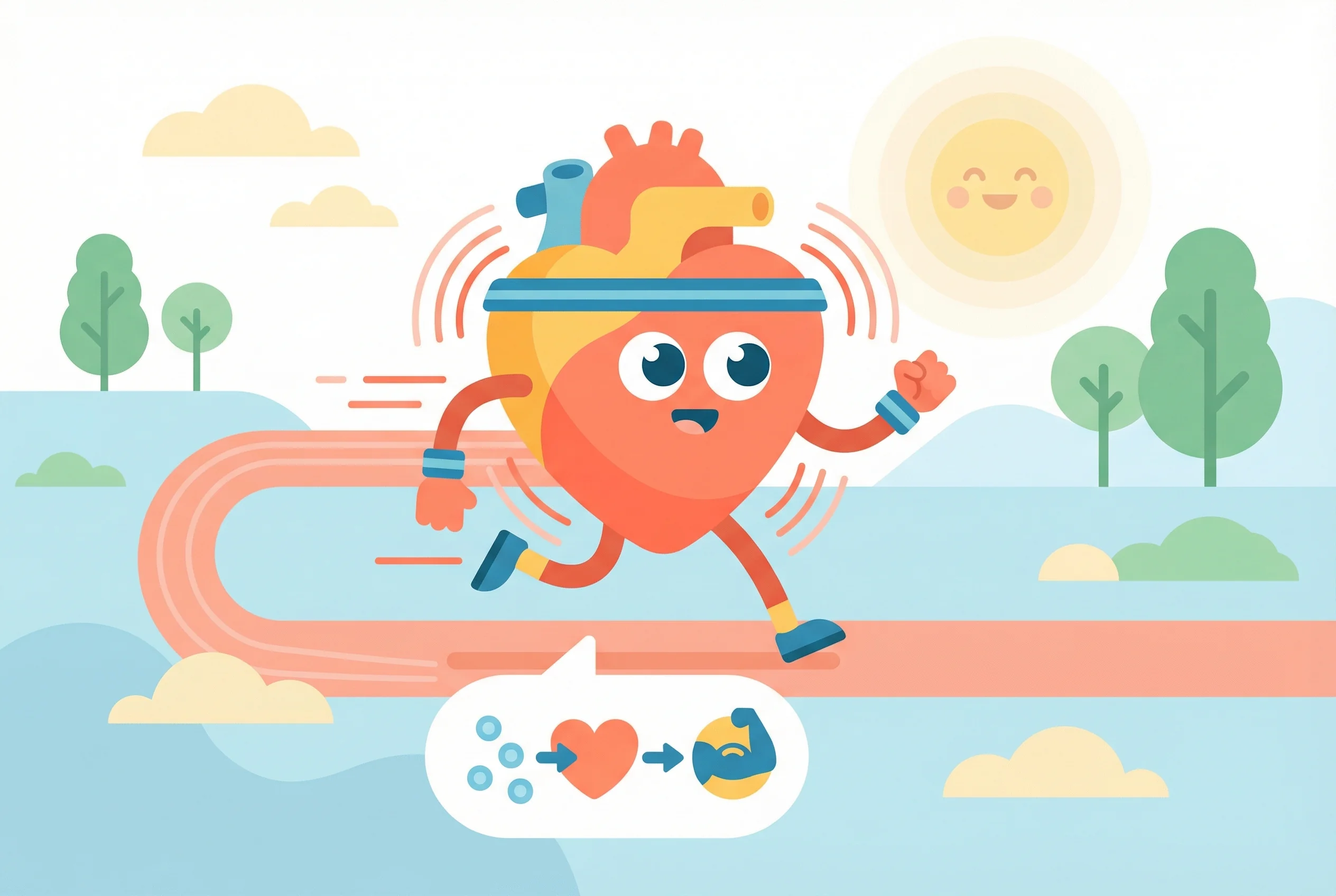
ATo deliver more oxygen to muscles
✓Correct - During exercise, your muscles need more oxygen to produce energy. Your heart beats faster to pump oxygen-rich blood to muscles more quickly. The sympathetic nervous system releases adrenaline, which increases heart rate. Working muscles also produce carbon dioxide that must be removed. Your heart rate can double or triple to meet these demands!
BHeart muscles need warming up
✗Not quite - The heart doesn't beat faster to warm itself up—it's already continuously working. The increased rate is driven by your muscles' oxygen demands, not by the heart's own needs.
CTo remove sweat faster
✗Not quite - Sweat is produced by sweat glands, not the heart. Heart rate increases to pump oxygen-rich blood to muscles and remove metabolic waste like carbon dioxide.
Answer this question
ASalamanders have special stem cells that can rebuild any body part
✓Correct - When a salamander loses a limb, cells at the wound site form a 'blastema' - a mass of stem-like cells that remember the body's blueprint. These cells can become bone, muscle, nerves, or skin as needed. Humans lost this ability millions of years ago as we evolved faster healing through scar tissue formation, which closes wounds quickly but cannot rebuild complex structures.
BSalamanders have simpler bodies with fewer organs to coordinate
✗Not quite - Body complexity is not the limiting factor. Even simple human body parts like fingertips cannot regenerate fully. The real issue is that human cells at injury sites quickly form scar tissue instead of transforming into regenerative blastema cells. Our immune system also attacks cells trying to revert to embryonic states, seeing them as potential threats.
CSalamanders live in water which provides healing minerals
✗Not quite - Water environment does not enable regeneration. Many terrestrial animals like certain lizards can regrow tails, while many aquatic mammals like whales cannot regenerate limbs. The key difference is cellular: regenerating animals maintain pluripotent cells throughout life that can differentiate into multiple tissue types when needed.
Answer this question
Blood, Breath and Heat
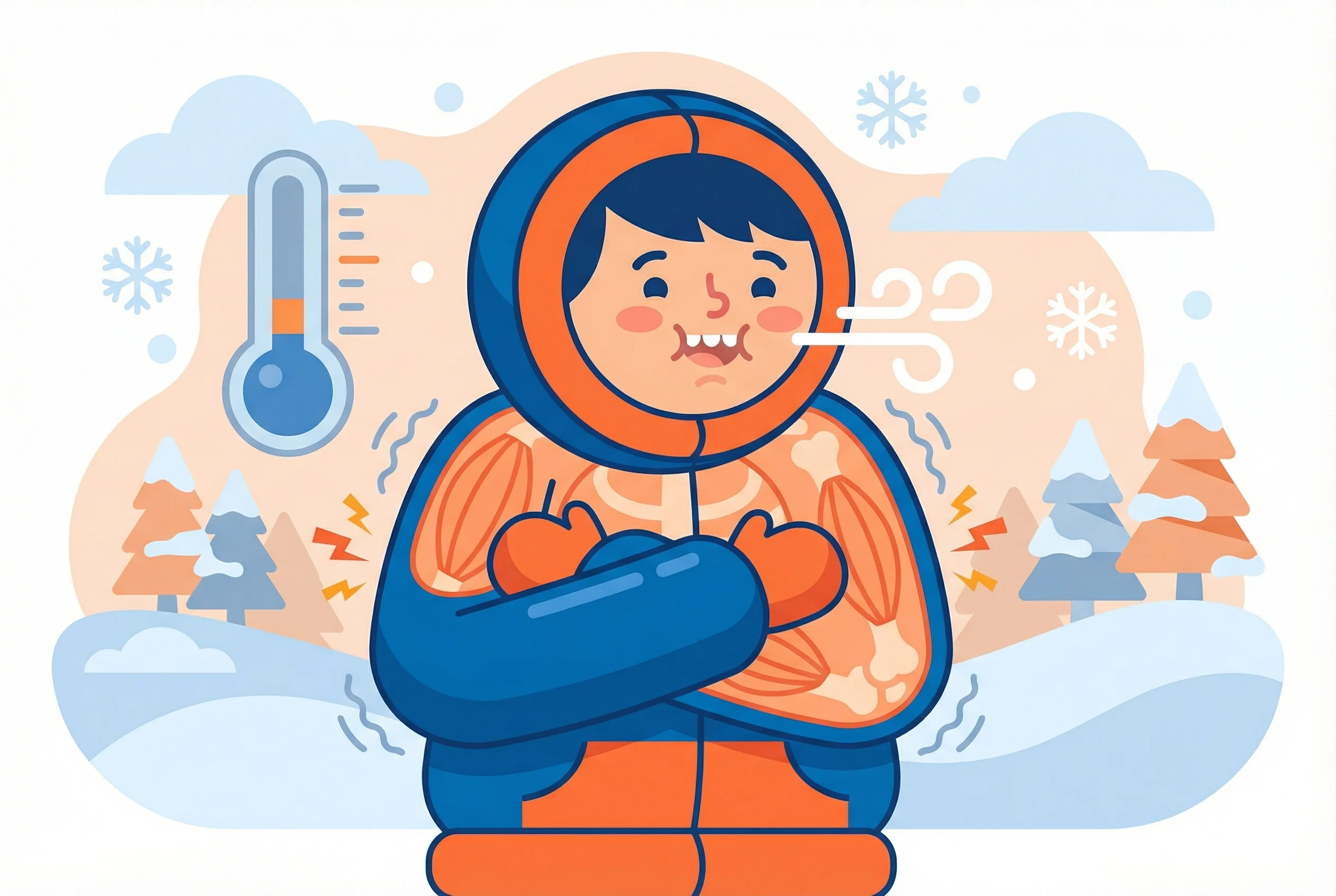
AMuscles contract to generate heat
✓Correct - Shivering is your body's automatic response to cold, controlled by the hypothalamus. When body temperature drops, your brain triggers rapid muscle contractions. These involuntary movements burn energy and generate heat through friction and metabolic activity. Shivering can increase heat production by up to five times, helping maintain your core temperature at 98.6°F (37°C).
BNerves are misfiring from cold
✗Not quite - Shivering isn't a nerve malfunction—it's a precisely controlled warming mechanism. The hypothalamus deliberately triggers muscle contractions to generate heat through metabolic activity.
CMuscles tense to conserve heat
✗Not quite - Simple muscle tension doesn't generate significant heat. Shivering involves rapid, repeated muscle contractions that burn energy and produce heat as a byproduct, actively warming the body.
Answer this question
ASkin needs to stay moisturized
✗Not quite - Sweat actually dries out your skin as it evaporates! Skin moisturization comes from natural oils (sebum), not sweat. Sweating is purely for cooling—the evaporation removes heat from your body.
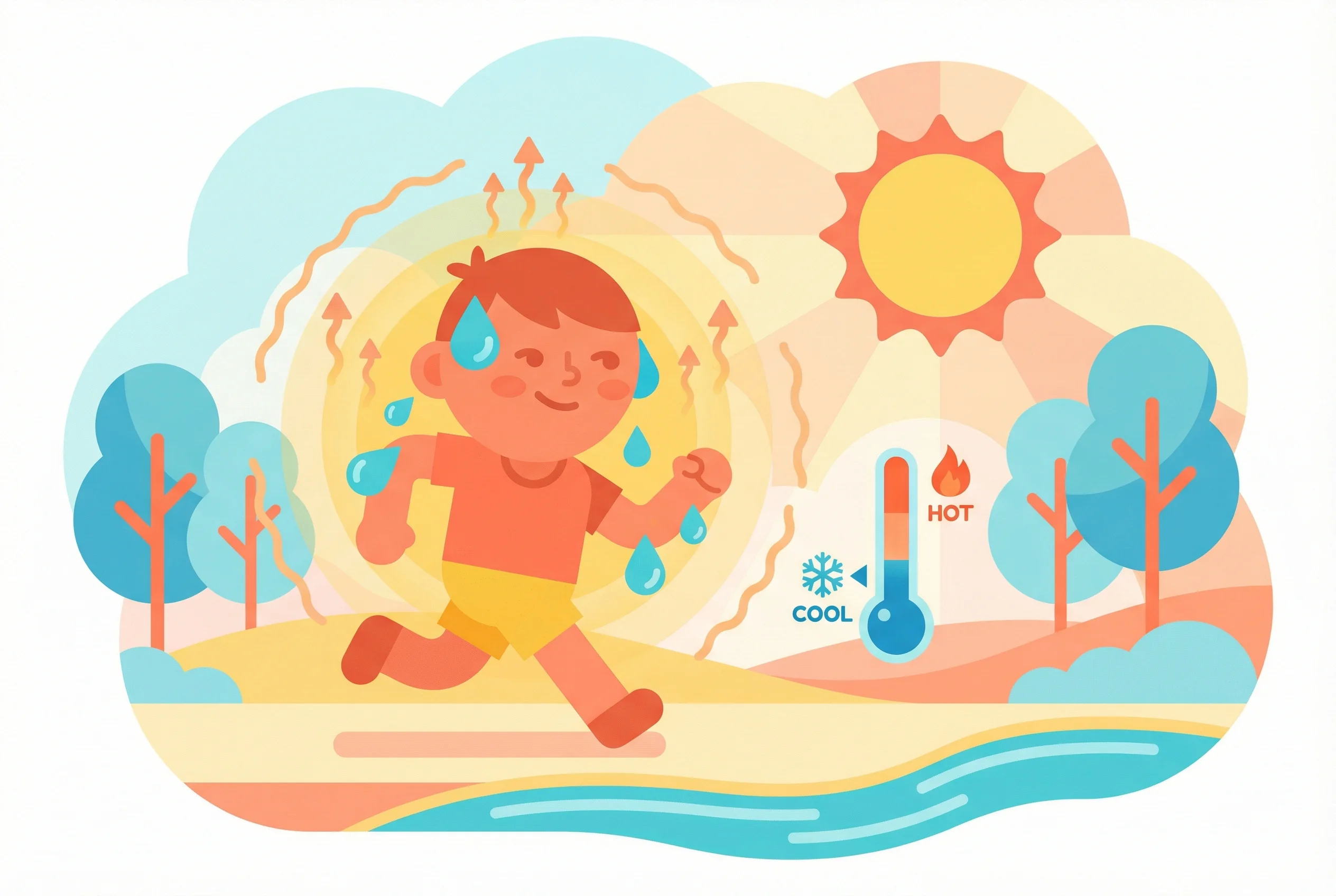
BTo cool body through evaporation
✓Correct - Sweating is your body's air conditioning system. When body temperature rises from exercise or heat, the hypothalamus activates sweat glands. They release water onto your skin surface. As this water evaporates, it absorbs heat energy from your body, cooling you down. You have 2-4 million sweat glands that can produce up to several liters per hour!
CTo ward off insects
✗Not quite - Sweat doesn't ward off insects. It's a thermoregulatory mechanism controlled by the hypothalamus where water evaporates from skin to remove heat when body temperature rises.
Answer this question
AReleasing germs via exhaled carbon dioxide
✗Not quite - Not quite. Carbon dioxide is a gas and does not carry germs. Germs are carried in moisture droplets expelled during coughs. In fact, regular breathing spreads far fewer germs than a single cough, which propels droplets at high speed.
BMixing germs with saliva for better spread
✗Not quite - Almost! Saliva does contain germs, but the key mechanism is the high-speed airflow from the lungs. A cough involves a deep breath and violent contraction of abdominal muscles, propelling droplets at over 100 km/h, far beyond simple mixing.
CExpelling infectious droplets into the air
✓Correct - That's right! Coughing uses your diaphragm and chest muscles to forcefully expel air, carrying tiny germ-filled droplets. These droplets can travel up to 2 meters and linger in the air, making inhalation by others likely.
Answer this question
Genes and Inheritance
ATo identify family members
✗Not quite - Blood types aren't for identification. They exist because of genetic variations in antigens (protein markers) on red blood cell surfaces. Your immune system produces antibodies against antigens you don't have.
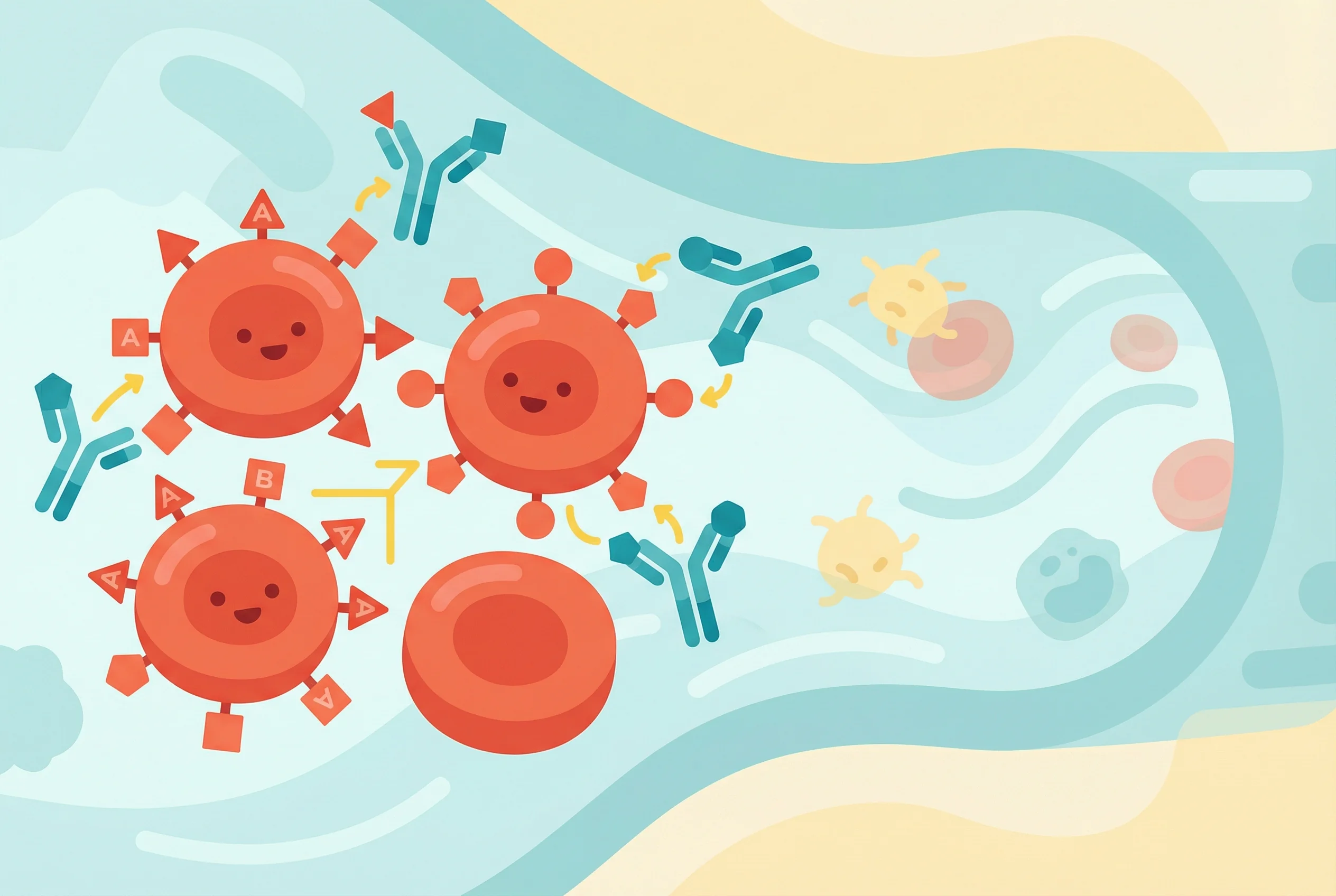
BAntigens on red blood cells vary
✓Correct - Blood types (A, B, AB, O) are determined by antigens - protein markers on red blood cell surfaces. Type A has A antigens, B has B antigens, AB has both, and O has neither. Your immune system makes antibodies against antigens you lack. If incompatible blood is transfused, antibodies attack the foreign cells, causing dangerous clumping. The Rh factor is another antigen system.
CDifferent oxygen capacities
✗Not quite - All blood types carry oxygen equally well using hemoglobin. Blood types differ because of genetic variations in surface antigens on red blood cells, which trigger immune responses if mixed incorrectly.
Answer this question
AA dominant gene controls where hair follicles form during development
✓Correct - The widow's peak is inherited as a dominant genetic trait. A single gene affects how hair follicles are distributed across the forehead during fetal development. If you inherit this gene from even one parent, you'll likely develop the distinctive V-shaped point. This pattern is set before birth and remains throughout life.
BFrequent forehead touching pushes hair follicles into a point over time
✗Not quite - Hair follicle positions are determined genetically during fetal development and cannot be changed by external physical contact after birth. Touching your forehead has no effect on where your hair grows. The widow's peak is a permanent trait determined by your DNA, not by habits or behaviors.
CThe skull naturally grows faster in the center, pulling hair into a V-shape
✗Not quite - While skull growth does occur during development, it doesn't create the widow's peak pattern. The V-shape is specifically caused by genetic instructions that tell certain hair follicles in the center of the forehead to grow lower than those on the sides. Skull growth is uniform and doesn't selectively pull hair into specific patterns.
Answer this question
ATo detect poisonous plants while still eating nutritious bitter foods
✓Correct - Bitter taste evolved as a poison-detection system. About 25% of people are 'supertasters' who are extremely sensitive to bitter compounds like those in Brussels sprouts and coffee. This variation exists because while detecting toxins is important, many nutritious plants (like leafy greens) are slightly bitter. Having different sensitivities in a population meant some could safely explore new foods while others avoided potential poisons.
BTo help identify which foods had higher calorie content
✗Not quite - While taste does help identify nutrients, bitter taste specifically evolved to detect toxins, not calories. Sweet taste receptors evolved to identify high-energy foods, but bitter receptors serve as a warning system for potentially dangerous alkaloids and other toxic compounds found in poisonous plants.
CTo distinguish between foods from different geographical regions
✗Not quite - Geographic food differences did not drive the evolution of bitter taste sensitivity. This genetic variation predates human migration to different regions. The variation exists because of the evolutionary trade-off between poison avoidance (favoring high sensitivity) and nutritional access (favoring lower sensitivity to consume bitter but healthy vegetables).
Answer this question
Immune System Surprises
AProduce saliva for digestion
✗Not quite - Tonsils don't produce saliva—salivary glands do that. Tonsils are part of the immune system, fighting throat infections.
BFilter air before lungs
✗Not quite - The nose and upper airways filter air. Tonsils are immune organs that trap and fight germs entering through mouth and nose.
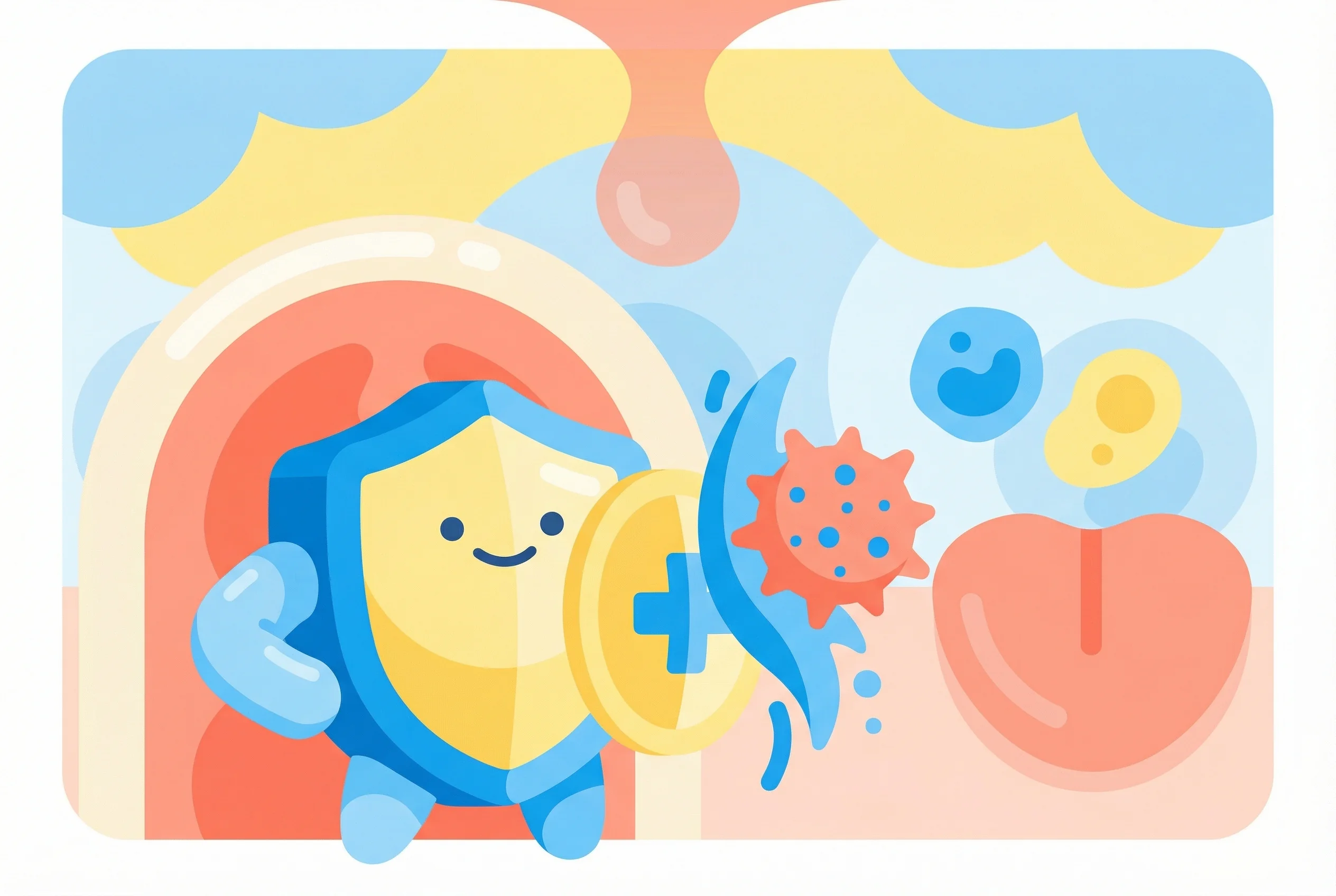
CFirst defense against infections
✓Correct - Tonsils are lymphoid tissues at the back of the throat that act as the first line of defense against bacteria and viruses entering through the mouth and nose. They trap germs and produce white blood cells to fight infections.
Answer this question
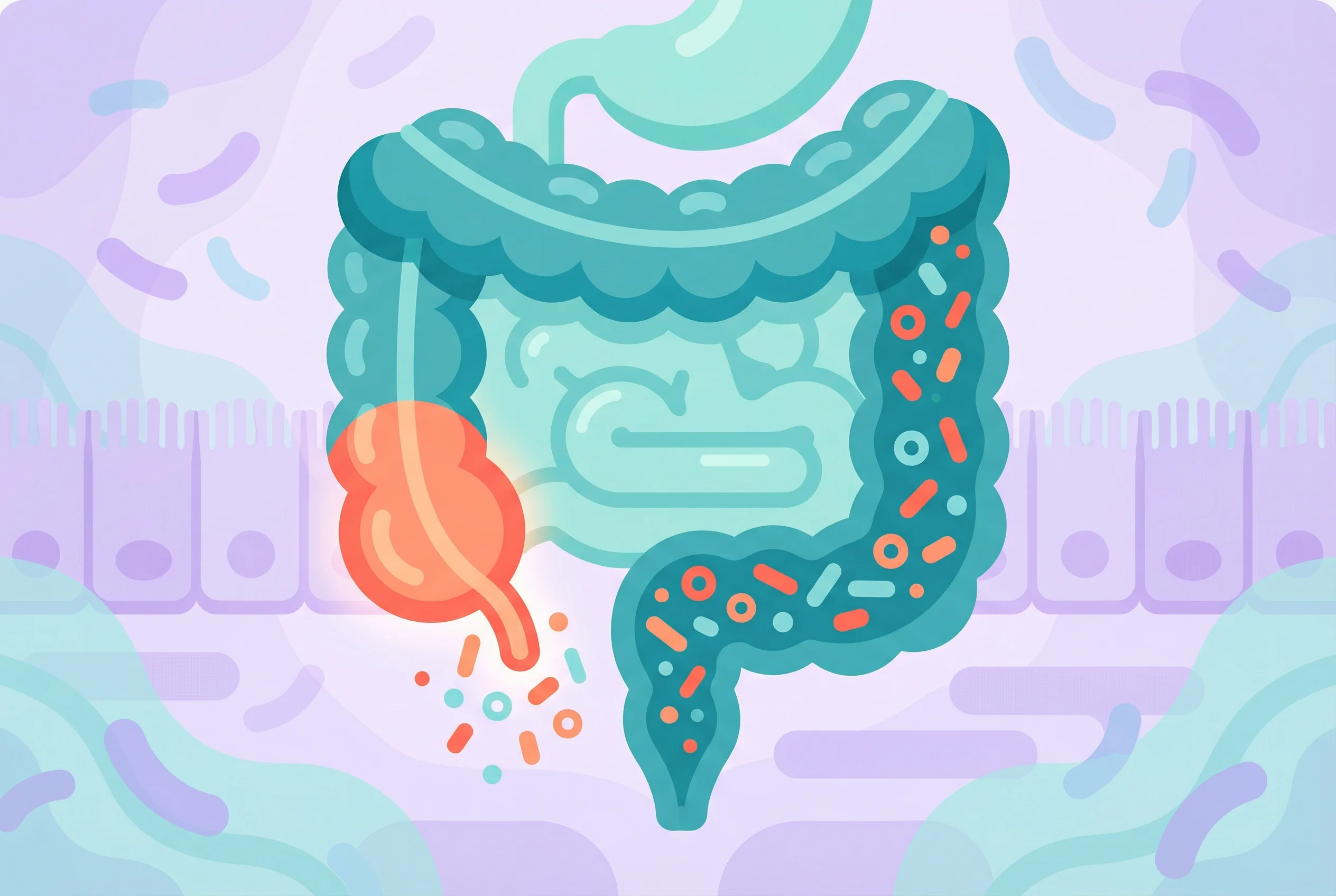
AMay house beneficial gut bacteria
✓Correct - While often called 'useless,' the appendix may serve as a safe house for beneficial gut bacteria. After illness disrupts gut flora, these bacteria can repopulate the intestines. However, people can live normally without it.
BFilters toxins from food
✗Not quite - The appendix doesn't filter toxins—that's mainly the liver's job. The appendix is a small pouch connected to the large intestine.
CHas no function at all
✗Not quite - While we can survive without it, research suggests it may help maintain healthy gut bacteria populations as a bacterial reservoir.
Answer this question
AYour blocked nose prevents smell, which provides most of flavor perception
✓Correct - What we call 'taste' is actually a combination of taste (detected by tongue) and smell (detected by nose). Your tongue can only detect five basic tastes: sweet, salty, sour, bitter, and umami. The complex flavors we enjoy - like the difference between a strawberry and a raspberry - come mostly from smell. When nasal congestion blocks odor molecules from reaching smell receptors, food loses most of its flavor, tasting only of basic tastes. This is why pinching your nose makes food taste different too!
BThe cold virus temporarily damages your taste buds on the tongue
✗Not quite - While this sounds plausible, cold viruses typically do not damage taste buds. Your taste buds on the tongue continue to function normally during a cold and can still detect the five basic tastes (sweet, salty, sour, bitter, umami). The bland sensation comes from blocked smell receptors in the nose, not damaged taste receptors on the tongue. In fact, if you hold your nose while eating, you will experience the same bland sensation even when healthy.
CFever raises your body temperature and dulls taste receptor sensitivity
✗Not quite - Fever does not significantly affect taste receptor sensitivity. Even with an elevated body temperature during illness, your taste buds continue functioning normally. The real reason food tastes bland is nasal congestion blocking smell receptors. Additionally, not all colds cause fever, yet people still experience reduced flavor perception whenever their nose is blocked. You can test this yourself: even without fever, pinching your nose while eating will make food taste much blander.
Answer this question
Plants and Other Kingdoms
AAir bubbles expand when baking
✗Not quite - Air expands when baking, but yeast creates CO₂ bubbles through fermentation before baking—that's what leavens dough.
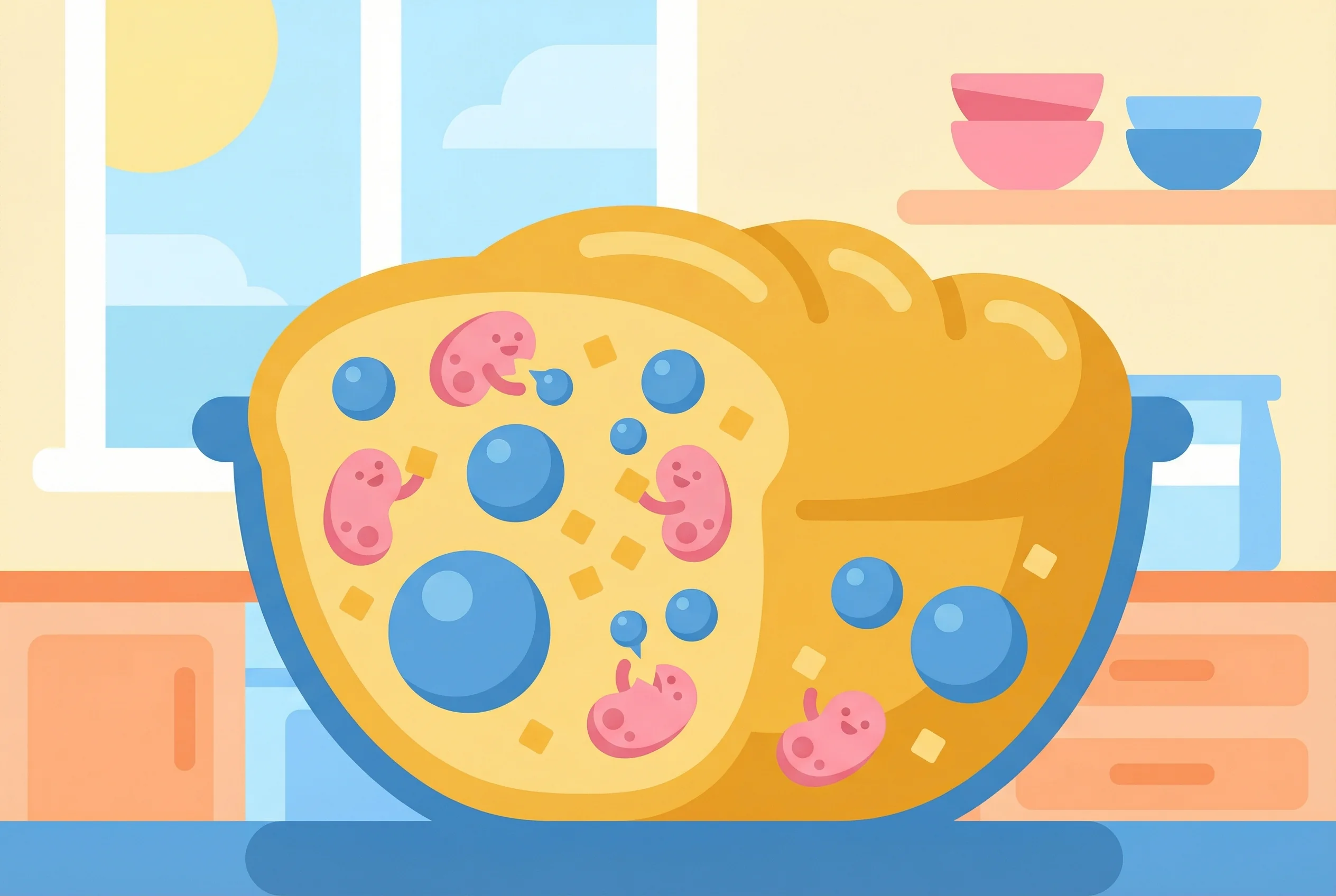
BFermentation produces CO₂ gas
✓Correct - Fermentation! Yeast makes bread rise through: (1) Yeast (Saccharomyces cerevisiae)—single-celled fungus. (2) Consumes sugars in dough: C₆H₁₂O₆ → 2C₂H₅OH + 2CO₂↑. (3) Fermentation—produces ethanol + carbon dioxide gas. (4) CO₂ trapped in gluten network—dough expands. (5) Baking: alcohol evaporates, bubbles set. Living organism! Needs warmth, moisture, food. Also produces flavor compounds. Proofing time: 1-2 hours (doubling). Ancient leavening method—Egyptians!
CChemical leavening agent
✗Not quite - Yeast is biological leavening (fermentation). Chemical leavening: baking powder/soda (acid-base reaction), different process.
Answer this question
ATheir blood only needs one circuit: heart to gills to body and back
✓Correct - Fish have a single-loop circulatory system. Blood flows from the heart to the gills (where it picks up oxygen), then directly to the body tissues, and returns to the heart. This simple path needs only two chambers: one atrium to receive blood and one ventricle to pump it out. Mammals need four chambers because they have a double loop: one circuit to the lungs and another to the body.
BFish are cold-blooded so they need less blood circulation
✗Not quite - While fish are cold-blooded (ectothermic), this is not why they have two-chambered hearts. Even cold-blooded animals need efficient circulation. The heart structure relates to the circulatory pathway, not body temperature regulation. Some cold-blooded reptiles actually have three-chambered hearts.
CWater pressure helps push blood, so hearts can be simpler
✗Not quite - Water pressure does not assist the fish's internal blood circulation. The heart must generate its own pressure to pump blood through vessels inside the fish's body, regardless of external water pressure. The two-chambered design is sufficient because blood takes a single, direct path through gills then body, unlike the dual circuits in land vertebrates.
Answer this question
Biology That Sounds Made Up
AIce cream numbs nerves
✗Not quite - Nerves aren't numbed—they're actually overstimulated by rapid temperature change.
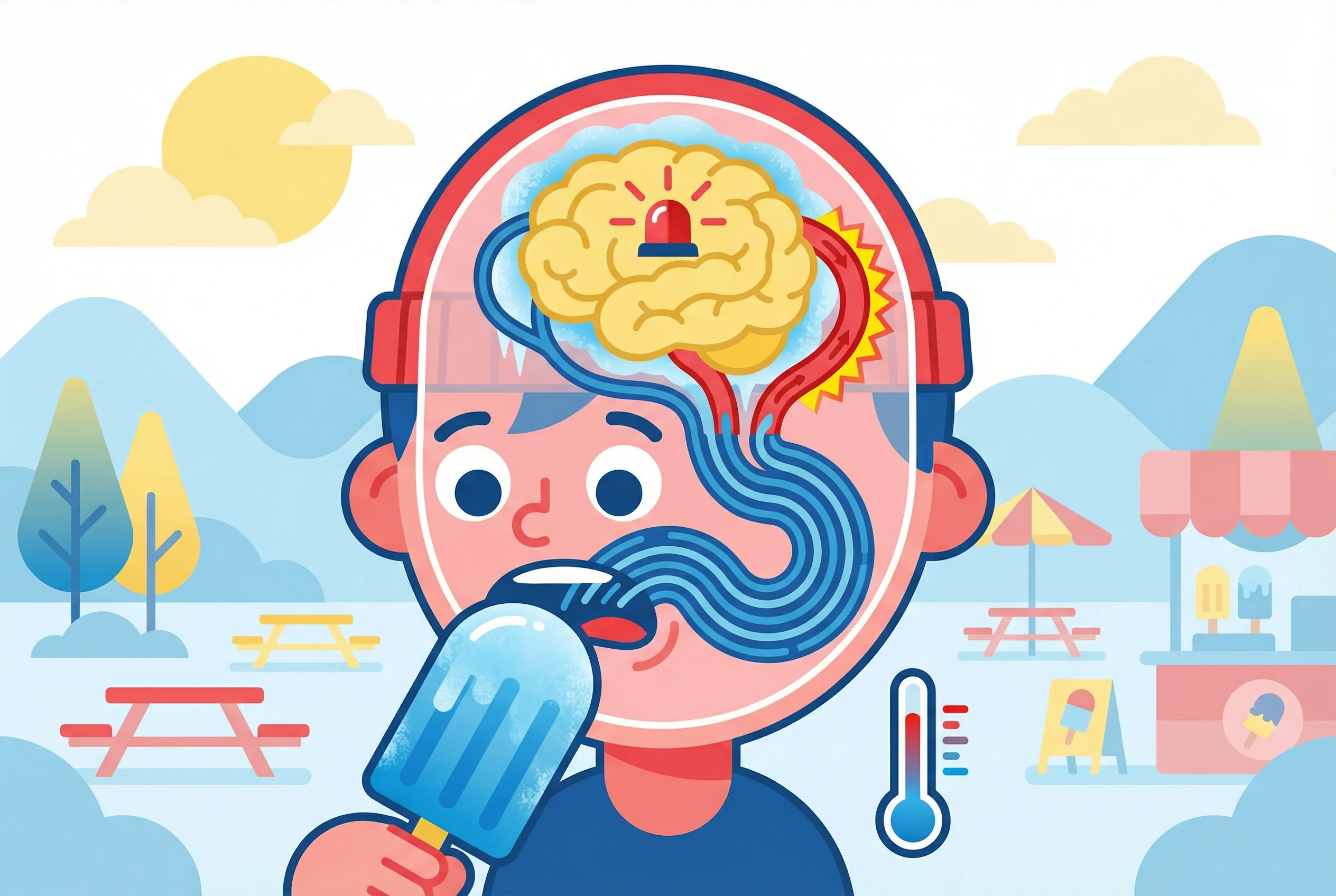
BBlood vessels rapidly change
✓Correct - Cold food touching the roof of your mouth causes blood vessels to rapidly constrict then dilate. This triggers pain receptors. Your brain interprets this as head pain. Pressing your tongue to the roof of your mouth can help!
CCold damages brain cells
✗Not quite - No brain damage occurs. It's a temporary pain response from blood vessel changes in your mouth.
Answer this question
ASpicy chemicals trigger the same heat-sensing nerves that detect temperature
✓Correct - Capsaicin, the compound in chili peppers, binds to TRPV1 receptors in your mouth. These receptors normally detect temperatures above 43°C (109°F). When capsaicin activates them, your brain interprets the signal as heat, even though no actual temperature change occurred. That's why drinking cold water doesn't help much - the receptors are still being triggered!
BSpicy food actually raises the temperature inside your mouth by several degrees
✗Not quite - Your mouth doesn't actually get hotter from spicy food. If you measured the temperature with a thermometer, it would remain the same. The 'burning' sensation is entirely a trick your nervous system is playing on you. Capsaicin molecules activate pain receptors without any real heat being present.
CYour taste buds swell up from irritation and create friction heat
✗Not quite - While your mouth may feel swollen and irritated, taste buds don't generate heat through friction. The burning sensation comes from capsaicin molecules chemically binding to specific nerve receptors (TRPV1). These are the same receptors that warn you when something is dangerously hot, which is why the sensations feel so similar.
Answer this question
AExcess carbon dioxide buildup
✗Not quite - CO₂ levels don't trigger yawning. Research shows no strong connection between yawning and respiratory gas exchange.
BBrain temperature needs cooling
✗Not quite - Brain cooling is one leading hypothesis—yawning increases blood flow and may help thermoregulate, but it's not definitively proven.
CStill unclear, possibly cooling
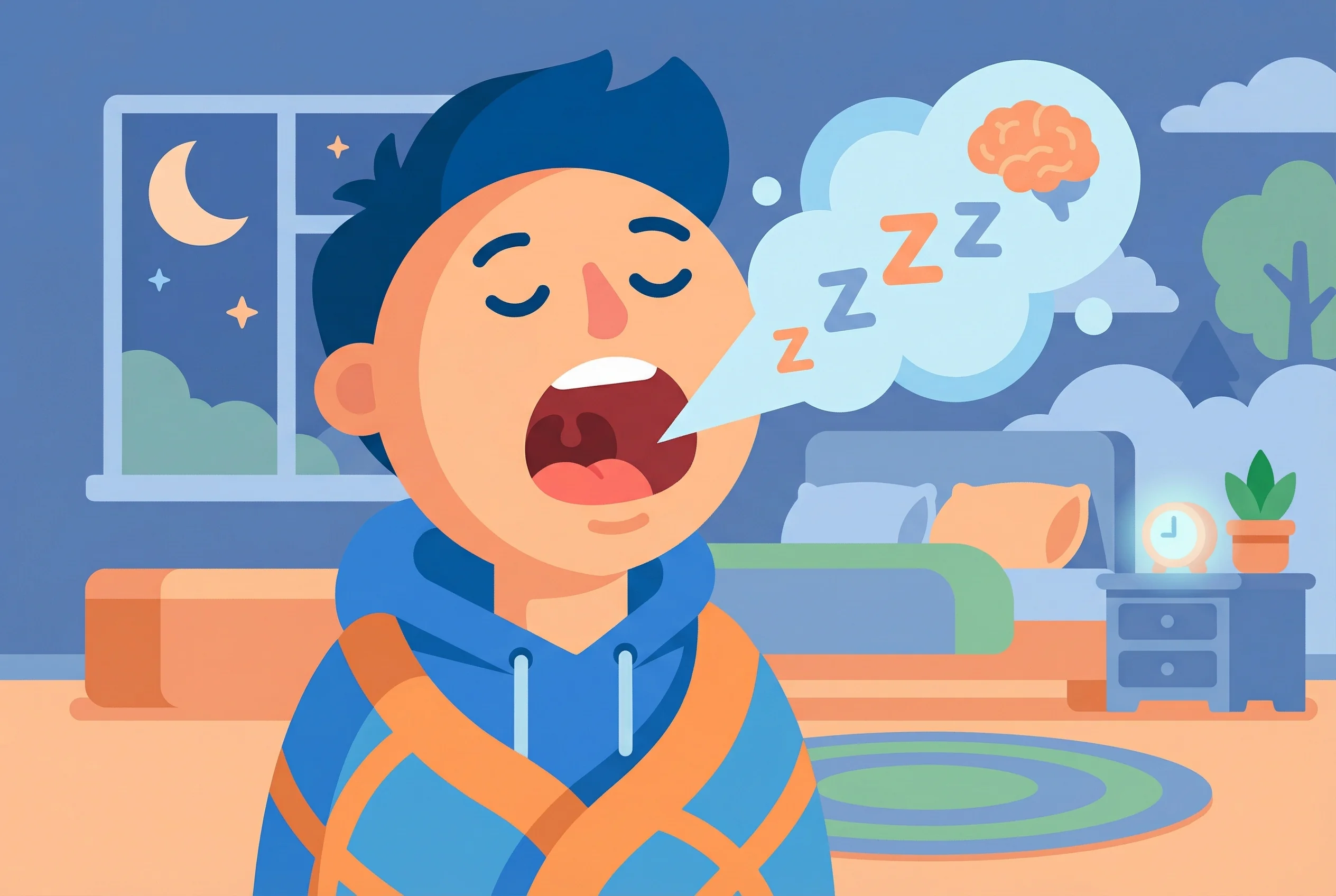
✓Correct - Yawning's function is surprisingly unclear! Leading theories: (1) Brain cooling—jaw stretching increases blood flow, cooling the brain. (2) Arousal/state change—transitions between sleep/wake states. (3) Social communication—contagious yawning suggests social bonding function. Not caused by low O₂ despite popular belief. Likely multifunctional evolutionary behavior!
Answer this question
AReflex from furry ancestors
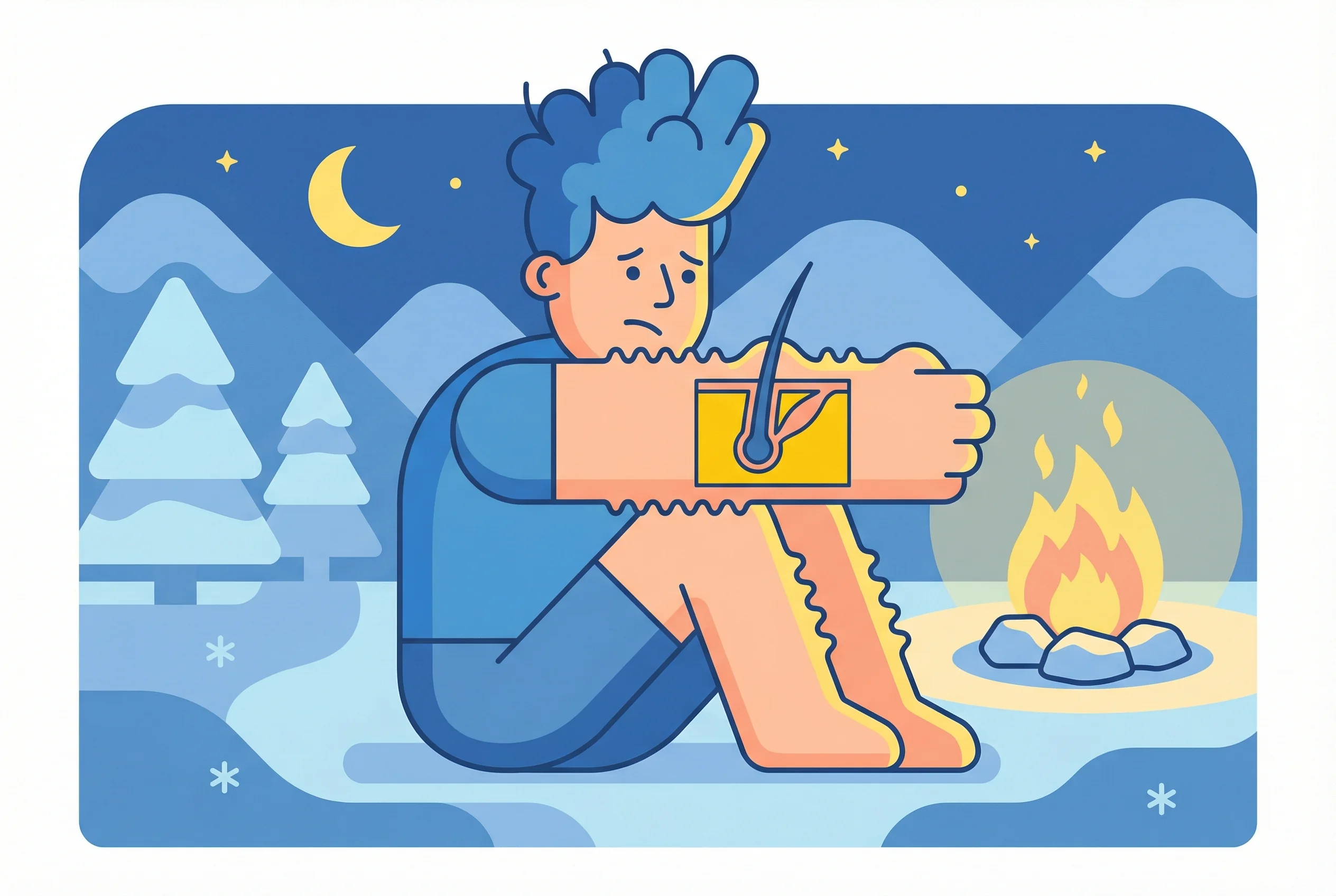
✓Correct - Goosebumps are an evolutionary leftover from our furry ancestors. Tiny muscles raise our hairs, which would trap warm air in thick fur. But humans have little body hair, so it barely helps us stay warm. We still get this reflex when cold or experiencing strong emotions like fear or awe!
BBlood vessels contracting
✗Not quite - Blood vessel constriction is a separate response to cold. Goosebumps are caused by tiny muscles raising hairs, an evolutionary reflex from when we had thick fur.
CSkin cells multiplying
✗Not quite - Goosebumps don't involve skin cell multiplication. They're caused by tiny muscles at hair follicles contracting to raise hairs upward.
Answer this question
Want biology as a 10-second habit?
AIgneous Million Whys turns small why-questions into answerable cards with explanations for every choice, so the closure arrives before the thought disappears.
Play live on AIgneous Million WhysFrequently Asked Questions
Are these biology quiz questions and answers for exams?
No. They may help if you are revising because mechanisms beat memorized labels, but the page is written for curious adults who want biology to click in ordinary life.
What makes a biology question satisfying instead of just hard?
A satisfying question leaves you half-knowing for a moment, then closes the gap with a mechanism: a pump, receptor, reflex, enzyme, cell type, or evolutionary trade-off.
Can I use this biology quiz for a trivia night?
Yes. The questions are stable enough for a casual round, but they work best when the host reads the short explanation after each answer.
Why are there human-body questions mixed with other organisms?
Biology makes more sense when you compare systems. Fish hearts, yeast fermentation, salamander regeneration, and human immunity all show how living things solve constraints differently.
Where should I go after this biology quiz?
Try the neighboring pages on human body trivia and everyday body facts, or use the live daily question page when you want one small closure instead of a full round.
What does this have to do with AIgneous Million Whys?
Million Whys is built around this exact loop: a tiny information gap, a choice, a clear answer, and a short explanation that leaves you knowing more and wondering better.