A pencil works on paper but slips across glass. A room far colder than your body can feel perfectly comfortable. Those tiny mismatches between what seems obvious and what is actually happening are where multiple choice trivia questions get fun. Pick an answer before opening the explanation: the choice turns a fact into an information gap, and the explanation gives it a proper ending instead of merely flashing a score.
Fun Multiple Choice Questions
APaper has a rough surface that traps graphite particles, while glass is too smooth
✓Correct! Paper has countless microscopic fibers and tiny valleys that create a rough surface. When you press a pencil on paper, soft graphite particles break off and get trapped in these tiny spaces through friction. Glass, however, has an extremely smooth surface at the microscopic level, so graphite particles cannot grip onto it and simply slide off or fall away.
BPaper contains special chemicals that react with graphite to create marks
✗Wrong. Writing with a pencil is a purely physical process, not a chemical one. The graphite in pencils (which is actually carbon, not lead) does not chemically react with paper. It simply leaves particles behind through mechanical friction. If it were a chemical reaction, the marks would be permanent and could not be erased.
CGlass reflects light away from the graphite, making marks invisible
✗Wrong. While glass does reflect light, this is not why pencil marks do not show up on glass. Even if you look at glass from different angles or use strong lighting, pencil marks still would not appear clearly. The real issue is that the smooth glass surface cannot hold onto the graphite particles, so they never form lasting marks in the first place.
Answer this question
AThey use cameras and LiDAR sensors to detect obstacles in real-time
✓Correct! Modern delivery drones are equipped with multiple sensors including cameras, LiDAR (Light Detection and Ranging), and ultrasonic sensors. These work together like a high-tech 'sense of sight' to continuously scan the environment, creating a 3D map of surroundings. When an obstacle appears, the drone's computer processes this information in milliseconds and automatically adjusts its flight path, similar to how bats use echolocation to navigate in darkness.
BThey follow invisible magnetic highways between buildings
✗Wrong. While this sounds futuristic, there are no magnetic highways in the sky. Buildings do not create special magnetic paths, and such a system would be unreliable as it could not adapt to temporary obstacles like construction cranes, other aircraft, or weather conditions. Drones need active sensing systems to navigate safely through constantly changing urban environments.
CThey memorize every building location before each flight
✗Wrong. Pre-programmed maps alone would not be safe because cities are dynamic environments. New construction appears, cranes move, trees grow, and unexpected obstacles like birds or other drones exist. While drones do use GPS and pre-loaded maps for general navigation, they must rely on real-time sensors to detect and avoid obstacles that were not on the map or that have moved since the map was created.
Answer this question
ABecause the grinding process releases volatile oils and compounds trapped inside the bean structure
✓Correct! Grinding breaks open the coffee bean's cell walls, releasing volatile organic compounds that create the strong aroma.
BBecause the heat from the espresso machine instantly vaporizes the coffee solids
✗Incorrect. The heat from the machine is not involved in the grinding process; the aroma comes from mechanical rupture of cells, not vaporization.
CBecause the pressure from the espresso machine forces aroma particles out of the beans
✗Incorrect. Pressure is applied during brewing (extraction), not during grinding. The aroma release is due to the grinding action itself.
Answer this question
APast trend extrapolation
✗While historical trends are part of the analysis, AI does not simply extrapolate the past. It combines real-time data from many sources, which can capture unexpected events like natural disasters or strikes. For instance, AI might predict a disruption from a sudden surge in social media complaints about a supplier's product.
BReal-time sensor monitoring
✗Real-time sensors provide valuable data, but they cannot alone predict complex disruptions like supplier bankruptcies or geopolitical events. AI models incorporate sensor data alongside economic indicators, news feeds, and other unstructured data to build a more complete picture.
CMachine learning pattern recognition
✓AI leverages machine learning to analyze diverse data sources such as shipping logs, weather reports, and social media. This allows it to detect subtle patterns that precede disruptions, like a sudden increase in raw material shipping times. The key is integrating multiple signals rather than relying on a single data type.
Answer this question
ASteam injects air and heat, denaturing milk proteins that stabilize tiny bubbles.
✓Correct! The steam heats the milk while forcing air into it. The heat denatures whey proteins, which then coat the air bubbles, preventing them from coalescing and forming a stable microfoam.
BSteam chemically reacts with milk sugars to produce foam.
✗Wrong. No chemical reaction occurs between steam and milk sugars. Foaming is a physical process involving air incorporation and protein denaturation.
CHigh pressure crushes milk fat into microscopic bubbles.
✗Wrong. Fat does not form bubbles; it can actually destabilize foam. Microfoam relies on proteins (especially whey) to create and stabilize small bubbles.
Answer this question
Science Trivia Questions and Answers
AThe impact creates uneven stress that spreads cracks through the brittle material
✓Correct! When glass hits the floor, the impact point experiences extreme compression while the rest remains unchanged. This uneven stress creates tiny cracks that propagate at nearly 3,000 mph through the brittle glass structure, causing it to shatter. Glass lacks the flexibility to absorb impact energy like plastic or metal would.
BThe floor's hardness cuts through the glass like a sharp blade
✗Wrong. The floor doesn't 'cut' the glass. Instead, the impact creates stress waves that exceed glass's tensile strength. Even a smooth floor causes breaking because glass is brittle and cannot deform to absorb the shock. The hardness matters, but it's about stress distribution, not cutting action.
CThe glass becomes instantly cold from the floor and contracts too quickly
✗Wrong. Temperature change plays no role in this instant breaking. The shattering happens in milliseconds - far too fast for heat transfer. Glass breaks from mechanical stress, not thermal shock. Thermal breaking requires sustained temperature differences, like pouring hot water into a cold glass.
Answer this question
APeople unconsciously respond to density changes around them, creating pressure waves that spread through the crowd like ripples in water
✓Correct! Crowd dynamics research shows that people act like particles in a fluid. When density increases in one area, individuals feel pressure and adjust their position, creating waves that propagate at roughly 1-2 meters per second through the crowd. This is why you can see 'stop-and-go' waves moving backward from bottlenecks, just like traffic jams. Each person responds only to their immediate neighbors, yet these local interactions create large-scale fluid-like patterns including turbulence, laminar flow, and even 'phase transitions' when crowds get too dense.
BStrong individuals at the front pull everyone forward through a chain reaction of hand-holding and physical contact
✗Wrong. While physical contact does occur in dense crowds, the wave patterns emerge from individual space-seeking behavior, not from physical pulling. Studies using overhead cameras show waves can travel through crowds even when people are not touching. The fluid-like motion comes from each person independently adjusting to local density, similar to how gas molecules spread out without being physically connected. Hand-holding would actually prevent the smooth wave motion we observe.
CCrowd members naturally synchronize their breathing patterns, causing rhythmic expansion and contraction of the group
✗Wrong. Breathing synchronization does not cause crowd waves. The wave patterns occur at much faster timescales (seconds) than breathing cycles (3-5 seconds), and they move spatially through the crowd rather than occurring simultaneously everywhere. Crowd waves are mechanical responses to spatial density variations, not biological rhythms. Research shows these waves follow physics equations similar to those describing shock waves in compressible fluids, completely independent of human physiology.
Answer this question
AWood is less dense than water, while metal is more dense
✓Correct! Density (mass divided by volume) is the key factor. Wood typically has a density of 0.4-0.8 grams per cubic centimeter, less than water's 1.0, so it floats. Most metals have densities of 7-8 grams per cubic centimeter, much greater than water, so they sink. Size does not matter - only the relationship between the object's density and water's density determines floating or sinking.
BLarger objects always float better than smaller objects
✗Wrong. Size alone does not determine floating. A tiny piece of cork will float while a massive steel ship hull would sink if it were solid. What matters is density - the amount of mass packed into each unit of volume. A large object can sink if it is dense enough, and a small object can float if it is light enough for its size.
CWood contains air pockets that push it up from below
✗Wrong. While wood may contain some air spaces, this is not why it floats. Even solid wood with no air pockets floats because the wood material itself is less dense than water. The air spaces might slightly reduce overall density, but the fundamental reason is that wood's molecular structure results in less mass per volume compared to water. Many types of solid plastic also float despite having no air pockets.
Answer this question
AIt matches core temperature
✗This is the tempting intuition, but it points the wrong way. If the air matched core body temperature, a resting person would struggle to lose the heat that metabolism keeps making. Comfort is not about matching 37 C; it is about letting heat leave at about the same rate it is produced. A bathtub near skin temperature can feel warm for the same reason a room at core temperature would be stifling.
BIt leaves a heat-loss gap
✓Correct. A resting body is still producing heat, so the skin needs surroundings that are cooler than itself to send heat away by radiation and convection. Comfortable mean skin temperature is often around 33-34 C, while a lightly clothed room near 22 C leaves a useful gradient after clothing insulation is included. The surprise is that 22 C feels good partly because it is not close to body temperature.
CIt keeps skin at 37 C
✗Skin is not supposed to sit at core temperature. Comfortable mean skin temperature is usually several degrees cooler than 37 C, because skin is the radiator that lets internal heat leave. If the room merely tried to keep skin at core temperature, heat loss would be too weak. The more useful target is controlled outward heat flow, not making every body layer the same temperature.
Answer this question
AThis pattern creates the most spherical shape with flat panels
✓Correct! This geometric pattern is called a 'truncated icosahedron' - a mathematical shape that uses the minimum number of regular polygons to approximate a perfect sphere. The alternating hexagons and pentagons distribute stress evenly when the ball is kicked, maintaining roundness and providing predictable flight paths. Each pentagon is surrounded by five hexagons, creating optimal curvature.
BFIFA regulations require exactly this number for official games
✗Wrong. While FIFA has standards for ball circumference, weight, and pressure, they do not mandate the specific 32-panel design. Modern soccer balls use various panel configurations - some with as few as 6 panels using thermally bonded technology. The traditional pattern persists because of its geometric efficiency, not regulations.
CThis pattern makes the ball easier to manufacture cheaply
✗Wrong. The 32-panel design is actually more complex and expensive to manufacture than simpler alternatives. Each panel must be precisely cut and stitched together - modern balls with fewer panels are cheaper to produce. The traditional pattern exists because it creates superior spherical geometry and performance, not manufacturing economy.
Answer this question
ATired motor neurons send random electrical signals
✓Correct! Motor neurons control muscle contractions through electrical signals. When these neurons are fatigued, stressed, low on minerals like magnesium, or overstimulated by caffeine, they can fire randomly, causing visible twitches called fasciculations. These involuntary signals make a few muscle fibers contract briefly without your conscious control.
BMuscles are trying to grow stronger automatically
✗Wrong. Muscles grow stronger through a process called hypertrophy, which happens during rest and recovery after exercise, not through random twitching. Muscle growth requires protein synthesis triggered by workout stress and proper nutrition, not spontaneous contractions. Twitches are actually nerve signals, not a muscle strengthening mechanism.
CBlood is flowing too quickly through the muscle
✗Wrong. While blood flow is important for delivering oxygen and nutrients to muscles, the speed of blood flow does not cause twitching. Blood vessels are separate from the nerve-muscle system that controls contractions. Twitches are electrical signals from nerves, not mechanical effects from blood circulation.
Answer this question
AScar from umbilical cord
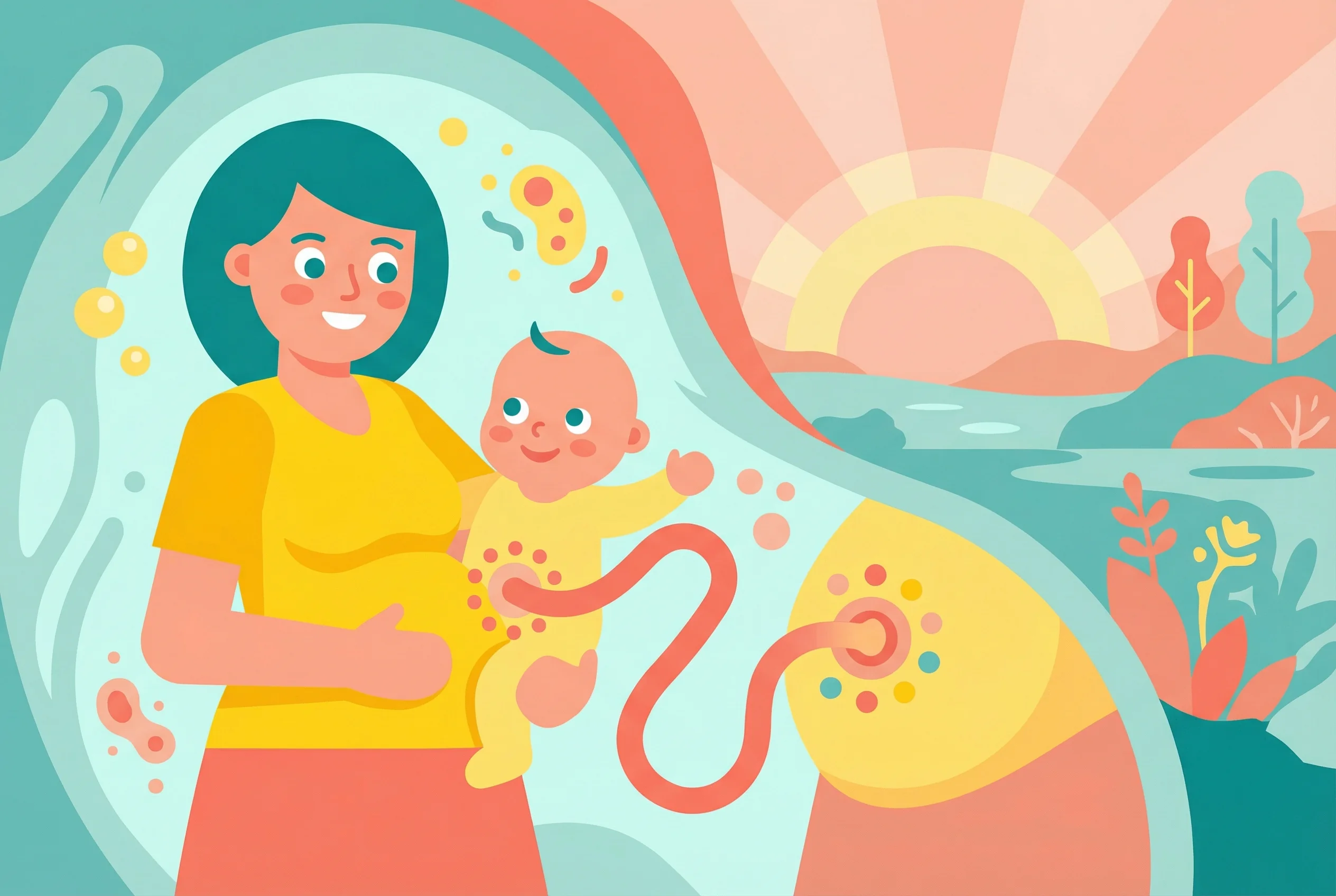
✓Correct! The belly button (navel) is a scar that marks where the umbilical cord connected you to your mother in the womb. The cord provided oxygen and nutrients before birth. After birth, the cord is cut and the remaining portion dries up and falls off, leaving the belly button.
BOpening for digestive system
✗Wrong. The belly button has no opening or connection to the digestive system. It's a closed scar on the skin surface.
CVestigial evolutionary feature
✗Wrong. It's not a vestigial feature—it's a necessary scar from the umbilical cord that every mammal who developed in a womb has.
Answer this question
ALack of vitamins in diet
✗Wrong. While severe malnutrition can affect hair health, gray hair is primarily caused by the natural aging process, not diet.
BPigment cells stop working
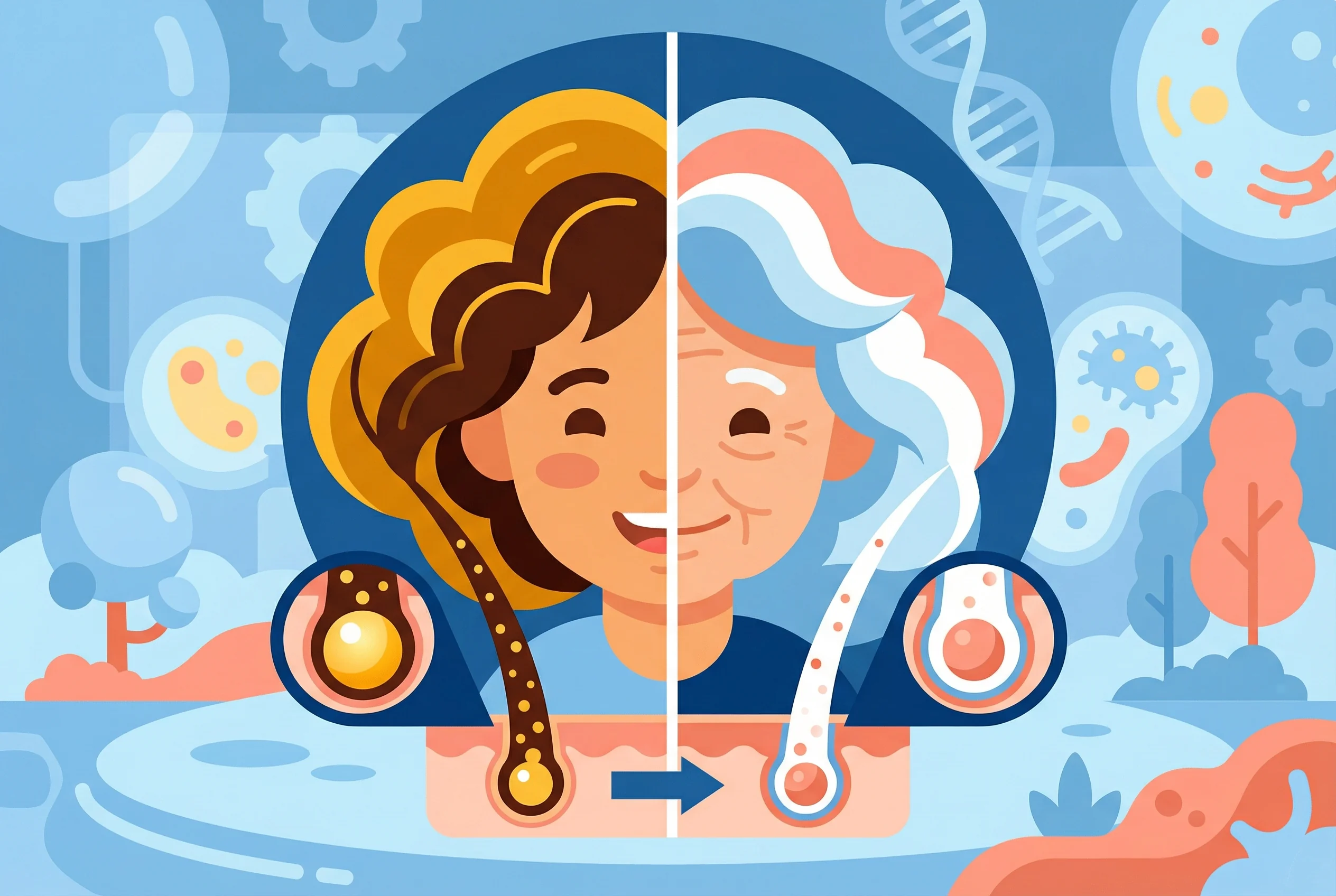
✓Correct! Hair color comes from melanin produced by cells called melanocytes in hair follicles. As we age, these cells gradually stop producing pigment and eventually die. Without melanin, new hair grows in gray or white.
CStress causes color loss
✗Wrong. Severe stress can accelerate graying, but the primary cause is age-related decline in melanocyte function, not stress alone.
Answer this question
AImprove grip and touch
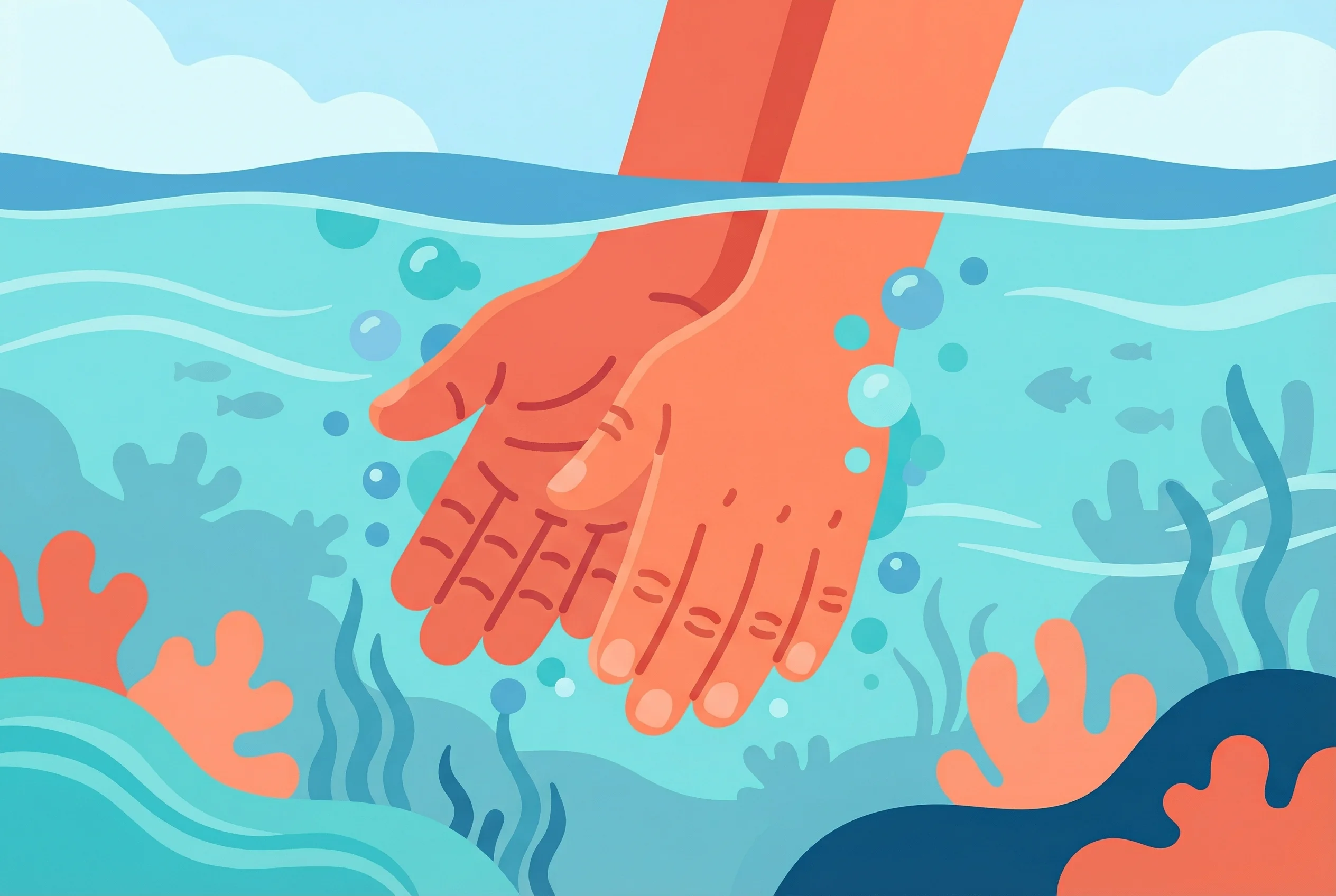
✓Correct! Fingertip ridges increase friction and help us sense tiny textures. They form before birth and stay mostly stable through life.
BShow dehydration
✗Wrong. Dehydration can dry the skin, but fingerprints are permanent ridges, not a hydration signal.
CRandom skin folds
✗Wrong. These ridges are not random creases. They form in patterned ways during development and help with grip and touch.
Answer this question
AToo much sun exposure only
✗Wrong. Sun damage accelerates wrinkling, but aging naturally reduces these proteins too.
BSkin cells multiply faster
✗Wrong. Skin cell production slows with age. Wrinkles form from protein loss, not faster cell growth.
CCollagen and elastin decrease
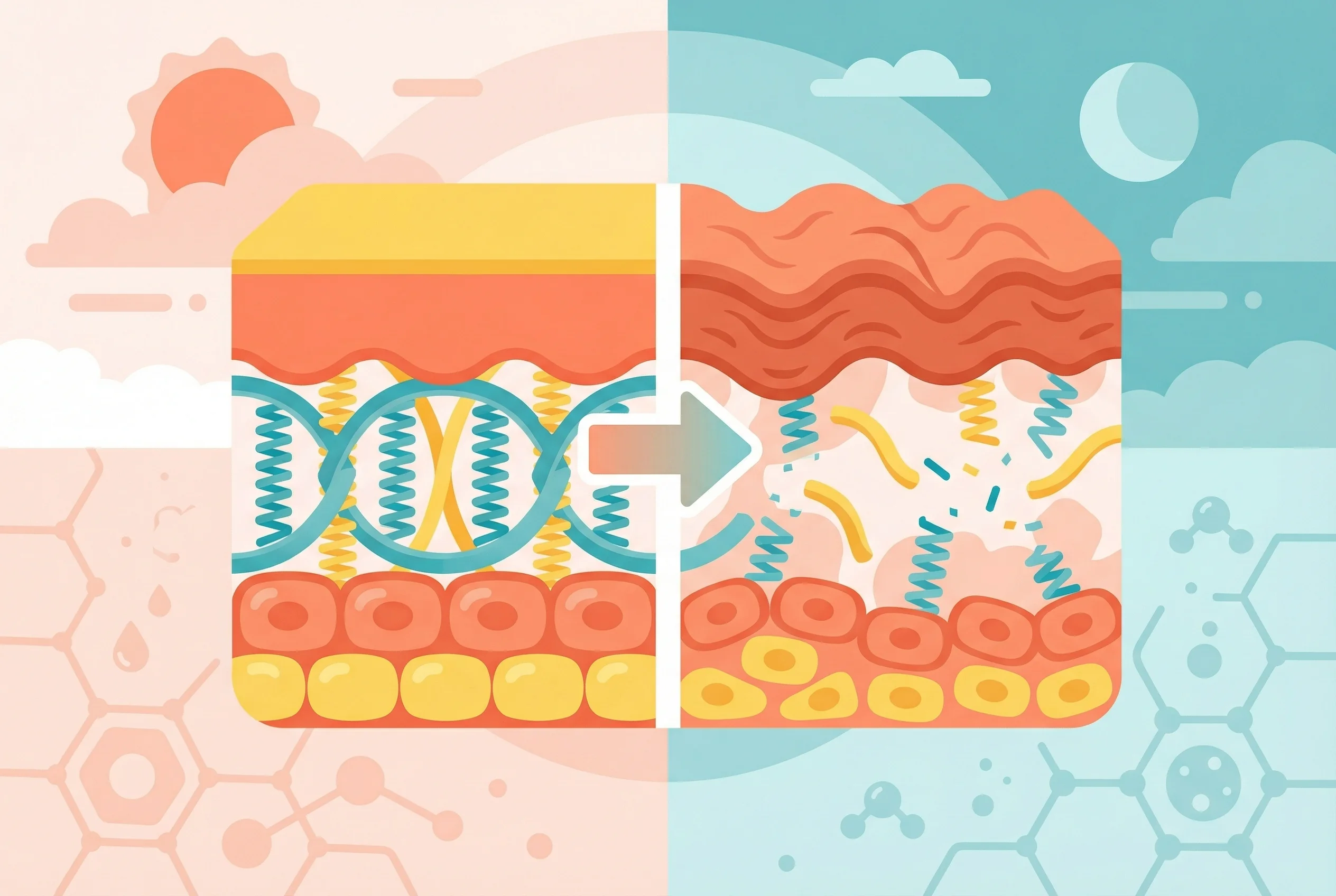
✓Correct! Collagen and elastin keep skin firm. As we age, these proteins decrease, causing wrinkles.
Answer this question
Space Trivia
ATo raise orbit and check Orion safely
✓Correct! Artemis II spends about a day near Earth so the mission can raise its orbit, check Orion, test operations, and prepare for translunar injection before committing to deep space.
BTo wait for the Moon to get closer
✗Wrong. The mission is not waiting for the Moon to “come closer.” This pause is mainly for flight setup and safety checks.
CBecause Orion cannot go farther yet
✗Wrong. Orion can go farther, but the mission is designed to verify key systems first before heading to the Moon.
Answer this question
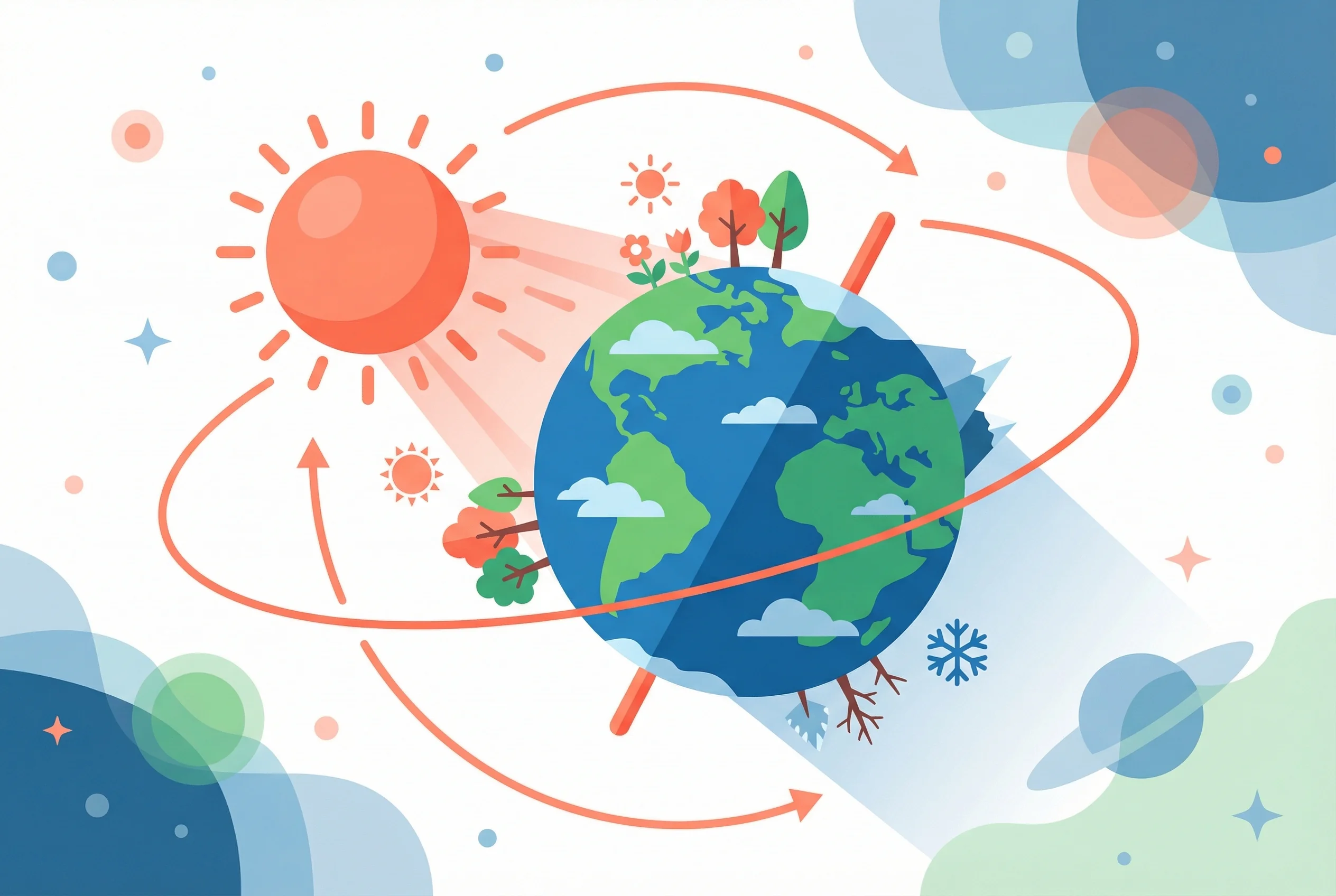
AAxial tilt changes sunlight angle
✓Correct! Earth's axis tilts 23.5° relative to its orbital plane. When the Northern Hemisphere tilts toward the sun, it receives more direct sunlight (longer days, warmer—summer). When tilted away, sunlight hits at oblique angles (shorter days, colder—winter). Southern Hemisphere experiences opposite seasons. Solstices = maximum tilt; equinoxes = neutral. Distance from sun isn't the cause!
BEarth's orbit speed varies
✗Wrong. Orbital speed varies slightly (Kepler's laws), but seasons result from axial tilt changing how directly sunlight hits different hemispheres.
CSun's brightness fluctuates
✗Wrong. The sun's output is remarkably stable. Seasons occur because Earth's tilted axis causes varying sunlight angles throughout the year.
Answer this question
AAtmosphere creates drag
✗Wrong. Planets orbit in space (no atmosphere). Gravity pulls them toward the sun while their velocity keeps them moving sideways—stable orbit.
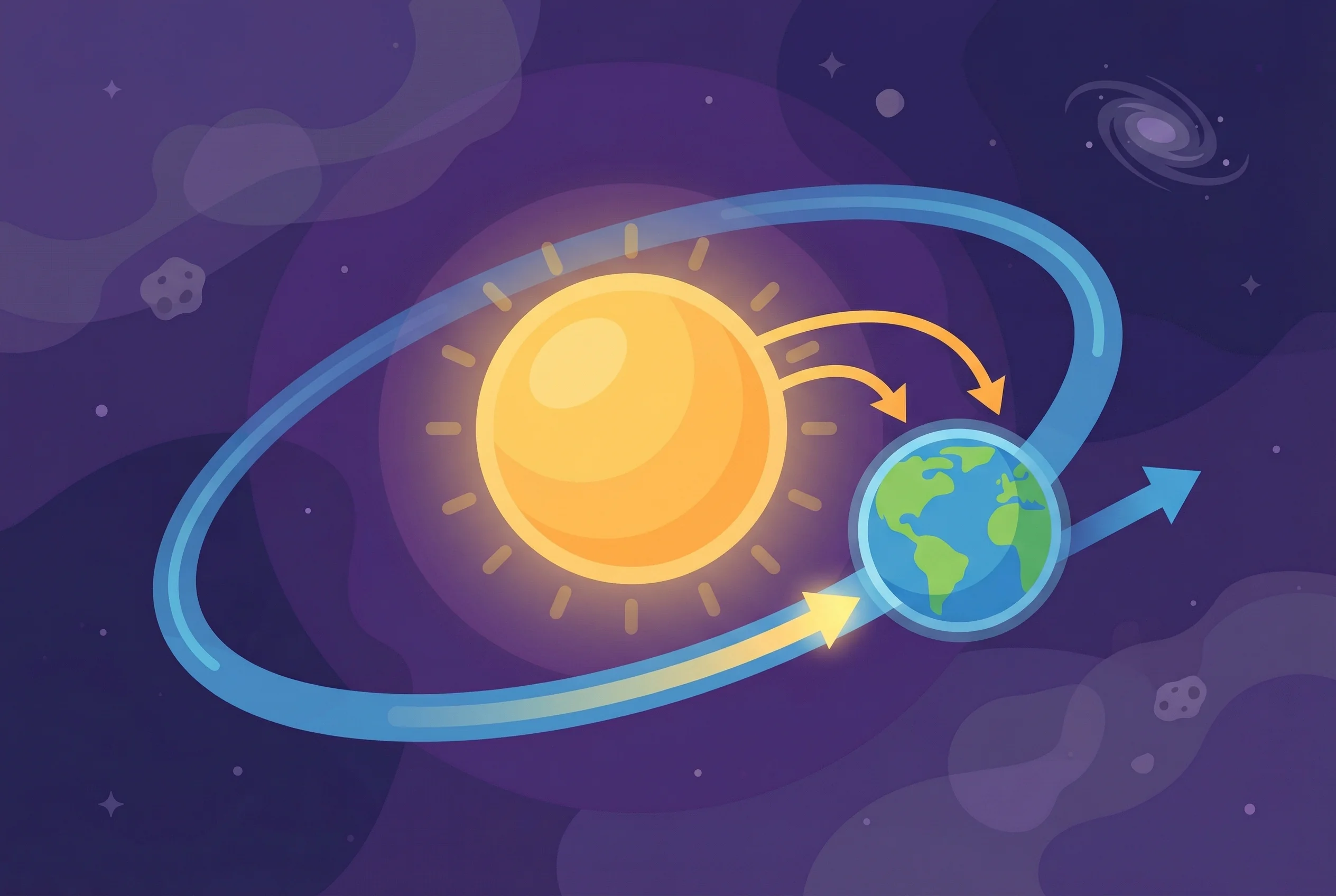
BGravity balances velocity
✓Correct! Planets orbit due to balance between gravity and inertia. Sun's gravity pulls planets inward (centripetal force). Planets' sideways velocity keeps them moving tangentially. Result: continuous free fall around the sun—orbit! Too slow = spiral in; too fast = escape. Kepler's laws describe orbital motion. Newton explained it's gravity providing the force. Curved spacetime (Einstein) is deeper explanation!
CSpace vacuum holds them
✗Wrong. Vacuum doesn't hold anything. Orbits result from gravity pulling planets toward the sun, balanced by their tangential velocity.
Answer this question
ADeep-space crews need a plan for solar storms
✓Correct! Outside Earth’s stronger protection, deep-space crews face more radiation risk. Artemis II tests how astronauts could use onboard supplies to create better temporary shielding.
BOrion already blocks all radiation
✗Wrong. Orion offers some protection, but not total protection from every high-radiation event.
CRadiation matters only at launch and landing
✗Wrong. Radiation is a concern throughout deep-space flight, not just during launch or reentry.
Answer this question
AGravity pulls asteroids to Earth yearly
✗Wrong. Gravity doesn't suddenly pull asteroids to Earth annually. Meteor showers occur because Earth's orbit crosses comet debris trails at the same time each year.
BStars shoot matter toward us
✗Wrong. Shooting stars aren't from stars. They're tiny particles (often comet debris) burning up in Earth's atmosphere at high speed.
CEarth crosses comet debris trails
✓Correct! Comets leave debris trails along their orbits. When Earth's orbit intersects these trails, particles enter our atmosphere at ~70 km/s, heating and glowing—meteors! Showers occur annually (Perseids, Leonids, etc.) when Earth crosses the same comet paths. Multiple meteors appear from one 'radiant' point (perspective effect)!
Answer this question
Food Trivia Questions and Answers
ADifferent spoilage microbes need oxygen
✓Exactly! Different foods host different spoilage microbes. Strawberries spoil from aerobic molds — limiting oxygen slows them. But cooked vegetables and meats can harbor anaerobic bacteria that thrive without oxygen. That's why vacuum-packing is safe for some foods but risky for others.
BPlastic bags trap moisture for all foods equally
✗Almost — plastic bags do trap moisture, but that's only half the story. The key is which microbes are present. On strawberries, aerobic molds dominate, so reducing oxygen helps. On damp cooked vegetables, anaerobic bacteria flourish in the same low-oxygen environment.
CStrawberries need less oxygen than other foods
✗Not quite — strawberries don't need less oxygen; they just host mostly aerobic spoilage organisms. Meats and cooked vegetables carry anaerobic bacteria that multiply faster without oxygen. It's the surface microbiome, not the food's own oxygen need, that determines the effect.
Answer this question
AAging breaks down proteins into amino acids that react better during searing
✓Correct! During aging, enzymes break down complex proteins into free amino acids. When you sear the steak at high heat, these abundant amino acids combine with sugars in the Maillard reaction, creating hundreds of savory flavor compounds like pyrazines and thiazoles. Fresh meat has fewer free amino acids, so the reaction is less intense.
BAged meat has more water that evaporates and concentrates the taste
✗Wrong. Aging actually reduces water content in meat through evaporation, which is why aged steaks are more expensive per pound. The enhanced flavor comes from chemical changes in proteins, not water concentration. Less water also helps achieve better browning since moisture inhibits the high temperatures needed for the Maillard reaction.
CThe aging process adds natural salts that enhance browning
✗Wrong. Aging does not add salts to meat. While the meat's surface may be salted during some aging processes, the flavor enhancement comes from enzymatic breakdown of proteins into amino acids and the concentration of existing flavors. Salt can accelerate browning but is not produced during aging itself.
Answer this question
AGreen beans have straight-chain starch, red beans branched
✓Correct! Green beans contain mostly straight-chain starch (50-60%) which absorbs water easily and breaks down, while red beans have more branched-chain starch that maintains structure when cooked.
BGreen beans have less water content than red beans
✗Water content doesn't explain the texture difference. The key is in their different starch molecular structures and how they respond to heat and moisture.
CRed beans are harvested earlier than green beans
✗Harvest timing doesn't affect the fundamental starch composition. The texture difference comes from the inherent molecular structure of starches in each bean type.
Answer this question
AStarch sets too early
✓Right: with less sugar, starch and proteins can set too early. In a normal cake, dissolved sugar ties up water and delays that setting, giving bubbles time to expand before the crumb locks. Cut too much sugar and the cake may firm before it reaches full volume, eating dense rather than just less sweet. The trick is that a sweetener also acts like a batter clock.
BBuilds stronger gluten
✗Sugar usually does the opposite of strengthening gluten. By competing for water and interfering with protein interactions, it tenderizes the crumb; too much can even make structure too weak. A lean bread wants strong gluten, but a cake wants just enough support plus softness. Removing sugar can make the structure set sooner, not magically stronger.
CCreates all the lift
✗Sugar helps create lift during creaming because crystals cut tiny air pockets into fat, but it does not create all the rise. Steam, carbon dioxide, and expanding trapped air also do major work in the oven. The dense-cake surprise is not just fewer starter bubbles; it is that starch and proteins may set before the bubbles finish expanding.
Answer this question
AFat melts and coats the meat fibers with moisture and flavor
✓Correct! When heated above 130-140°F (55-60°C), intramuscular fat melts into liquid that lubricates muscle fibers, making the steak feel juicier. Fat also dissolves flavor compounds that water cannot, creating a richer taste experience on your tongue.
BFat stores extra water that gets released when heated
✗Wrong. Fat contains almost no water - it is about 99% lipids. While muscle tissue does contain water (about 75%), the fat itself does not store or release water during cooking. The juiciness comes from fat coating the fibers, not from water release.
CFat creates air pockets that trap steam inside the meat
✗Wrong. Fat does not create air pockets or trap steam. In fact, as fat melts, it becomes liquid and flows between muscle fibers. Any steam produced during cooking comes from the moisture in muscle tissue itself, not from fat creating pockets.
Answer this question
Animal Trivia Questions and Answers
AThey switch from using the sun's position to using star patterns
✓Correct! Birds have evolved multiple navigation systems. During the day, they use the sun's position as a compass, calculating direction based on the time of day. At night, nocturnal migrants switch to using star patterns, particularly the rotation of stars around the celestial pole. They also have a backup magnetic compass that works anytime. This multi-system approach ensures they can navigate in various conditions.
BThey need to rest their navigation organs between shifts
✗Wrong. Birds do not need to 'rest' their navigation abilities. Their navigation systems are based on sensing environmental cues (light, magnetic fields) that are continuously available. The switch in methods is due to different celestial cues being visible at different times, not biological fatigue. Birds can maintain navigation throughout long migrations without breaks.
CDaytime uses smell while nighttime uses sound waves
✗Wrong. While birds do have a good sense of smell and hearing, these are not their primary long-distance navigation tools during migration. The main navigation systems rely on visual celestial cues (sun and stars) combined with magnetoreception (sensing Earth's magnetic field). Smell may help with local orientation near home, but not for continent-spanning journeys.
Answer this question
AThey have special pigment cells that expand and contract
✓Correct! These animals have chromatophores - specialized cells containing pigment sacs. By expanding or contracting these cells using muscles and nerves, they can reveal or hide different colors in milliseconds. Octopuses have three types: chromatophores (red, yellow, brown), iridophores (reflecting cells), and leucophores (white cells). This allows them to create complex patterns for camouflage, communication, or warning displays.
BTheir skin absorbs colors from nearby objects
✗Wrong. Animals cannot absorb colors from their environment like a sponge. Color change requires active biological mechanisms. If this were true, a chameleon on a checkered surface would become checkered, but they actually respond to mood, temperature, and light conditions through internal processes, not by passively taking on surrounding colors.
CThey secrete colored chemicals that coat their skin
✗Wrong. While some animals do secrete substances (like ink for defense), color change for camouflage happens through existing cells in the skin, not by coating the surface with chemicals. Secreting and spreading chemicals would be far too slow for the rapid changes we observe - an octopus can change color in under a second, which requires instant cellular action.
Answer this question
ATheir jawbone transmits ground vibrations to their inner ear
✓Correct! Snakes have no external ears or eardrums. Instead, their lower jawbone acts like a vibration sensor. When they rest their jaw on the ground, vibrations from footsteps or prey movements travel through the bone to a small bone called the quadrate, which connects to their inner ear. This allows snakes to detect even subtle ground vibrations from approaching animals.
BTheir jaw contains special sound-amplifying air pockets
✗Wrong. While snakes do have air spaces in their skull, these are not specialized for amplifying sound in the jaw. Snakes actually lack the complex ear structures that mammals use for hearing airborne sounds. Their jaw detection system is purely mechanical, transmitting solid vibrations rather than amplifying air pressure waves.
CThe jaw position helps them smell better through their tongue
✗Wrong. Though snakes do use their forked tongue to collect scent particles for their vomeronasal organ, this is a completely separate sensory system from vibration detection. The jaw-on-ground position is specifically for detecting vibrations through bone conduction, not for enhancing their chemical sensing ability. Snakes can smell effectively regardless of jaw position.
Answer this question
AEach species has unique flash patterns to identify potential mates of their own kind
✓Correct! Fireflies use species-specific flash patterns as a sophisticated communication system. Males fly around flashing their unique pattern (some flash twice quickly, others flash long and slow), while females respond with their species' matching pattern. This prevents interbreeding between different firefly species. Scientists have identified over 2,000 firefly species, each with its own 'flash code' - like different languages that only the right partner understands.
BFlashing saves energy compared to glowing continuously throughout the night
✗Wrong. While bioluminescence is energy-efficient, fireflies flash in patterns for communication, not energy conservation. In fact, producing light through the chemical reaction of luciferin and luciferase requires significant energy. If energy saving were the goal, fireflies could simply reduce their total glow time rather than creating complex timed patterns. The patterns exist specifically to send recognizable signals to potential mates.
CThe patterns help fireflies navigate and avoid bumping into trees in the dark
✗Wrong. Fireflies do not use their light for navigation or obstacle avoidance. They rely on their compound eyes and other senses to fly safely. The flashing patterns are too slow and specific to be useful for navigation - imagine trying to steer using a light that blinks on and off every few seconds! The patterns are exclusively a mating signal, with males advertising their presence and females responding when they recognize their species' pattern.
Answer this question
ATheir beaks evolved to match their specific diet and feeding method
✓Correct! Beak shape is a remarkable example of form following function. Hummingbirds have long, thin beaks for reaching nectar deep in flowers. Hawks have sharp, hooked beaks for tearing meat. Woodpeckers have strong, chisel-like beaks for drilling into bark. Pelicans have pouched beaks for scooping fish. Each shape provides maximum efficiency for the bird's primary food source, reducing energy waste during feeding.
BDifferent climates require different beak shapes for temperature control
✗Wrong. While beaks do help with some temperature regulation through blood flow, this is not the primary reason for different shapes. Birds living in similar climates can have vastly different beak shapes based on what they eat. For example, desert birds that eat seeds have different beaks than desert birds that eat insects, despite sharing the same climate.
CBeak shape is determined by the nest location where they were born
✗Wrong. Nest location does not determine beak shape. Beak shape is inherited genetically and reflects millions of years of evolution based on feeding behavior. Baby birds are born with beak shapes similar to their parents, regardless of where the nest is located. This inherited trait has been naturally selected over time to optimize feeding efficiency.
Answer this question
Frequently Asked Questions
Where can I find multiple choice trivia questions with answers?
All 30 questions above include three choices and an explanation for every option. Open a choice to see why it works—or why it almost works—without leaving the page.
Why reveal the explanation after making a choice?
Choosing makes your uncertainty visible. The answer then closes that specific gap, which is more satisfying than reading a disconnected fact and moving on.
What topics are included in this trivia set?
The set moves through everyday technology, physics, the human body, space, food science, and animal behavior. The variety is deliberate: one answer often gives you just enough context to notice a question in the next field.
Can I use these questions for a group trivia round?
Yes. Read each question and its three choices aloud, ask everyone to lock in an answer, then open the matching explanation. The explanations give the group something worth discussing after the score is settled.
Can I answer the same questions live on Million Whys?
Yes. Each card has an “Answer this question” link that opens the exact bank question in the Daily experience. It is a quick way to turn a spare ten seconds into one complete curiosity loop.