Easy
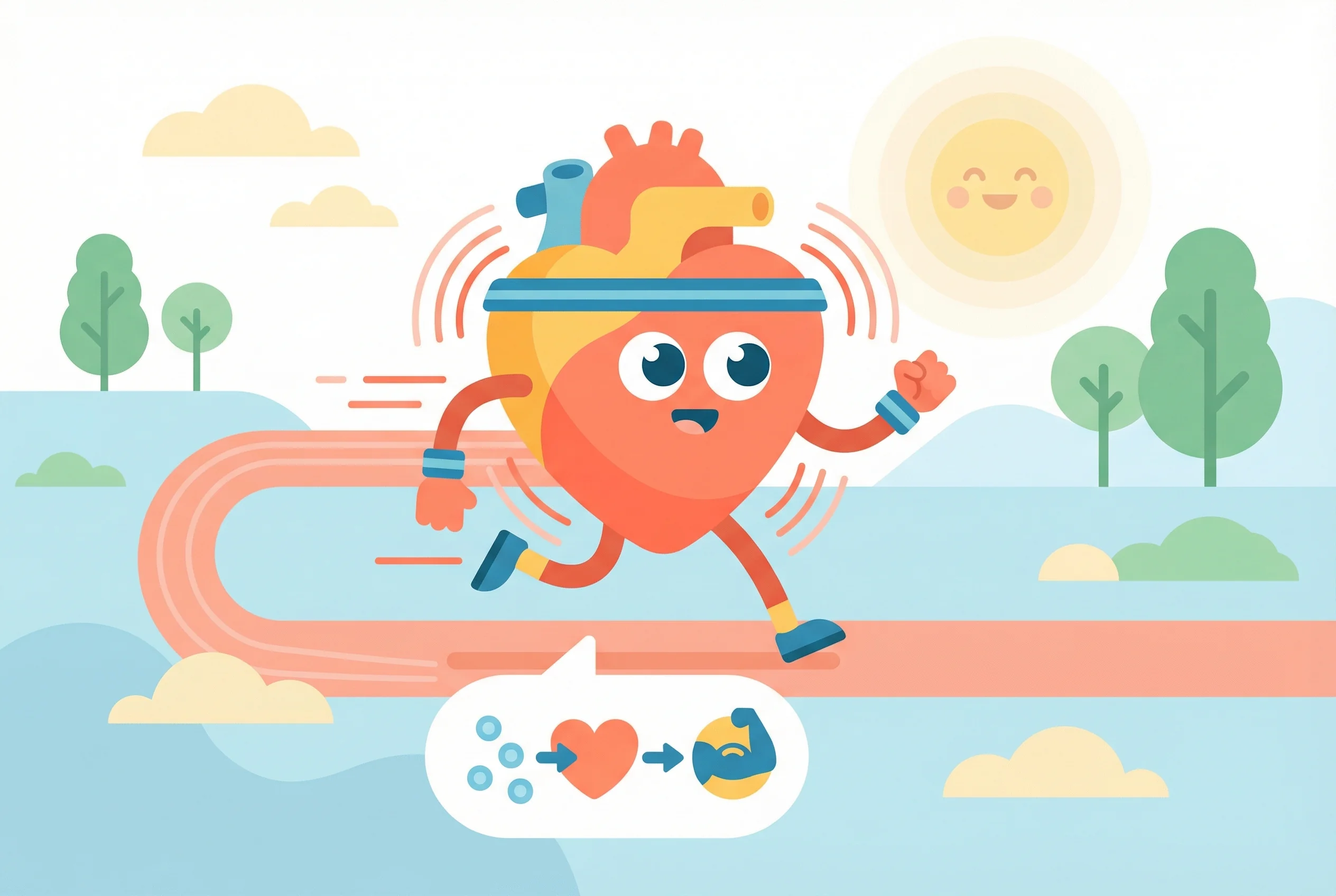
ATo deliver more oxygen to muscles
✓Correct — during exercise, working muscles need more oxygen and need carbon dioxide removed, so your heart pumps faster to move blood through the system.
BHeart muscles need warming up
✗Not quite — the heart is already working continuously. The faster beat is driven by the oxygen demand from your working muscles.
CTo remove sweat faster
✗Not quite — sweat comes from sweat glands. Heart rate rises to move oxygen-rich blood and clear metabolic waste.
Answer this question
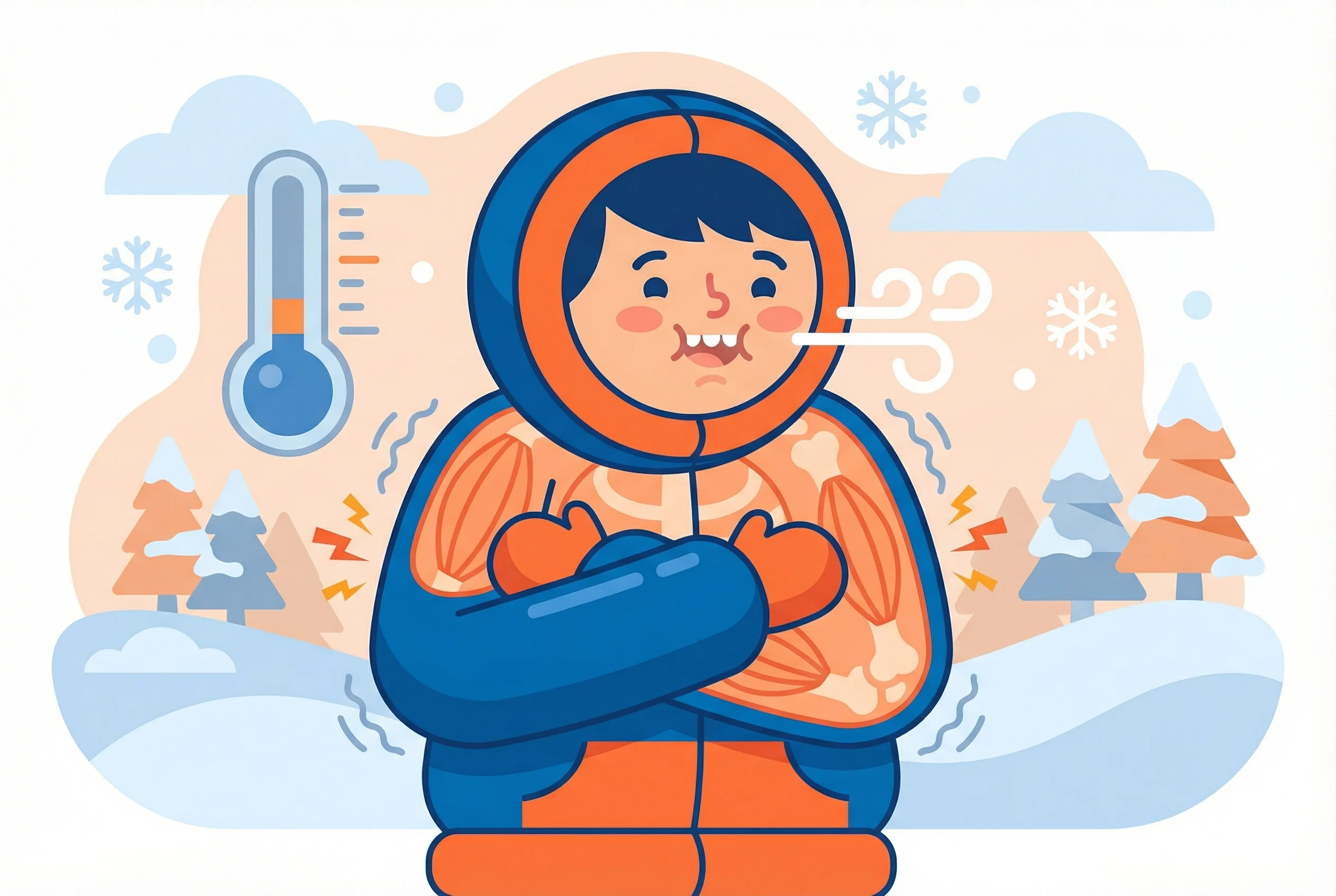
AMuscles contract to generate heat
✓Correct — shivering is a controlled burst of rapid muscle contractions. The work burns energy and releases heat.
BNerves are misfiring from cold
✗Not quite — shivering is not a malfunction. The hypothalamus deliberately triggers it when body temperature drops.
CMuscles tense to conserve heat
✗Not quite — simple tension does not make much heat. Repeated contractions actively generate warmth.
Answer this question
Medium
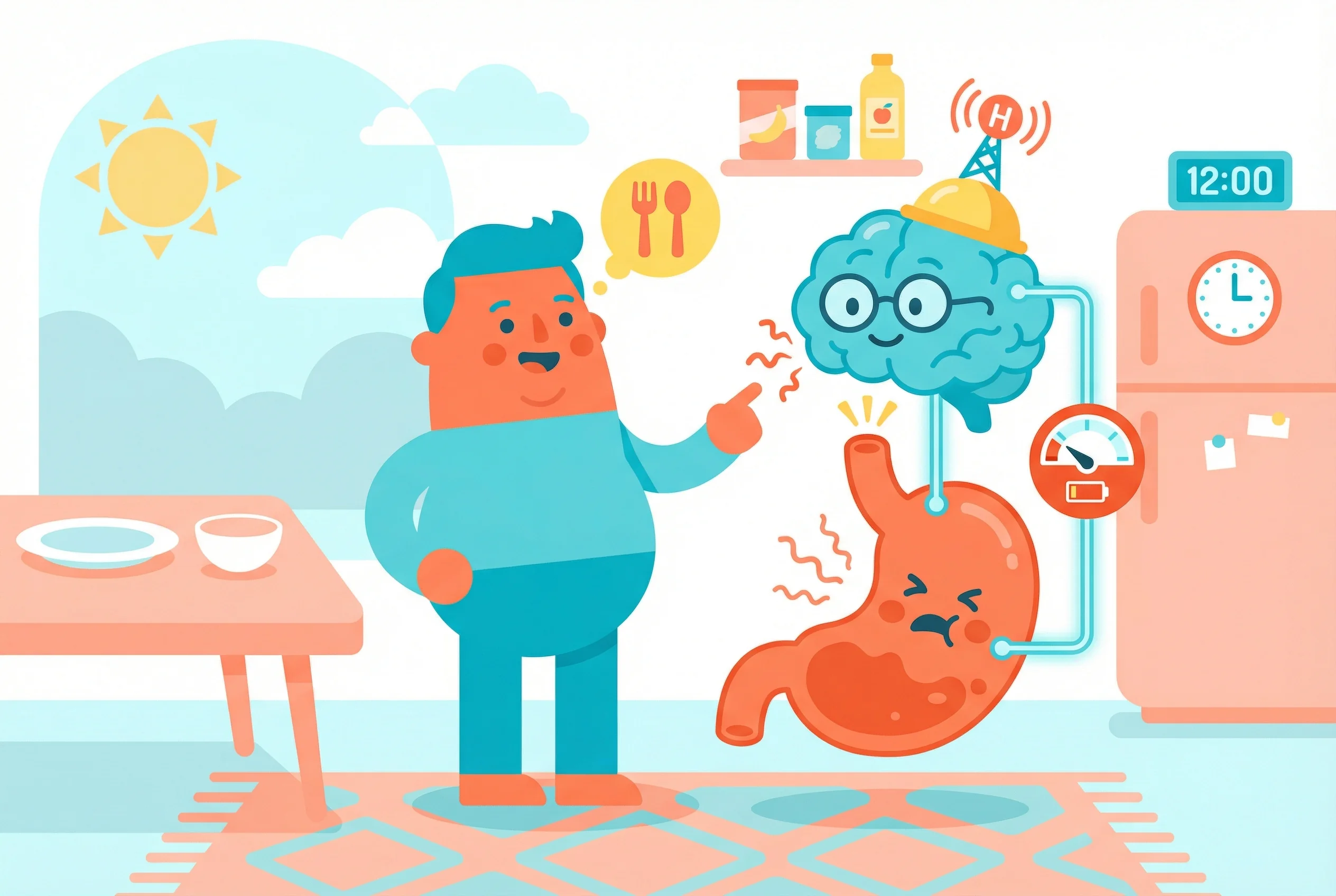
ABlood sugar drops trigger brain
✓Correct — hunger is coordinated by the brain, with signals such as changing blood sugar and appetite hormones helping tell you energy is running low.
BDigestive system needs work
✗Not quite — your digestive system does not ask for busywork. Hunger is mostly a brain-and-hormone signal about energy needs.
CBody temperature decreases
✗Not quite — temperature can affect metabolism, but hunger is mainly tied to energy and appetite signals, not getting colder.
Answer this question
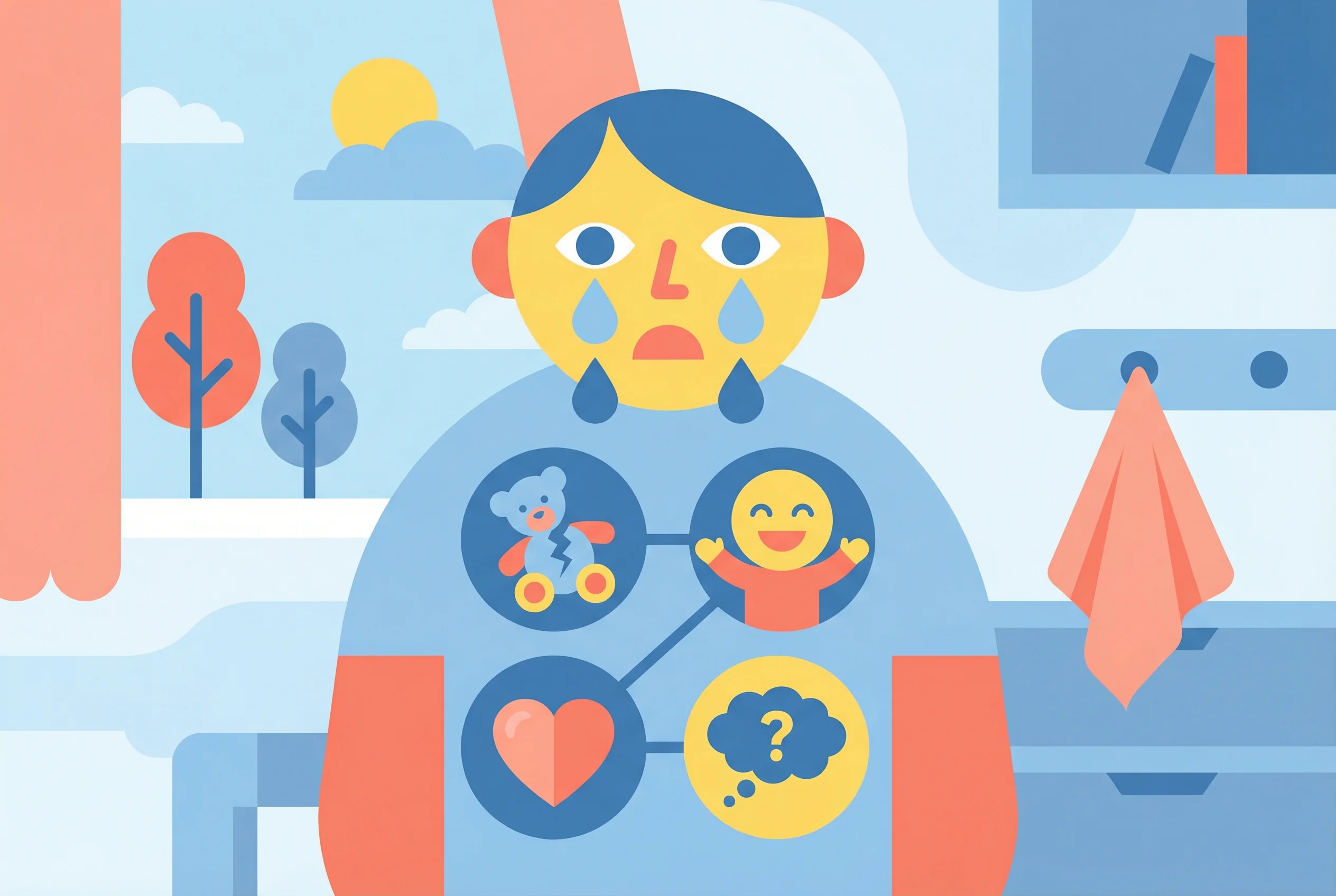
ABrain signals stimulate tear glands
✓Correct — emotion-processing regions can send signals through the brainstem and parasympathetic nerves to the lacrimal glands.
BEyes need cleaning when upset
✗Not quite — reflex tears clean and protect the eyes. Emotional tears are triggered by neural signals tied to feeling.
CBody temperature rises too high
✗Not quite — emotional crying is not a cooling system. It follows a brain-to-tear-gland pathway.
Answer this question
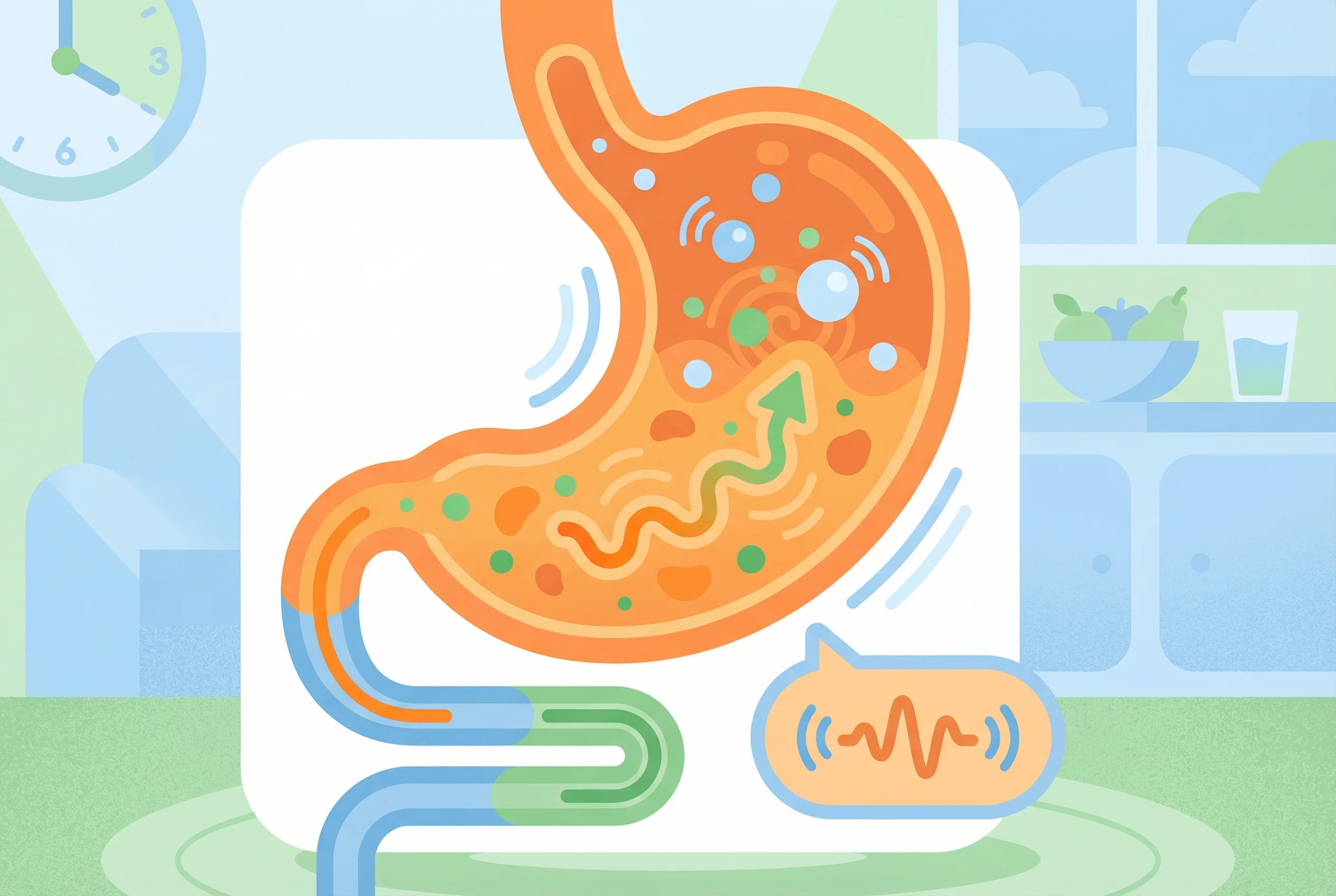
ADigestive muscles contracting
✓Correct — waves of digestive muscle movement push air and fluid through the gut, making borborygmi, the official name for those rumbles.
BFood is fermenting inside
✗Not quite — gut bacteria can produce gas, but the classic growl comes from muscle contractions moving air and fluid.
CStomach acid bubbling
✗Not quite — stomach acid is not bubbling like soda. The sound is motion through the digestive tract.
Answer this question
ASkin cells multiply faster
✗Not quite — skin renewal usually slows with age. Wrinkles come from losing structure, not from cells multiplying too fast.
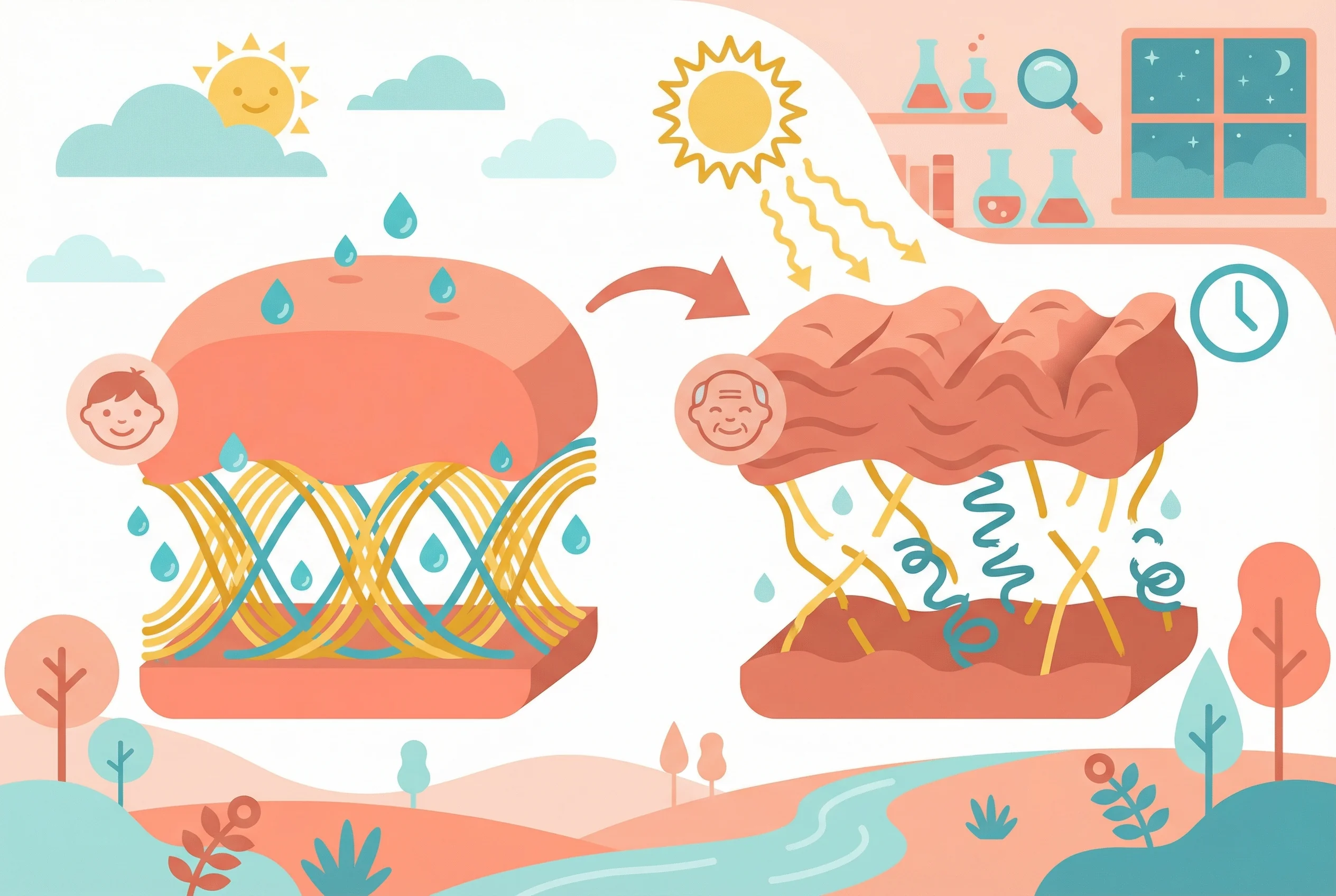
BCollagen and elastin break down
✓Correct — collagen gives skin firmness and elastin helps it spring back. As those proteins decline and break down, creases become more permanent.
CBlood vessels expand
✗Not quite — blood vessel changes can affect color and circulation, but wrinkle structure is mostly about collagen, elastin, and thinner skin.
Answer this question
Hard
AHormones and brain chemicals shift
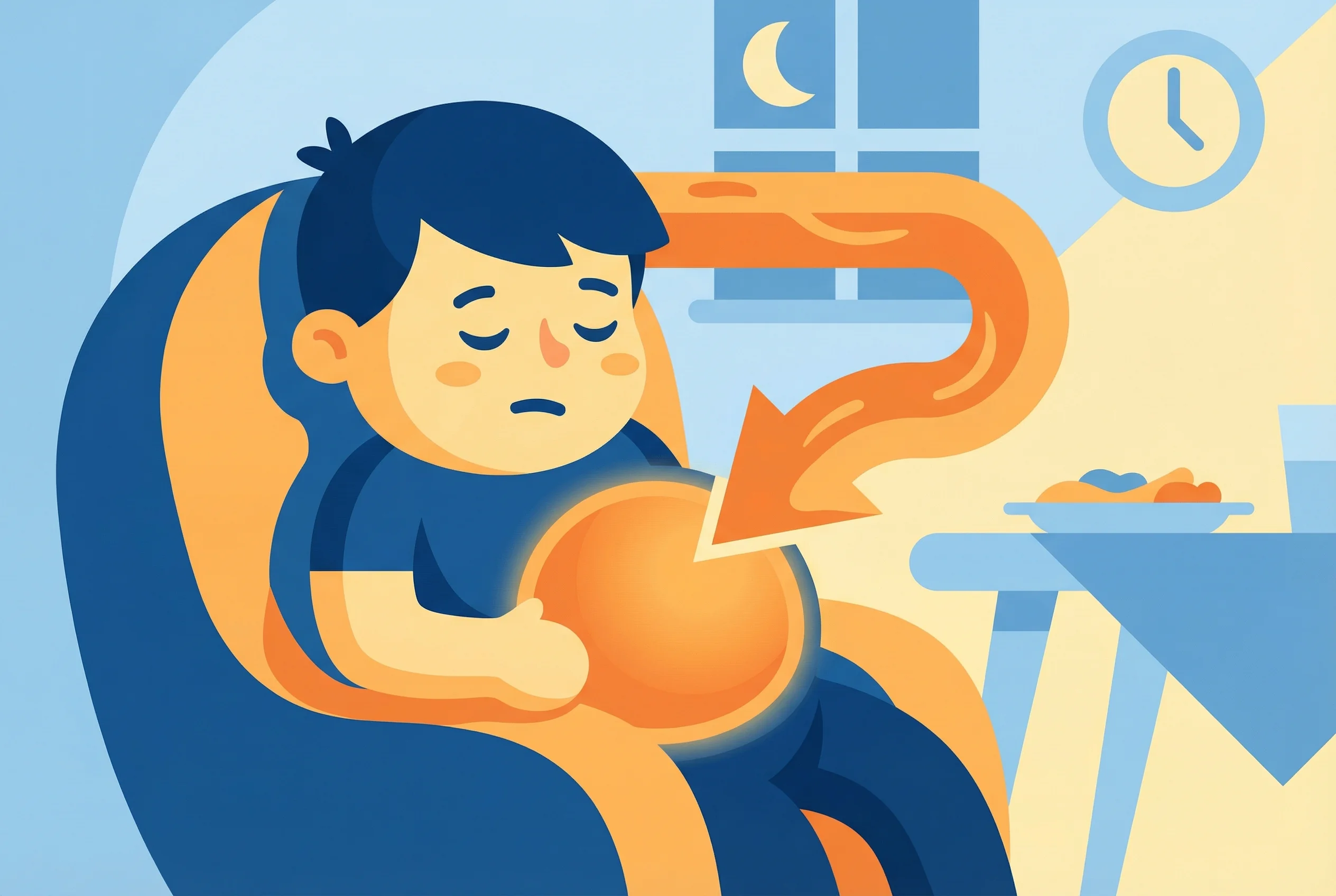
✓Correct — after a meal, insulin and other signals can shift brain chemistry and alertness. Large carb-heavy meals make the drowsy effect easier to notice.
BBody temperature rises
✗Not quite — digestion can affect body state, but post-meal sleepiness is more about hormonal and neural shifts.
CToo much oxygen used
✗Not quite — your body is not using up oxygen in a way that makes you sleepy. The signal is biochemical, not oxygen depletion.
Answer this question
AImprove grip and touch sensitivity
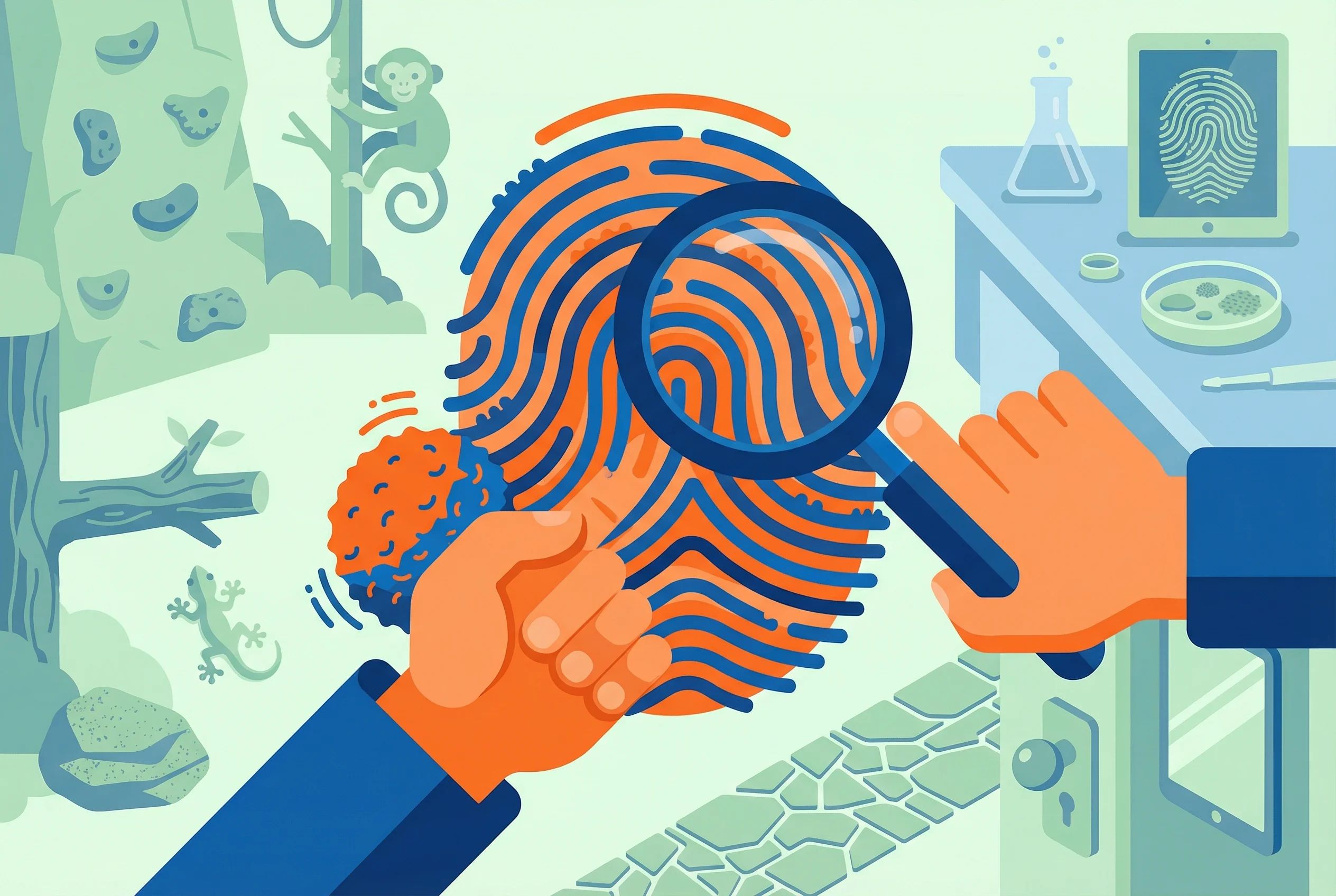
✓Correct — ridges help manage moisture and friction while also amplifying tiny texture vibrations for touch receptors.
BTo regulate temperature
✗Not quite — fingers do help with heat exchange, but fingerprints are not a thermostat. Their main jobs are grip and fine touch.
CTo protect finger bones
✗Not quite — the ridges sit in skin. They do not shield bones; they help fingers feel and hold the world.
Answer this question
Want to play these for real?
Turn human body trivia into a 10-second curiosity loop: predict, get feedback, and leave with one mechanism you can actually remember.
Play live on AIgneous Million Whys →Frequently Asked Questions
What is human body trivia?
Human body trivia is a set of quick questions about how your body works: breathing, digestion, movement, skin, senses, sleep, and the brain signals behind everyday feelings.
Are these human body trivia questions for adults?
Yes. The questions are short, but the explanations are written for curious adults who want the mechanism, not a school worksheet or exam drill.
Can trivia actually help me understand biology?
It can when each question closes a real information gap. A good body question starts with something familiar, then gives you the hidden system behind it.
What topics are included here?
This set covers heart rate, hunger, emotional tears, digestion, post-meal drowsiness, shivering, wrinkles, and fingerprints.
What does this have to do with AIgneous Million Whys?
Million Whys turns everyday body questions into tiny closures. You notice a familiar "why," answer it, and carry one more piece of understanding into the next moment.