Easy
AAttracting mates with scent
✗Not quite — the answer is B. Last-resort predator defense. The spray is extremely unpleasant and repels all animals, including potential mates. Skunks use completely different, milder scents for attraction.
BLast-resort predator defense
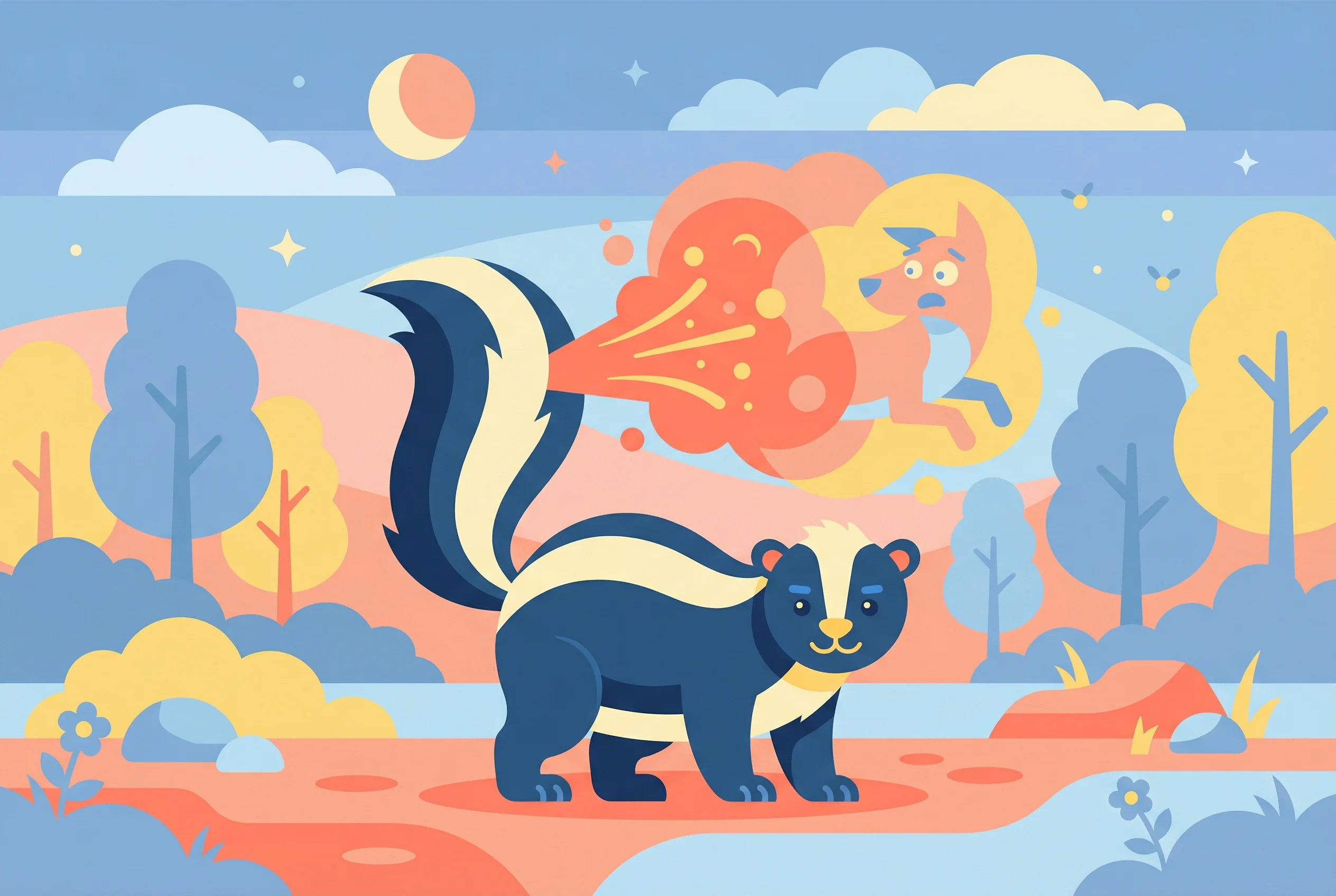
✓Correct — Chemical warfare defense! Skunk spray: last resort against threats. Composition: sulfur-containing thiols (mercaptans)—extremely pungent. Process: (1) Warning signals first—stomping, tail raising, hissing. (2) If threat persists—spray from anal glands. (3) Accurate aim up to 10ft. Effects on predators: temporary blindness, nausea, intense smell (lasts days-weeks). Limited supply (5-6 sprays)—takes 10 days to replenish. Effective deterrent—most predators learn avoidance. Great horned owls (no smell sense) are main predators!
CKeeping their fur clean
✗Not quite — the answer is B. Last-resort predator defense. Spray doesn't clean fur—it's an oily, foul-smelling substance that animals try to avoid. Skunks groom themselves like other mammals.
Answer this question
AReaching deep into ant nests
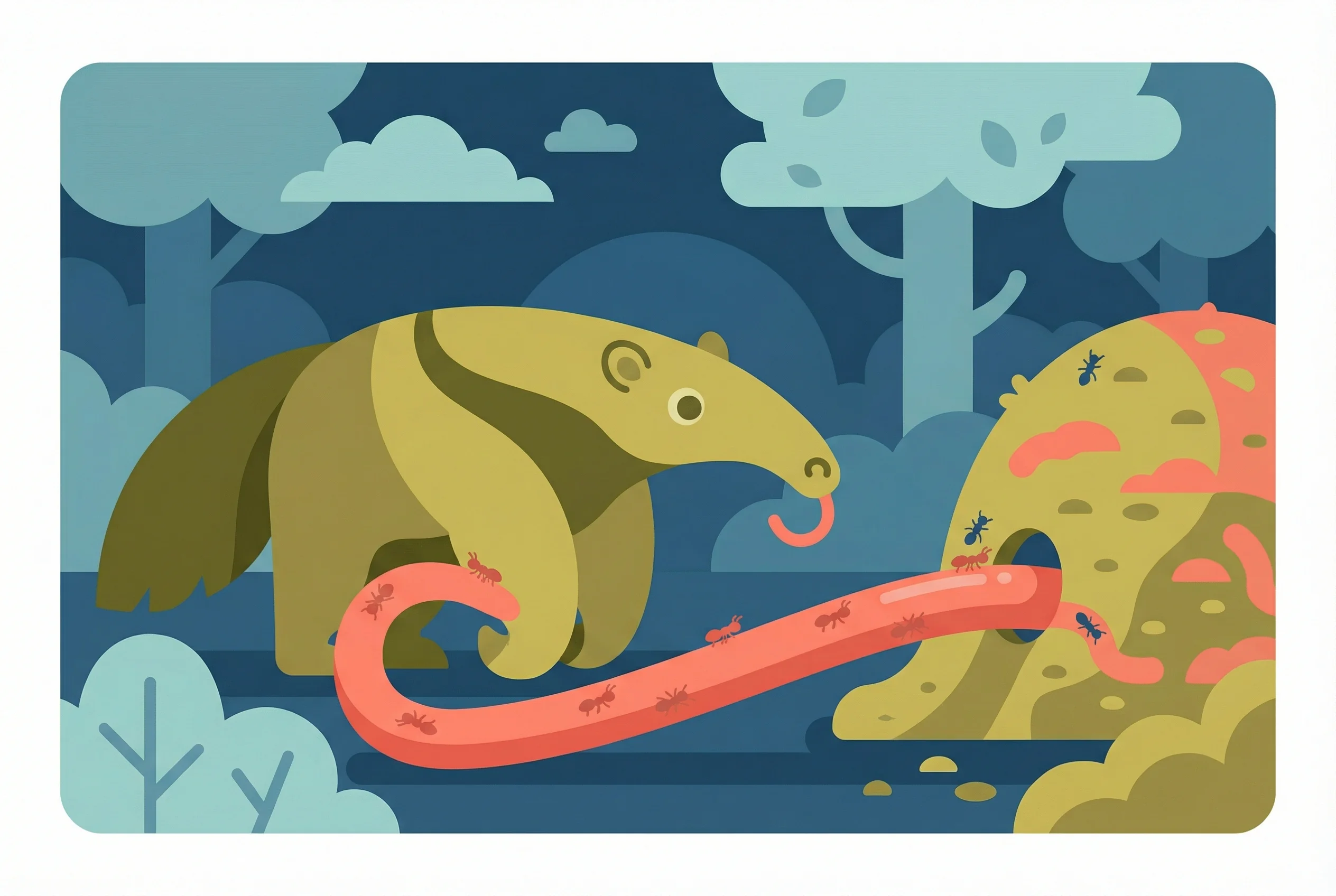
✓Correct — Specialized feeding! Giant anteater tongue: 2ft long! Adaptations: (1) Length—reaches deep into ant/termite tunnels. (2) Sticky saliva—insects adhere to tongue. (3) Rapid flicking—160 times/minute! (4) Attached to sternum—extends far. No teeth—swallows insects whole. Strong stomach grinds food. Eats 30,000 ants/termites daily! Also: powerful claws rip open nests. Narrow snout fits in tunnels. Specialized myrmecophage (ant-eater). Tongue moves so fast it's nearly invisible!
BIt helps regulate body temperature
✗Not quite — the answer is A. Reaching deep into ant nests. Tongue doesn't regulate temperature. It's specialized feeding tool—extremely long and sticky for extracting ants/termites from nests.
CFighting off predators
✗Not quite — the answer is A. Reaching deep into ant nests. Anteaters use powerful claws for defense, not tongues. Long tongue is feeding adaptation—reaching deep into insect colonies.
Answer this question
AMulti-purpose tool for survival
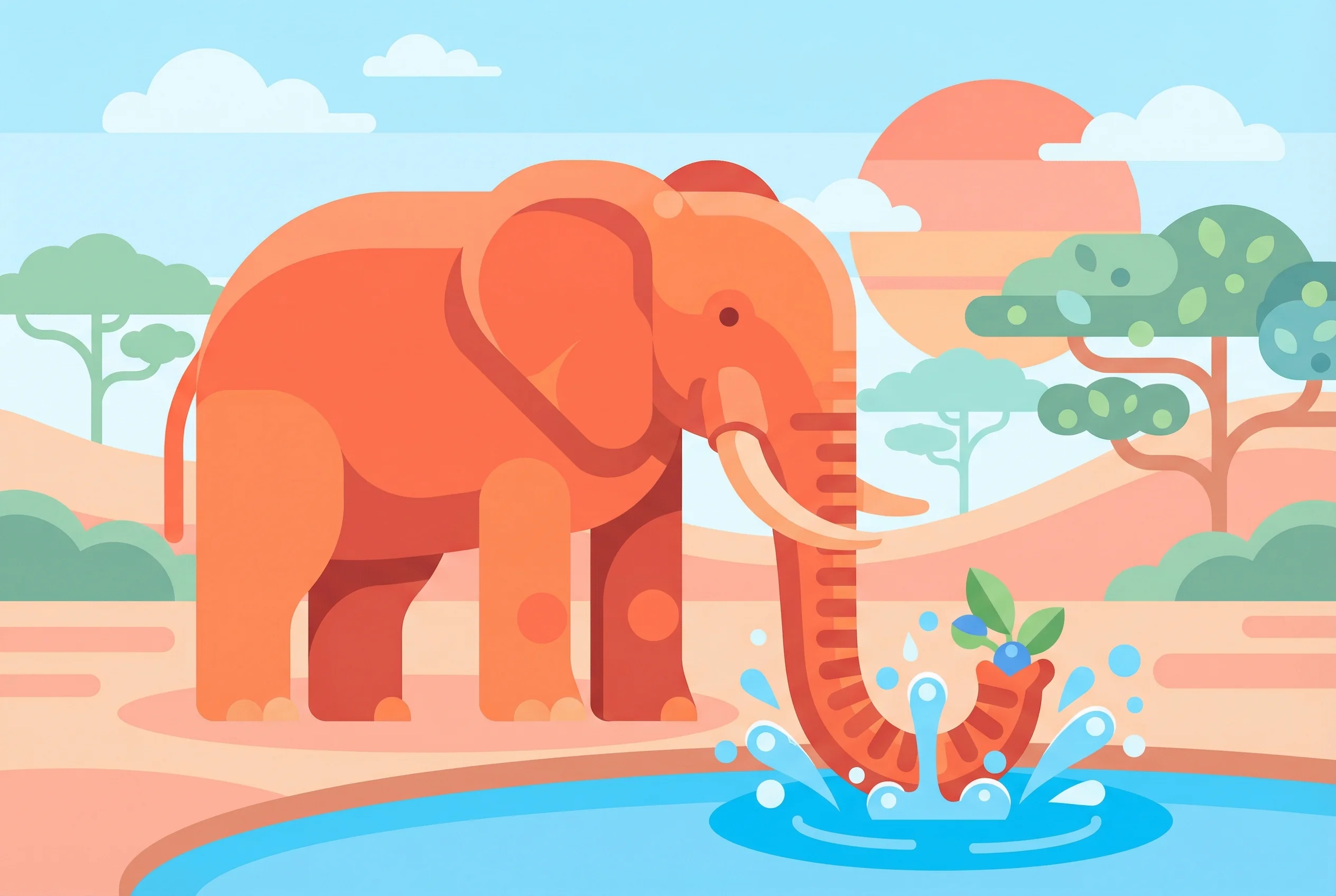
✓Correct — Versatile appendage! Elephant trunk: fusion of nose + upper lip, 40,000 muscles (no bones)! Functions: (1) Feeding—grasp food, strip leaves, pick up small items. (2) Drinking—suck water (12 liters), squirt into mouth. (3) Communication—touch, smell, trumpeting sounds. (4) Cooling—spray water/dust on body. (5) Tool use—move objects, dig. (6) Social bonding—caressing. (7) Defense—can lift 350kg! Incredibly sensitive—detect seismic vibrations. African elephants: 2 'fingers' at tip; Asian: 1.
BCooling system only
✗Not quite — the answer is A. Multi-purpose tool for survival. Trunk does cool through water/dust spray, but primary functions are feeding, drinking, breathing, communication—multi-purpose tool.
CStoring water inside trunk
✗Not quite — the answer is A. Multi-purpose tool for survival. Trunk doesn't store water (common myth). It draws water then squirts into mouth. Trunk is tool for feeding, drinking, sensing, communication.
Answer this question
AAttracts mates and defends
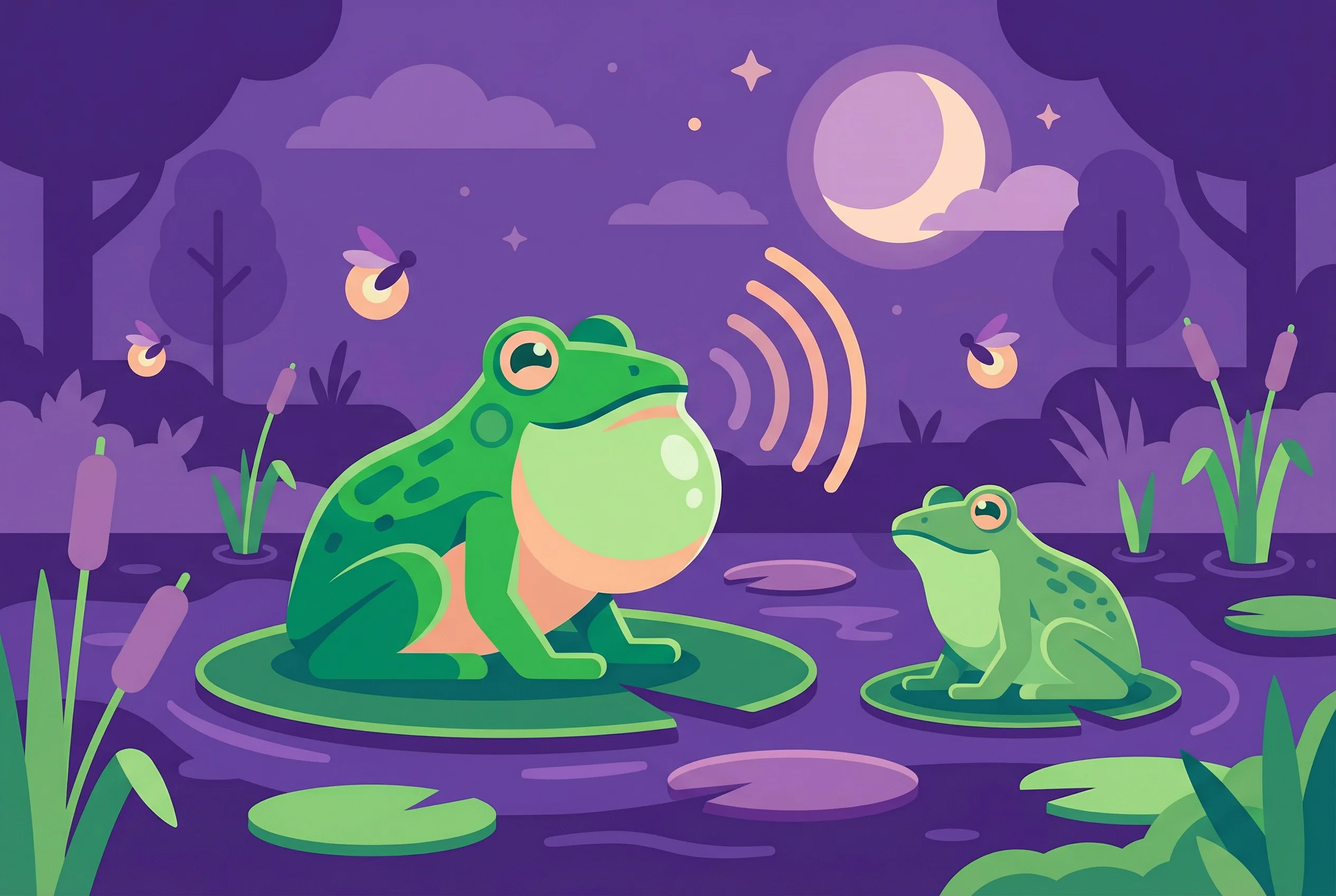
✓Correct — Vocal mating and territory! Male frogs croak primarily for: (1) Attracting females—species-specific calls (each species unique frequency/pattern). (2) Territory defense—warning other males. (3) Chorus effect—synchronized calling amplifies signal. Mechanism: vocal sacs inflate (amplify sound), can be very loud (some 100+ decibels)! Females choose mates by call quality. Bigger frogs = deeper calls. Only males croak in most species. Peak during breeding season (spring). Croaking uses enormous energy!
BHelps with breathing underwater
✗Not quite — the answer is A. Attracts mates and defends. Croaking doesn't aid breathing. Frogs breathe through skin underwater. Croaking is vocal mating call and territory defense.
CCroaking clears their throat
✗Not quite — the answer is A. Attracts mates and defends. Frogs don't clear throats. Croaking is deliberate vocal signal—attracting mates and warning rival males during breeding.
Answer this question
Medium
ACooling system in Arctic
✗Not quite — the answer is B. Camouflage in snow and ice. Arctic doesn't need cooling—needs insulation! White fur provides camouflage. Black skin underneath actually absorbs heat.
BCamouflage in snow and ice
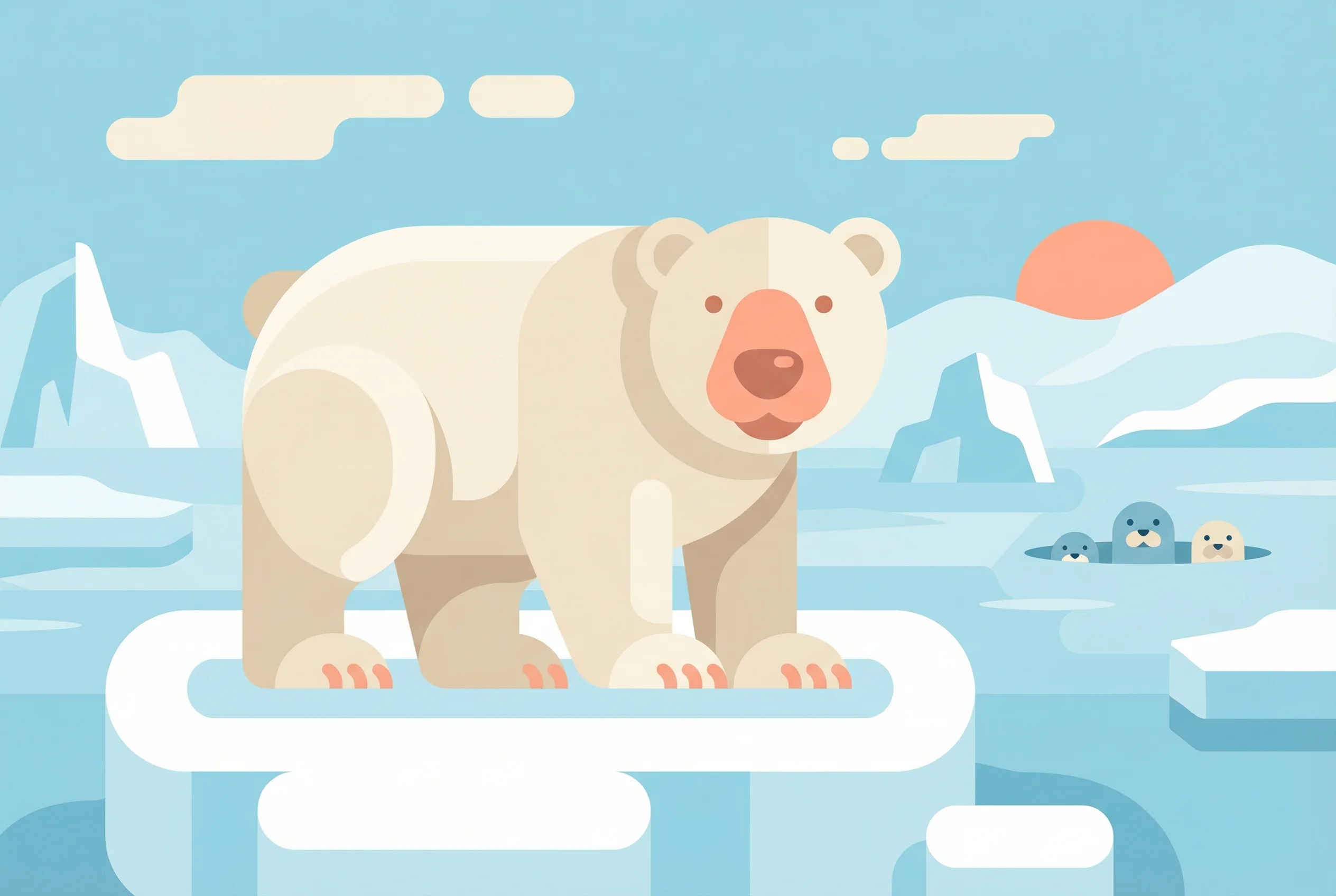
✓Correct — Arctic camouflage! Polar bear fur appears white: (1) Camouflage—blends with snow/ice during seal hunting (stalking). (2) Individual hairs are transparent, hollow—scatter light (appears white). (3) Skin underneath is black—absorbs heat. Fur isn't actually white—light reflection creates color. Can appear yellow/brown from oxidation/algae. Dense undercoat + guard hairs insulate. Cubs born with white fur. Excellent stealth predator—seals don't see approach!
CWhite attracts prey animals
✗Not quite — the answer is B. Camouflage in snow and ice. White doesn't attract prey—it conceals predator. Polar bears hunt seals, using white fur as camouflage on ice.
Answer this question
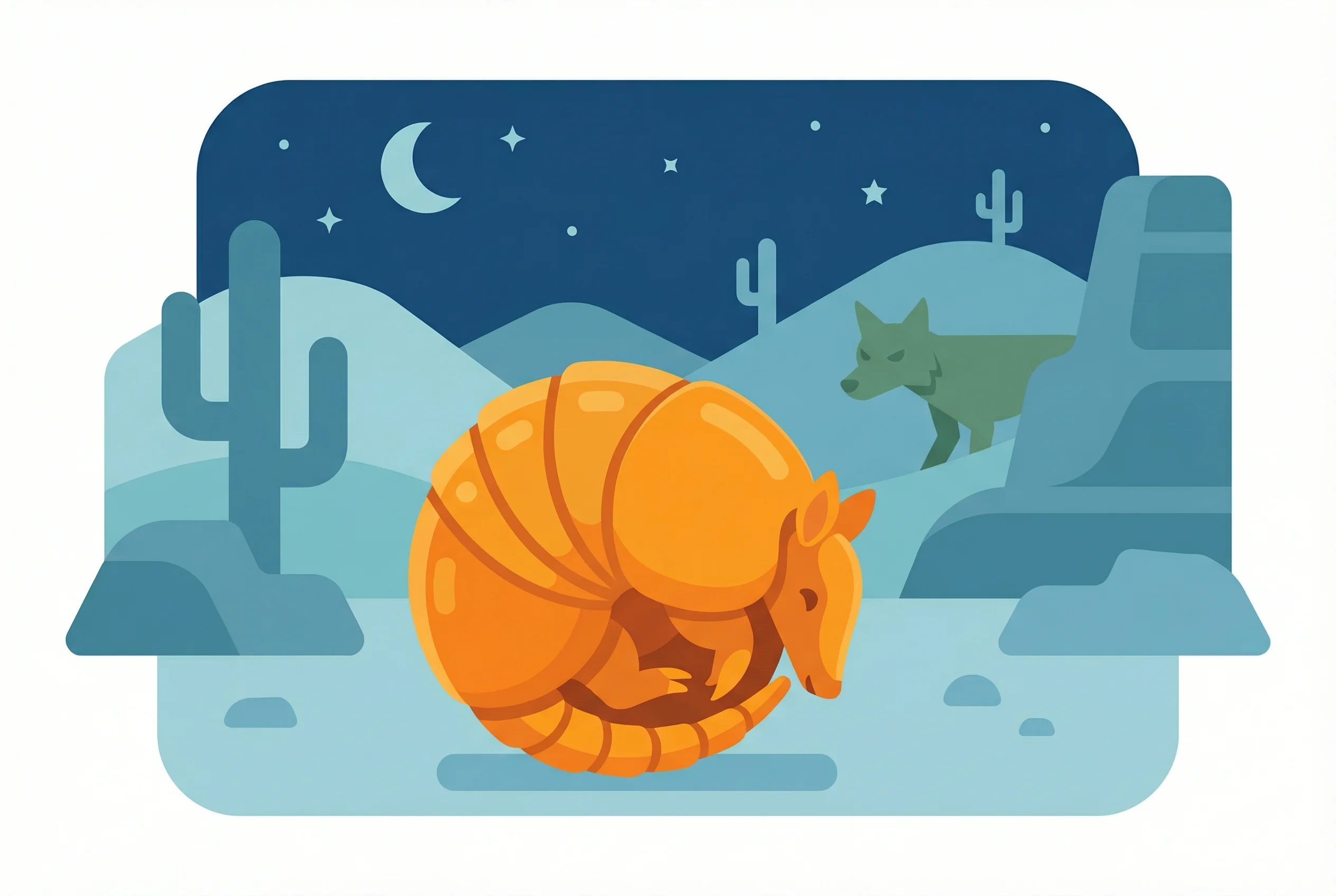
AArmor protects from predators
✓Correct — Defensive armor! Only some species (three-banded armadillo) fully roll. Defense mechanism: (1) Hard shell (carapace)—modified skin/bone plates. (2) Roll into ball—no vulnerable soft parts exposed. (3) Predators can't penetrate or unroll. Shell protects from bites, claws. Other armadillo species burrow or run instead. Shell also protects from thorns in habitat. Trade-off: armor adds weight, slows movement. Unique mammalian adaptation. Name means 'little armored one' (Spanish)!
BConserves body heat in cold
✗Not quite — the answer is A. Armor protects from predators. Rolling doesn't conserve heat. It's predator defense—hard shell ball protects vulnerable belly from attacks.
CCatches insects while rolling
✗Not quite — the answer is A. Armor protects from predators. Armadillos don't catch insects by rolling. They forage by digging with claws—rolling is defensive response to threats.
Answer this question
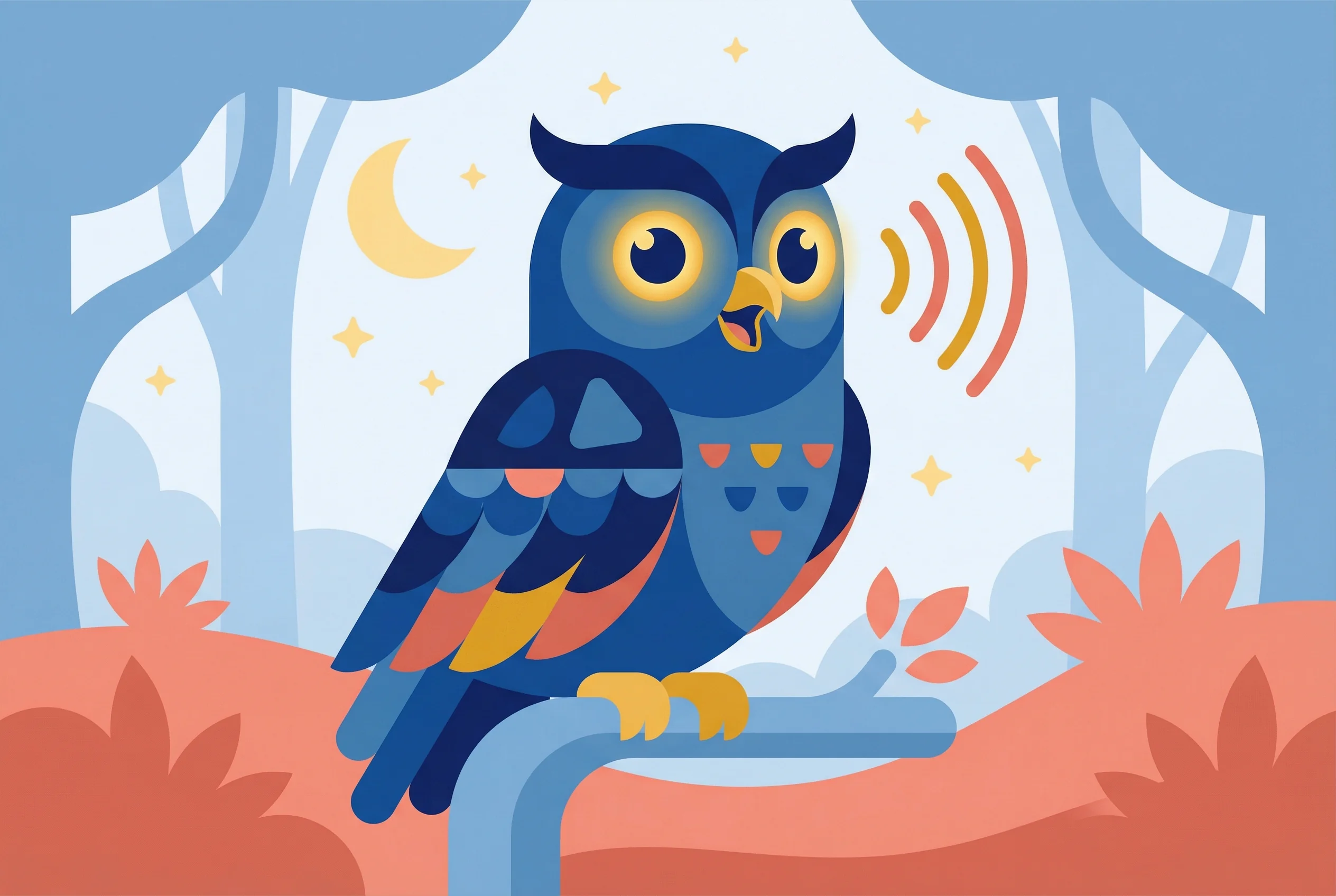
ATerritory and mate communication
✓Correct — Vocal territory and mating! Owls hoot for: (1) Territory defense—'This area is occupied!' (2) Mate attraction—species-specific calls. (3) Pair bonding—duets between mates. (4) Contact calls—locating family members. Each species unique hoot pattern (Great Horned: 'hoo-hoo-hoo'). Males typically hoot more (territorial). Not all owls hoot—screech owls screech, barn owls hiss/screech. Nocturnal communication—sound travels well at night. Also: silent flight for hunting!
BCalling their young back home
✗Not quite — the answer is A. Territory and mate communication. Owls don't hoot to call their young—chicks stay in the nest until they can fly. Hooting is primarily territorial defense and mate attraction, used mainly by adult owls.
CEcholocation like bats use
✗Not quite — the answer is A. Territory and mate communication. Owls don't echolocate—they use exceptional hearing and vision. Hooting is vocal communication for territory and mating.
Answer this question
ADogs confuse grass with meat
✗Not quite — the answer is B. Instinct to induce vomiting. Dogs distinguish grass from meat. Grass-eating is deliberate behavior—often to relieve stomach discomfort or induce vomiting.
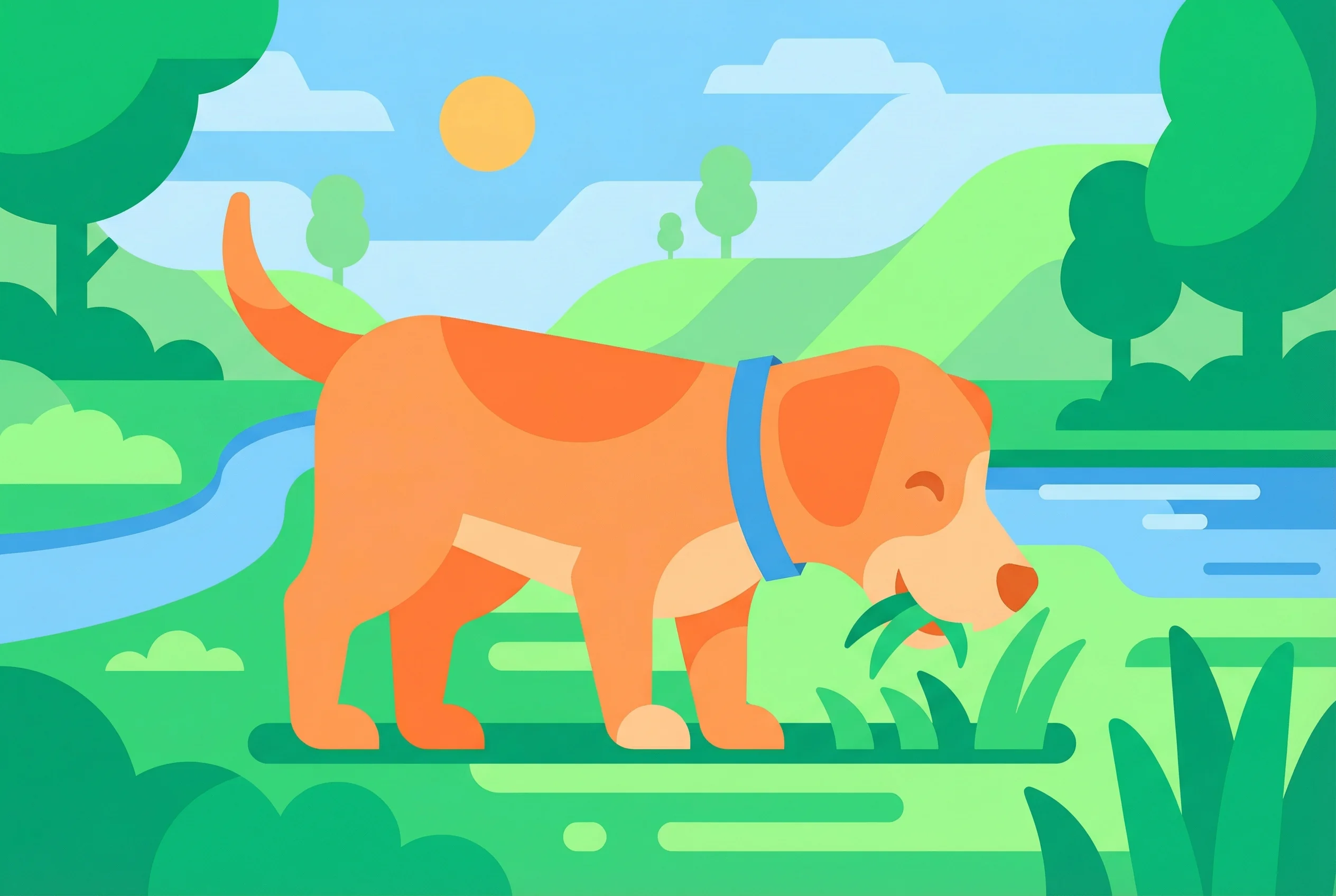
BInstinct to induce vomiting
✓Correct — Self-medication behavior! Dogs eat grass for multiple reasons: (1) Digestive upset—induces vomiting to expel irritants. (2) Dietary fiber—helps move intestinal contents. (3) Instinctive behavior—inherited from wild ancestors. (4) Boredom/anxiety—behavioral comfort. Not harmful unless grass treated with pesticides. Wolves/wild canids also eat grass and plants. If frequent, may indicate diet deficiency or GI issues—vet checkup recommended. Normal occasional behavior!
CSharpens teeth on grass blades
✗Not quite — the answer is B. Instinct to induce vomiting. Grass doesn't sharpen teeth—chewing bones does. Dogs eat grass for digestive relief, inducing vomiting, or adding fiber to diet.
Answer this question
Hard
AEscaping ocean predators
✗Not quite — the answer is B. Spawning in birthplace. Ocean has predators, but upstream migration is for reproduction—returning to natal streams to spawn.
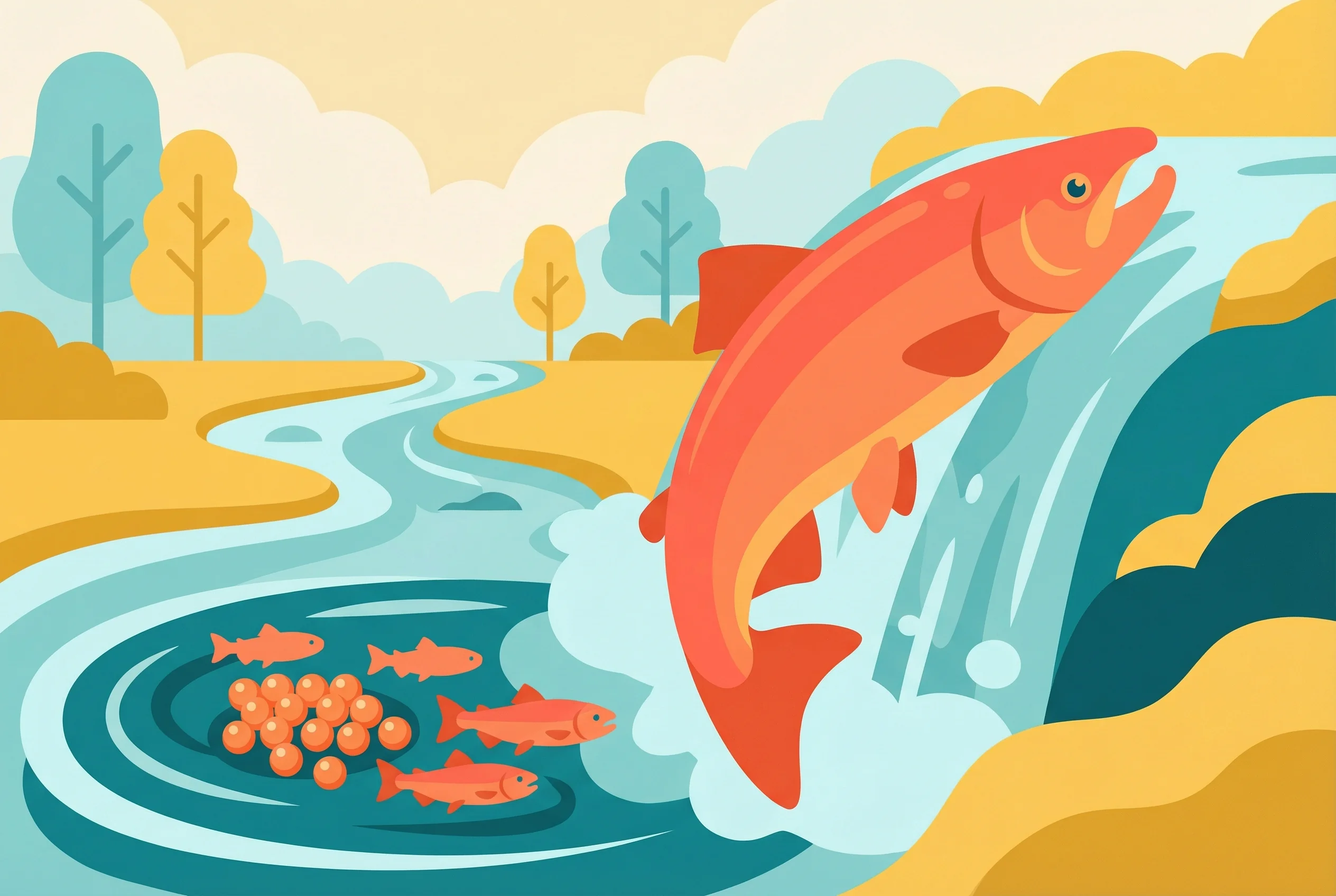
BSpawning in birthplace
✓Correct — Natal homing! Salmon return to birthplace to spawn: (1) Imprinting—remember birth stream's chemical signature. (2) Olfactory navigation—follow scent upstream. (3) best conditions—gravel beds for eggs. Incredible journey: hundreds of miles, swimming against current, jumping waterfalls. Anadromous life cycle—born in freshwater, mature in ocean, return to spawn. Most Pacific salmon die after spawning (semelparous). Exhausting migration—use all energy reserves. Magnetic sense aids ocean navigation!
CSearching for more food
✗Not quite — the answer is B. Spawning in birthplace. Salmon don't feed during spawning migration—use stored energy. Upstream journey is reproduction-driven, not foraging.
Answer this question
ACourtship ritual for mating
✗Not quite — the answer is B. Communicating food locations. Bee dances aren't mating behavior—they're communication system. Waggle dance conveys food source location/quality to hive mates.
BCommunicating food locations
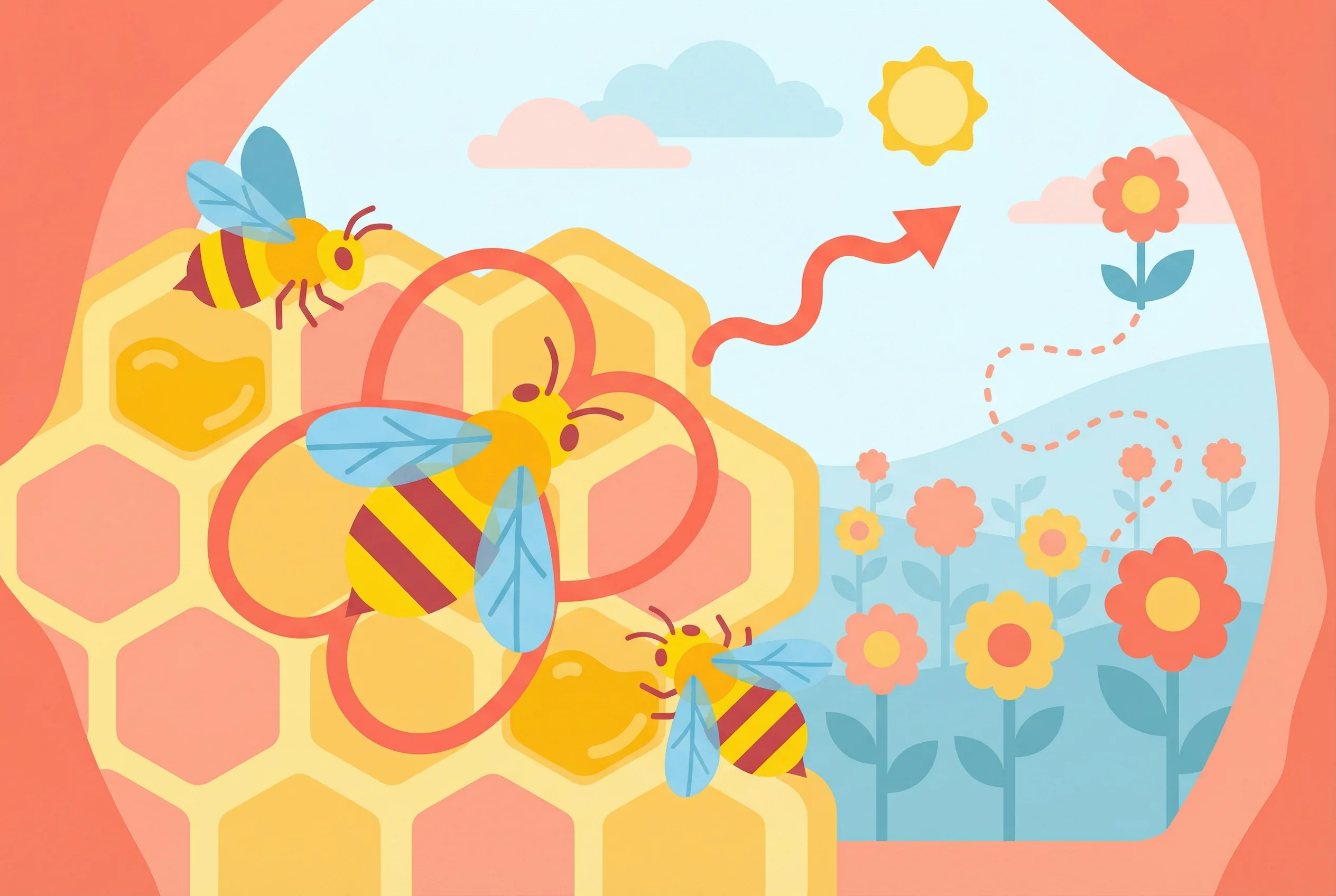
✓Correct — Spatial communication! Waggle dance: figure-8 pattern communicating flower location. Information encoded: (1) Angle—sun direction vs food direction. (2) Duration—distance to source (1 sec ≈ 1km). (3) Vigor—food quality. Round dance: food nearby (<50m). Von Frisch discovered this (Nobel Prize). Bees dance on vertical comb in dark hive—gravity substitutes for sun reference. Remarkable navigation and abstract communication in insects!
CWarming up flight muscles
✗Not quite — the answer is B. Communicating food locations. Bees do warm muscles through shivering, but waggle dance specifically communicates food source location/distance to colony.
Answer this question
Want to play these for real?
Turn questions like these into a 10-second daily quiz that follows your curiosity instead of handing you a fixed syllabus.
Play live on AIgneous Million Whys →Frequently Asked Questions
What makes good animal trivia?
Good animal trivia does more than name a species. It gives you a small information gap, then closes it with the mechanism: how a skunk spray works, why a bee dance carries directions, or what a polar bear's fur is actually doing.
Are these animal trivia questions from the MillionWhys question bank?
Yes. Each card comes from the active AIgneous Million Whys question bank, with a live /daily?q= link so the same question can be played in the app.
Can I use these for a pub quiz or classroom warm-up?
Yes. The questions are short enough for a quiz round, but the reveal text is designed for curiosity closure: the answer is useful because it explains the why, not just the letter.
Why does AIgneous focus on tiny questions like this?
AIgneous Million Whys treats learning as a chain of small whys. One 10-second question can open a new gap, close it, and leave you with a sharper way to notice the world.